 11
11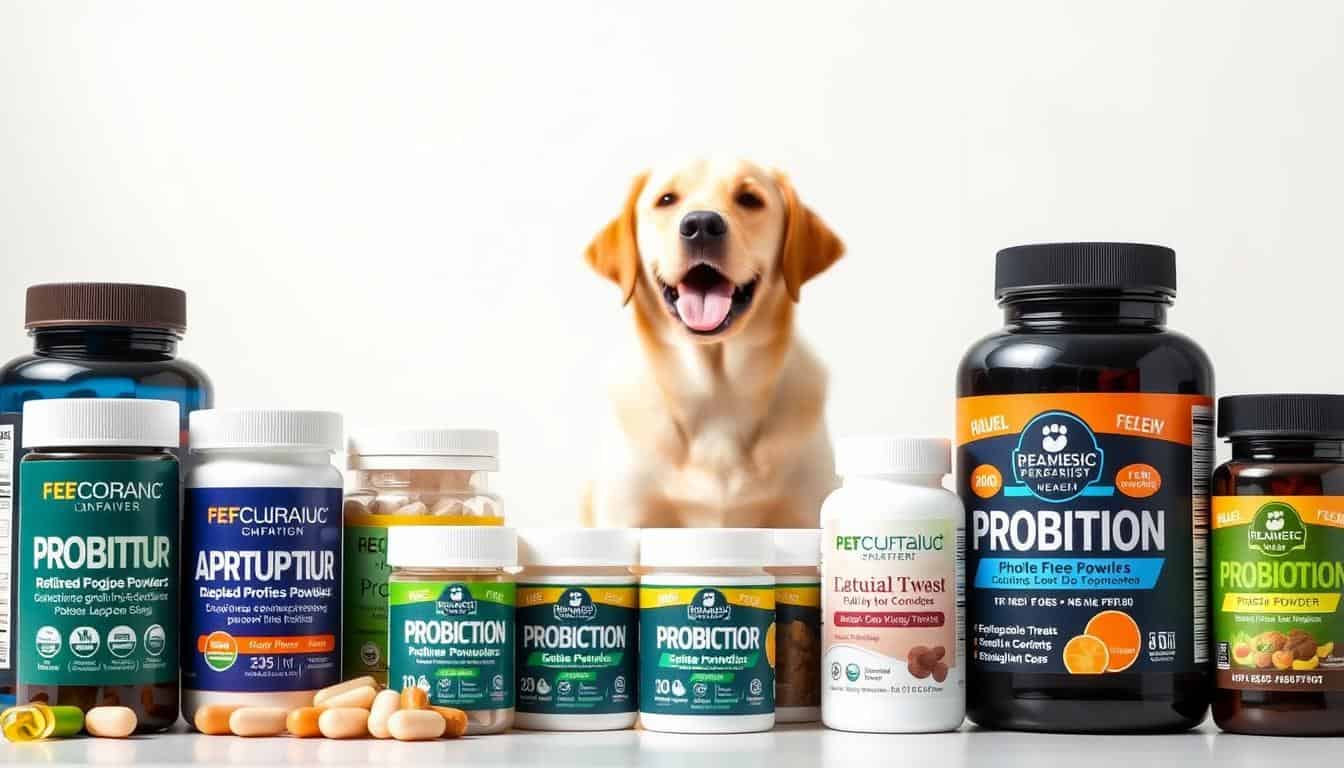

Many furry companions struggle with itchy skin, ear irritation, or recurring discomfort caused by microbial imbalances. These issues often stem from an overgrowth of naturally occurring organisms, which thrive when a pet’s defenses weaken. Veterinarian Dr. Amy Attas notes that “maintaining healthy bacterial populations is critical for preventing these flare-ups.”
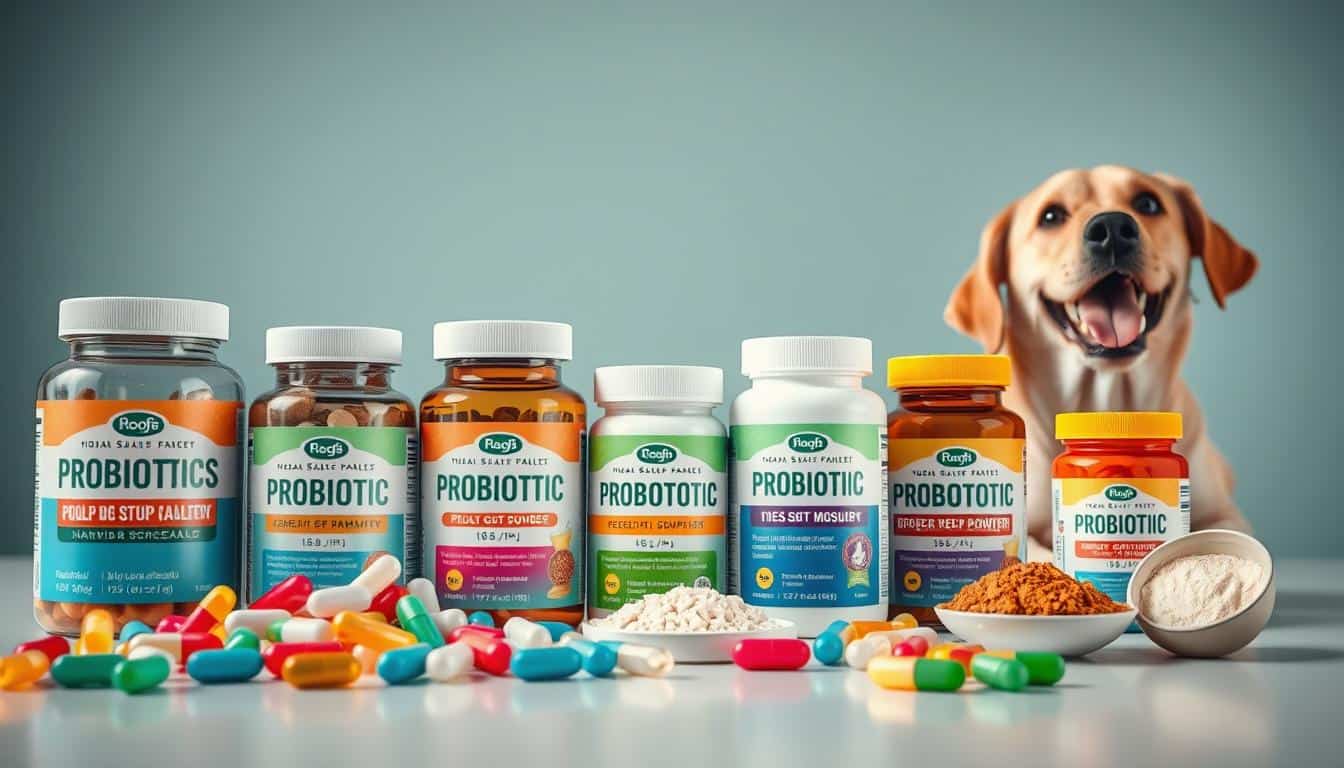
Specially formulated supplements can support a balanced internal environment. Products like Pet Honesty’s canine blends deliver strains shown to promote skin resilience and digestive harmony. When paired with proper nutrition, these natural solutions help address root causes rather than just masking symptoms.
Common triggers include processed diets high in sugars and frequent antibiotic use, which disrupt delicate ecosystems. Pet owners seeking gentler approaches increasingly turn to science-backed alternatives that work with their animal’s biology.
This guide explores practical strategies to manage persistent irritation through dietary adjustments, targeted supplements, and lifestyle changes. Learn how to recognize early warning signs and create a tailored plan for lasting comfort.
Microscopic organisms naturally reside on every dog’s body, but trouble starts when their numbers surge. Overgrowth often occurs when internal weaknesses meet external triggers, disrupting the skin’s delicate balance.
Three primary factors fuel fungal proliferation. Food sensitivities and environmental allergies compromise natural defenses, while antibiotic use reduces beneficial bacteria that normally control growth. Humid living spaces or frequent swimming sessions create ideal breeding conditions.
| Triggers | Environmental Factors | Health Impacts |
|---|---|---|
| High-carb diets | Moist bedding | Skin barrier damage |
| Chronic stress | Poor air circulation | Ear canal inflammation |
| Immune disorders | Warm climates | Digestive strain |
Watch for persistent paw-licking or head-shaking – early signs often appear in warm, folded areas. Advanced cases may show:
Hair loss around eyes or tail base sometimes develops. Left unchecked, these issues can lead to secondary bacterial complications requiring more intensive care.
A healthy internal ecosystem plays a crucial role in maintaining a pet’s overall wellness. When imbalances occur, specially formulated supplements can replenish essential microbes that support natural defenses. Strains like Lactobacillus acidophilus work behind the scenes to create environments where harmful organisms struggle to thrive.
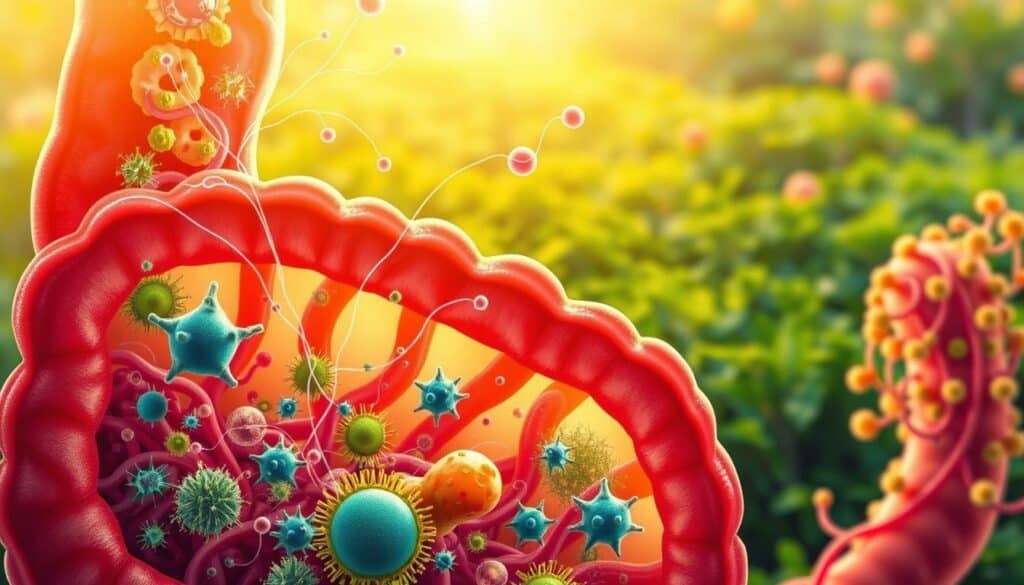
These supplements introduce good bacteria that compete for space and resources in the intestinal lining. By crowding out unwanted organisms, they reduce opportunities for overgrowth. Specific strains produce lactic acid, which naturally lowers pH levels to discourage colonization.
Research shows certain microbes strengthen the digestive tract lining, improving nutrient absorption and waste elimination. This dual action supports both internal health and external skin conditions. A balanced gut environment often correlates with fewer flare-ups in sensitive areas like ears and paws.
Properly administered supplements may help maintain this equilibrium long-term. Consistent use encourages diverse microbial populations, making it harder for single species to dominate. Combined with dietary adjustments, this approach addresses underlying causes rather than temporary symptoms.
Maintaining internal balance plays a pivotal role in keeping pets comfortable and active. Specially designed supplements work through two key pathways to promote wellness: fortifying natural defenses and optimizing nutrient processing.
These supplements increase populations of beneficial bacteria that interact directly with immune cells. Research shows certain strains activate white blood cell production, creating faster responses to potential threats. A 2022 veterinary study found pets using quality formulas had 40% fewer seasonal allergy symptoms.
Dr. Lisa Freeman notes: “A robust microbial community acts like a training ground for the immune system.” This biological teamwork helps identify harmful invaders early while tolerating harmless environmental triggers.
The digestive tract benefits through three primary actions:
High-quality dog food enhances these effects. Nutrient-dense meals paired with targeted supplements allow better absorption of proteins and fats. This synergy reduces digestive strain while supporting skin and coat health.
Balanced bacterial populations also produce short-chain fatty acids that nourish colon cells. These compounds help maintain regular bowel patterns and create an environment where harmful organisms struggle to establish colonies.
Finding the optimal microbial support requires careful consideration of species-specific needs. Animal nutritionists emphasize that products designed for humans often lack the strains and concentrations required for canine digestive systems.

Quality matters when picking a supplement. Look for these features in canine formulas:
| Key Feature | Why It Matters | Red Flags |
|---|---|---|
| Multiple bacterial strains | Supports diverse gut populations | Single-strain formulas |
| Survivability guarantee | Ensures live cultures reach intestines | No expiration date listed |
| Third-party testing | Verifies ingredient accuracy | Vague labeling |
The American Kennel Club recommends checking for prebiotic fibers like chicory root, which feed beneficial microbes. Avoid products with artificial additives or unnecessary vitamins that might upset sensitive stomachs.
Start with small amounts when introducing new foods or supplements to minimize digestive changes. Most powders mix easily with dog food, while chewables work well for treat-motivated pets.
Storage tips:
Consult your veterinarian about dosage adjustments based on weight and health history. Proper administration helps maintain balance without overwhelming your pet‘s system.
Quality formulas combine multiple components that work together like a biological orchestra. These carefully selected elements create environments where beneficial microbes thrive while discouraging unwanted growth.
Different bacterial varieties perform unique tasks. Lactobacillus rhamnosus supports skin health by strengthening protective barriers. Bifidobacterium animalis aids digestion and reduces inflammation. Research shows these strains:
Look for products containing 5-10 diverse strains with colony counts (CFU) between 3-6 billion. Higher numbers don’t always mean better results – balance matters most.
Smart formulas include special fibers that feed good bacteria. Fructooligosaccharides (FOS) and galactooligosaccharides (GOS) act like fertilizer for microbial colonies. Postbiotic blends from yeast fermentation provide ready-to-use compounds that:
| Prebiotic Benefits | Postbiotic Advantages |
|---|---|
| Support bacterial growth | Offer immediate immune support |
| Improve stool consistency | Reduce oxidative stress |
These synergistic ingredients help maintain balance between supplement doses. Always check labels for expiration dates and storage instructions to ensure maximum potency.
A pet’s daily meals do more than satisfy hunger – they shape internal defenses against common health challenges. The connection between nutrition and microbial balance in the digestive tract often determines vulnerability to recurring issues. Dr. Sarah Wooten, a veterinary nutritionist, states: “What goes into the bowl directly impacts the trillions of organisms working to keep animals healthy.”
Low-quality ingredients like fillers and artificial additives disrupt the delicate balance in a pet’s digestive system. Sudden food changes or high-carb diets create conditions where harmful organisms multiply rapidly. This imbalance weakens the immune system’s ability to regulate skin and ear environments.
| Dietary Risks | Microbiome Effects | Preventive Solutions |
|---|---|---|
| Processed treats | Reduced bacterial diversity | Whole-food snacks |
| Excessive grains | Increased inflammation | Limited ingredient diets |
| Inconsistent feeding | Digestive instability | Scheduled meal times |
Environmental and food sensitivities trigger immune responses that compromise skin barriers. These reactions create warm, moist areas where organisms flourish – particularly in ear canals and skin folds. Identifying triggers through elimination diets helps reduce flare-up frequency.
Three strategies support allergy management:
Consistent routines and high-quality nutrition work synergistically to maintain environmental stability. This approach helps animals build resilience against common irritants while supporting their natural defense systems.
The aftermath of antibiotic use often requires careful intervention to rebuild microbial communities. While these medications target harmful pathogens, they also reduce populations of beneficial organisms in a dog’s digestive tract. This imbalance creates opportunities for opportunistic species to thrive, particularly in warm, moist areas like ear canals.
Introducing quality supplements promptly after antibiotic therapy helps restore balance. Veterinary studies show that specific strains of good bacteria can repopulate the gut 30% faster when administered within 48 hours of treatment completion. Dr. Emily Parker emphasizes: “Timely microbial support strengthens a canine immune system’s ability to regulate itself.”
Continuing probiotic use for 4-6 weeks post-treatment maintains protective barriers against harmful bacteria. Key strategies include:
Research from the University of Veterinary Sciences indicates canine patients receiving ongoing microbial support experience 60% fewer recurrent infections compared to those without supplementation.
A thriving internal environment serves as the foundation for preventing common canine health challenges. Microbial balance plays a vital role in skin resilience, ear comfort, and digestive efficiency. When this equilibrium falters, targeted support becomes essential for restoring harmony.
Selecting science-backed supplements with diverse bacterial strains strengthens natural defenses against irritation. Pairing these with a balanced diet low in processed ingredients creates optimal conditions for long-term vitality. Dr. Attas emphasizes that “consistent care routines yield better results than reactive treatments.”
Pet owners should prioritize formulas containing prebiotic fibers and proven strains like Lactobacillus acidophilus. Regular veterinary check-ups help tailor approaches to individual needs while catching early warning signs. Combining quality nutrition, proper hygiene, and microbial support fosters robust immunity and skin health.
For those seeking natural solutions, consulting a trusted veterinarian about premium supplements offers a proactive path forward. Small daily choices – from meal plans to gut-friendly additives – collectively build a stronger foundation for furry family members.
Yes! Certain strains like Lactobacillus acidophilus can strengthen the immune system and balance the gut, which may reduce inflammation linked to chronic ear issues. Always pair supplements with vet-recommended treatments for best results.
High-carb or sugary foods can feed yeast. Look for limited-ingredient diets with prebiotic fibers like chicory root, and avoid fillers such as corn or wheat. Opt for proteins like salmon or turkey to support sensitive skin.
Most pets see improvements in digestion or skin health within 2–4 weeks. Consistency is key—daily doses help beneficial bacteria thrive. For severe cases, combining probiotics with dietary changes may speed up recovery.
Not always. Canine-specific formulas contain strains tailored to their digestive tract, such as Bifidobacterium animalis. Human products might lack proper potency or include additives unsafe for pets. Check labels for species-specific certifications.
Absolutely. Environmental or food allergies often weaken the skin barrier, making it easier for yeast to multiply. Probiotics paired with hypoallergenic diets or omega-3 supplements can address root causes and soothe itchy skin.
Yes, but space them 2–3 hours apart. Antibiotics can disrupt good bacteria, so probiotics help replenish the microbiome. Products with Saccharomyces boulardii are particularly effective for reducing antibiotic-related digestive upset.