
 11
11

Choosing the right protection for furry family members can feel overwhelming. With so many options available, it’s tough to know which policies truly deliver value. This guide simplifies the process by breaking down coverage details, costs, and unique benefits from trusted providers like ASPCA, Embrace, and Spot.
“Pet Insurance by Provider” means evaluating plans directly through companies rather than brokers. This approach helps owners compare deductibles, reimbursement rates, and add-ons like wellness care. For example, some providers cover alternative therapies, while others focus on accident-only policies.
This article reviews top-rated options using data from customer reviews and industry reports. Readers will learn how to balance monthly premiums with out-of-pocket costs and discover which plans include perks like 24/7 vet telehealth services. Real testimonials highlight what actual users love—or wish were different.
Navigating care plans for furry companions starts with understanding market leaders. Providers like ASPCA, Embrace, and Spot dominate due to customizable coverage, fast claim processing, and flexible deductibles. Third-party analyses from Forbes Advisor and Money.com highlight these brands for balancing affordability with robust benefits.
ASPCA stands out for covering pre-existing conditions after 180 symptom-free days, while Embrace offers diminishing deductibles for claim-free years. Spot allows unlimited annual payouts, ideal for chronic issues. Hartville impresses with 90% reimbursement options, and MetLife bundles discounts for multi-animal households.
| Provider | Customization | Reimbursement | Waiting Period |
|---|---|---|---|
| ASPCA | Wellness add-ons | 80-90% | 14 days |
| Embrace | Annual deductible | 70-90% | 48 hours |
| Spot | No payout limits | 90% | 14 days |
| MetLife | Multi-pet plans | 90% | 15 days |
Pets Best earns praise for its 24/7 telehealth service, scoring 4.7/5 on Trustpilot. However, some users note Hartville’s slower reimbursement times. Embrace maintains an A+ BBB rating, with clients citing “hassle-free claims” in recent surveys. These insights help identify which plans align with specific budgets and care needs.
Breaking down plan components simplifies decisions for animal caregivers. Policies typically focus on two main areas: immediate medical needs and preventive measures. Let’s explore what each entails.
This foundational protection handles unexpected events like broken bones, swallowed objects, or infections. Robust plans often cover diagnostics, surgeries, and medications. For example, treatments for allergies or cancer typically fall under this category.
“Emergency vet bills average $800-$1,500 per incident,” notes a 2024 Veterinary Care Foundation report. Comprehensive policies help offset these costs through customizable deductibles and reimbursement rates up to 90%.
Preventive packages supplement core policies with annual checkups, vaccinations, and dental cleanings. While not covering emergencies, these wellness riders help manage predictable expenses. A recent survey found owners save 40% on routine visits with add-ons.
| Coverage Type | What’s Included | Typical Cost |
|---|---|---|
| Accident & Illness | X-rays, hospital stays | $30-$70/month |
| Wellness Add-ons | Flea prevention, bloodwork | +$10-$25/month |
Eligibility varies by provider. Most require enrollment before age 14 for dogs and 16 for cats. Some exclude pre-existing conditions but cover new diagnoses after waiting periods.
Selecting the ideal coverage means diving into the specifics of each plan. Providers differ in deductible ranges, reimbursement levels, and annual limits. Customizing these elements helps owners balance costs with protection.
Leading companies let owners adjust deductibles from $50 to $1,000 annually. For example, Pets Best offers 70%, 80%, or 90% reimbursement based on budget preferences. Others like MetLife provide bundled plans for households with multiple animals.
Wellness riders often include dental cleanings or flea prevention. These add-ons typically cost $10-$25 monthly but reduce out-of-pocket expenses for routine care. Tailoring coverage ensures policies align with a pet’s age, breed risks, and owner priorities.
ASPCA stands out with direct vet payments, reducing upfront costs during emergencies. Embrace lowers deductibles by $50 yearly for claim-free pets. Spot remains the only major provider with no annual payout caps, ideal for chronic conditions.
| Company | Deductible Choices | Reimbursement | Special Feature |
|---|---|---|---|
| Pets Best | $50-$1,000 | 70-90% | 24/7 telehealth |
| MetLife | $100-$1,000 | 90% | Multi-pet discount |
| ASPCA | $100-$500 | 80-90% | Alternative therapy |
| Spot | $100-$1,000 | 90% | Unlimited claims |
Owners with senior pets often prioritize lower waiting periods. Those focused on holistic care might choose plans covering acupuncture or chiropractic treatments. These nuanced differences highlight why comparing details matters.
Budgeting for animal companions starts with understanding how monthly costs and deductibles work together. Prices vary widely between providers, with age, breed, and location playing key roles. A 2024 survey found premiums for mixed-breed dogs range from $28 to $65 monthly, while cats average $15-$40.
For a 2-year-old medium-sized dog, ASPCA charges $36/month with a $500 deductible. Embrace offers $42/month at a $300 deductible, while Spot’s unlimited coverage runs $48. Higher deductibles lower premiums—Hartville’s $1,000 deductible plan costs just $28 monthly.
| Provider | Sample Rate | Deductible |
|---|---|---|
| ASPCA | $36 | $500 |
| Pets Best | $39 | $250 |
| MetLife | $45 | $200 |
| Spot | $48 | $100 |
Domestic shorthair cats see lower costs. Hartville leads at $15/month ($750 deductible), while MetLife charges $22 for $250 deductibles. “Cats typically cost 40% less than dogs,” notes a recent coverage comparison report.
| Provider | Sample Rate | Deductible |
|---|---|---|
| Hartville | $15 | $750 |
| Embrace | $18 | $500 |
| ASPCA | $20 | $300 |
| Spot | $25 | $200 |
Urban areas often see 15-20% higher rates than rural zones. Annual limits also matter—Spot’s unlimited plans cost more upfront but prevent surprise costs. Balancing these factors helps owners find cost-effective protection without compromising care quality.
Getting the most from coverage requires understanding how reimbursement rates and claim systems work. These factors directly impact out-of-pocket expenses during emergencies or routine treatments.

Some providers, like ASPCA, offer direct payments to clinics. This feature lets owners avoid upfront costs during emergencies. However, only 35% of veterinarians accept this method nationwide, according to 2024 industry data.
“I saved $1,200 on my dog’s surgery because ASPCA handled the payment instantly,” shares a Colorado-based policyholder. While convenient, these plans often require pre-authorization and may exclude certain clinics.
Filing claims involves three steps:
Providers like Embrace process 90% of claims within 10 days. A $800 emergency visit with 80% reimbursement leaves $160 in owner expenses. Always double-check diagnostic codes to prevent delays.
| Provider | Average Processing Time | Common Reimbursement Rate |
|---|---|---|
| Spot | 7 days | 90% |
| Pets Best | 10 days | 80% |
| Hartville | 14 days | 70% |
Keep digital copies of all medical records. Uploading documents within 48 hours of treatment speeds up approvals. Remember, reimbursement amounts depend on your chosen rate and annual deductible.
Understanding policy timelines helps owners avoid surprises when care is needed most. These waiting periods—the time between enrollment and coverage activation—vary by provider and condition type. Clear timelines ensure fair risk management while letting families prepare financially.
Most plans activate accident coverage fastest. Hartville and Healthy Paws start protection after 14 days for injuries like fractures or poisonings. This short window balances immediate needs with provider safeguards. Quick activation matters—30% of emergency vet visits involve accidents, per 2024 veterinary data.
Illness coverage often requires longer waits. Chronic conditions like diabetes typically need 30 days. Orthopedic issues—hip dysplasia, ligament tears—face 6-month waits at many companies. However, Healthy Paws reduces this to 14 days if a vet certifies joint health at enrollment.
Key exceptions to know:
| Provider | Accident Wait | Illness Wait | Orthopedic Wait |
|---|---|---|---|
| Hartville | 14 days | 14 days | 14 days |
| Healthy Paws | 15 days | 15 days | 6 months* |
| Spot | 14 days | 30 days | 6 months |
*Reduced to 14 days with vet exam. Always confirm details directly with providers, as 20% update terms annually. Transparent companies outline these timelines in bold text within policy documents—look for this clarity when comparing options.
Vet visits often come with hidden costs that surprise many owners. Exam fees—charges for consultations and diagnostic assessments—account for 15-20% of typical vet bills. These costs add up quickly, especially during emergencies or routine check-ups.
Some providers include exam fee reimbursement in standard policies. ASPCA reimburses up to $250 annually for injury-related exams, while Embrace offers it as an add-on. Spot covers fees for both accidents and illnesses, a rare feature among competitors.
Preventive care packages often complement these benefits. A 2024 survey by Pawlicy Advisor found 62% of plans with wellness riders cover:
| Provider | Exam Fee Coverage | Preventive Add-ons | Average Cost |
|---|---|---|---|
| ASPCA | $250/year | Dental, vaccines | +$18/month |
| Embrace | Add-on option | Flea prevention | +$12/month |
| Spot | Full reimbursement | None | Included |
| Hartville | $100/visit | Wellness exams | +$15/month |
Owners save $200-$400 yearly by including these features. “Comprehensive plans reduce out-of-pocket costs by 37% on average,” states a recent PetCare Financial report. Always review policy exclusions—some providers limit fee coverage to specific conditions.
To maximize benefits:
Transparency matters. Reputable companies clearly outline covered fees in their benefit schedules, avoiding vague terms like “miscellaneous charges.”
Modern care plans now extend beyond traditional treatments, offering innovative solutions for holistic health. Many policies include options like acupuncture or anxiety management, addressing both physical and emotional needs. This expanded focus helps animals recover faster and maintain long-term wellness.
Non-traditional methods like chiropractic adjustments and hydrotherapy are gaining traction. These approaches help manage chronic pain or mobility issues, often with fewer side effects than medications. ASPCA, for example, covers acupuncture as part of its standard plan—a boon for aging pets with arthritis.
Benefits of these therapies include:
Some plans now address anxiety, aggression, or compulsive behaviors through licensed specialists. Sessions might focus on training techniques or environmental modifications. While not all policies include this, add-ons are available for households with high-energy breeds or rescue animals.
| Provider | Alternative Therapies | Behavioral Support | Included As |
|---|---|---|---|
| ASPCA | Acupuncture, Chiropractic | Yes | Standard |
| Embrace | Hydrotherapy | Add-on | Extra Cost |
| Spot | None | Add-on | Optional |
Owners should verify whether treatments require pre-approval or have session limits. A 2024 survey found 42% of policyholders didn’t realize their plan excluded certain therapies until claims were denied. Always review benefit schedules to avoid surprises.
Combining traditional and alternative care can enhance overall value. For instance, pairing physical rehab with behavioral training might address both hip dysplasia and related anxiety issues. These layered approaches create tailored solutions for unique health challenges.
Saving on care costs becomes easier when exploring available discounts. Many companies reward owners for insuring multiple animals or partnering with specific groups. These reductions help families manage expenses while keeping companions healthy.
Households with several animals often qualify for bundled savings. MetLife offers 10% off premiums for each additional cat or dog. Similarly, ASPCA provides 5-15% discounts based on total pets covered. These deals make comprehensive care more accessible for multi-animal homes.
Employer partnerships unlock extra perks. Companies like Nationwide partner with 30% of Fortune 500 businesses to offer discounted rates. Military members save up to 15% through USAA affiliations. Always ask HR about workplace programs—many go unused.
| Provider | Discount Type | Savings |
|---|---|---|
| Hartville | Multi-pet | 5% per animal |
| Embrace | Military | 10% |
| Spot | Annual pay | 5% |
| Pets Best | Affinity groups | 8-12% |
Loyalty rewards add long-term value. Some insurers lower deductibles by $50 yearly for renewing customers. Others reduce premiums after claim-free periods. Combining discounts can cut costs by 25%—ask providers about stacking options during enrollment.
To maximize savings:
Modern protection plans aren’t just about financial safety nets—they’re about peace of mind. Providers now prioritize round-the-clock support and digital tools to simplify care management. This shift transforms how families handle emergencies and everyday health questions.
A 24/7 vet helpline lets owners consult professionals during midnight emergencies or holiday crises. One policyholder shared: “The telehealth team guided me through my dog’s allergic reaction at 3 AM—no ER visit needed.” These services reduce guesswork, offering instant advice on symptoms, first aid, and treatment options.
Leading companies integrate these features seamlessly with traditional coverage. For example:
| Provider | Telehealth Features | Average Response Time | Customer Rating |
|---|---|---|---|
| Embrace | Video calls, chat | Under 2 minutes | 4.8/5 |
| ASPCA | Phone support | 5 minutes | 4.5/5 |
| Pets Best | App messaging | 15 minutes | 4.6/5 |
| Spot | Email consults | 1 hour | 4.2/5 |
Digital tools also streamline claims and policy updates. Over 75% of users in a 2024 survey preferred managing plans through mobile apps versus phone calls. Faster processing times—like Spot’s 7-day claims—boost satisfaction by reducing financial stress during recoveries.
Continuous access to experts ensures pets receive timely care, whether for a limp or sudden fever. As one customer noted: “Knowing help is a click away makes all the difference during panic moments.” These services reinforce why comprehensive plans prioritize both coverage and support.
Digital tools are reshaping how families safeguard their furry friends. From instant quotes to app-based claims, modern platforms simplify every step. This shift aligns with the digital transformation in pet insurance, where user-friendly interfaces replace lengthy paperwork.
Getting personalized estimates now takes minutes instead of days. Leading companies like Embrace and Spot offer real-time pricing calculators that adjust rates based on breed, age, and location. These systems let owners compare plans side by side before committing.
Mobile apps take convenience further. Policyholders can submit vet bills through their phones, track reimbursements, or chat with support teams. “I filed a claim during my dog’s vet visit—payment arrived before we left,” shares a Pets Best user. Features like digital ID cards and renewal reminders keep everything organized.
| Provider | Online Quotes | App Features | Live Chat |
|---|---|---|---|
| Embrace | Instant | Claims upload | 24/7 |
| ASPCA | 3-step process | Policy updates | Business hours |
| Pets Best | Customizable | Telehealth access | Email only |
| Spot | Side-by-side | Payment tracking | Chatbot |
Responsive digital services reduce frustration during emergencies. Companies with fast chat support resolve issues 40% quicker, according to J.D. Power surveys. Smooth experiences build trust—a key factor when selecting coverage.
Planning ahead for your furry friend’s healthcare needs means staying informed about upcoming changes in coverage costs. Industry reports show average premiums could rise 17% in 2025, with some companies projecting steeper hikes. Understanding these trends helps owners secure better deals before adjustments take effect.
Rising veterinary care expenses and higher claim volumes drive premium adjustments. Forbes Advisor notes Healthy Paws plans may jump 22% next year, while ASPCA expects a 15% increase. Older animals and certain breeds often face larger hikes due to higher risk profiles.
| Provider | 2024 Average Rate | 2025 Projected | Increase |
|---|---|---|---|
| Healthy Paws | $48/month | $58/month | 22% |
| ASPCA | $42/month | $48/month | 15% |
| Embrace | $45/month | $53/month | 18% |
| Spot | $50/month | $57/month | 14% |
Locking in current rates now can save $100+ annually over five years. Some companies let owners freeze premiums by prepaying or switching to multi-year plans. Embrace offers a 10% discount for automatic renewals before November 2024.
Key renewal considerations include:
Long-term savings come from balancing upfront costs with future projections. A 2025 policy costing $55/month grows to $3,300 over five years—17% higher than 2024 rates. Staying proactive ensures families maintain quality care without budget surprises.
Finding the perfect protection plan requires matching policies to your companion’s unique needs and household budget. Consider these factors to avoid overpaying or missing critical coverage.
Start by evaluating your animal’s breed risks and age. Large dogs like German Shepherds often need joint coverage, while flat-faced breeds require respiratory condition protection. Household income and deductible preferences also play roles—plans with 90% reimbursement cost more monthly but reduce out-of-pocket expenses.
“Our policy covered $2,800 in hip dysplasia treatments for our German Shepherd—without it, we’d have drained our savings.”
Certain breeds face higher health risks. Bulldogs often need allergy or skin infection coverage, while Persian cats require eye care benefits. Always verify if policies exclude hereditary conditions common to your companion’s breed.
| Breed | Common Risks | Recommended Coverage | Sample Providers |
|---|---|---|---|
| German Shepherd | Hip dysplasia | Orthopedic care | Embrace, Spot |
| Bulldog | Respiratory issues | Chronic condition plans | ASPCA, Hartville |
| Persian Cat | Eye conditions | Specialist visits | Pets Best |
| Siamese Cat | Dental disease | Wellness add-ons | MetLife |
Use this checklist when comparing plans:
Understanding coverage tiers helps owners match policies to their companion’s health risks. Comprehensive plans and accident-only options form the foundation of most offerings, each serving distinct needs. Let’s break down their features to clarify which aligns with your priorities.
Comprehensive policies cover accidents, illnesses, and often include wellness add-ons. These plans reimburse treatments like cancer therapies, infections, or swallowed objects. ASPCA’s package even covers alternative therapies like acupuncture, while Pets Best includes 24/7 telehealth consultations.
Accident-only plans focus solely on emergencies—broken bones, poisonings, or cuts. They cost 40-60% less monthly but exclude chronic conditions. For example, a $1,200 fracture surgery might get 90% reimbursement, while diabetes management wouldn’t qualify.
| Feature | Comprehensive Plan | Accident-Only |
|---|---|---|
| Covered Events | Accidents + Illnesses | Injuries Only |
| Wellness Add-ons | Available | No |
| Avg. Monthly Cost | $45-$70 | $15-$30 |
| Best For | Chronic Conditions | Young, Healthy Animals |
Real-life claims show the difference. A Pets Best policyholder received $2,800 for their dog’s lymphoma treatment under a comprehensive plan. Conversely, an accident-only user got $900 reimbursed for a cat’s leg fracture but paid out-of-pocket for a subsequent ear infection.
Choosing tips:
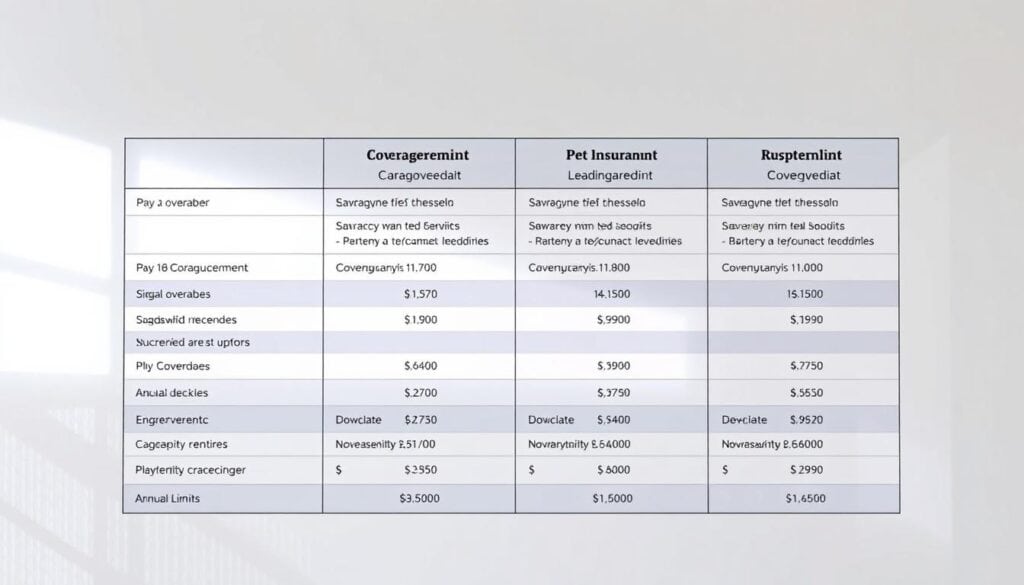
Navigating policy options requires a clear roadmap. A structured approach helps avoid overlooked exclusions and ensures apples-to-apples comparisons. Start by gathering quotes from at least three providers, focusing on these key elements:
First, examine annual payout limits. Some plans cap reimbursements at $5,000 yearly, while others offer unlimited coverage. Next, compare deductible structures—lower deductibles mean higher premiums but less upfront cost during claims.
Forbes Advisor recommends this checklist:
| Factor | What to Compare | Red Flags |
|---|---|---|
| Exclusions | Pre-existing conditions, breed-specific issues | Vague wording like “miscellaneous fees” |
| Renewal Terms | Premium increase history | No multi-pet discounts |
| Claim Process | Average approval time | Paper-only submissions |
Finally, cross-reference policy documents with third-party reviews. Trustpilot scores and BBB ratings reveal real-world experiences with claim denials or delays. Balancing robust coverage with affordable premiums becomes easier when using methodical comparisons.
Determining the true value of a policy goes beyond monthly premiums. Hidden perks like prescription diet coverage or behavioral therapy reimbursements often tip the scales. For example, Embrace reimburses up to $500 annually for anxiety treatments, while ASPCA covers specialty foods for chronic conditions.
Long-term savings emerge from these extras. A 2024 analysis found policies with wellness riders saved owners $620 yearly on average. Consider this breakdown for top providers:
| Provider | Unique Benefit | Annual Savings Potential |
|---|---|---|
| Embrace | Behavioral therapy | $400+ |
| ASPCA | Prescription diets | $300 |
| Spot | End-of-life care | $250 |
| Hartville | Grooming for skin conditions | $180 |
Claims support quality directly impacts worth. Providers with 24/7 helplines and app-based submissions resolve issues 30% faster. One user shared: “Spot paid my $1,200 ER bill in 5 days—that reliability justified the cost.”
Future rate hikes matter too. Companies projecting below-average increases (under 15% for 2025) often provide better long-term value. Always compare renewal terms and multi-pet discounts during enrollment.
To decide if coverage justifies expenses:
Securing the best care for furry companions requires balancing coverage details, costs, and provider perks. This guide’s data-driven comparisons—from reimbursement rates to telehealth services—highlight how small differences in policies create big impacts on care quality and expenses.
Key takeaways emphasize evaluating deductibles, breed-specific risks, and wellness add-ons. Customer testimonials reveal real-world benefits like faster claims processing or alternative therapy coverage. These insights help families prioritize what matters most for their animal’s health journey.
Armed with checklists and rate comparisons, owners can confidently navigate options. Remember: thorough research today prevents financial stress tomorrow. Quality protection isn’t just about emergencies—it’s about ensuring a long, vibrant life for those who enrich our homes.
Let this resource empower decisions that align with both budget and care goals. When policies match unique needs, every wagging tail or purring companion reaps the rewards.
Most plans cover unexpected vet bills for injuries, surgeries, or illnesses like infections. Some providers, like Healthy Paws, also include hereditary conditions. Always check for exclusions like pre-existing issues.
Wellness plans cover routine care, such as vaccines or dental cleanings. Companies like Nationwide offer these as optional upgrades. Review your pet’s needs and compare annual costs to decide if it’s cost-effective.
Higher reimbursement rates (e.g., 90% with Trupanion) mean lower out-of-pocket costs after deductibles. However, plans with flexible rates, like ASPCA, may offer budget-friendly options for varying budgets.
Yes. Accident coverage often starts within days, but orthopedic conditions might require 6-month waits. Embrace has shorter illness waiting periods compared to providers like Pets Best, which has customizable options.
Some insurers, like Figo, include exam fees for accidents or illnesses. Others, like Lemonade, offer it as an add-on. Review plan details to confirm if these fees count toward deductibles.
Providers like Hartville include acupuncture or chiropractic care in higher-tier plans. Check policy documents for specifics, as coverage varies widely between companies.
Companies like Spot offer 10% discounts for insuring additional pets. Employers may also provide group rates through partnerships with insurers like MetLife.
Premiums often rise as pets age or due to inflation. Providers like Trupanion offer lifetime rate locks for specific conditions, while others adjust annually based on claims history.
Many insurers, including Embrace, cover hereditary issues common in breeds like hip dysplasia for dogs. Confirm with the provider, as some exclude these unless noted in the policy.
Companies like Pumpkin include 24/7 vet helplines in their plans. However, virtual visits might require separate fees unless specifically listed as a covered benefit.