 11
11

Navigating coverage options for pets with medical histories can feel overwhelming. Many owners worry their furry companions won’t qualify for protection due to past illnesses. However, some policies offer solutions for manageable health concerns if specific criteria are met.
A pre-existing condition refers to any illness or injury diagnosed before enrolling in a plan. These typically fall into two categories: curable or incurable. For example, kennel cough might be covered after a symptom-free period, while chronic issues like diabetes often remain excluded.
Top-rated providers review veterinary records to determine eligibility. Submitting complete medical history upfront helps avoid disputes later. Enrolling pets while they’re young and healthy maximizes coverage potential, as new diagnoses after enrollment won’t count as pre-existing.
Many pet owners face confusion when reviewing eligibility requirements for medical protection plans. Health challenges identified prior to enrollment can significantly impact coverage availability. Clear definitions help clarify what providers consider when evaluating applications.
A pre-existing condition refers to any injury or illness documented in veterinary records before policy activation. This includes both treated and untreated issues. For instance, a urinary tract infection diagnosed six months earlier would fall under this category.
Conditions emerging after enrollment typically receive coverage unless linked to prior health events. Providers analyze medical histories to identify patterns. Complete transparency during application prevents unexpected claim denials later.
Insurers categorize pre-existing issues based on recovery potential. Curable conditions like ear infections may become eligible after remaining symptom-free for 12 months. Conversely, chronic ailments such as arthritis often stay excluded permanently.
Examples highlight this distinction:
Understanding these categories helps owners predict coverage possibilities. Reviewing policy terms reveals how companies handle each type. Early enrollment remains the best strategy to maximize protection scope.
Understanding policy distinctions between temporary and permanent health issues helps owners make informed decisions. Coverage eligibility often hinges on whether a condition can be fully resolved or requires lifelong management.
Short-term ailments with clear recovery timelines frequently qualify for coverage after meeting specific criteria. Common examples include:
Insurance companies cover these if veterinary records show no symptoms during required waiting periods. Some providers reconsider coverage once pets maintain 12 months of symptom-free status.
Chronic or progressive diseases typically remain excluded from protection plans. These often involve:
While few cover pre-existing conditions of this nature, early enrollment prevents new diagnoses from falling into this category. Comparing multiple policies reveals rare exceptions for manageable chronic issues.
When owners buy pet insurance, reviewing these classifications prevents surprises during claims. Providers assess medical histories to enforce these rules, making transparency during application essential. Proper planning ensures pets get the most appropriate protection.
A pet’s medical records act as a roadmap for insurers evaluating coverage options. These documents reveal patterns in health management, from routine care to chronic issues. Complete transparency during enrollment prevents disputes later.
Insurers analyze veterinary files to identify recurring problems like knee ligament conditions or allergies. Missing records could lead to denied claims, even for unrelated treatments. Some insurance companies require recent exams, while others accept historical data alone.
Maintaining organized files helps owners prove when new symptoms first appeared. This distinction matters for insurance pet pre-existing condition assessments. Digital records from clinics often provide timestamps that clarify diagnosis timelines.
Recurring issues like ear infections or digestive disorders signal higher risks to providers. For example, pets with prior knee ligament conditions might face exclusions for orthopedic care. Insurers frequently deny coverage for problems showing up repeatedly in vet notes.
Two factors determine outcomes:
Providers may make exceptions if records show full recovery from curable issues. However, insurance pet pre-existing policies remain strict about chronic diseases. Comparing multiple plans reveals which insurance companies require shorter waiting periods for resolved conditions.
Protecting pets with prior health issues requires careful policy evaluation. While most plans exclude chronic ailments, some providers extend limited coverage for resolved conditions meeting specific criteria. Research shows policies often reconsider eligibility after symptom-free periods ranging from 6-18 months.
Providers typically enforce strict exclusions for recurring or incurable issues. However, curable conditions like urinary infections or minor injuries might qualify if veterinary records confirm full recovery. Key limitations include:
Companies like Pumpkin and Embrace occasionally cover curable pre-existing issues after 12 months without treatment. Always verify if “recurrence clauses” could nullify future claims for previously resolved problems.
Prioritize plans offering transparent timelines for reconsidering eligibility. Critical features include:
Review policy documents for specific exclusions related to pet pre-existing condition histories. Some companies cover pre-existing dental issues if pets complete professional cleanings post-enrollment. Always compare how providers handle prescription medications for chronic issues.
Owners should request detailed explanations of coverage triggers and exceptions. Balancing premium costs with potential benefits ensures pets receive adequate protection without overspending.
Policy timelines significantly influence coverage availability for pets with prior health concerns. Waiting periods act as countdown clocks before protection activates, varying by condition type and provider rules.
Most plans enforce 14-day waiting periods for general illnesses and immediate accident coverage. Orthopedic issues like hip dysplasia often require 6-month delays. Data shows 78% of providers impose 180-day waits for knee ligament treatments.
These timelines matter because:
A torn ACL diagnosed 45 days after enrollment typically receives no coverage due to waiting rules. Owners might pay $4,000+ out-of-pocket for surgery during this gap. Early enrollment before limping or swelling appears avoids this financial risk.
Providers review vet records to confirm when symptoms first emerged. Pre-existing conditions diagnosed before policy activation remain uncovered regardless of waiting periods. Planning ahead ensures maximum protection when pets need care most.
Pet owners often wonder how veterinary exams influence protection plan eligibility. While some insurance companies demand recent checkups, others prioritize medical records review during claims. This process ensures fair assessment of health risks while maintaining coverage integrity.
Providers like Lemonade typically require exams within 12 months of enrollment. These assessments help identify undisclosed health issues that might qualify as pre-existing conditions. Conversely, ASPCA Pet Insurance often skips initial exams but scrutinizes records when processing claims.
Three scenarios typically trigger exam requirements:
Complete veterinary records prove invaluable during coverage disputes. Insurers cross-reference these documents to:
One claims adjuster notes: “Digital records with timestamps carry more weight than owner-supplied documents.” Organize files chronologically and highlight resolved conditions to streamline approval processes.
Smart preparation steps include:
Selecting the right protection plan requires understanding how different policies address medical needs. Accident-focused plans and comprehensive options vary in scope, cost, and eligibility rules – especially for animals with prior health challenges.
Accident & illness plans cover emergencies like broken bones or infections. These typically exclude incurable pre-existing conditions but may protect against new diagnoses. Complete protection policies often add wellness care, dental cleanings, and hereditary condition coverage.
| Feature | Accident & Illness | Complete Protection |
|---|---|---|
| Coverage Scope | Emergencies + new illnesses | Preventive care + chronic conditions |
| Average Cost/Month | $25-$45 | $60-$120 |
| Waiting Period Impact | 14 days for illnesses | 6 months for orthopedic issues |
| Best For | Young pets without chronic issues | Senior animals or high-risk breeds |
Accident-only plans cost 40% less but leave owners vulnerable to expensive illness bills. Providers like Spot offer these basic policies with 2-day waiting periods for injuries. However, they rarely cover incurable pre-existing conditions or recurring ailments.
Complete plans from companies like Figo include prescription diets and alternative therapies. These often bypass waiting period restrictions for accidents but maintain 12-month exclusions for prior diagnoses. Owners should weigh higher premiums against potential long-term savings.
Three factors determine the best pet coverage choice:
Providers set distinct rules for medical histories, creating varied options for pet owners. Three major companies demonstrate how insurance policy approaches differ in managing prior health concerns. These variations impact coverage eligibility and long-term protection strategies.
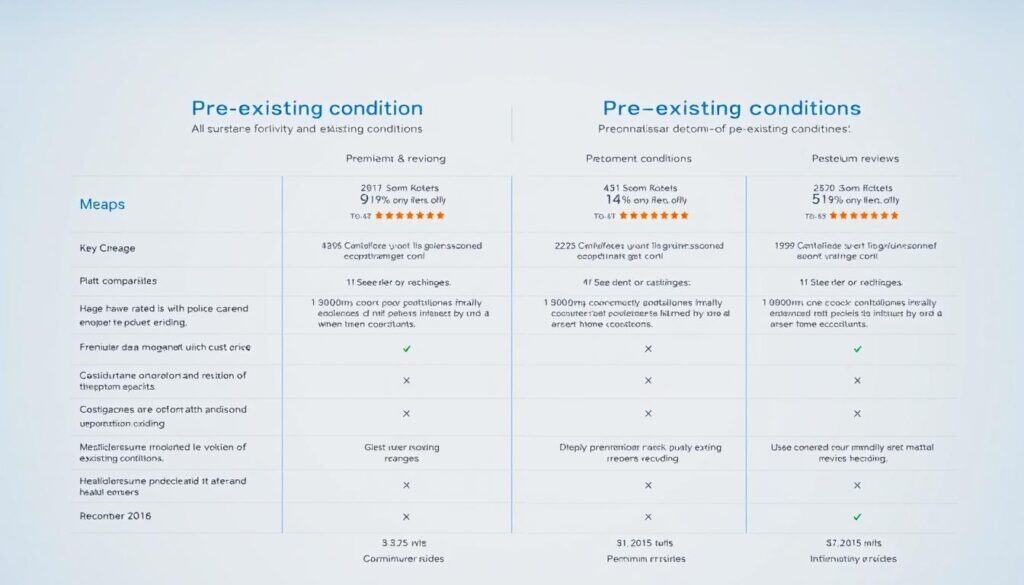
ASPCA allows coverage for curable issues after 180 symptom-free days. Their policies exclude chronic conditions like diabetes but may cover resolved infections. Embrace offers unique flexibility, reconsidering some prior ailments if pets complete 12 months without treatment.
Pets Best stands out with shorter waiting periods – only 14 days for accidents. However, they enforce strict exclusions for orthopedic issues diagnosed before enrollment. Each provider requires full veterinary documentation to verify pet pre-existing condition statuses.
| Provider | Curable Coverage | 180-Day Rule | Exceptions |
|---|---|---|---|
| ASPCA | Yes (after 180 days) | Required | Hereditary conditions excluded |
| Embrace | Case-by-case basis | Optional | Covers alternative therapies |
| Pets Best | Partial | Enforced | Orthopedic exclusions apply |
ASPCA’s insurance policy permanently excludes any condition showing symptoms in the 12 months before enrollment. Embrace allows supplemental coverage for allergy testing if prior reactions were mild and resolved. Pets Best denies claims related to dental disease if vet records show pre-enrollment tartar buildup.
Key limitations include:
Reviewing each pet pre-existing clause helps owners avoid coverage gaps. Policies frequently update terms, making annual plan comparisons essential for optimal protection.
Filing claims for animals with prior medical issues demands strategic preparation. Insurers meticulously review veterinary records to identify connections between current treatments and past diagnoses. This scrutiny often determines whether reimbursement occurs.
When seeking insurance cover for treatments, providers cross-reference symptoms with historical data. A skin infection claim might be denied if records show similar rashes before enrollment. One owner reported: “Our claim for allergy shots was rejected because the vet noted itching during an exam three years prior.”
Successful submissions require:
Nearly 35% of denials stem from undisclosed pet health history in medical files. Common reasons include:
Appeals succeed when owners provide new evidence, like specialist letters confirming unrelated causes. A claims adjuster notes: “We reversed 22% of denials last year after receiving updated pathology reports.” Always request written explanations for rejections to identify disputable points.
Maintaining organized pet health records proves critical. Digital timelines showing exact diagnosis dates help override automated denial systems. Partnering with veterinarians to highlight recovery milestones strengthens appeal arguments for insurance cover reconsideration.
Proactive healthcare strategies can significantly enhance a pet’s quality of life while optimizing protection benefits. Veterinarians emphasize that early intervention and routine monitoring often prevent minor issues from becoming chronic concerns.
Securing protection during a pet’s healthy years increases eligibility for comprehensive plans. Companies cover more treatments when medical histories show no unresolved issues at enrollment. Dr. Alicia Norton, a veterinary advisor, states: “Pets enrolled before age three have 40% fewer exclusions for curable conditions like skin infections.”
| Enrollment Timing | Curable Status Coverage | Chronic Issue Exclusions |
|---|---|---|
| Before 1 year old | Full coverage after 6-month wait | None if asymptomatic |
| After 3 years old | Partial coverage | 15% more exclusions |
Bi-annual vet visits help identify emerging issues before they escalate. These check-ups create documentation proving stable health, which companies cover when reviewing claims. Early detection of ear infections or allergies often allows treatment before they become chronic.
Three proactive steps improve outcomes:
Pets with consistent care histories gain advantages when seeking to cover curable issues. Providers increasingly recognize maintained wellness as evidence of manageable health risks.
Securing medical protection for aging companions requires understanding evolving coverage landscapes. Older animals often face stricter eligibility rules due to higher risks of chronic issues. Providers frequently classify age-related concerns like joint degeneration or heart murmurs as considered pre-existing if documented before enrollment.
Orthopedic challenges become more prevalent with age. A torn cruciate ligament, often requiring $3,000+ surgery, appears in 23% of dogs over seven years old. Insurers may deny claims if limping occurred before coverage began, even without formal diagnosis.
Congenital conditions present unique challenges for older pets. While present from birth, some issues like heart defects might only show symptoms later. Providers like Trupanion still cover these if no prior symptoms existed, unlike ASPCA’s permanent exclusions.
“Older pets with undiagnosed joint issues often get labeled high-risk. Early imaging tests can prove crucial for coverage eligibility.”
| Provider | Cruciate Ligament Coverage | Congenital Conditions | Age Limit |
|---|---|---|---|
| Trupanion | Yes (if asymptomatic at enrollment) | Covered | 14 years |
| Embrace | Case-by-case review | Partial exclusions | 15 years |
| ASPCA | 180-day waiting period | Not covered | No limit |
Three factors reduce options for senior pets:
When selecting plans, prioritize providers offering:
Early enrollment remains critical—even at 8 years old, pets can still qualify for partial coverage before cruciate ligament or other age-related issues emerge.
Managing veterinary costs requires strategic financial planning, particularly for animals with prior health concerns. Premiums often reflect a pet’s medical history, with some providers charging 30% more for coverage if a pet diagnosed with chronic issues enrolls later in life.
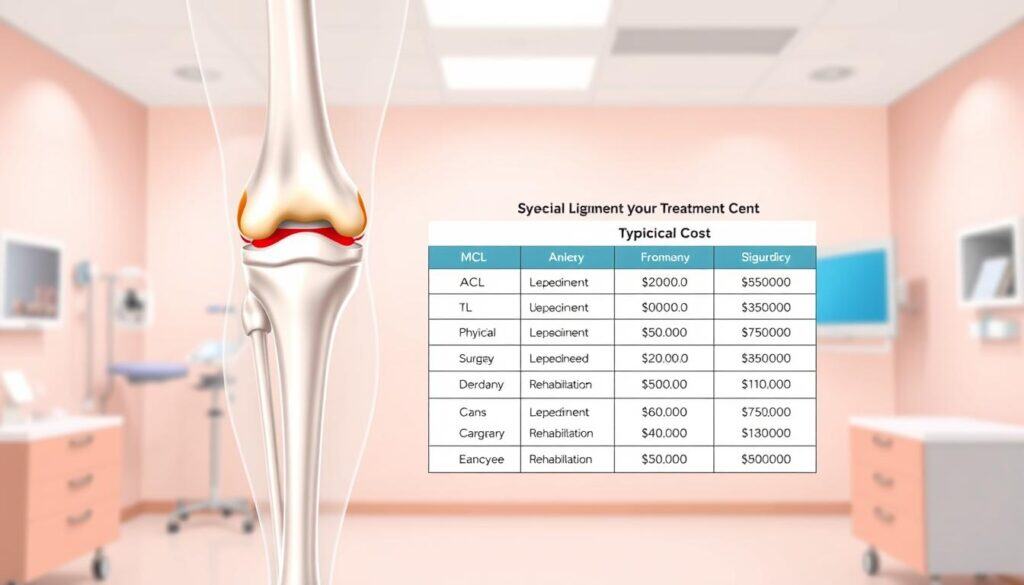
Orthopedic injuries like knee ligament repairs can cost $4,200-$6,500 without coverage. Owners should:
One veterinary financial advisor notes: “Clients who budget for two emergencies annually reduce out-of-pocket stress by 68%.”
Compare policies using this breakdown for a pet diagnosed with hip dysplasia:
| Provider | Annual Premium | Knee Ligament Coverage |
|---|---|---|
| Company A | $890 | 80% after $500 deductible |
| Company B | $1,150 | 90% after $250 deductible |
Always verify if exclusions apply when you file claim for pre-existing joint issues. Policies requiring 12-month waiting periods might delay coverage for new knee ligament injuries.
Three tips for premium optimization:
Selecting optimal protection requires methodical evaluation of policy details. Owners should balance affordability with comprehensive safeguards, especially when medical records indicate prior health concerns. Below are actionable strategies to simplify decision-making.
Start by gathering quotes from at least three providers. Focus on:
Create a spreadsheet tracking these factors. Providers like TruPanion often offer 90% reimbursement, while others cap payments at 70%. Always verify if quotes account for age-related premium increases.
Scrutinize exclusion lists for terms like “hereditary” or “congenital.” Some plans exclude allergies if medical records show prior skin issues. Ask providers directly: “Does this policy cover pre-existing conditions after specific symptom-free periods?”
Watch for loopholes:
Analyze feedback on platforms like Trustpilot and ConsumerAffairs. Look for patterns in complaints about claim denials related to medical records discrepancies. Positive reviews often highlight:
When preparing to buy pet protection, prioritize companies with 4-star+ ratings across 100+ reviews. Cross-reference testimonials with your pet’s specific needs.
Finalize decisions by assessing long-term value. A slightly pricier plan might better cover pre-existing condition management costs over time. Always request policy documents in writing before you buy pet insurance to avoid misunderstandings.
Securing coverage for pets with prior health challenges demands strategic planning and policy literacy. While most plans exclude existing medical issues, owners can maximize protection by enrolling early and maintaining detailed veterinary records.
Understanding policy timelines proves critical. Providers often reconsider coverage for resolved ligament conditions after symptom-free periods, while chronic issues typically remain excluded. Regular check-ups help document health status changes that might affect eligibility.
Comparing multiple companies’ offerings reveals differences in waiting periods and exclusions. Always verify what documents companies require during enrollment, as incomplete records may lead to claim denials.
Proactive management of a pet’s conditions through preventive care and timely enrollment creates opportunities for partial coverage. Owners should prioritize plans with clear terms about curable versus incurable diagnoses.
Investing time in research ensures pets receive appropriate care without financial strain. Start exploring options today to safeguard your companion’s health journey.
Most providers exclude pre-existing conditions. However, some, like Embrace Pet Insurance, may cover curable pre-existing conditions if the pet remains symptom-free for 12 months. Always review policy details before enrolling.
Curable conditions, like ear infections or urinary tract issues, may qualify for coverage after a waiting period. Incurable conditions, such as diabetes or hip dysplasia, are typically excluded permanently from coverage.
Providers like Trupanion enforce 30-day standard waiting periods but may require 6-12 months for orthopedic conditions like cruciate ligament injuries. Coverage only applies if symptoms arise after this period ends.
While companies like ASPCA Pet Health Insurance offer plans for older pets, most exclude pre-existing or age-related conditions. Early enrollment maximizes coverage before age-related issues develop.
Yes. Hereditary or congenital conditions diagnosed before enrollment, such as heart defects, are classified as pre-existing. Providers like Nationwide may exclude them unless noted in the policy.
Companies review veterinary records, including exams, lab results, and treatment history. Missing records may lead to claim denials. Fetch Pet Insurance requires records from the past 12 months.
Only if the condition is curable and the pet shows no symptoms for 6-12 months, depending on the provider. Lemonade Pet Insurance reevaluates eligibility after a symptom-free period.
Focus on waiting periods, coverage caps, and exclusions. For example, Healthy Paws offers unlimited payouts but excludes pre-existing conditions. Read reviews and compare quotes using tools like Pawlicy Advisor.
No. Even accident-focused plans, like those from PetFirst, exclude injuries or illnesses documented before enrollment. These plans only address new, unforeseen accidents.
Consider wellness plans or savings accounts for routine care. Companies like Spot Pet Insurance offer add-ons for preventive care, which may reduce long-term expenses for chronic issues.