 11
11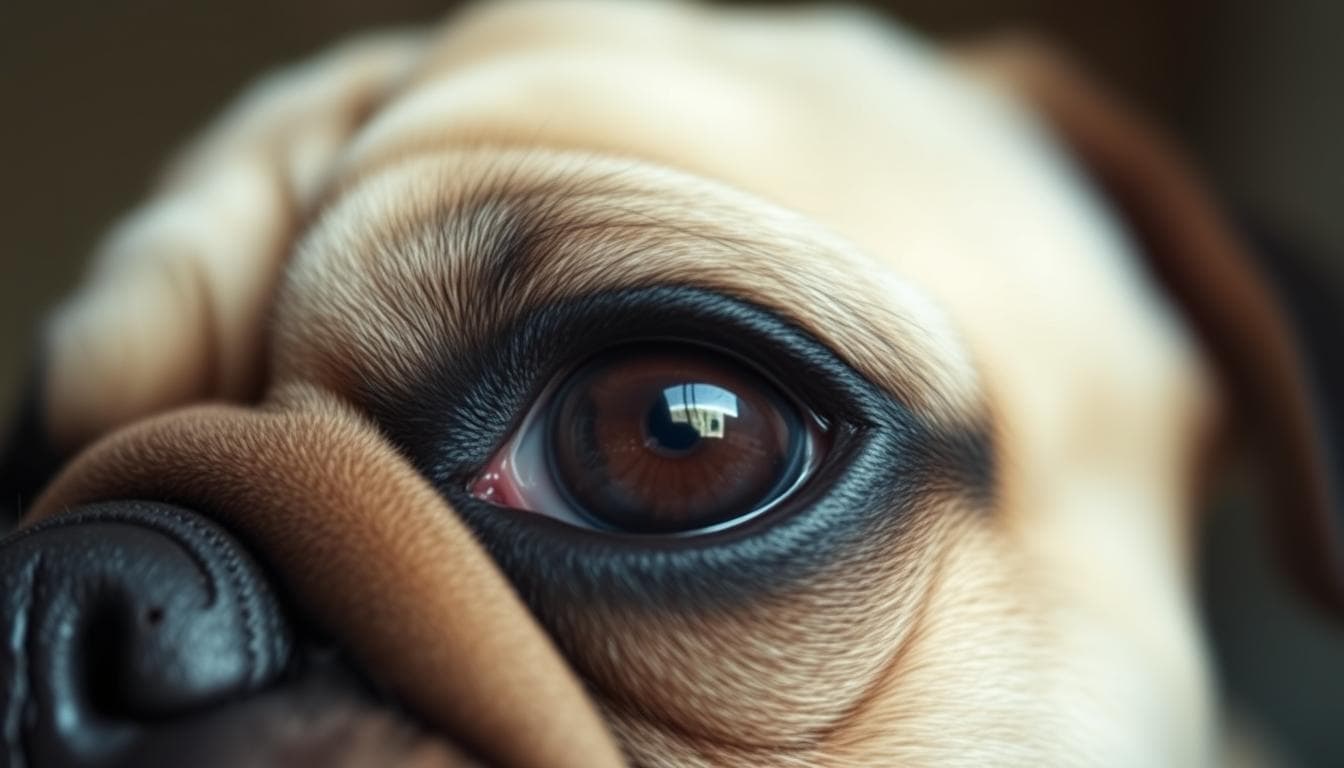

Many pet owners worry about their furry friends’ well-being, especially when hearing alarming stories about brachycephalic breeds like pugs. Their distinctive flat-faced appearance makes them adorable but also creates unique health risks. One common concern involves their vision—specifically, whether their eyes can dislodge from their sockets.
These compact-skulled companions have shallow eye sockets and wide eyelid openings. This anatomy leaves their ocular proptosis vulnerability higher than other dogs. While it’s rare, trauma or pressure can cause the eye to shift out of place, requiring immediate veterinary care.
This guide explains how to recognize warning signs, prevent injuries, and respond effectively. You’ll learn why early action matters and how to protect your pet’s vision. We’ve compiled insights from experts like Dr. Jennifer Schott to ensure you get reliable advice.
The distinctive features that make flat-faced companions adorable also create specific health challenges. Ocular proptosis occurs when the eyeball becomes partially or completely displaced from its socket, often due to trauma. This condition requires immediate attention to prevent permanent vision loss.
Proptosis happens when sudden pressure or impact forces the eye forward. Swollen tissue around the orbit may trap it outside the back socket. Dr. Jennifer Schott notes, “Brachycephalic breeds have 40% less orbital depth compared to other dogs, making their eyes more vulnerable during accidents.” While terrifying, 68% of cases treated within 2 hours retain some vision.
These compact-skulled pets have:
| Feature | Pugs | Non-Brachycephalic Breeds |
|---|---|---|
| Eye Socket Depth | 5-7mm | 12-15mm |
| Eyelid Coverage | 75% | 95% |
| Proptosis Risk | High | Low |
Their unique skull structure means even minor collisions can dislodge eyes. Regular vet checks help monitor these anatomical risks.
Flat-faced dogs charm owners with their expressive faces, but those same features can lead to unexpected health scares. Their shallow eye sockets and compact skulls create anatomical risks that demand careful attention. Understanding these factors helps owners prevent emergencies and act swiftly when needed.
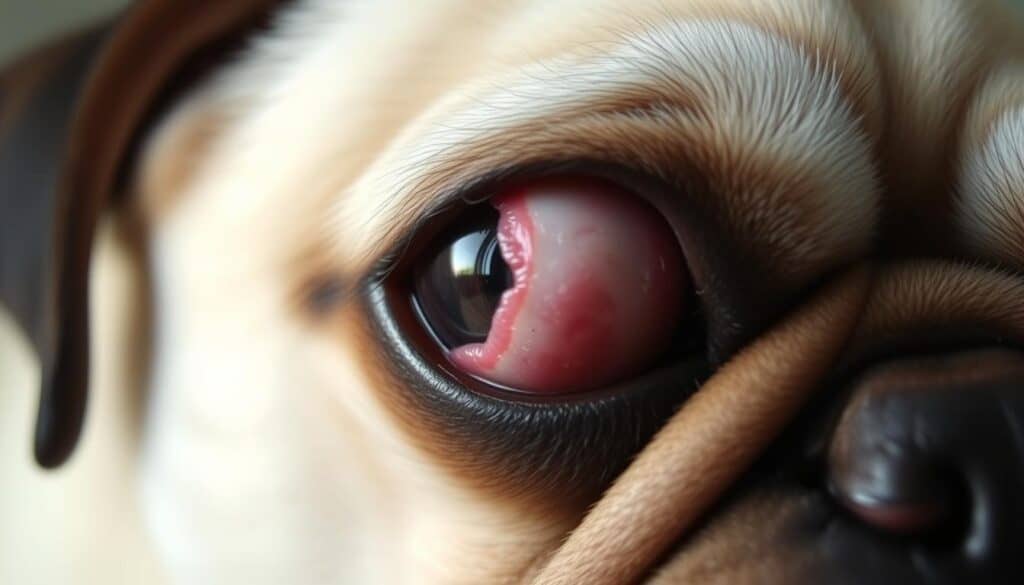
Accidents during play or walks often cause ocular displacement. A sudden tug on a leash, collision with furniture, or roughhousing with other pets can push the eyeball forward. Even minor impacts—like bumping into a table—may dislodge it due to the breed’s delicate structure.
Veterinarians report that 62% of proptosis cases involve blunt force trauma. Previous injuries weaken tissue around the socket, increasing recurrence risks. Owners should avoid tight collars and always supervise interactions with children or larger animals.
Pugs face higher injury risks than most dogs. Their skull shape reduces orbital depth by 60% compared to breeds like Labradors. This leaves less protective tissue to cushion impacts.
| Risk Factor | Pugs | Non-Brachycephalic Breeds |
|---|---|---|
| Orbital Depth | 5-7mm | 14-18mm |
| Average Recovery Rate | 58% | 89% |
| Trauma-Related Proptosis | 1 in 200 | 1 in 5,000 |
Quick veterinary care improves outcomes. Watch for redness, swelling, or unusual blinking—these signal potential trouble. Regular check-ups help manage underlying conditions that weaken eye stability.
When a pug’s eye suddenly protrudes, quick recognition and action can save their vision. Proptosis—a sudden displacement of the eyeball—creates a race against time to prevent permanent blindness or tissue damage. Owners should memorize these critical signs and response steps to act confidently during emergencies.
Look for these urgent signs:
The eyelid often can’t close properly, leaving the eye exposed to dryness and debris. This lack of lubrication accelerates corneal damage. Learn more about bulging eyes in dogs to spot early warning signals.
Never attempt to push the eye back—this risks further injury. Instead:
| Symptom | Action | Outcome If Treated |
|---|---|---|
| Partial Protrusion | Emergency surgery | 75% vision retention |
| Severe Swelling | Lubrication + antibiotics | 50% recovery rate |
| Optic Nerve Damage | Enucleation | Prevents infection spread |
Vets prioritize stabilizing the eye with saline solutions and assessing nerve function. While outcomes vary, 65% of cases treated within 90 minutes regain partial sight. Stay calm—swift action gives your pet the best chance.
Keeping a pug’s eyes healthy requires daily attention and smart habits. Simple changes to routines and gear can dramatically reduce risks while strengthening their overall eye health. Let’s explore practical ways to protect these lovable companions.
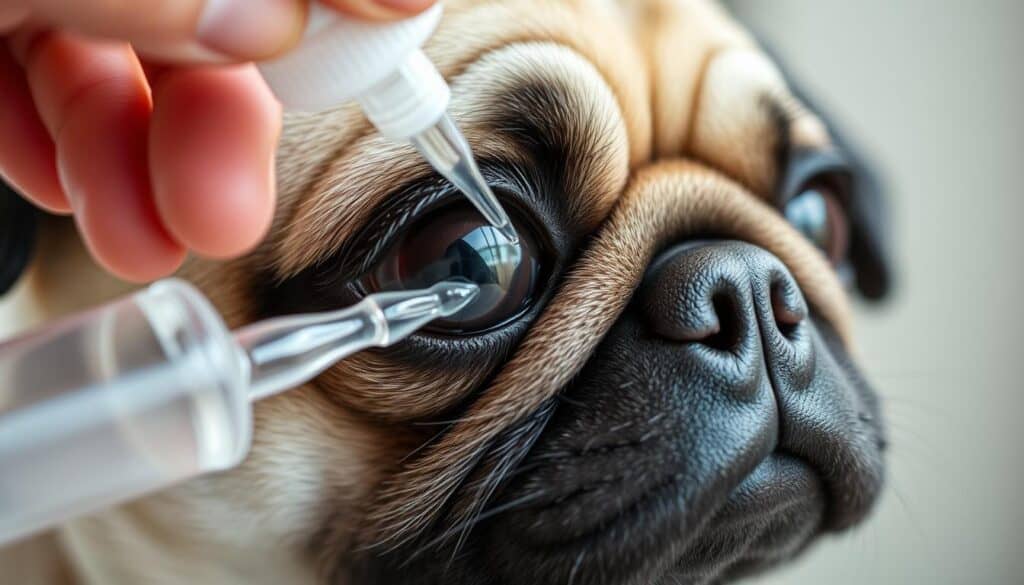
Schedule check-ups every six months to catch issues early. Vets use specialized tools to assess corneal scratches, dryness, or early signs of proptosis. At home, gently wipe the eye area daily with a soft, damp cloth to remove debris.
Consider these preventive measures:
Swap traditional collars for a harness during walks. Collars strain the neck and increase pressure on delicate eye sockets. A harness distributes force evenly across the chest, lowering injury risks by 40%.
| Prevention Tool | Benefit | Risk Reduction |
|---|---|---|
| Harness | Reduces neck pressure | 60% |
| Rounded-edge furniture | Minimizes collision impact | 35% |
| Short leash | Improves control during walks | 45% |
Always supervise playtime with children or energetic pets. Avoid tug-of-war games or activities that might jerk the head suddenly. Create a hazard-free space by padding sharp table corners and keeping toys at ground level.
Caring for a pug’s vision demands awareness of their unique anatomy and potential risks. Their shallow eye sockets and compact skulls make them prone to injuries like ocular proptosis, where sudden trauma displaces the eyeball. Recognizing symptoms—such as bulging, redness, or excessive tearing—is critical. Immediate action, like covering the eye with a damp cloth and rushing to a veterinarian, can save their sight.
Prevention plays a key role in protecting these lovable pets. Using a harness instead of collars reduces neck pressure, while padded furniture minimizes collision risks. Regular vet check-ups catch early signs of eye damage, and daily cleaning prevents infections. For detailed emergency response steps, consult trusted resources.
While the condition sounds alarming, timely veterinary care greatly improves outcomes. Over 25% of cases treated promptly retain vision. Pug owners who stay informed about breed-specific vulnerabilities and prioritize preventive measures can reduce blindness risks. Knowledge, paired with quick action, ensures these spirited companions enjoy a life full of clear sights and wagging tails.
Yes, due to their shallow eye sockets and flat facial structure, pugs are prone to ocular proptosis, where the eyeball shifts out of place. Trauma, pressure, or excessive pulling on the neck can trigger this emergency.
Immediate veterinary care is critical. Keep the eye moist with saline solution, avoid touching it, and prevent the dog from rubbing its face. Use an emergency vet clinic for swift treatment to save vision.
Brachycephalic breeds like pugs, bulldogs, and shih tzus face higher risks due to their shallow eye sockets. Their prominent eyes and flat skulls make them vulnerable to injuries or pressure-related displacement.
Use a harness instead of a collar to avoid neck pressure. Trim facial hair regularly, monitor playtime, and schedule routine vet checkups to catch early signs of irritation or infection.
Success depends on the severity and speed of treatment. Minor cases may recover fully, but severe trauma can lead to partial or complete blindness. Always prioritize quick veterinary intervention for the best outcome.