 11
11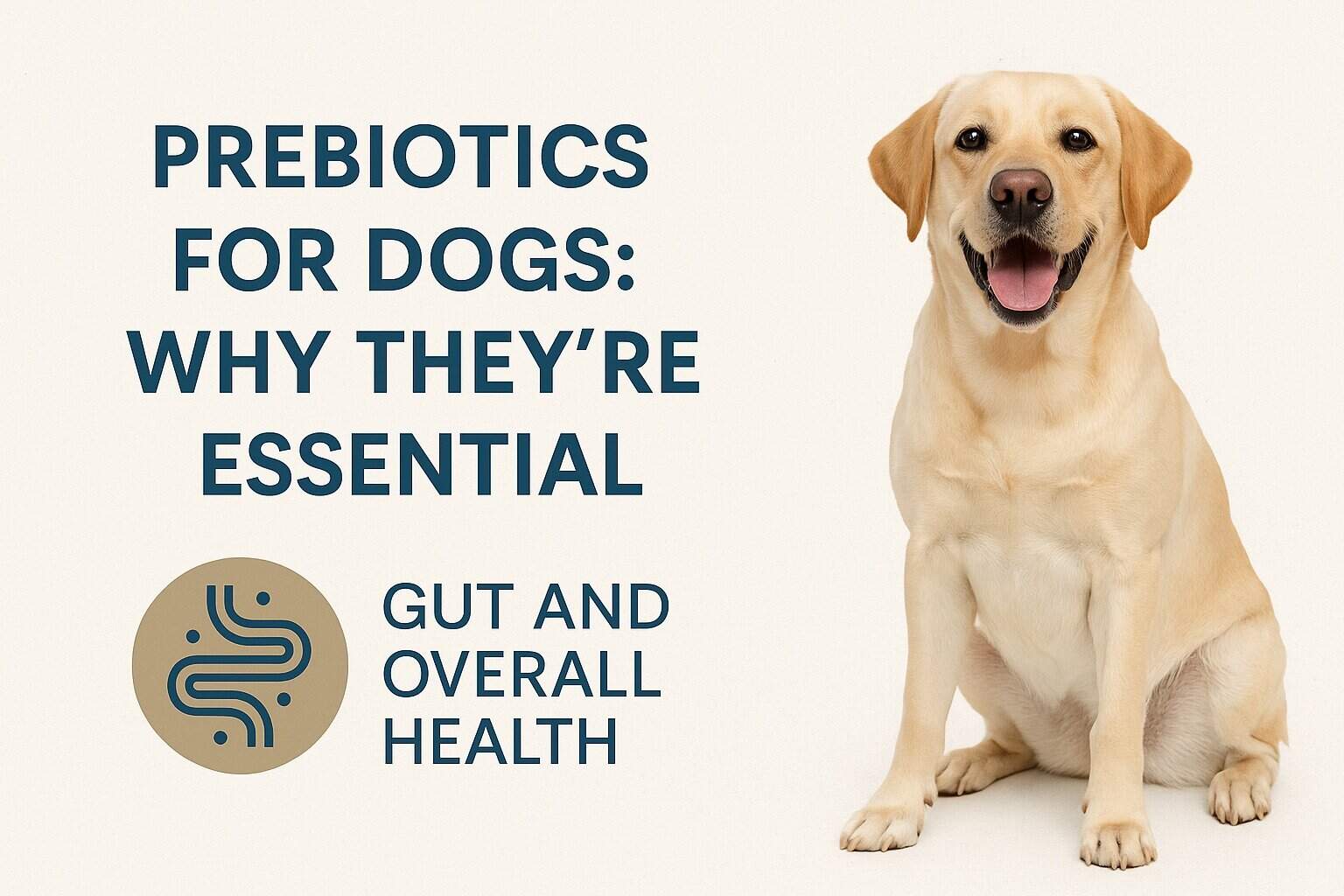

Dog owners are now focusing on more than just food for their pets. They want to add supplements that help their dogs live longer and stay healthy. Prebiotic Treats are becoming an integral part of a dog’s health regimen.
Prebiotics are not the same as probiotics. They are fibers that feed the good gut bacteria in your dog’s gut. Think of them as the fertilizer for the good bacteria in your dog’s gut microbiome. Probiotics are live bacteria, and prebiotics help them grow.
In this article, we’ll explore:
Prebiotics are dietary fibers that don’t get digested in the stomach. They travel to the colon, where they nourish the beneficial bacteria. These bacteria are crucial for digestion, immune function, and even mood.
The most common types of prebiotics include:
These compounds help the good bacteria, like Lactobacillus and Bifidobacterium, grow. This helps keep the gut microbiome balanced.
Prebiotics and probiotics are often paired in supplements, but they serve different roles:
| Prebiotics | Probiotics | |
|---|---|---|
| Definition | Non-digestible fibers that feed beneficial bacteria | Live microorganisms that directly add to the gut flora |
| Function | Support the growth of existing good bacteria | Introduce new beneficial strains |
| Stability | More stable and shelf-stable | Sensitive to heat and shelf life |
| Examples | Inulin, FOS, GOS | Lactobacillus acidophilus, Bifidobacterium animalis |
Together, they create a synbiotic effect. They work together to strengthen the gut ecosystem. But, prebiotics alone can also have a big impact.
Your dog’s gut does more than digest food. It’s key to their overall health. The gut is connected to other systems in the body, making it like a second brain.
Now, let’s see how prebiotics help your dog’s health in real ways.
Prebiotics help with regular bowel movements. They reduce constipation and diarrhea by balancing gut flora.
Prebiotics support beneficial bacteria. This helps fight off harmful pathogens and boosts immune strength.
Chronic inflammation causes many diseases. Prebiotics help manage the immune system and lower inflammation.
When gut bacteria thrive, your dog absorbs nutrients better. This improves energy, coat condition, and overall health.
A balanced gut microbiome means less odor-causing bacteria. This reduces gas and improves breath.
Antibiotics can upset the balance of good and bad bacteria. Prebiotics help restore balance during and after treatment.
Research shows gut health affects anxiety, aggression, and stress. A healthier gut may lead to a calmer dog.
You can also find prebiotics in natural foods. Some include:
Always introduce new foods slowly. Do this under your vet’s guidance if your dog has a sensitive stomach.
If you choose a supplement, consider these things:
Look for specific prebiotic fibers like FOS, inulin, or MOS. Avoid vague labels like “fiber blend.”
Ensure the dosage is tailored to your dog’s size and needs. Some products are for large breeds, others for smaller dogs.
Quality supplements should be free from artificial flavors, dyes, or preservatives.
Choose brands that work with veterinary nutritionists. They should have clinical research supporting their product.
Some prebiotics come in chewable, squeeze powder form. Choose a format your dog will actually eat, whether mixed with food or as a daily treat.
Introducing prebiotics should be done gradually to avoid digestive upset.
Gut health is at the core of your dog’s well-being, and prebiotics play a powerful role in cultivating that health from the inside out. Whether you’re looking to improve digestion, boost immunity, or give your pup the best foundation for a vibrant life, prebiotics are a smart and science-backed addition to their diet.
As always, consult with your veterinarian before adding new supplements, especially if your dog has pre-existing health conditions. However, for most dogs, a daily dose of prebiotics is a small step that leads to significant health benefits.
Your dog’s gut is the gateway to their overall health. Feed it well.