 11
11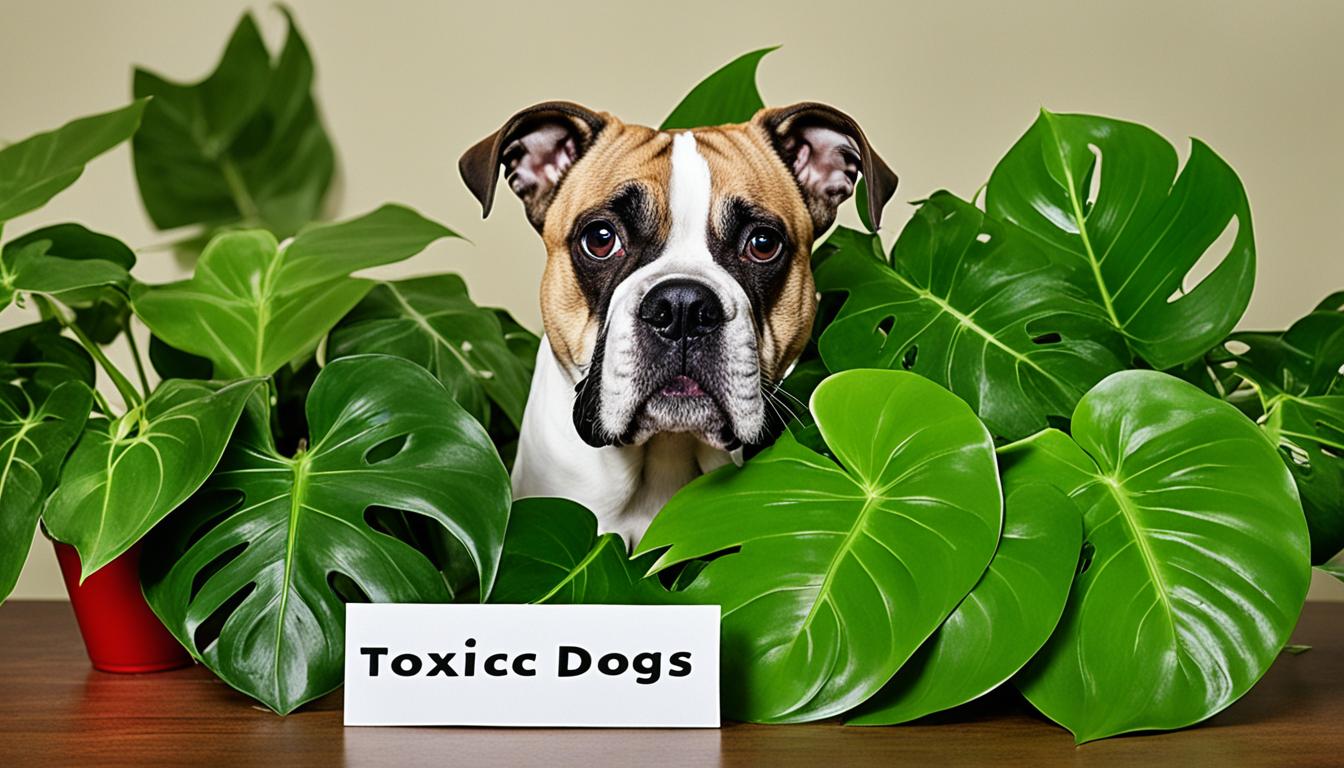

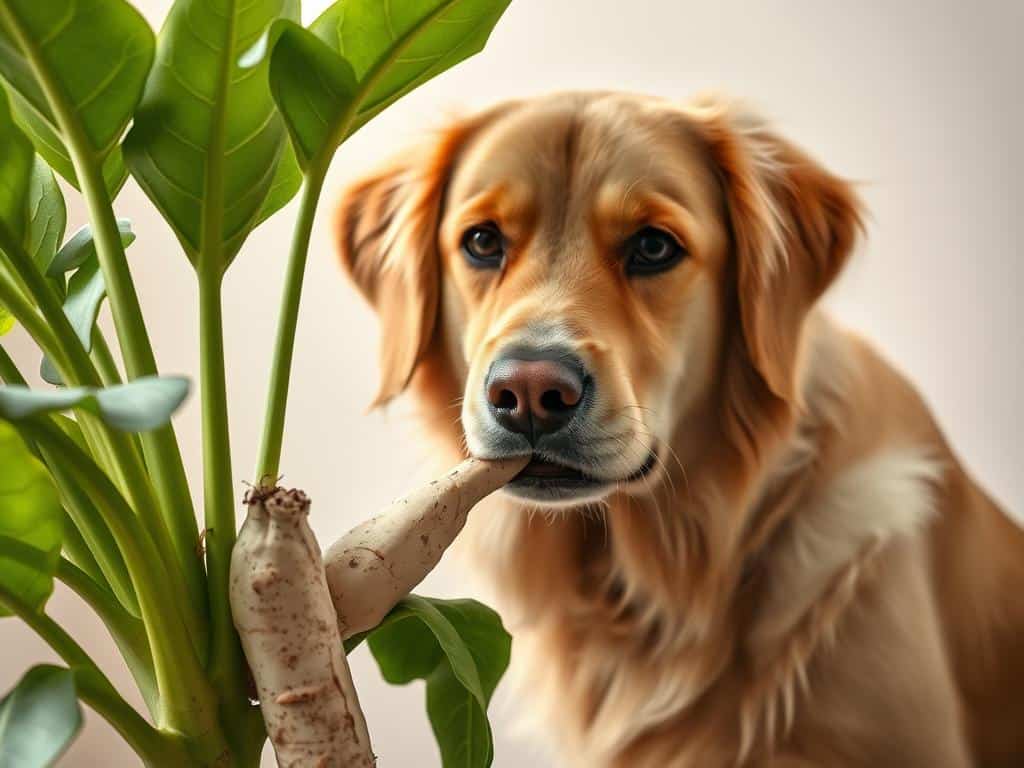
Philodendrons are loved for their pretty leaves and clean-air benefits. But, dog owners, watch out! These plants may be harmful to your dogs. Knowing how toxic they can be, spotting poisoning signs, and preventing harm are key.
Plants’ toxicity can vary a lot. It doesn’t just depend on if they’re called “toxic.” We must look at the dose and how sensitive an individual is. Some plants, like philodendrons, have things in them that can bother dogs if they eat them.
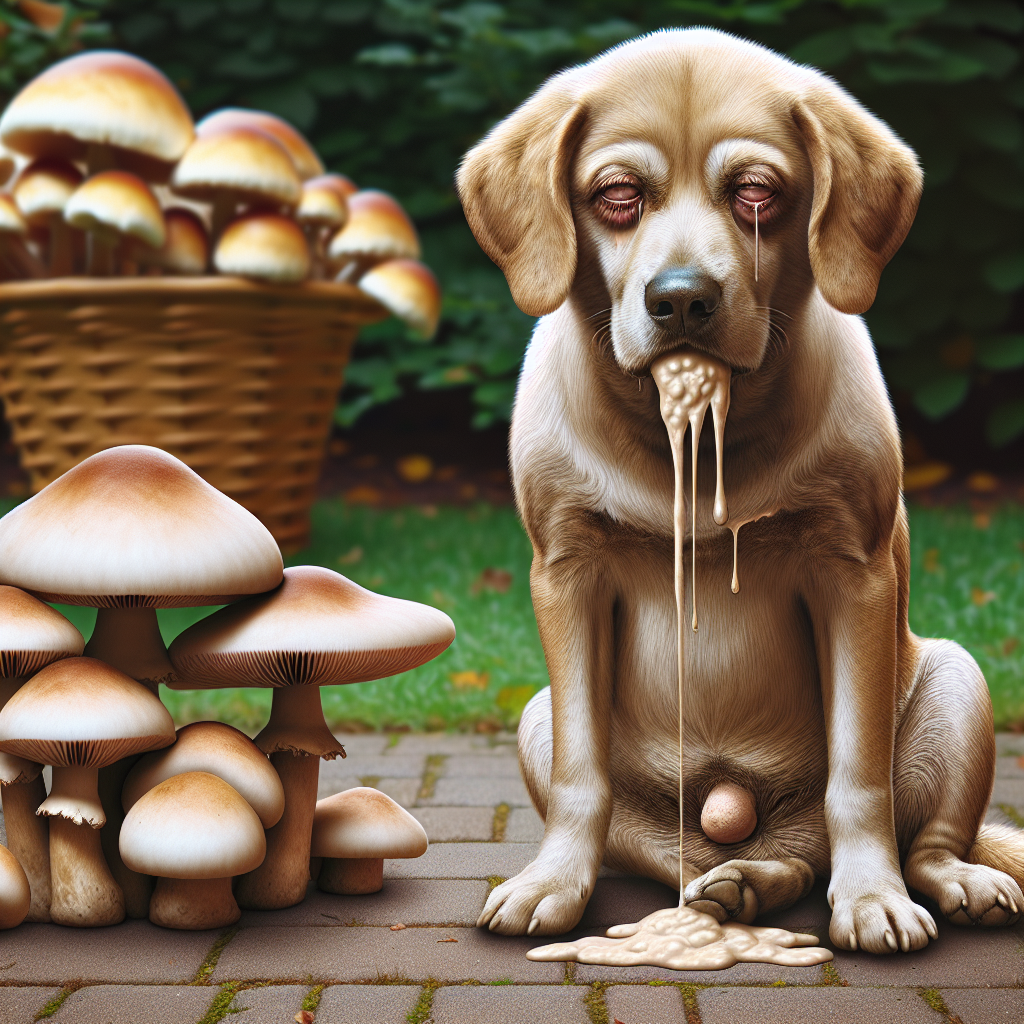
If a dog eats a philodendron, it might drool a lot or act like its mouth hurts. It could also not want to eat and might throw up. These are signs that it has eaten something toxic. If you see these signs, you need to get your dog to a vet fast.
It’s smart to choose plants that are safe for pets. There are many plants that don’t hurt dogs. Some safe ones include Boston Ferns and Spider Plants. These plants make your home look nice and keep your pets safe.
Stopping problems before they start is key. Knowing the signs of bad reactions in dogs helps. So does picking safe plants for your home. This way, your pets can be happy and safe.
| Pet Safe Plants | Benefits |
|---|---|
| Boston Ferns | Air-purifying properties and lush green foliage. |
| Prayer Plants | Unique leaf patterns and low maintenance. |
| Calatheas | Colorful foliage and vibrant patterns. |
| Burrows Tail | Succulent plant with trailing, fleshy leaves. |
| Spider Plant | Stunning arching foliage and air-purifying properties. |
| Watermelon Peperomia | Attractive leaves resembling a watermelon’s rind. |
For pet owners, keeping dogs safe around philodendrons is key. Here are tips to make your home pet-friendly. This avoids harm from toxic plants.
Put philodendrons up high using hanging planters or stands. This keeps them away from curious dogs.
Teaching your dog the “leave it” command helps. It stops them from touching plants. This keeps them safe.
Use a room dogs can’t enter for your plants. This stops dogs from touching toxic plants by accident.
Learn about plant toxicity before bringing plants home. Know which plants are bad for dogs. Keep these plants out of your home.
These tips ensure your dogs stay safe. They help prevent problems from philodendrons and other toxic plants.
To keep dogs safe from philodendrons, pet owners need to be active. They should pick plants that won’t hurt pets. And, keep these plants away from dogs. Also, watching dogs near plants is a must. Knowing the signs of plant poisoning is essential. And, getting help from a vet right away if a dog eats a bad plant is critical.
Choosing Pet-Safe Plants: When picking plants, make sure they are safe for dogs. Go for dog-friendly plants like Boston Ferns and Spider Plants. These plants make your home green but don’t risk your pet’s health.
Securing Plants: Keep philodendrons and other harmful plants away from dogs. You can hang plants up high or put them on tall stands. Using baby gates to keep dogs out of plant areas helps too.
Supervising Dogs: Always watch your dogs when they are near plants. This includes those plants that could harm them. If they get too close, train them to back off with commands like “leave it.”
Recognizing Signs of Plant Toxicity: Know what plant poisoning looks like in dogs. Symptoms include drooling, not wanting to eat, and throwing up. If your dog seems sick from a plant, see a vet right away.
| Prevention Tips for Philodendron Toxicity | Benefits |
|---|---|
| Choose pet-safe plants | – Avoid potential harm to pets – Create a pet-friendly environment |
| Secure plants in inaccessible areas | – Prevent accidental ingestion – Minimize the risk of poisoning |
| Supervise dogs around plants | – Promptly intervene if ingestion occurs – Ensure the safety of pets |
| Be aware of signs of plant toxicity | – Early detection and intervention – Prompt treatment if needed |
By following these tips, pet owners can stop philodendron poisoning in dogs. This makes a happy and safe place for pets and plants to live together.
If your dog eats a philodendron, start by rinsing its mouth with cold water. This helps get rid of the crystals that cause pain. If your dog ate a lot of the plant, get help from a vet right away.
Vets might treat your dog with:
Think your dog ate a toxic plant? Call a vet fast. They’ll know what to do.
Please note: This info is just a starting point. Every dog and every situation is different. Only a vet can give the right advice and treatment for your pet.
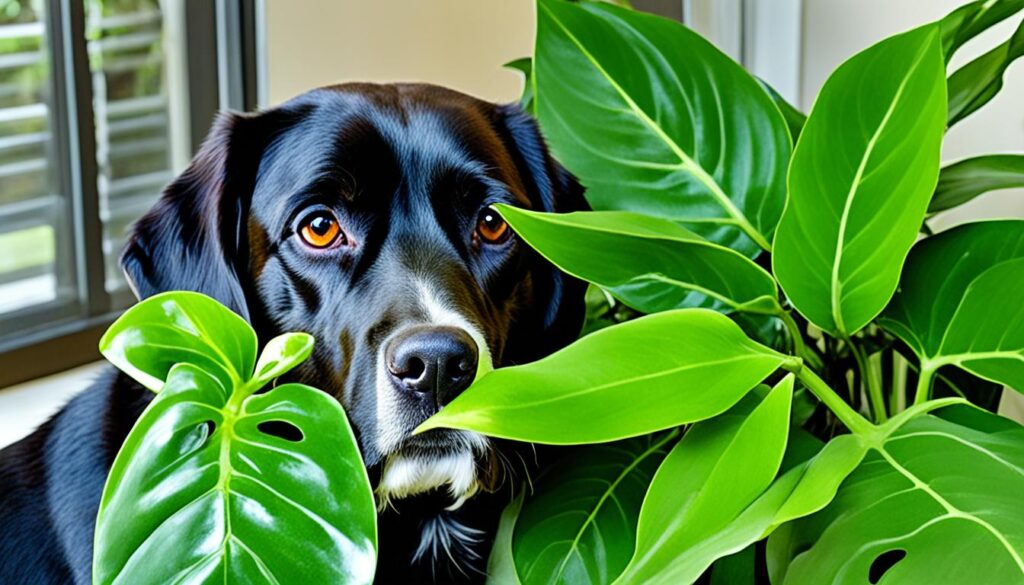
Many people think philodendrons are very toxic to dogs. But, there are myths about the danger they pose. We need the right info to keep our pets safe.
Some believe that these plants can make dogs very sick or even cause death. Yet, philodendrons have something called calcium oxalate crystals. These can bother dogs if eaten, but it’s rare for it to be serious. Usually, a dog might drool, have diarrhea, throw up, or feel tired.
“While philodendrons contain calcium oxalate crystals that can cause irritation and discomfort when ingested, serious consequences are very rare.”
We need to look at trustworthy places for info on philodendron and dogs. Good sources are websites about pet health or vet care.
Another myth is that all philodendrons are the same in toxicity. The truth is, different types have different levels of those crystals. So, some may be more harmful than others.
Pet owners should know that philodendrons aren’t the only risky plants. There are many other plants that could hurt dogs. It’s key to know about all harmful plants, not just philodendrons.
Learning the real facts about philodendrons and dogs helps us take care of them better. Always talk to a vet for advice on keeping your dog safe.
It’s key to know the truth about philodendrons and dogs. These plants are often said to be bad for dogs. Yet, how bad varies with the amount eaten and the dog itself.
In many cases, dogs that eat philodendron have mild symptoms. These can get better on their own without needing special care.
It’s a myth that having pets means you can’t have plants. By choosing plants carefully, you can keep your home green and your pets safe. Every dog is different, so think about what’s best for yours.
Sometimes, myths can make us worry too much. By knowing the real risks of philodendrons, we can make good choices for our pets.
Even though philodendrons might only cause small problems for dogs, some plants are more dangerous. Always check how safe a plant is before bringing it into your home.
“Most cases of philodendron ingestion in dogs result in minor symptoms that can resolve without specific treatment.”
Here are important points:
By knowing these things and picking safe plants, you can create a home that’s beautiful and safe for your pets.
| Fact | Fiction |
|---|---|
| Most cases of philodendron ingestion in dogs result in minor symptoms. | Philodendron toxicity is always severe and life-threatening. |
| Philodendrons are labeled as toxic, but the severity of toxicity varies. | All philodendrons are equally toxic to dogs. |
| Choosing pet-safe plants can reduce the risks associated with toxic plant exposure in dogs. | There are no safe plant choices for homes with dogs. |
To make a home safe for both pets and plants, we must take certain steps. These steps help create a happy space for our furry friends and our plants. It makes sure they live together well.
Keep plants away from pets to protect them. Use hanging planters or tall stands. This keeps curious pets away from possibly harmful plants. It’s a simple way to lower the risk of pets eating them.
“Leave it” is a useful command to teach dogs to stay away from plants. It stops them from chewing or messing with plants. Keep using this command to maintain a safe line between pets and plants.
Some plants are more dangerous to pets. Keep these plants separate from pet areas. By placing them in special spots or locked rooms, pets can’t accidentally eat them. This reduces risk.
Understanding plant safety is key for a pet-friendly home. Owners must seek reliable plant information. Knowing about plants helps keep both pets and plants safe together.
Plant safety and pet care go together. Taking these steps lets owners enjoy their plants without worry. It ensures the pets stay happy and healthy.
| Precautions for Pets and Plants |
|---|
| Raise plants out of reach with hanging planters or raised plant stands |
| Use commands like “leave it” to prevent pets from interacting with plants |
| Separate potentially hazardous plants from areas accessible to pets |
| Conduct thorough research on plant toxicity before bringing them into the home |
Dog owners must know the dangers of philodendron toxicity. Being aware helps keep pets safe. Keep plants away and teach dogs not to touch them. Yet, accidents can happen.
If a dog eats a toxic plant, get vet help right away. Being a responsible pet owner means making smart choices. This keeps our pets safe. Philodendrons can hurt dogs, but it depends on a few things.
These things are the plant type, how much the dog ate, and the dog’s size. Always talk to a vet about your dog’s health and safety. You can have plants and keep your dogs safe too. Follow safety tips and learn about plant toxicity before bringing plants home.
Prevention is the best way to protect your dogs. Doing your homework on plants is key. With careful choices, your pets can stay safe from philodendron dangers.
Yes, philodendrons can be toxic to dogs. It depends on the plant type, how much the dog eats, and the dog’s size.
Dogs may drool, paw at their mouth, feel mouth pain, eat less, and throw up.
Safe plants for pets include Boston Ferns, Prayer Plants, and Calatheas. Burrows Tail, Spider Plant, and Watermelon Peperomia are also safe.
Use hanging planters or stands to keep plants away from dogs. Teach your dog to “leave it” to avoid plants.
You can also keep plants in closed rooms and check if plants are safe before buying.
Toxic plants for dogs include lilies, tulips, azaleas, daffodils, and sago palms.
Choose pet-safe plants and keep them where dogs can’t get to them. Watch your dogs around plants.
Rinse their mouth with cold water. Call a vet if they ate a lot of the plant.
Some think all philodendrons can kill dogs. But they mostly cause mouth irritation. Serious problems are not common.
Philodendrons can annoy and hurt dogs because of the crystals they have. But how bad it gets depends on how much they eat and the dog itself. Choosing safe plants for your pets is important.
Keep plants out of reach, and teach dogs not to touch them. Keep plants apart when you need to.
Do your research and be a responsible plant owner. This helps pets and plants live together well.
Philodendrons can be risky for dogs, but very bad problems are rare. Most dogs only get mild symptoms that go away on their own. It’s key to know the risks, prevent them, and get vet help if needed.