 11
11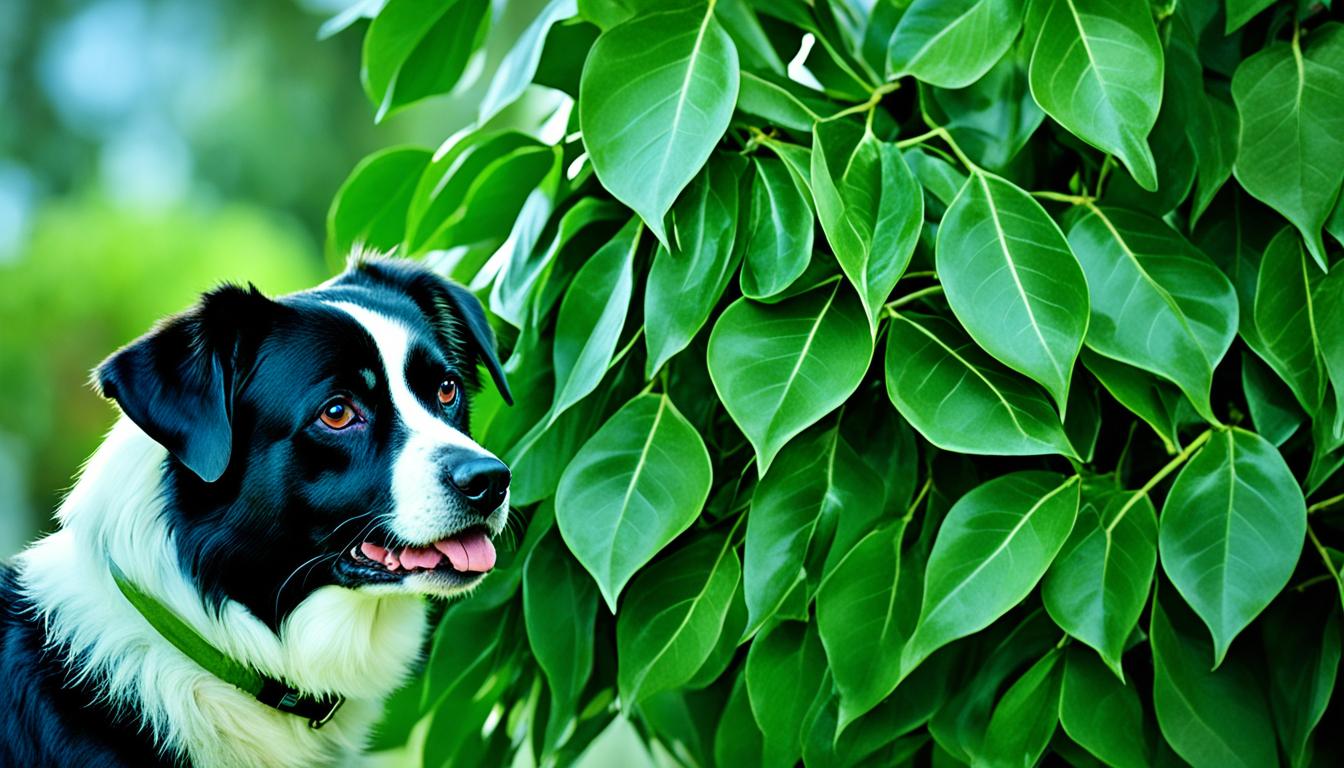

Ficus trees, also known as rubber plants, are popular in homes. They’re easy to care for with shiny leaves. But, they can be toxic to dogs. The ficus tree’s sap has enzymes that may harm a dog’s skin or tummy. It’s important to keep your pets safe from ficus tree risks.
We’ll look at why ficus plants are dangerous to dogs, what symptoms to watch for, and how to avoid trouble. Making sure your pets are safe around ficus trees is very important. Knowing about the risks and what to do keeps them safe.
H2: Understanding Ficus Toxicity in Dogs
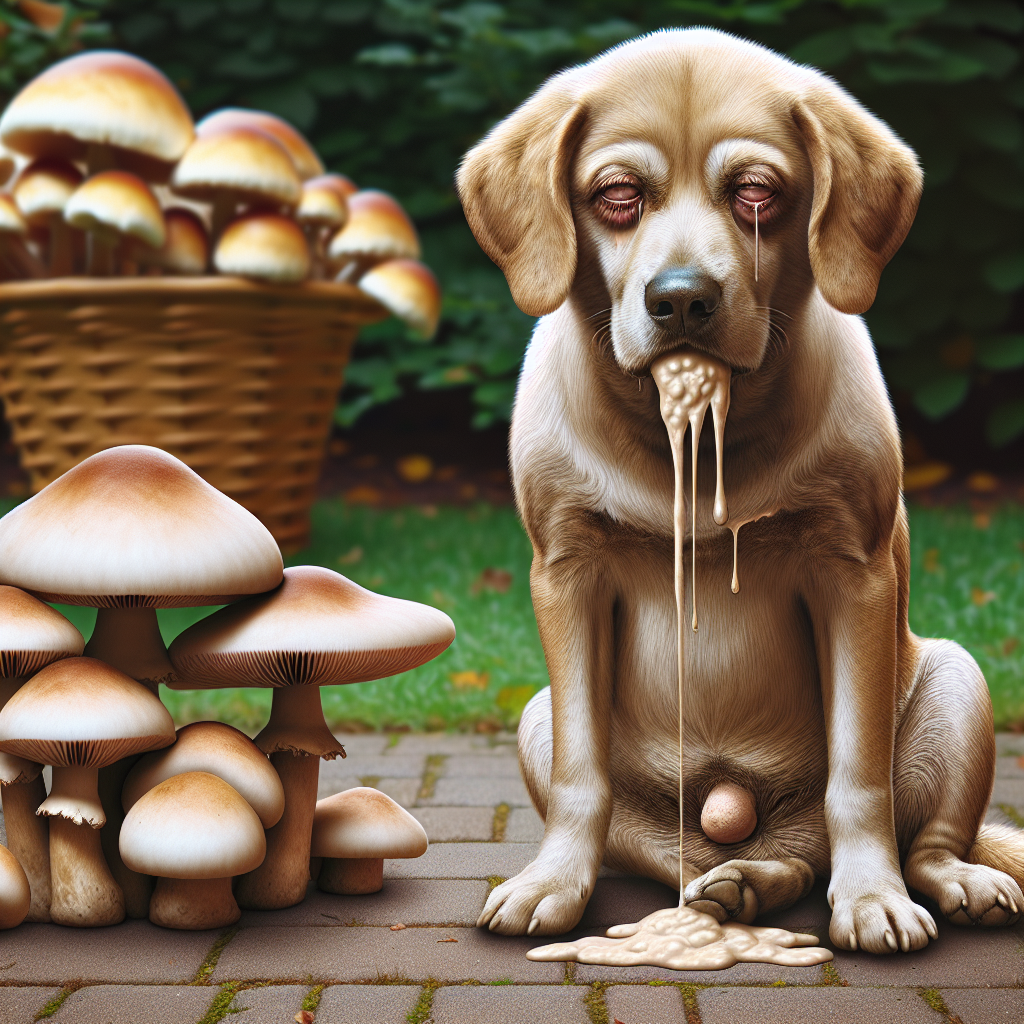
When dogs touch ficus plants, they might get sicK. These plants have enzymes that can make dogs feel bad. Dog owners need to know the dangers and spot the signs of sickness.
The sap from ficus plants has enzymes. These enzymes can make dogs’ skin itch. If dogs eat parts of the plant, they might get tummy troubles. Owners should keep dogs away from these plants.
A dog that got sick from ficus might show signs. They might not want to eat, drool a lot, throw up, have diarrhea, and get itchy skin. If you see these, take them to the vet.
If your dog seems sick from a ficus, see a vet fast. The vet can figure out the problem and treat it. Don’t try to fix it yourself. Quick vet help is key.
Keep your dog away from ficus plants to keep them safe. Watch for any bad signs. By knowing the risks and acting, you can keep your dog happy and healthy.
Cats and other small pets can get sick from ficus plants. The leaves and stems can upset cats’ stomachs and bother their skin. Hamsters, ferrets, hedgehogs, mice, and rats can have belly problems or skin rash from touching or eating ficus.
It’s very important to keep all pets away from ficus to stop poisonings. Put ficus on high shelves or behind pet barriers. This stops pets from getting to them. Doing this helps keep your pets safe from ficus dangers.
If you have cats or tiny pets, watch for ficus poisoning signs. These include puking, diarrhea, not wanting to eat, and skin issues. See a vet right away if your pet shows these signs. They can find out what’s wrong and help your pet get better.
To keep your pets safe, make sure they can’t get to ficus plants. This helps protect them from ficus poison. It keeps them happy and healthy, too.
| Species | Symptoms |
|---|---|
| Cats | Vomiting, diarrhea, loss of appetite, skin irritation |
| Hamsters, Ferrets, Hedgehogs, Mice, Rats | Gastrointestinal problems, contact dermatitis |
Pets may show different signs if they lick or eat a ficus plant. It’s key for owners to know these signs. This way, they can help their pets fast. Signs that a dog or pet ate ficus include:
Pets can also get itchy skin or a rash from ficus sap. These skin signs can tell you if a pet touched ficus sap. If your pet shows any signs, see a vet right away. They can help your pet feel better.

To keep your pets safe from ficus poisoning, it’s important to take the right precautions. This way, you can lower the chance that your pets will eat or touch these plants by mistake.
Here are some simple safety steps to follow:
If you apply these steps, you can really cut down the risk of your pets getting sick from ficus. It helps keep your animal friends safe and happy.
Always remember, it’s best to stop problems before they start.
“Taking precautions to keep pets away from ficus plants is essential in preventing potential poisoning incidents.”
| Ficus Poisoning Prevention Tips | Benefits |
|---|---|
| Place ficus plants in inaccessible areas | Ensures pets cannot reach and ingest the plants |
| Use barriers like baby gates | Limits access to areas with ficus plants |
| Use citrus rinds on top of the soil | Deters pets with the strong aroma |
| Clean up fallen leaves and debris | Reduces accidental ingestion of plant material |
| Supervise pets outdoors near ficus plants | Prevents contact and potential ingestion |
If your dog or pet eats or touches a ficus plant and feels sick, act fast. Call your vet for help on what to do next. For emergencies, ring the Pet Poison Helpline at (855) 764-7661. Quick action is key for your pet’s health.
Seeing a vet if your pet gets poisoned by ficus is important. They know how to handle each case. Because every situation is different, they’ll figure out the best steps to take.
Tell your vet as much as you can when you call. Share symptoms, ficus plant contact, and your pet’s health history. This info will help them.
Your vet might want to see your pet for a check-up. They could do tests to find any problems. Then, they’ll plan treatment that fits your pet.
For ficus plant poisoning, care might include fluids for dehydration and meds for stomach issues. Your vet will teach you how to give any medicines. They’ll tell you about any follow-ups or checks needed.
It’s crucial to do what your vet says and finish all treatments. Keep an eye on your pet, even if they seem better. Making sure they fully recover is important.
If your pet eats too much ficus, your vet might suggest making them vomit. But, this must only be done as told by a vet. It’s not always safe or right to do.
In short, if your pet might be poisoned by ficus, get vet help right away. Call your vet or the Pet Poison Helpline at (855) 764-7661. Expert help is critical for your pet’s recovery.
| Veterinary Care | Poison Control Hotline |
|---|---|
| Your Veterinarian | Pet Poison Helpline: (855) 764-7661 |
| Address and Contact Information | Available 24/7 for emergencies |
Ficus plants can make dogs and other pets sick. But, they can also bother humans. Their milky sap can make our skin itch and rash.
If you or your kid gets this rash, see a doctor. It’s good to ask for advice.
It’s important to keep ficus plants away from kids. Little ones love to explore and might try to eat the leaves and stems. Even though ficus plants are usually safe, they can still be a choking hazard.
But, there’s more than just eating plants to worry about. The sap from a ficus can irritate the skin. If a kid touches a ficus, it might lead to itching, redness, or a rash.
Here are some tips to keep your kids safe around ficus plants:
These steps can help prevent problems with ficus plants and kids. It’s all about keeping them safe and happy.
| Symptoms of Ficus Toxicity in Children | Preventive Measures |
|---|---|
| – Choking hazard if leaves and stems are swallowed | – Keep ficus plants out of reach of children |
| – Skin irritation upon contact with ficus sap | – Teach children not to touch ficus plants |
| – Potential allergic reactions | – Supervise young children around ficus plants |
| – Rash, redness, itching | – Consult a healthcare professional if symptoms occur |
To keep pets and children safe, take care with ficus plants. It’s important.
Keep your ficus where kids and pets can’t get them. Put them high up, like on shelves. This stops them from touching or eating the plant, which is risky.
Wear gloves when you touch ficus plants. The sap can make skin itch or burn. Gloves protect you from getting a rash.
Clean up any leaves or bits that fall off your ficus. Pets might try to eat or play with them. Keeping the area tidy helps stop accidents.
Make sure pets can’t get to your ficus. You can put them in rooms pets don’t go into. Or use things like baby gates. To keep pets away, try citrus smells on the soil.
By taking these steps, your ficus can be safe at home. And so can your kids and pets. Always better to prevent problems.
Veterinary care is very important. It helps with problems like ficus poisoning in pets. Going to a vet is key for good advice and help.
Vets know how to handle ficus poisoning. They can figure out how bad the poisoning is. They give the right treatment for your pet. This helps your pet get better.
Don’t try to fix ficus poisoning on your own. Home fixes may not work or be safe. They could make things worse. Always go to a vet right away.
A vet will check your pet carefully. They look at the symptoms and may test for ficus poisoning. Then, they tell you the best way to treat your pet. This might include special care or medicine.
“Consulting a veterinarian is crucial to ensure the well-being of your pet when dealing with ficus poisoning. Their professional advice and guidance can make a significant difference in your pet’s recovery.”
Vets know a lot about plant poisons. They keep up with the latest info. They can tell you how to prevent poisonings. This helps keep your pets safe.
Seeing a vet for ficus poisoning is a smart move. It makes sure you’re doing the right thing. This helps your pet get the best care possible.
Facing ficus plant poisoning? Get a vet’s help. They give you the right info and steps to take. They also advise on preventing problems and dealing with ficus plants safely.
Ficus plants can harm dogs, cats, and other small pets. Their sap has enzymes that can upset stomachs and irritate skin. It’s key to keep pets and small children away from these plants. We should seek vet or medical help if we think there’s been poisoning.
We have looked at how ficus plants can be harmful to pets. This includes dogs and cats, as well as small pets like hamsters and mice. We talked about what symptoms to watch for. It’s also important to get fast help from a vet. Plus, we shared how to keep pets safe from these plants.
Keeping our pets and loved ones safe is very important. Knowing about the risks of ficus plants helps us protect them. This way, we can make sure they stay healthy and happy.
If you need more help or have worries about ficus poisoning, call the Pet Poison Helpline at (855) 764-7661. They offer vet advice 24/7 for poison emergencies. Always talk to experts for the best and quickest help.
| Section | Summary |
|---|---|
| Section 1 | Are ficus trees poisonous to dogs, cats, and other small pets? |
| Section 2 | Understanding ficus toxicity in dogs |
| Section 3 | Ficus plant toxicity for other pets |
| Section 4 | Symptoms of ficus poisoning in pets |
| Section 5 | Preventing ficus poisoning in pets |
| Section 6 | What to do if ficus poisoning occurs |
| Section 7 | Ficus poisoning in humans |
| Section 8 | Ficus safety tips for children |
| Section 9 | Safety measures for ficus plants |
| Section 10 | Importance of veterinary care |
| Section 11 | Summary of ficus plant toxicity in pets |
| Section 12 | Additional resources and support |
In an emergency or if you need more help, call the Pet Poison Helpline at (855) 764-7661. They offer 24/7 veterinary advice for poisonings. Always talk to experts for right and quick help in these cases.
Yes, ficus trees are toxic to dogs. The sap has enzymes that can upset their stomachs.
If dogs eat part of a ficus plant, they may get sick. They could drool, vomit, have diarrhea, and get a rash.
Yes, cats and small pets like hamsters can also get sick. Touching ficus leaves and sap can cause stomach problems and rashes.
Signs of ficus poisoning include drooling, diarrhea, vomiting, not wanting to eat, and rashes.
Keep pets away from ficus plants to stop poisoning. You can put the plants in spots pets can’t reach. Baby gates or citrus rinds on the soil can help because pets don’t like the scent of citrus.
If your pet might be poisoned by ficus, see a vet fast. Call your vet for the right steps to take. For 24/7 advice, ring the Pet Poison Helpline at (855) 764-7661.
Yes, ficus plants can bother people’s skin, causing rashes. The sap has stuff in it that irritates.
Make sure kids can’t reach ficus plants. Touching them can cause skin problems because of the sap. If a child gets a rash from touching ficus, get medical help.
For safety, keep ficus away from pets and kids. Use gloves to handle them. Clean fallen leaves often to stop anyone from eating them by accident.
Vet care is vital for pets who may have ficus poisoning. Vets know how to treat these poisonings, helping your pet recover.
For emergencies or more help with ficus or other poisons, call the Pet Poison Helpline at (855) 764-7661. They give vet advice anytime.