 11
11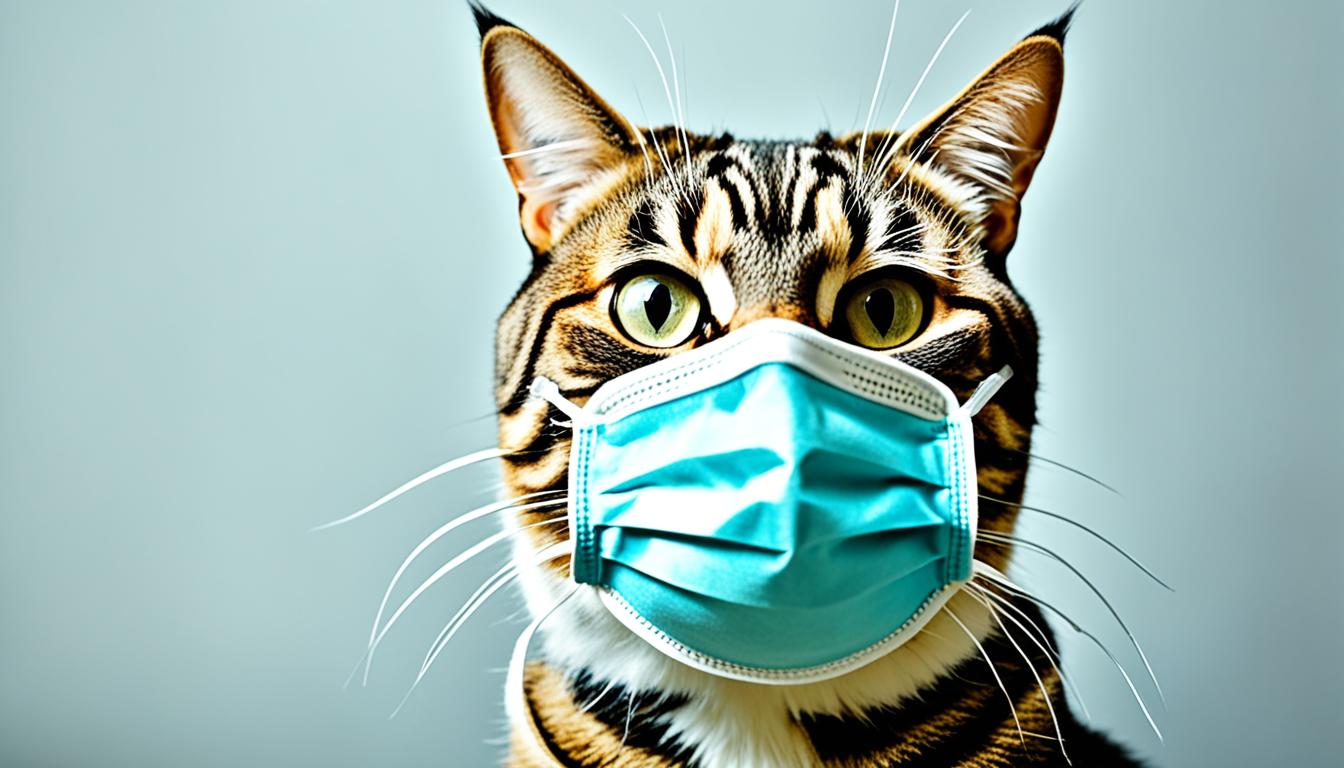

People often wonder if cats can get COVID-19 from humans. Daniel C. DeSimone, M.D., notes the virus mainly targets humans. However, COVID-19 cases in pets, including cats and dogs, are linked to close contact with their owners.
The chance of animals passing COVID-19 back to humans is low. It’s still crucial to keep clean around pets. The CDC suggests avoiding close contact with pets if you’re infected. This helps lower any risks, following health advice closely.
COVID-19 appeared in 2019, causing a major global health crisis. It’s caused by the novel SARS-CoV-2 virus. Unlike other coronaviruses, it also affects different species, not just humans. This fact has raised worldwide concern.
COVID-19 is a disease from the SARS-CoV-2 virus. It affects the respiratory system with symptoms that vary in severity. It’s unique because it can infect humans and animals, like cats, dogs, and mink. This has led to a lot of study on how it spreads.
The main way COVID-19 spreads is from person to person. This happens through droplets when someone with the virus coughs, sneezes, or talks. These droplets can enter the mouths or noses of nearby people. They might also be breathed into the lungs.
Another way to get COVID-19 is by touching things that have the virus on them. Then, by touching your face, you can get infected.
Though it mostly spreads from person to person, COVID-19 can also move between species. There have been cases of humans passing the virus to animals like cats, dogs, and mink. This zoonotic transmission shows why we must be careful around pets and wildlife.
People are asking if cats can catch COVID-19 from people. Both pet and wild cats have gotten the virus after being near sick people.
Cats really can get COVID-19. The Bronx Zoo found that its tigers and lions got sick. The American Veterinary Medical Association says house cats can show signs too. This shows that cats getting the virus is a true worry.
Cats with the virus often have mild to medium breathing problems. They might also have stomach issues. Zoo Knoxville noted that cats don’t get as sick as people do.
To help cats with COVID, we must follow certain steps. Watch closely for any sickness signs. Quickly get them to a vet if they seem unwell. Doing this can lessen bad effects.
The pandemic makes us think more about our pets. Cats, dogs, and ferrets react differently to the virus. Some have mild symptoms or none. It’s key to know how it affects them to keep them healthy.
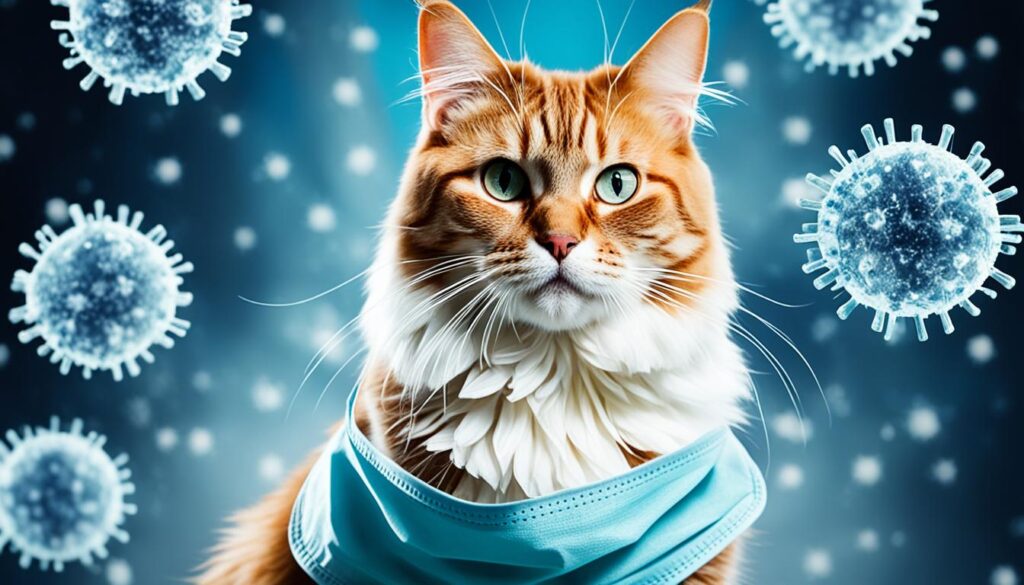
Pets might get mild breathing problems, cough, or feel out of breath. The CDC says they can catch the virus from sick people.
The AVMA and CDC tell us to take good care of our pets now. Watch pets closely if they’ve been near someone with COVID-19. If they show signs of being sick, see a vet fast.
To lower the risk for cats, keep everything clean. Avoid letting sick people near pets. Always talk to a vet if your pet seems unwell. Taking great care of them now is super important.
| Symptom | Commonality |
|---|---|
| Coughing | Moderate |
| Shortness of Breath | Low |
| Fever | Rare |
| Fatigue | Low |
It’s very important to understand how COVID-19 spreads between humans and animals. This knowledge helps in lowering the risk during the pandemic. Specifically, knowing about human to animal and animal to human transmission is key for pet owners.
Pets, like cats and dogs, can get COVID-19 from being close to infected humans. This human to animal transmission is seen in pets living in homes. Infected owners should keep away from their pets and stay clean to cut down the risk.
The CDC advises sick people not to touch, cuddle, or share food with pets. This helps stop the virus from spreading.
There’s a small chance pets can pass COVID to humans. For instance, infected mink in the Netherlands did pass the virus to people. This shows the need for keeping an eye on pets but tells us pets usually don’t give the virus to humans.
Mostly, humans give COVID to other humans, not pets to people. So, being cautious with pets is wise but humans are the main spreaders of COVID-19.
| Transmission Route | Risk Level | Preventive Measures |
|---|---|---|
| Human to Animal Transmission | High (if close contact) | Maintain distance, good hygiene, avoid direct contact |
| Animal to Human Transmission | Low | Regular monitoring, avoiding contact with symptomatic pets |
There have been cases of COVID transmission among pets, especially cats. But, studies show the pet-to-human transmission risk is low. The CDC advises pet owners to keep pets away if sick. This lowers the chance of feline COVID risks. It keeps pets and people safe.
We need to follow good hygiene, like washing hands before and after pet contact. Doing this cuts the risk of COVID transmission among pets. It keeps everyone safer.
To help, here’s what to do if a pet owner gets COVID-19:
| Action | Description |
|---|---|
| Limit Contact | Keep your distance from pets, avoid petting, snuggling, and sharing food. |
| Hygiene Practices | Wash hands before and after any interaction with your pets. |
| Environmental Cleanliness | Maintain a clean environment for your pets, regularly disinfecting surfaces they come into contact with. |
With the right steps, the pet-to-human transmission risk from COVID-positive cats is low. This shows how key it is to look after pets well.
Recent studies have shown how pets play a role in COVID spread. They focus on minks and cats in detail. These animals can carry and spread the virus.
The State Serum Institute in Denmark has led important studies. This COVID-19 research on pets shows cats can get and change the virus. These facts point to the need for ongoing research.
The findings of these studies are important. They show pets likely won’t pass the virus to people often. But, pets can change the virus. This calls for careful animal care.
The COVID-19 research on pets stresses evaluating vaccines and treatments. Because of these findings, taking care of pets well is key. Good hygiene and awareness are crucial for health.
Keeping pets safe during the COVID-19 pandemic is very important. It’s key to take the right steps to protect them. This helps stop the virus from spreading.
Feline covid precautions are vital for pet health. Make sure their areas are clean and you follow good hygiene. Clean surfaces they touch often, wash your hands well, and keep their living areas airy.
If a pet owner catches COVID-19, they should follow special COVID-19 pet care protocols. Someone else in the house should care for the pets. If that’s not possible, wear masks and gloves and try not to get too close.
Following these preventive measures for pet health is crucial. It keeps cats and other pets safe during the pandemic. Staying true to these practices helps stop COVID-19 from spreading too.
When you catch COVID-19, it’s key to keep apart to protect others, even your pets. This helps keep everyone safe. You and your pets can stay secure by following important steps.
Keep away from all in your home, pets included, when you’re sick. If someone else can look after your pet, have them do it. If not, try to limit contact.
Taking care of pets when you’re sick needs care. You can still care for them safely. This reduces illness spread.
Important actions are:
| Protocol | Description |
|---|---|
| Isolation | Separate yourself from household members and pets. |
| Face Masks | Wear a mask when around pets. |
| Hand Hygiene | Wash hands before and after interaction. |
| Veterinary Communication | Maintain regular contact with your vet. |
Follow these tips to keep pets safe during your illness. This way, you lessen virus spread to them.
If your cat shows signs like coughing or tiredness, act fast for their health. Watch for trouble breathing, coughing, sneezing, sluggishness, and stomach issues. Catching these early can help your cat recover better.
Cats often hide when they feel bad. Look for hard breathing, coughs, runny nose, fever, and less energy. If you see these, keep a close eye on your pet and note any health changes.
After spotting symptoms, quickly get vet help. Call your vet for advice, trying to avoid in-person visits to reduce virus risk. Don’t put masks on pets or use cleaners meant for people. Keep your cat in a cozy spot alone, listen to your vet, and watch how they’re doing.
COVID-19 is a viral disease found by scientists in late 2019. This new kind of coronavirus is different from common cold viruses or those in animals before.
The virus spreads mainly from person to person. This happens through tiny droplets from coughs, sneezes, or talks. It can also move via touched surfaces.
Yes, cats, including house and wild ones, can catch COVID-19. They can get it from people who are sick.
Cats may show signs like coughing and sneezing. Some might also have stomach issues. They usually face mild to moderate sickness.
Humans can indeed spread COVID-19 to cats. It’s best for sick individuals to stay away from pets and keep clean.
Pets like cats, dogs, and ferrets have gotten COVID-19. They mostly get mild symptoms or none at all. It’s rare for pets to get very sick.
Pets passing COVID-19 to people is very unlikely. The main way it spreads is from one person to another.
Research has looked into how pets might carry and pass on COVID-19. The results show we should watch our pets closely to prevent the virus from spreading between species.
To keep pets safe, keep their living area clean. Use masks and gloves when needed, and avoid close contact if you’re sick.
If you’re sick with COVID-19, stay away from people and pets. Use masks and clean your hands before and after you touch your pet or their things.
If your cat seems sick with COVID-19 symptoms, contact a vet right away. Try to avoid direct contact and keep an eye on your pet’s health.