
 11
11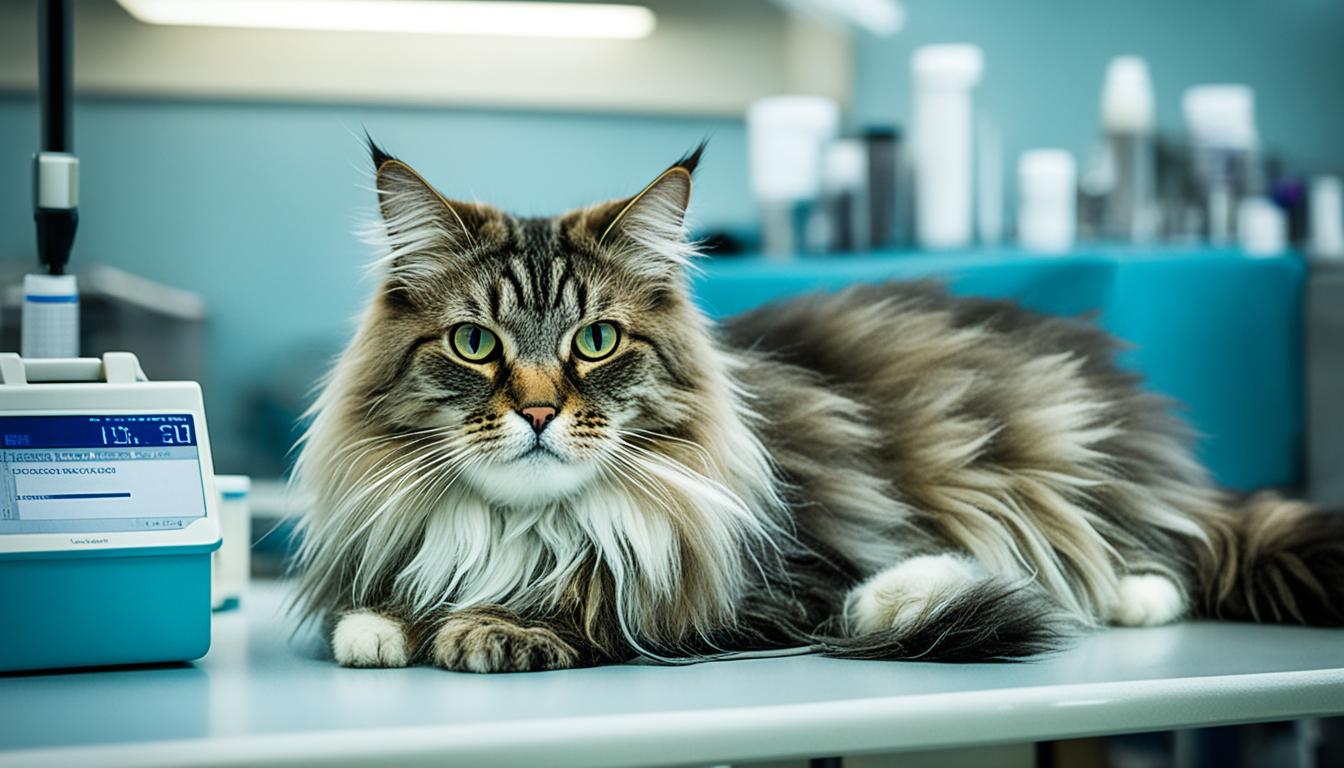

Sepsis in cats is very serious. It happens when an infection spreads in the body, causing severe inflammation. Without treatment, sepsis can get worse, leading to organ failure. This includes the kidneys, lungs, and liver. Sometimes, the situation becomes critical with septic shock which can result in death. The death rate for cats in septic shock is between 20% and 68%.
It’s vital to catch sepsis early for a better chance of recovery. Cats don’t always show signs like dogs do, so we must watch for the less obvious signs of trouble.
Please note that the image should be placed after the introduction and key takeaways, in the center.
Sepsis in cats has many common causes. It’s key for pet owners to know these. This knowledge aids in spotting sepsis early. Major causes include:
There are also rare conditions leading to sepsis. This includes severe dental problems, pyometra, pneumonia, and organ ruptures.
Understanding these causes helps cat owners avoid sepsis. They should seek vet help immediately if they notice any signs.
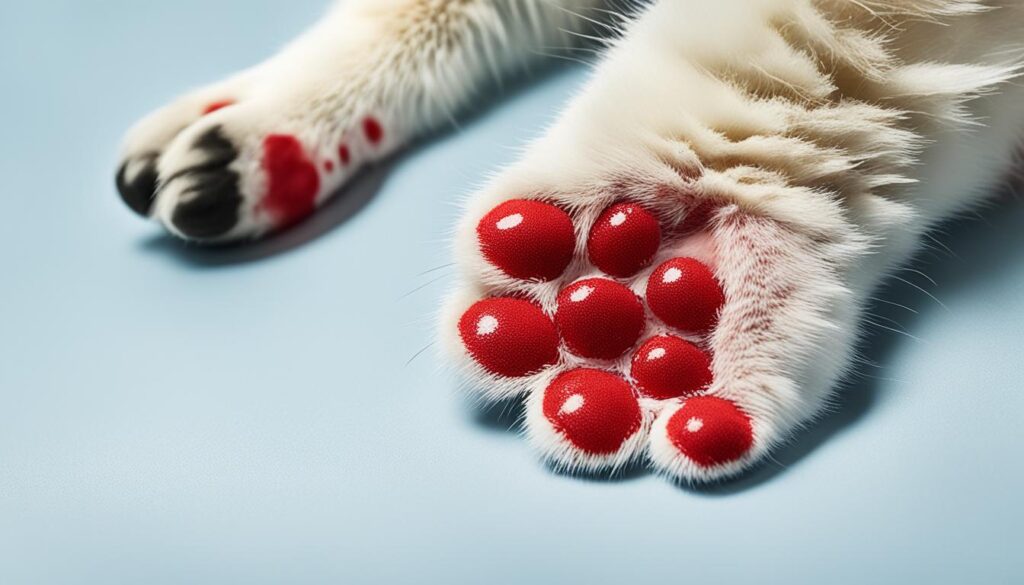
Cats may not show signs of sepsis until it’s quite advanced. It’s crucial to notice symptoms early for quick treatment. Signs of septic shock in cats include:
During a physical exam, vets can find signs that might suggest septic shock:
Diagnosing septic shock in cats can be complex and needs many tests. Vets may suggest several diagnostic steps:
Early diagnosis and prompt treatment can really help cats with sepsis. If you see any of the above symptoms or think your cat has sepsis, get veterinary help right away.
Treatment for sepsis in cats focuses on tackling the infection and offering supportive care. The aim is to remove the infection’s source and manage sepsis symptoms. This approach addresses both the infection and its serious effects.
Treatments can include surgery to deal with infected areas like ruptured organs. If surgery isn’t needed, supportive care is key to handling the disease. This supports the cat’s body during recovery.
Specific treatment for septic shock in cats includes:
Monitoring blood work is essential to check the cat’s health during treatment. This might include checking for complications like DIC. Sometimes, more procedures, like surgery or plasma transfusions, are needed.
Even with all efforts, cats with septic shock may not survive. The outcome can vary greatly. Vets will work closely with cat owners to find the best treatment plan.
The best way to fight sepsis in cats is through prevention. Make sure your cat gets all its vaccinations. Keep things clean and feed your cat healthy food. Also, if your cat gets hurt or sick, take care of it fast. This can greatly lower the chances of sepsis.
Knowing the early signs of septic shock in cats is also vital. Cats might try to hide, not want to eat, or act differently. If you spot any of these signs or other symptoms we talked about, get your cat to the vet right away.
| Prevention Tips | Early Signs of Septic Shock |
|---|---|
|
|
Never forget, prevention is the best way to keep your cat safe from sepsis. Stay alert and be proactive to ensure your cat stays healthy and happy.
Sepsis in cats is a serious health issue that needs quick action. Owners must know about its causes, signs, and how to treat it. This helps in making smart choices and getting vet help fast. Although survival rates in septic shock are low, early and strong treatment boosts survival chances.
If your cat might have sepsis, see a vet right away. They can set up a specific treatment plan for your cat. Acting fast and watching your cat closely are vital in handling sepsis.
Being aware and spotting septic shock early can save your cat. Taking them for regular vet visits, keeping their space clean, and quickly treating infections are key prevention steps. Always turn to your vet for advice on keeping your cat healthy.
Sepsis in cats is a serious condition that happens when an infection spreads in the body. This leads to severe inflammation throughout.
Common causes include ruptured intestines and pyothorax. Kidney infections, badly infected wounds, and feline infectious peritonitis (FIP) are also culprits.
Symptoms include a lack of appetite, hiding, and vomiting. Cats may have pale gums, dehydration, and breathe faster. They might also show abdominal pain, have diarrhea, or collapse.
Diagnosing this condition is tough. It calls for blood tests, urine tests, x-rays, and ultrasounds. Other diagnostic steps might be necessary too.
Treatment aims to remove the infection source and support the cat. This includes IV fluids, antibiotics, pain relief, and nutritional aid.
Prevention is key. Keep vaccinations updated and maintain good cleanliness. A nutritious diet helps, along with quick treatment for any infections or injuries.