 11
11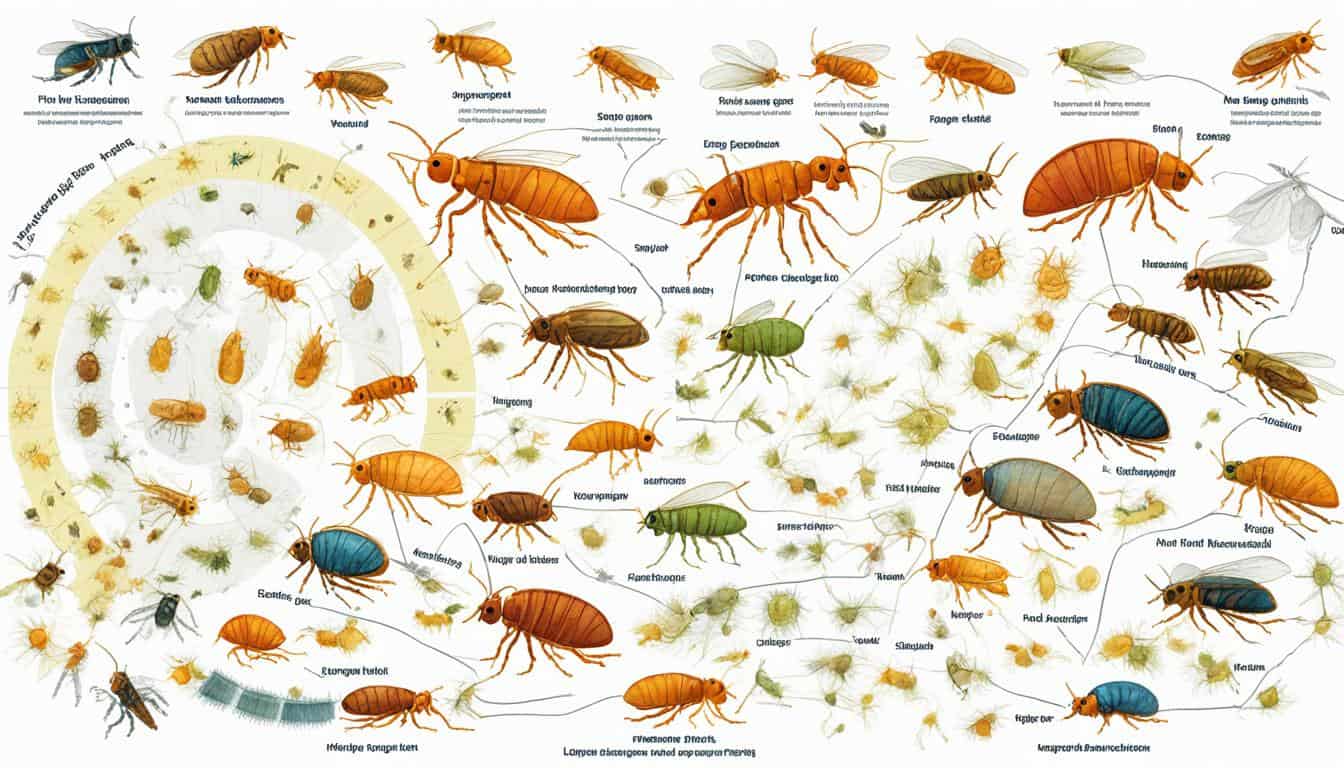

Dogs can easily get fleas from different places. Understanding how this happens is key to stop it. Also, using prevention methods can keep dogs safe from these annoying bugs.
Dogs may get fleas from other dogs, places with many fleas, or from wild animals. Fleas are great at jumping from one host to another. That’s why it’s important to prevent fleas to avoid infestations.
The life of a flea goes through four stages: egg, larva, pupa, and adult. Fleas lay eggs on dogs, and these eggs fall off and become larvae. Larvae eat stuff in their surroundings and grow into pupae, staying in a cocoon. Then, they turn into adult fleas and start to feed on their host.
To keep dogs free from fleas, it’s crucial to use prevention. Using flea treatments like spot-on medications or pills can fight fleas. Also, keeping places clean by vacuuming and washing bedding can lower flea risks.
Understanding the flea lifecycle helps control and prevent infestations. It has four stages: flea eggs, flea larvae, flea pupa, and adult fleas.
Adult female fleas lay eggs on the host’s skin or fur. These eggs look like grains of salt and can fall off into the environment.
Flea eggs are not sticky, so they spread around the dog’s space. You can find them in bedding, carpets, and furniture. They’re white or see-through and hard to see without help.
After eggs are laid, they hatch into flea larvae. Larvae like dark, moist places and eat organic stuff. This includes eggs of adult fleas, flea dirt, and other debris. They look like tiny worms and are 3-5mm long.
Larvae turn into flea pupa next. In this stage, they make a sticky cocoon for protection. This cocoon is tough and shields them from the outside world. Depending on the climate, this stage can last days or months.
At the end, adult fleas come out of the cocoons, ready to feed. These fleas are small, dark brown or reddish-brown, and about 2-3mm long.
Note: The flea lifecycle can be as short as two weeks or up to months. This varies with temperature, humidity, and food availability.
| Stage | Description |
|---|---|
| Flea eggs | Small, white or translucent eggs laid by adult fleas on the host. |
| Flea larvae | Tiny worm-like larvae that feed on organic matter in the environment. |
| Flea pupa | Larvae spin cocoons and undergo metamorphosis in a protective stage. |
| Adult fleas | Fully formed insects that emerge from the cocoons and begin feeding on a host. |
To effectively fight fleas, know their lifecycle. Target each stage with the right treatment to create a flea-free zone for your pet.
Dogs can pick up fleas in different ways, which puts them at risk of infestation. It’s key to know these methods to prevent fleas. This keeps dogs healthy and free from fleas.
Meeting other dogs can lead to flea problems. Fleas jump from one dog to another during play. Dog owners should check their pets for fleas after socializing.
Grassy backyards are perfect for fleas. These pests love the outdoors and jump on dogs that walk by. That’s why grooming and flea prevention are critical for backyard pets.
Wild animals like squirrels and raccoons can have fleas. Dogs playing near these animals might get fleas. Keep your dogs away from wild animals to prevent flea infestations.
Dogs in new places might get fleas from other animals. Making sure these places have flea control is very important. This stops dogs from getting infested.
House pets can also bring in fleas. Fleas move from one pet to another easily. Watching all pets for fleas and using flea control is key to a healthy home.
To see how dogs get fleas, look at the table below:
| Ways Dogs Get Fleas | Prevention Measures |
|---|---|
| Contact with Infested Dogs | Maintain regular grooming and use flea prevention products |
| Exposure to Flea-Infested Environments | Clean and treat outdoor areas, use preventive measures in the backyard |
| Interactions with Wildlife | Avoid wildlife-infested areas, check for fleas after interactions |
| Staying in New Places | Ensure temporary accommodations have flea prevention measures |
| Interaction with Other Pets | Monitor all pets, maintain flea prevention for each animal |
Knowing these flea sources and using prevention can protect dogs. This means dogs stay comfortable and healthy.
If you think your dog might have fleas, look for certain signs. Spotting these early can help tackle the problem quickly. This action stops more discomfort for your dog.
Dogs react differently to flea bites. While some might have severe reactions, others show milder signs. It’s crucial to know your dog’s symptoms.
If you see any flea signs on your dog, talk to a vet. They can diagnose the problem correctly. They’ll also suggest how to get rid of the fleas. This will help your dog feel better.
Always check your dog for fleas and use flea control to prevent them. This will keep your dog healthy and happy. By dealing with fleas quickly and preventing them, you help your dog stay free from these annoying parasites.
Dogs often get fleas from contact with other infested pets. Fleas transfer between animals when they touch each other. This happens mostly during playtimes or in places like boarding facilities.
Another way dogs get fleas is by being in places fleas love. Fleas do well in warm, moist areas like tall grass and woods. Even your backyard can be a spot for fleas to hide.
Fleas can also jump on your clothing or shoes from infested animals. This includes stray cats or wild animals you might encounter. Once on your clothes, fleas can enter your home and reach your dog.
It’s really important to know how fleas find your dog. With this info, you can keep your dog safe from fleas. Understanding is key to prevention.
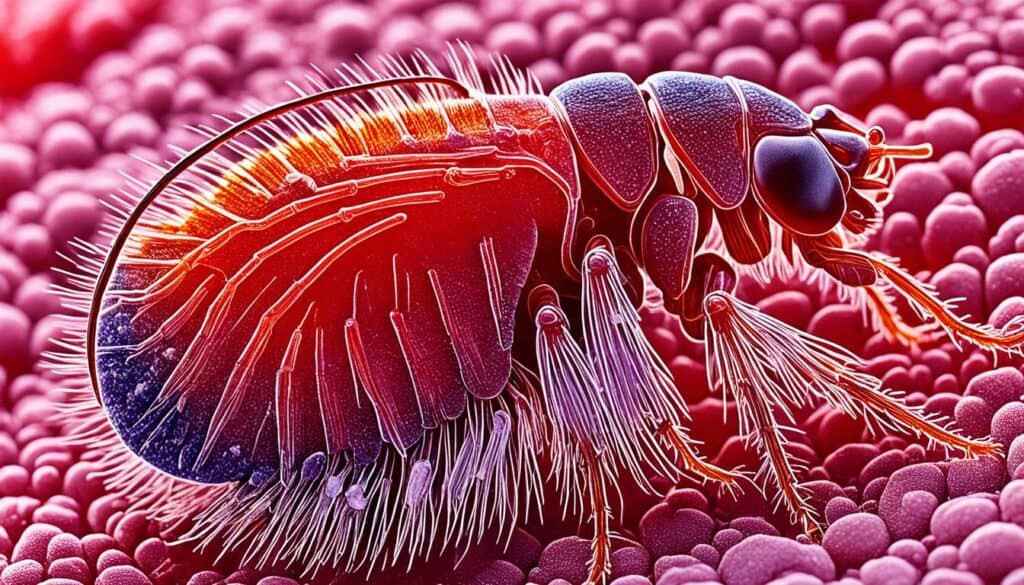
Keeping your dog away from others with fleas is a good step. Be careful when your dog meets new animals. Ensure every pet at home is treated for fleas too.
In places where fleas are common, take extra care. Avoid areas with tall grass or dense woods where fleas can jump on your dog.
Keeping your dog flea-free needs a mix of actions. Proactive steps protect your pet’s health. Here’s how to keep fleas away:
Less time outside lowers flea risk. Fleas love grassy spots. Keep dogs from tall grass and woods. Play in clean, safe areas instead.
Wild animals like squirrels carry fleas. Keep your yard safe from wildlife. Limit your dog’s unsupervised time outside to avoid fleas.
Bath and brush your dog often. Use flea shampoo to kill fleas and clean their coat. Brushing removes fleas and their eggs from fur.
Check your dog for fleas often. Focus on common hiding spots: neck, back, tail base. Look for fleas or red skin. Act fast if you find any.
Flea medications are key. Choose from spot-ons, pills, or collars. Talk to a vet for advice. Follow the treatment plan closely for best results.
With these steps, you can make your dog’s space flea-free. They’ll be happier and healthier.
When you find out your dog has fleas, act fast to help them. First, see a vet for advice on flea treatment. They will suggest the best solutions for your pet. It’s crucial to use these treatments as the vet says.
Handling fleas in your home is also key. Fleas love to hide in carpets and furniture, so cleaning well is a must. You should vacuum all carpets and soft furniture. Always empty the vacuum after to stop fleas from coming back.
Hot water can kill fleas on your dog’s bed. Wash any linens or towels your dog uses too. This stops fleas from spreading around your house.
Choosing safe flea treatments for your home is vital. Ask a pest control expert or find products made for homes. Read and follow the product instructions to keep everyone safe.
Getting rid of fleas means treating both your dog and your home. Fast action, vet advice, and clean surroundings will free your dog from fleas. This will also stop them from scratching and feeling uncomfortable.
If your dog is still battling fleas, it might be time to get help from a vet. Local vet clinics can offer expert advice on top flea treatments. They can also create a plan just for your pet. Treating fleas quickly is key to keeping your dog healthy and happy.
| Vet Clinic | Address | Contact |
|---|---|---|
| Paws and Claws Veterinary Hospital | 123 Main Street | (555) 123-4567 |
| Furry Friends Animal Clinic | 456 Oak Avenue | (555) 987-6543 |
| Healthy Paws Veterinary Center | 789 Elm Road | (555) 246-8109 |
Be ready to tell the vet about your dog’s flea situation when you visit. This includes how bad it is, how long it’s been going on, and what you’ve tried so far. The vet will check your dog carefully to see how serious the flea problem is. They’ll then suggest what steps to take next.
If your pet needs quick relief, the vet might give a treatment right then. This will ease your dog’s discomfort fast. You’ll also learn about the best products to keep fleas away in the future.
“It’s vital to seek a vet’s help for dog flea problems. Vets know how to handle tough flea cases. Your dog will feel better and stay healthy with their help.”
Different dogs need different flea treatments. Things like age, breed, and health matter. Your local vet can give advice that fits your dog perfectly. They’ll help you pick the right flea treatment for your best buddy.
Fleas are a big problem for dogs but can be managed well with the right steps. Keeping up with flea treatments and clean habits is vital. By doing so, pets can stay happy and free from fleas.
It’s super important to treat dogs for fleas regularly. Pet owners should talk to their vet to find the best option. This might mean using spot-on treatments, pills, or collars. Making this a routine can keep fleas away.
Preventing flea contact is also key. Try to limit how much time your dog spends outside. Also, try to keep them away from wild animals. Bathing and combing your dog often can get rid of fleas or eggs. Always check your dog for fleas and talk to a vet if you spot any.
Keeping your surroundings clean is another big step. Tidy up by vacuuming and washing your pet’s bedding. Treat your house and yard to get rid of fleas for good. These steps will help your dog stay cozy and healthy.
Dogs pick up fleas from other animals or places that have fleas. They can get them from playing with infested dogs, roaming in areas with fleas, or from wild animals.
The lifecycle of a flea has four stages: egg, larva, pupa, and adult. Knowing these stages helps in battling flea infestations effectively.
Watch for signs like a lot of scratching, losing hair, bites, and irritated skin. Another clue is finding flea dirt, which is actually flea poop, on your dog.
Dogs can get fleas by being around other animals that have them. They can pick them up from grassy areas, encounters with wild animals, or when they’re in new places.
To keep your dog safe from fleas, lessen time outdoors and avoid wild animals. Regularly bathe and brush your dog. Check them for fleas and use products to prevent fleas from settling in.
Act quickly if your dog gets fleas. Talk to a vet about safe treatments. Keep your living area clean to fight off fleas.
If fleas keep bothering your dog, see a vet for help. They can suggest effective treatments and work out a plan suited for your dog.