 11
11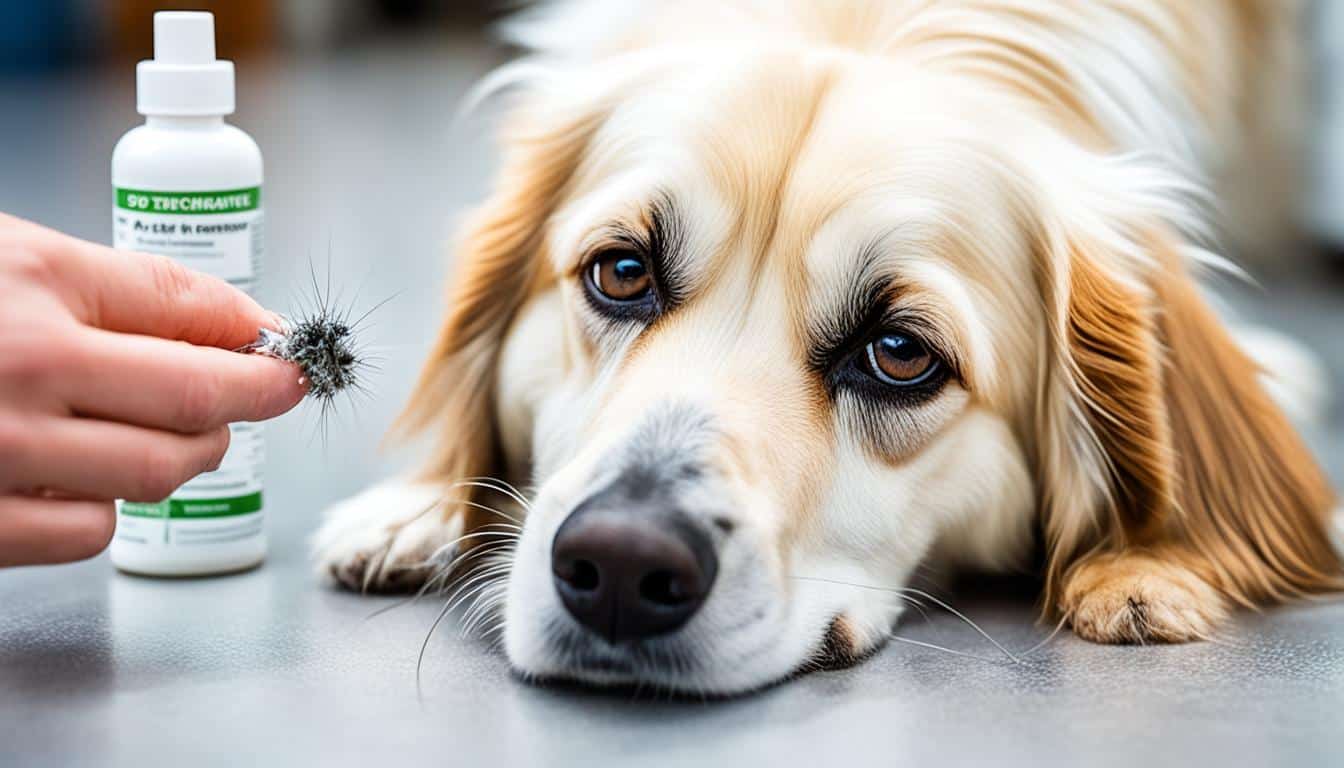

Fleas can really bother your dog, making them uncomfortable and possibly sick. If you notice your dog has fleas, acting fast is important. By learning the right steps, you can get rid of the fleas and make your dog happy again.
It’s vital to know how to find fleas on your dog. These tiny bugs can make dogs very itchy. They can also cause serious problems if not treated. Spotting fleas early helps keep your dog happy and healthy.
Your dog may show several signs if they have fleas:
Keep an eye out for these symptoms to quickly find fleas. Catching them fast lets you get rid of them quicker. Next, we’ll explore more about flea dirt.
“Fleas are tricky but noticing them early is key. Look for scratching, biting, and flea dirt. Quick action helps stop more fleas from coming.”
Flea dirt is a clear sign of fleas. It’s actually flea poop, which looks like tiny, black dots. You often find it near your dog’s skin and the base of their fur.
Look for flea dirt on your dog’s neck, back, or backside. Part the fur to see better. If you find black specks, test them on a damp white paper towel. If they leave reddish spots, it’s flea dirt.
Here’s an image that shows what flea dirt on a dog looks like:
Finding fleas on your dog is crucial for their health. Watch for lots of scratching, biting, licking, and black specks that are flea dirt. Quick action at the first sign of fleas brings relief to your pet. We’ll tell you how to get rid of fleas fast in the next part.
| Signs of Fleas on Dogs | Description |
|---|---|
| Scratching and Biting | Loads of scratching, biting, and licking, especially near the butt and legs |
| Flea Dirt | Black specks in the fur that turn red on wet paper towel |
| Hair Loss and Skin Irritation | Loss of hair and skin problems from non-stop scratching and biting |
When you find fleas on your dog, you’ll want to act fast. Getting rid of these pests quickly is key for your pet’s comfort and health. Here’s how to remove fleas in no time.
A flea comb is a must-have for fighting fleas. It has closely set teeth that catch fleas and their eggs. Here’s how to use one:
Using a flea comb does two things. It gets fleas off your dog and checks if your flea control is working.
Along with a flea comb, oral or topical flea treatments can quickly get rid of fleas. These treatments kill fleas, interrupt their life cycle, or keep new ones away. Talk to a vet to pick the best flea treatment for your dog.
Flea treatments are great at quickly getting rid of fleas and stopping them from coming back. Always use them as your vet directs.
Dogs can get fleas, but there are many ways to help them. You can choose between oral medicines or creams for their skin. These treatments are made to kill fleas and make your dog feel better.
Vets often suggest pills for quick results. These can be chewable or pills and are easy to give to your dog. After your dog takes them, the medicine works by killing fleas that bite your dog.
Some of the popular oral flea medications for dogs include:
Creams you put on the skin are also a good choice for stopping fleas. You apply them between the shoulders, and they protect your dog for a long time. They can also stop other bugs like ticks.
Some of the commonly used topical flea medications for dogs include:
Talk to your vet about which flea medicine is the best for your dog. They will consider your dog’s size, age, and health before recommending the best option. They can also teach you how to use it right.
Medicines for fleas work well, but they must be used correctly. Not following directions or using too much can harm your dog.
| Feature | Oral Flea Medications | Topical Flea Medications |
|---|---|---|
| Administration | Oral tablets or pills | Applied directly to the skin |
| Duration of Effectiveness | Up to 12 weeks | Usually 1 month |
| Targeted Parasites | Fleas and ticks | Fleas, ticks, and other parasites |
| Waterproof | N/A | Yes |
| Prescription Required | Yes | Yes |
Even though natural flea treatments lack scientific backup, they’re safe and offer dogs temporary relief. These remedies often include flea shampoo and sprays. They use natural stuff like essential oils and herbs to fight fleas.
“Natural flea medications can offer a gentle alternative for pet owners who prefer to avoid harsh chemicals,” says Dr. Emily Thompson, a veterinarian at PetCare Clinic. “While they may not be as potent as prescription medications, they can provide some relief and peace of mind.”
Remember to talk to a vet before trying natural flea treatments on your dog. Some dogs might react badly to the natural ingredients. A vet can suggest the safest remedies and how to use them right.
Interested in natural flea solutions for your dog? Consider flea shampoo and flea sprays:
Making natural flea treatments work means keeping your dog clean. Bathe them, brush them, and use a flea comb regularly. Also, keep their living area clean. This helps keep fleas away.
| Natural Flea Medication | Pros | Cons |
|---|---|---|
| Flea Shampoo | – Kills and repels fleas on contact – Soothes irritated skin |
– Temporary relief – May require frequent use |
| Flea Sprays | – Can repel and kill fleas – Easy to apply – Can be used on bedding |
– Temporary relief – May need frequent application |
Keep in mind, natural flea fixes don’t protect as long as vet-prescribed treatments. They give temporary relief but should be part of a bigger flea control plan.
It’s crucial to fight fleas in your home as well as on your dog. Fleas can multiply fast and take over areas like your carpets, furniture, and bedding. To get rid of fleas from your house, you must take the right steps.
Vacuuming often is key to removing fleas from your home. Make sure to vacuum your carpets, rugs, and furniture well. Focus on spots where your pet hangs out, since fleas love these areas. Regular vacuuming can greatly lower the number of fleas in your home.
Using flea sprays or powders is another good way to tackle fleas in the house. These sprays are made to kill fleas right away. They have insecticides that stop adult fleas from having more fleas. Always follow the directions and spray all places fleas might be, like your carpets, furniture, and pet bedding.
Treating your home for fleas means more than just caring for your dog. By cleaning thoroughly and using flea sprays, you can keep your home flea-free.
Wash your pet’s bedding often to control fleas in your home. Fleas lay eggs in bedding, so washing it in hot water helps kill them. Use a pet-safe detergent and dry the bedding well before your pet uses it again.
| Treatment Method | Effectiveness | Ease of Use | Duration of Action |
|---|---|---|---|
| Vacuuming | High | Easy | Short-Term |
| Flea Sprays | High | Moderate | Short-Term |
| Washing Bedding | High | Easy | Short-Term |
Using these methods together makes it more likely you’ll get rid of fleas for good. Keep treating your dog and use preventive steps to stop more fleas. Talk to a vet for more advice if fleas keep coming back despite your efforts.
Prevention is key to keeping your dog free of fleas. Monthly flea and tick preventative meds offer year-round protection. These keep your furry friend safe.
Using flea prevention medication is the best step. These meds kill fleas and prevent them from infesting your dog and home. They are available as topical treatments, oral medications, and collars.
Topical meds are applied to your dog’s skin. Often between the shoulder blades or along the back. They kill fleas, prevent eggs from hatching, and repel ticks.
Frontline Plus is a well-known topical treatment. It protects against fleas, ticks, and lice for a month. It’s easy to apply and waterproof, working even when wet.
Oral meds come as chewable tablets or soft chews. They work from inside, killing fleas that bite your dog.
NexGard is used often. It kills fleas and ticks for a month. Dogs love its beef flavor, making it easy to give.
Flea collars are another way to fight fleas. Containing active ingredients, they repel and kill fleas. This gives dogs long-lasting protection.
Seresto is an effective flea collar. It works against fleas and ticks for up to 8 months. It’s odorless, non-greasy, and fits comfortably on dogs of all sizes.
It’s important to use flea prevention consistently as directed. This ensures they work well. Always talk to your vet to choose the best flea fight plan for your dog.
| Flea Prevention Medication | Form | Duration | Target Pests | Key Benefits |
|---|---|---|---|---|
| Frontline Plus | Topical Treatment | 1 month | Fleas, ticks, chewing lice | Waterproof, long-lasting |
| NexGard | Oral Medication | 1 month | Fleas, ticks | Easy to administer, tasty |
| Seresto | Flea Collar | 8 months | Fleas, ticks | Odorless, adjustable, long-lasting |
Apple cider vinegar is a natural flea repellent. It can aid in the fight against these annoying bugs. By mixing apple cider vinegar with water and putting it on your dog’s coat, you can keep fleas away. This also comforts your furry buddy.
But, remember that apple cider vinegar might not be as strong as medicine. Even though it can help repel fleas, you should talk to your vet. It’s especially true if your dog has a lot of fleas.
Want to try apple cider vinegar to keep fleas off? Here’s what to do:
Apple cider vinegar can help keep fleas away for a while. But, it’s not a guaranteed fix. Always use flea meds from your vet to really control fleas.
Apple cider vinegar offers several perks as a natural flea deterrent:
Apple cider vinegar can be a helpful tool in fighting fleas. But, each dog reacts differently to it. Always check with your vet before trying new flea control methods, especially if your dog has health issues or allergies.
A flea comb is key for taking fleas off your dog’s fur. It does more than just remove fleas. It also lets you see how bad the infestation is and keeps your dog comfy. Regular combing keeps fleas away for good.
Start with a flea comb that has narrow, close teeth. This catches adult fleas, their eggs, and flea dirt. Gently comb your dog from head to tail. Pay extra attention to the neck and tail areas.
Look for fleas or flea dirt while combing. Fleas look like small, dark bugs. Flea dirt looks like tiny black specks. Find any and put them in soapy water. This stops them from going back to your dog.
Combing not only gets rid of fleas but also tracks them. Keep an eye on the flea count each time you comb. This shows if your flea control is working. See more fleas than before? Talk to your vet about other flea treatments.
Comb often, especially during an infestation. Do it in a place where your dog feels at ease. Use soft strokes to avoid hurting your dog. Make it enjoyable with treats or praise.
| Flea Comb Tips |
|---|
| Choose a flea comb with narrow, closely spaced teeth. |
| Start combing from the head to the tail, paying attention to areas where fleas hide. |
| Look for signs of fleas, including small dark bugs and black specks of flea dirt. |
| Remove any fleas or flea dirt from the comb and place them in soapy water to drown them. |
| Monitor the flea population on your dog by keeping track of the number of fleas you find during each combing session. |
| Perform flea combing daily during a flea infestation. |
Sometimes, home treatments for fleas aren’t enough and your dog needs a vet. Knowing when to get professional help for their flea problems is crucial. Vets offer detailed checks and special treatments to make your dog feel better.
If your dog reacts badly to flea bites, they might have flea allergy dermatitis. This allergy causes a lot of itching, red skin, and irritation. Look for signs like your dog scratching a lot, skin sores, or losing hair. In such cases, a vet can help with medicine and advice.
Fleas can also spread tapeworms to your dog. This happens when dogs swallow fleas that have tapeworm eggs. If you see tiny, white pieces in your dog’s poop or near their rear, they might have tapeworms. A vet visit is needed to properly diagnose and treat this.
It’s key to catch and treat flea problems early. If your dog seems uncomfortable or shows worrying signs, see a vet for their health.
Other signs also point to the need for a vet with flea troubles. These signs are:
Seeing any of these in your dog means you should talk to a vet. They’ll check your dog thoroughly, gauge the flea problem’s scale, and suggest what to do next.
But, don’t forget prevention is best for dealing with fleas. Keep up with flea control and a clean home to avoid these issues and vet visits.
To rid your home of fleas, you need a full plan. Follow these steps to get rid of fleas and keep your home safe for pets.
Begin by cleaning all bedding, blankets, and linens that pets use. Wash these items in hot water with a flea-targeting detergent. This kills fleas and their young hidden in fabrics.
Vacuuming is key for getting rid of fleas. Focus on your pets’ favorite areas and furniture. It removes fleas, their eggs, and larvae from fabrics, stopping their growth.
Besides washing and vacuuming, use products meant to kill fleas indoors. Think about using sprays, powders, or foggers made for the inside of your home. They attack adult fleas and block new fleas from coming.
Don’t forget fleas can live outside too. Treat outdoor spaces with products for the yard. Focus on shaded spots and around places pets hang out, as fleas like these areas.
If fleas keep coming back, it might be time to call an expert. Pest control pros have special methods for getting rid of fleas for good.
With these strategies and a solid plan, you can get rid of fleas. Your home will be safer and more comfortable for everyone.
| Pros | Cons |
|---|---|
| Effective in eliminating fleas | May require multiple treatments |
| Provides long-lasting results | Some products may contain chemicals |
| Targets fleas at all stages of their life cycle | Professional services can be costly |
Fleas can be a big problem for dogs, causing irritation and health problems. But, you can manage fleas well with the right steps and treatments. It’s important to act fast if your dog gets fleas. This stops the problem from getting worse.
There are many treatments for fleas, like oral and topical meds made just for dogs. These treatments work great to kill fleas and make your dog feel better.
Preventing fleas is also key to keeping your dog happy. Regular use of flea prevention meds provides protection all year long. By sticking to a prevention plan, your dog stays safe from fleas and their health risks.
In short, dealing with fleas quickly and using both treatment and prevention helps a lot. Treating fleas right away and using preventive steps keeps your dog’s living space free of fleas.
Dogs with fleas often scratch and bite themselves. They mostly do this around their backside and hind legs. You may also see flea dirt, which looks like tiny black pepper specks, on their skin.
Use a flea comb to quickly remove fleas from your dog. For a longer-lasting solution, try oral or topical flea medications.
For dogs, there are oral and topical flea medications. Vets often suggest oral meds because they work fast and are very effective.
Natural flea treatments exist but may not always work. Flea shampoos and sprays can offer some relief. Always check with a vet before trying natural remedies on your dog.
To get rid of fleas at home, vacuum often. Also, use flea sprays or powders. Don’t forget to wash all bedding as well.
The best prevention against fleas is to treat your dog regularly with flea and tick medication. Make sure to keep up with treatments all year for the best protection.
Apple cider vinegar can help keep fleas away from your dog. Mix it with water and lightly apply it to your dog’s coat. But, remember that it might not work as well as actual flea meds.
A flea comb is great for removing fleas from your pet’s fur. Comb daily, especially around the neck and tail. Always dip the comb in soapy water to kill the fleas.
If your dog is tired, losing weight for no reason, has worms in their poop, or pale gums, see a vet. These could be signs of a serious flea problem.
To remove fleas from your home, you’ll need to do some deep cleaning. This means washing all bedding, vacuuming everywhere, and using flea control products. Don’t forget to treat your yard, too.
Stop fleas on your dog by acting quickly and using preventive care. Treating your dog, home, and sticking to flea meds are your best moves.