 11
11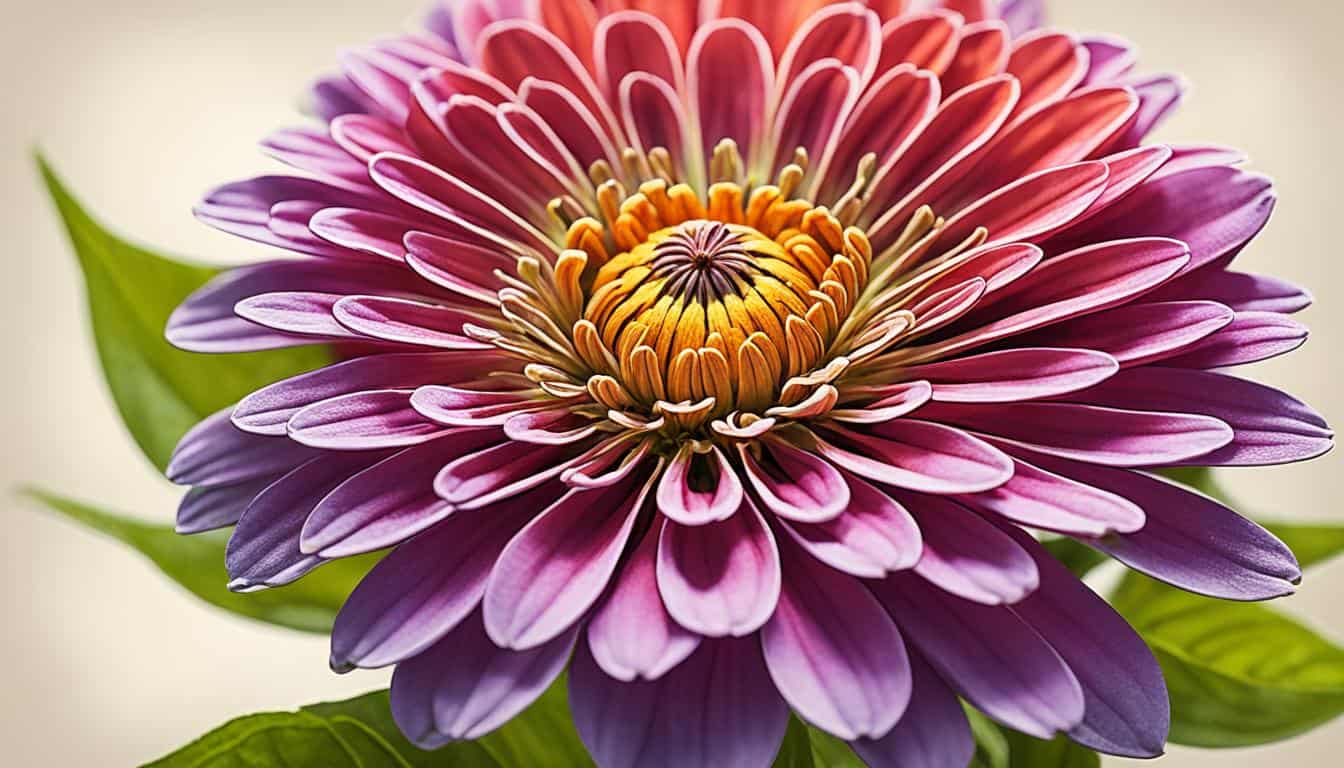

Zinnias are a popular flower known for their vibrant colors and are commonly found in gardens and bouquets. When it comes to the safety of cats, it is important to know whether zinnias are toxic or safe for feline friends. In this comprehensive pet safety guide, we will explore the potential toxicity of zinnias for cats and provide tips for creating a cat-friendly garden.
While flowers can bring beauty and color to any space, it’s essential to be aware that some flowers can be harmful and even toxic to cats if ingested. Here are some dangerous flowers that pet owners should be cautious of:
Lilies, such as Easter lilies and tiger lilies, are highly toxic to cats. Ingesting any part of the lily plant, including the leaves, flowers, or even the water from a vase, can cause severe kidney damage to cats.
Tulips and daffodils belong to the lily family and can cause similar toxic effects in cats. These flowers contain alkaloids that can irritate the digestive system and cause symptoms like vomiting, diarrhea, and even cardiac abnormalities.
Chrysanthemums, also known as mums, contain a toxic compound called pyrethrin. Ingesting chrysanthemums can cause vomiting, excessive drooling, and even skin irritation in cats.
Hyacinths are beautiful spring flowers that contain toxic alkaloids. Ingesting hyacinths can cause symptoms like vomiting, diarrhea, depression, and even tremors in cats.
Baby’s breath, commonly used as a filler flower in bouquets, is toxic to cats if ingested. Ingestion can lead to gastrointestinal upset and difficulty breathing.
Calla lilies, with their elegant white blooms, can be harmful to cats. These flowers contain insoluble calcium oxalate crystals that can cause intense oral irritation and discomfort if chewed or ingested.
Gladiolus flowers contain a toxin called colchicine, which is toxic to cats. Ingesting gladiolus can lead to symptoms like drooling, vomiting, and diarrhea.
If you suspect that your cat has ingested any of these toxic flowers, it’s important to seek veterinary attention immediately. Prompt treatment can help mitigate the harmful effects and ensure the well-being of your feline companion.
To prevent accidental ingestion, it’s crucial for cat owners to be cautious when selecting flowers and ensure that any potentially toxic plants are kept out of reach of their feline companions. Creating a safe and cat-friendly environment is essential for the health and well-being of your beloved pets.
| Flower | Toxicity |
|---|---|
| Lilies | Highly toxic; can cause kidney damage |
| Tulips and Daffodils | Can cause gastrointestinal symptoms and cardiac abnormalities |
| Chrysanthemums | Contain pyrethrin and can cause digestive upset |
| Hyacinths | Contain toxic alkaloids; can cause various symptoms |
| Baby’s Breath | Can cause gastrointestinal upset and difficulty breathing |
| Calla Lilies | Contain insoluble calcium oxalate crystals; can cause oral irritation |
| Gladiolus | Contain colchicine; can cause gastrointestinal symptoms |
While enjoying the beauty of flowers, it is essential to consider the safety of our beloved feline companions. Fortunately, there are numerous flowers that are safe and non-toxic for cats, allowing you to create a cat-friendly environment without any worries. By incorporating these pet-safe flowers into your home or garden, you can ensure the well-being of your furry friend.
By incorporating these beautiful and pet-safe flowers into your home or garden, you can create a harmonious space where both you and your feline companion can thrive. Remember to avoid any flowers that are known to be toxic to cats, ensuring their safety and well-being at all times.
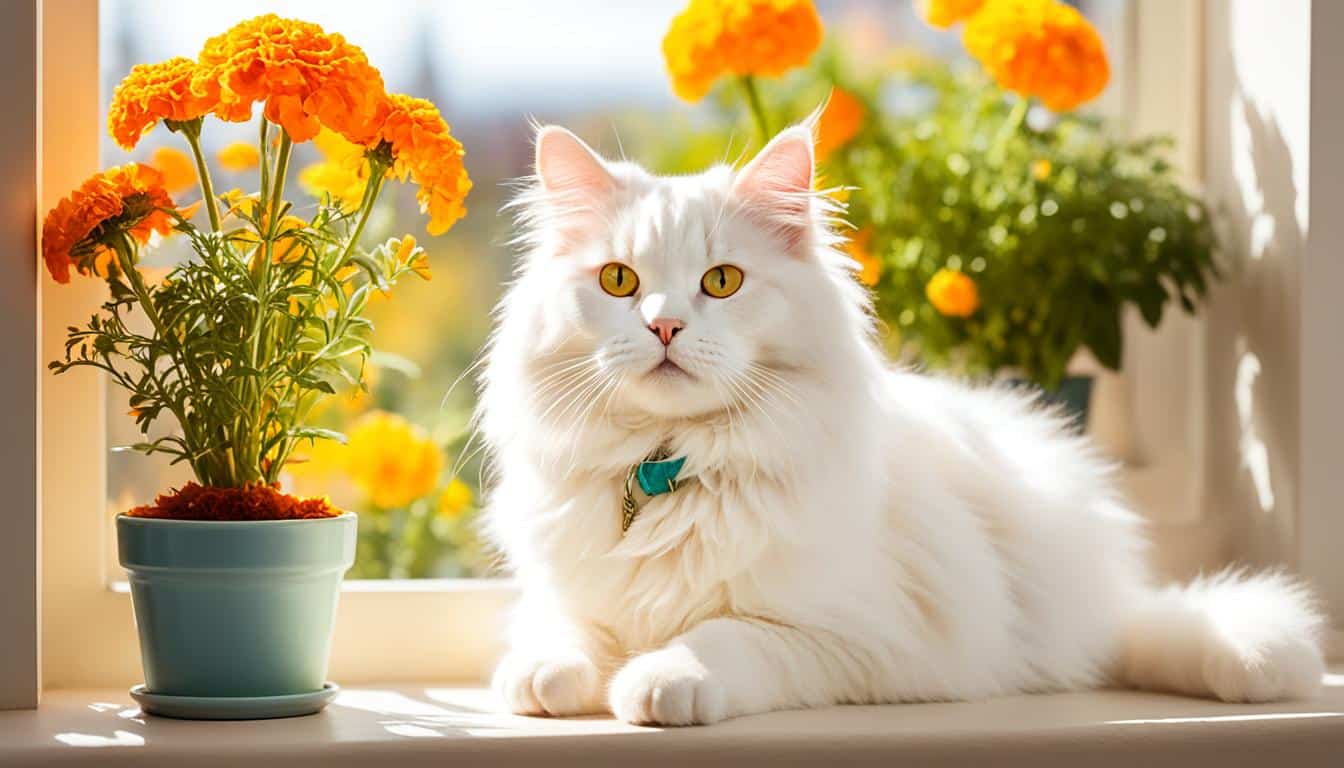
When it comes to zinnias specifically, cat owners can breathe a sigh of relief. Zinnias are non-toxic and safe for cats. If a cat were to nibble on or ingest a zinnia, it would not cause any harm or toxicity to the feline. Zinnias can be enjoyed in bouquets, gardens, or even as potted plants without any concerns.
Zinnias, with their vibrant colors and intricate petal formations, are a popular choice for flower enthusiasts. They add a touch of elegance to any garden or floral arrangement. The best part is that zinnias pose no risk to our feline friends. Whether you have a curious indoor cat or a free-roaming garden explorer, you can have peace of mind knowing that zinnias are a safe choice.
These stunning flowers have been extensively studied and found to be non-toxic to cats. Even if your feline companion decides to nibble on a zinnia leaf or flower, there is no need to panic. Zinnias do not contain any harmful substances that could potentially harm your furry friend.
However, it is important to remember that while zinnias are safe for cats, other flowers in a bouquet or arrangement may still pose a risk. It is crucial to carefully inspect any flower arrangement for toxic flowers before bringing it into your home. Keep your cat’s safety in mind and ensure that any potentially harmful flowers, such as lilies or tulips, are removed.
To summarize, zinnias are a beautiful and safe flower choice for cat owners. Their non-toxic nature allows you to enjoy their vibrant beauty without worrying about the health and well-being of your feline companion. So go ahead, incorporate zinnias into your home and garden decor, knowing that you are providing a safe environment for your beloved cat.
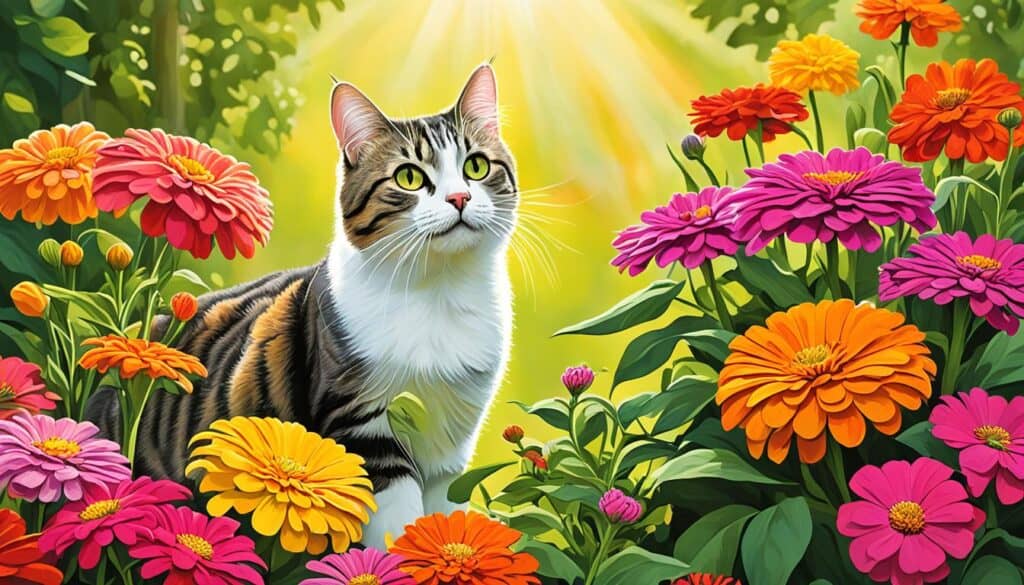
While zinnias may be safe for cats, it’s important to remain cautious when it comes to other flowers in a bouquet or arrangement. Even if you have checked the safety of the zinnias, there could still be hazards associated with other flowers present. For instance, if the bouquet contains lilies or other toxic flowers, even a small exposure or ingestion can pose significant risks to your feline companions. Cats are curious creatures, and their explorations might lead them to nibble on a bouquet, so it’s crucial to take precautions.
Furthermore, certain flower arrangements may include fertilizers or preservatives that could be harmful to cats if consumed. These additives are designed to extend the lifespan of flowers but can be toxic to our furry friends. It’s crucial to be mindful of the potential dangers lurking within the bouquet.
To ensure the safety of your cat, it’s recommended to thoroughly inspect the entire bouquet for any potentially toxic flowers. Look for common danger signs such as lilies, tulips, daffodils, chrysanthemums, hyacinths, baby’s breath, calla lilies, and gladiolus. If any of these appear in the bouquet, remove them before bringing the flowers into your home. Taking this precautionary step will help safeguard your cat from the hazards of other flowers.
“Cats are notorious for their curiosity, and it’s our responsibility as pet owners to protect them from potential dangers. It’s always better to err on the side of caution and remove any potentially toxic flowers from their reach.”
If you’re unsure about the safety of certain flowers, consult resources such as the ASPCA website, which provides a comprehensive list of plants that are toxic or safe for pets. Educating yourself and being proactive in ensuring a cat-friendly environment will go a long way in safeguarding your feline companion.
Precautions to Keep Your Cat Safe Around Flowers
- Avoid toxic flowers: Remove any potentially toxic flowers, such as lilies, from bouquets and arrangements.
- Check for additives: Ensure flower arrangements do not contain fertilizers or preservatives that could be harmful to cats.
- Research flowers: Familiarize yourself with the safety of different flowers before bringing them into your home.
- Monitor your cat: Keep an eye on your cat’s behavior around flowers and intervene if necessary.
- Create a cat-friendly environment: Designate safe areas and provide alternative activities to keep your cat entertained.
By taking these precautions and remaining vigilant, you can enjoy the beauty of flowers while minimizing any risks to your beloved feline friend.
Creating a cat-friendly garden not only provides a safe and enjoyable outdoor space for your feline companion but also enhances their overall well-being. By considering cat-friendly gardening practices and incorporating safe plants for cats, you can create a feline-friendly haven right in your backyard. Here are some feline-friendly garden tips to get you started.
When selecting plants for your cat-friendly garden, opt for non-toxic flowers that will not pose any harm if your furry friend decides to nibble on them. Some safe plant options for cats include:
Avoid planting any toxic flowers that could potentially harm your cat if ingested. It’s crucial to double-check the safety of any plant before adding it to your garden.
Cats love to climb and explore their surroundings. Incorporate vertical spaces such as cat trees, scratching posts, or even shelves and platforms to give your cat the opportunity to satisfy their natural climbing instincts. Vertical spaces not only provide enrichment but also help create a dynamic and engaging environment for your furry friend.
Cats enjoy spending time outdoors, but they also need safe and shaded spots to relax and cool down. Consider adding shaded areas in your garden, such as covered patios, pergolas, or trees that provide a natural canopy. These shaded areas will give your cat a comfortable place to enjoy the outdoors without being exposed to direct sunlight for extended periods.
When maintaining your cat-friendly garden, it’s important to prioritize the safety of your cat by avoiding the use of chemical pesticides or fertilizers. These products can be harmful if ingested or come into contact with your cat’s fur and paws. Opt for natural or organic alternatives to keep your garden healthy and safe for your feline friend.
Creating a cat-friendly garden not only benefits your cat’s physical and mental well-being but also provides you with a beautiful space to enjoy together. By incorporating these feline-friendly garden tips and choosing safe plants for cats, you can create a harmonious outdoor environment where both you and your cat can thrive.
As a responsible cat owner, it’s crucial to be able to recognize the symptoms of flower poisoning in cats. If your furry friend has ingested a toxic flower, they may exhibit various signs of plant toxicity. Keep a close eye on your cat’s behavior and watch out for the following:
If you notice any of these symptoms in your cat, it’s essential to take immediate action. Flower ingestion symptoms in cats can be severe and may even lead to organ failure if left untreated.
If you suspect that your cat has ingested a toxic flower, it is crucial to seek veterinary attention right away. Time is of the essence when it comes to treating flower poisoning in cats. Contact your veterinarian and provide them with as much information as possible, including the type of flower your cat may have ingested.
Emergency treatment may involve inducing vomiting or administering activated charcoal to absorb any toxins in your cat’s system. In some cases, your veterinarian may need to provide supportive care, such as fluid therapy or medications, to counteract the effects of the flower toxicity.
While it may be tempting to try home remedies or wait for symptoms to subside, it’s important to remember that flower poisoning in cats can be life-threatening. DIY treatments or delaying veterinary care can worsen your cat’s condition and increase the risk of complications.
Always consult a professional veterinarian for expert advice and guidance. They have the knowledge and experience to provide appropriate treatment tailored specifically to your cat’s needs.
Remember, when it comes to flower poisoning in cats, time is of the essence. Don’t hesitate to seek immediate veterinary care to ensure your furry friend’s well-being.
By staying vigilant and educating yourself about the signs of flower toxicity, you can protect your beloved feline companion from potential harm.
Recognizing the symptoms of flower poisoning in cats is crucial for maintaining their health and well-being. Symptoms such as vomiting, diarrhea, lethargy, loss of appetite, and drooling may indicate flower ingestion in cats. Prompt veterinary attention and proper treatment are essential in these situations. Remember, it’s always best to consult a professional veterinarian rather than attempting home remedies. By being proactive and aware, you can help keep your cat safe from the dangers of flower toxicity.
To keep your beloved feline safe and sound around flowers, it is essential to take proper precautions and follow these helpful tips. By implementing these measures, you can ensure that your cat remains protected from potential harm while still enjoying the beauty of flowers in your home or garden.
If you have flowers that are toxic to cats, such as lilies or chrysanthemums, it is crucial to keep them in secure areas or use hanging baskets to prevent your curious cat from accessing them. This simple step can significantly reduce the risk of accidental ingestion and potential poisoning.
If you have indoor plants, it is important to ensure they are non-toxic to cats. Some common houseplants, such as pothos or lilies, can pose a threat to your cat’s well-being if ingested. Before adding any new plants to your collection, make sure to research their safety for feline friends.
To prevent accidental ingestion, be diligent about removing fallen petals or leaves from flowers in your home. Cats may be tempted to play with or nibble on them, unaware of their potential danger. Regularly inspect and clear away any plant debris to safeguard your cat’s health.
Regularly observe your cat’s behavior and watch for any signs of curiosity or interest in flowers. Cats may exhibit a range of behaviors when they encounter flowers, including sniffing, pawing, or even chewing. By paying attention to their actions, you can quickly intervene and redirect their attention away from potentially harmful floral arrangements.
Knowing which flowers and plants are safe for cats is essential. Familiarize yourself with a variety of cat-friendly options, such as roses, sunflowers, snapdragons, and zinnias. By selecting safe alternatives, you can create a beautiful environment for both you and your feline friend.
By following these simple precautions and tips, you can ensure a safe and harmonious environment for your cat, where they can coexist with flowers without any worries. Remember, a little care and consideration go a long way in keeping your furry friend safe and happy.
| Precaution | Description |
|---|---|
| Secure Toxic Flowers | Place them in secure areas or use hanging baskets to prevent your cat from accessing them. |
| Verify Indoor Plants | Ensure they are non-toxic to cats before introducing them to your home. |
| Remove Fallen Petals and Leaves | Regularly clean up fallen plant debris to avoid accidental ingestion. |
| Monitor Your Cat’s Behavior | Observe and redirect your cat’s attention away from flowers if they show interest. |
| Educate Yourself on Cat-Safe Flowers and Plants | Familiarize yourself with a variety of safe flower options for your feline friend. |
For pet owners seeking further information and resources on pet safety, including a comprehensive list of plants that are toxic or safe for pets, the ASPCA website is an invaluable resource. With its extensive database, the ASPCA provides a detailed guide outlining the toxicity levels of various plants to cats and other pets. This resource empowers pet owners to make informed decisions about the flowers and plants they bring into their homes, ensuring the well-being of their furry companions.
Whether you are a seasoned pet owner or a new cat parent, the ASPCA website offers a wealth of information that can help you create a safe environment for your beloved pets. Utilizing the resources available through the ASPCA, you can gain a better understanding of pet-safe plants and take proactive measures to keep your furry friends away from toxic flora.
To provide a comprehensive reference, the ASPCA offers a toxic plant list that highlights common plants that present a threat to pets. This extensive resource categorizes plants into sections, making it easy for pet owners to identify potential risks and learn how to mitigate them.
Here is a sneak peek of the top toxic plants for pets:
| Plant | Toxicity Level |
|---|---|
| Lilies (Lilium spp.) | Highly Toxic |
| Tulips (Tulipa spp.) | Moderately Toxic |
| Daffodils (Narcissus spp.) | Moderately Toxic |
| Chrysanthemums (Chrysanthemum spp.) | Moderately Toxic |
This is just a small glimpse of the toxic plant list available on the ASPCA website. By referring to this comprehensive resource, pet owners can gain a deeper knowledge of the potential dangers that certain plants pose to their pets, allowing them to make educated choices about the flora they bring into their homes.
Remember, an informed pet owner is a proactive pet owner. Utilize the resources provided by the ASPCA to create a safe and welcoming environment for your pets, free from any potential plant-related hazards.
In conclusion, zinnias are non-toxic and safe for cats. This makes them a great choice for cat-friendly gardens and bouquets. However, it is important for cat owners to remember that not all flowers are safe for feline companions. Many common flowers can be toxic if ingested, posing a risk to the health and well-being of cats.
When selecting flowers for your home or garden, it is crucial to research and choose pet-safe options. Avoid flowers such as lilies, tulips, daffodils, and chrysanthemums, which can be toxic to cats. Instead, consider cat-safe flowers such as roses, sunflowers, snapdragons, carnations, and the non-toxic zinnias.
By creating a cat-friendly environment and monitoring your cat’s behavior, you can enjoy the beauty of flowers while keeping your feline friend safe and healthy. Remember to remove any fallen petals or leaves, keep toxic flowers out of reach, and consult resources such as the ASPCA’s toxic plant list for more information. With these precautions in place, you can ensure that your cat can safely enjoy their surroundings without any flower-related hazards.
No, zinnias are non-toxic and safe for cats.
Lilies, tulips, daffodils, chrysanthemums, hyacinths, baby’s breath, calla lilies, and gladiolus are among the flowers that are toxic to cats.
Roses, sunflowers, snapdragons, carnations, orchids, gerbera daisies, zinnias, and African violets are among the flowers that are safe for cats.
Yes, zinnias are non-toxic and safe for cats.
Some flowers, such as lilies, can be toxic to cats even in small amounts. Flower arrangements may also contain fertilizers or preservatives that could be harmful to cats. It is important to check bouquets for any potentially toxic flowers and remove them before bringing them into your home.
To create a cat-friendly garden, plant non-toxic flowers such as roses, sunflowers, snapdragons, carnations, and zinnias. Provide vertical spaces for climbing, shaded areas, and avoid using chemical pesticides or fertilizers that could be harmful to cats.
Symptoms of flower toxicity in cats may include vomiting, diarrhea, lethargy, loss of appetite, drooling, and even organ failure.
Cat owners should keep toxic flowers out of reach, remove fallen petals or leaves, monitor their cat’s behavior around flowers, and seek veterinary attention immediately if ingestion of a toxic flower is suspected.
The ASPCA provides a comprehensive list of toxic and non-toxic plants for cats and other pets on their website, which can help pet owners make informed decisions.