
 11
11

The bond between humans and cats is strong. But, worries about diseases from cats to humans exist. One big worry is if people can get worms from cats. We need to understand zoonotic diseases and the risks of getting worms from cats. This article talks about the risk and how to stop worms from cats to humans. It aims to keep pets and their owners safe and healthy.
Zoonotic diseases can jump from animals to people. They are especially important to understand when we talk about cats. Zoonotic diseases include many types of infections. Cat parasites moving to humans are a big example.
Humans can get cat parasites through touch or if their environment is contaminated. This can be a big health risk. It’s especially risky for babies, older folks, and those with weak immune systems. Those having chemotherapy or living with AIDS are in real danger.
Knowing these health risks from cats is key to avoid serious illnesses. Regular vet visits and clean habits help a lot. Being aware of zoonotic diseases and how they spread is crucial for keeping people and cats safe.
Cat parasite risks to people show why it’s important to act early to stay safe. If we’re aware of the dangers and take the right steps, we can prevent problems. This helps keep everyone in the home safe.
Knowing about feline intestinal parasites is key for our pets’ and our health. Here are the common worms in cats that can be harmful to both pets and people.
Roundworms in cats are a major kind of feline intestinal parasites. These worms feed on the food in the intestines and get big. Eggs from these worms get into the cat’s poop and can spread to others, risking health problems.
Hookworms in cats hook onto the intestines’ inside walls, leading to damage and blood loss. These worms come from eating them or through the skin from dirty soil. Eggs go out in poop and can live outside, dangerous to animals and people.
Tapeworms in cats come from eating infected fleas. Inside the cat, they stick to the intestines and grow long, releasing egg-filled segments. You can sometimes see these segments, looking like rice, in the cat’s poop or near its bottom. Humans can get tapeworms too, by swallowing an infected flea.
It’s vital to identify and treat these common worms to protect cats and humans. Going to the vet regularly and getting deworming treatments helps control these feline intestinal parasites.
| Parasite | Transmission Method | Impacts on Cats | Risks to Humans |
|---|---|---|---|
| Roundworms | Ingesting eggs from feces or contaminated environment | Weight loss, vomiting, diarrhea, potbellied appearance | Potential for visceral larva migrans |
| Hookworms | Percutaneous infection or ingestion | Anemia, weight loss, bloody stool | Cutaneous larva migrans |
| Tapeworms | Ingestion of infected fleas or rodents | Weight loss, segments in feces | Ingestion of infected fleas can lead to infection |
Understanding how diseases move from cats to people is key to stopping parasitic infections. Many cat parasites can infect humans in different ways. These ways include touching sick cats, bites from fleas, and dirty environments.
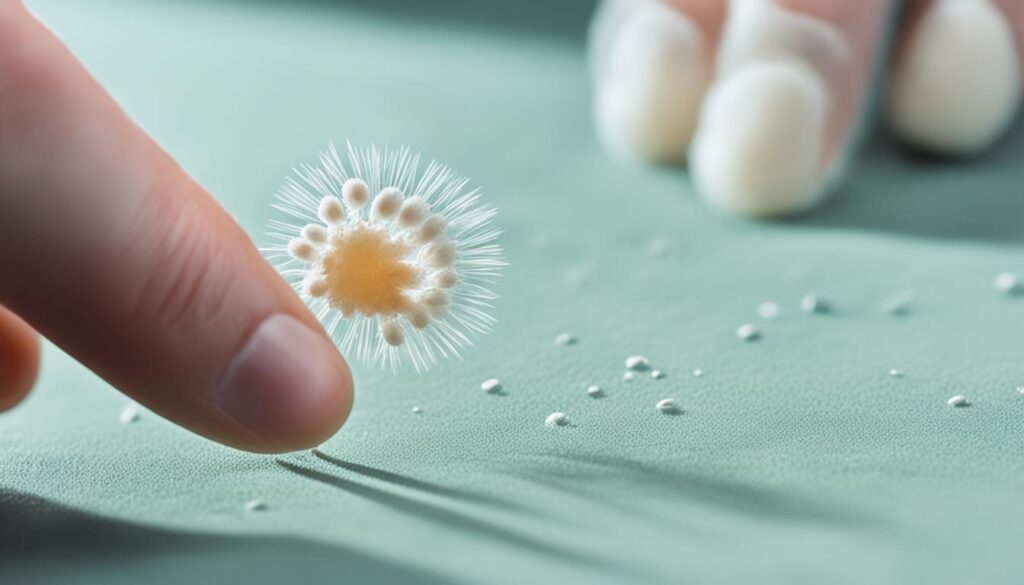
Touching sick cats is a common way people get parasites. Parasites like Toxocara canis and Toxocara cati can jump to people this way. It’s important for cat owners to keep clean to lessen these risks.
Fleas are big players in moving parasites from cats to people. Fleas carry tapeworm larvae which can infect both cats and humans. A house with fleas makes it more likely for people to get these worms. Keeping fleas off cats helps stop this.
Dirt can also spread cat parasites to people. Parasites can live in cat poop and dirty soil. This is a worry because people, especially kids playing outdoors, might touch this soil. This could lead to infections.
“The risk of getting diseases from cats can be much lower if we keep things clean and take our pets to the vet often.”
For cat owners, knowing how parasites spread is critical to keeping safe. Being aware and taking action can greatly lower the chance of getting sick from cat parasites.
| Transmission Method | Description | Preventive Measures |
|---|---|---|
| Direct Contact | Parasitic transfer through physical interaction with infected cats. | Proper hygiene practices after handling pets. |
| Flea Vectors | Parasites transmitted via flea bites and infestations. | Regular flea control and treatment for pets. |
| Environmental Contamination | Exposure to parasites in contaminated soil or feces. | Adequate sanitation and avoiding contact with potentially contaminated areas. |
Sharing our homes with animals can raise health issues. Risks of cat worms for humans are among these concerns. The worry is about feline-to-human worm transmission. It’s real, not just something we imagine.
Roundworms, hookworms, and tapeworms from cats can harm humans. Touching an infected cat or its poop can transfer worms. Being in places where the cat hangs out is also risky.
Also, if cat poop gets into soil, the risk goes up. Risks of cat worms for humans become higher.
Homes with many pets or areas with stray cats see more worm risk. Taking pets to the vet often helps. So does staying clean.
It’s vital to know the risks of cat worm infections. This is especially true for people with vulnerable immune systems or those around dirty places. We’ll look into two big reasons for these risks below.
People who can easily catch bugs from parasites face a big risk. This includes the young, the old, and those with health issues like diabetes. It also includes people on certain medical treatments. These issues make it easier for parasites to cause bad infections.
Touching dirt that sick cats have been in is a big risk. This soil often has tiny worm eggs from cat poop. These eggs can get into people through the skin or if they swallow dirt. This is why things like gardening or playing in sand can be risky.
| Risk Factor | Description | Preventative Measures |
|---|---|---|
| Immune System Vulnerability | Those with weakened immune systems have higher immune system susceptibility to parasites. | Regular medical check-ups, balanced diet, and avoiding exposure to infected cats. |
| Contact with Infected Soil | Activities in contaminated soil can lead to infection with soil-transmitted helmints. | Wearing gloves while gardening, ensuring pets are dewormed, and maintaining proper hygiene. |
Finding worms from cats in people can be hard. They show up in many ways. Knowing these signs helps catch them early for treatment.
“The health risks of parasitic infections transferred from cats to humans are real and should not be underestimated.” – Centers for Disease Control and Prevention
What symptoms appear can vary by the worm type. With roundworms, you might get belly pain, see worms in stool, or not feel hungry. Hookworms may make you itch, cause red sore spots where they enter the skin, and lead to anemia from losing blood in your gut. Tapeworms could cause tummy issues. You might also see tapeworm pieces in your stool.
Catching these worms early is key. Without treatment, they can harm your organs. So, watch for these signs from cat worms in people. See your doctor for regular checks.
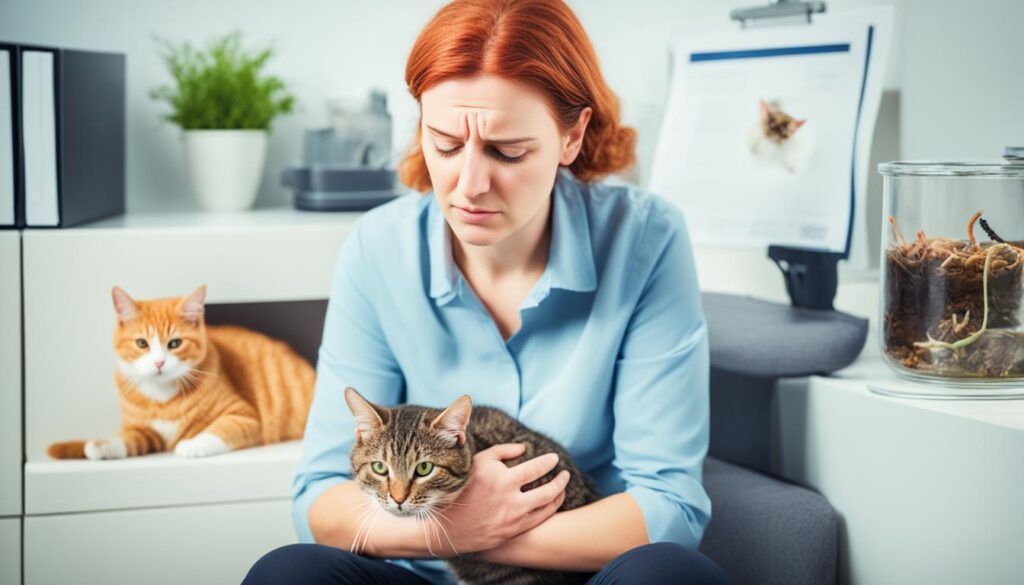
Knowing what symptoms to look for is important. If you see lasting signs of worm infection from cats, talk to your doctor. This ensures you get help fast.
To lower the risk of worms from cats to humans, we must act carefully. We’ll discuss important steps like deworming cats often. Also, keeping clean to stop worms from spreading is key.
Following deworming protocols for cats is crucial. It helps to control and get rid of worms.
These worms include roundworms, hookworms, and tapeworms.
Keeping clean to stop worm spread is just as vital. Clean habits protect against diseases from pets.
Using steps like often deworming protocols and good hygiene to prevent parasite transmission helps a lot. Pet owners can greatly lessen the chance of getting diseases from their cats this way.
Regular checks with vets and doctors keep both cats and people healthy. Vets help prevent parasites in cats. This keeps both pets and people free from infections.
It’s key for cats to have vet visits regularly. This helps find and treat parasites early. Shots, worming, and poop tests are important. They keep pets healthy and cut the risk of spreading parasites to people.
People who might touch zoonotic parasites need doctor advice. Doctors can tell you what symptoms to look for. They might suggest tests. Quick help can lessen any pet parasite illnesses in humans.
| Consultation Type | Focus | Benefits |
|---|---|---|
| Veterinary | Preventative Care | Reduces pet parasitic infections, lowers transmission risks |
| Medical | Human Health | Identifies early symptoms, provides treatment guidance |
Understanding the risks of worms from cats to people is key. It protects the health of humans and pets. We explored diseases that cats can pass to humans. We looked at common worms like roundworms, hookworms, and tapeworms. Knowing about them and being a responsible pet owner is important.
People can get worms from their cats through contact and fleas. Our immune systems can weaken if we touch contaminated soil. Keeping clean and deworming pets often are crucial steps.
Symptoms from cat worms can vary and get serious if not treated. Seeing the vet often for pets and getting help for humans is key. Good hygiene, regular vet visits, and knowing about these risks are important. They keep both humans and pets healthy.
Zoonotic diseases are infections passed from cats to people. They include parasites from worms like roundworms and tapeworms.
Cat parasites can reach humans through contact with contaminated soil or feces. Handling an infected cat can also transmit parasites.
Cat parasites can cause stomach problems and skin conditions. In serious cases, they might damage organs. People with weak immune systems face more risk.
The common worms in cats are roundworms, hookworms, and tapeworms. These worms threaten the health of cats and humans.
Humans can get roundworms from touching contaminated soil or feces. This can lead to conditions like toxocariasis.
The risk of getting worms from cats exists. But, it can be lowered with good hygiene and regular pet vet visits.
Cat worm infections in humans can cause swelling, stomach problems, and serious conditions in severe cases.
People with weak immune systems, like babies, older people, and those on certain medical treatments, are more at risk.
Deworming your cat often and keeping clean when around pets can cut down the risk of getting infections.
Regular vet check-ups keep your cat free from parasites. This lowers the chance of humans getting infected.
Seek medical advice if you’ve been near possible zoonotic parasites or have symptoms of a parasite infection.