 11
11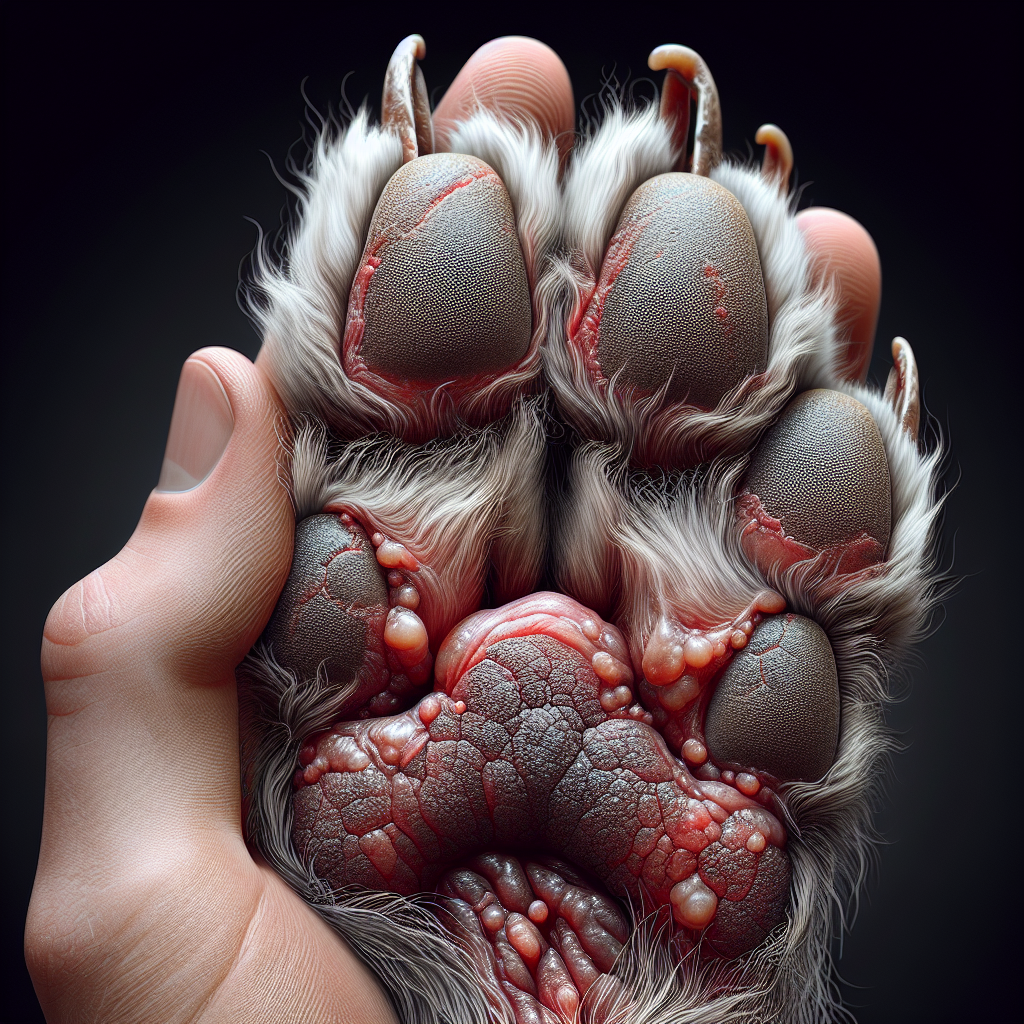

Pododermatitis in dogs refers to inflammation and infection of the paws, which can cause discomfort and pain. It is a common condition that can have various causes, including infectious, allergic, immune-mediated, hormonal or metabolic, and tumors. The symptoms of pododermatitis may vary depending on the underlying cause, but common signs include redness, swelling, nodules, ulcers, discharge, hair loss, and constant licking of the feet (VCA Hospitals).
Pododermatitis in dogs can be triggered by a range of factors. Environmental irritants, such as walking on ice and snow, can cause red, swollen, and itchy feet, especially in hunting dogs, outdoor explorers, and companion dogs. Other causes include allergies, auto-immunity, hormonal imbalances, and infections (Tier 1 Veterinary Medical Center).
The most common symptoms of pododermatitis include:
If you notice any of these symptoms in your dog’s paws, it is important to consult a veterinarian for a proper diagnosis and treatment plan.
While pododermatitis can affect dogs of any breed, certain factors may increase the risk of developing this condition. Dogs with skin folds and tight spaces between their toes are more prone to pododermatitis due to moisture accumulation and difficulty keeping the area clean. Excessive hair growth in the paw pads can also contribute to the development of pododermatitis.
Additionally, some breeds are more predisposed to pododermatitis than others. These breeds include:
It’s important to note that while these breeds may be more susceptible to pododermatitis, any dog can develop this condition. Proper paw care, regular grooming, and routine check-ups with a veterinarian can help prevent and manage pododermatitis in dogs.
Understanding the causes, symptoms, and risk factors associated with pododermatitis is essential for early detection and timely treatment. In the next sections, we will explore the diagnosis, treatment, and prevention strategies for this common condition.
To diagnose pododermatitis in dogs, veterinarians employ a combination of methods, including a medical history analysis, physical examination, and diagnostic testing procedures. These steps are crucial in identifying the underlying cause and determining an effective treatment plan for the condition.
During the medical history assessment, the veterinarian will inquire about the dog’s overall health, previous medical conditions, and any recent changes in diet or environment. This information helps to provide important insights into potential triggers or underlying factors contributing to the pododermatitis.
Following the medical history assessment, a thorough physical examination is conducted. The veterinarian visually inspects the dog’s paws, looking for symptoms such as redness, swelling, sores, blisters, discharge, or abnormal growths. The examination may also include assessing the condition of the dog’s nails and pads.
To determine the underlying cause of pododermatitis and develop an appropriate treatment plan, veterinarians may recommend various diagnostic tests and procedures, which may include:
Skin Cytology: A sample of cells from the affected area is collected and examined under a microscope to identify the presence of bacteria, fungi, or other microorganisms.
Skin Scrapings: Scrapings from the skin surface are taken to check for the presence of mites or other parasites.
Hair Pluckings: Plucking a few hairs from the affected area can help identify the presence of fungal infections or other hair-related issues.
Bacterial and Fungal Cultures: Samples from the affected area may be sent to a laboratory for culture testing to identify the specific bacteria or fungi causing the infection.
Biopsies: In some cases, a small piece of tissue from the affected area may be surgically removed and examined under a microscope to determine the cause of the pododermatitis.
Blood and Urine Tests: These tests may be recommended to assess the dog’s overall health and check for any underlying systemic conditions that could be contributing to the pododermatitis.
Hypoallergenic Food Trials: If allergies are suspected, a hypoallergenic food trial may be conducted to identify potential food triggers.
Radiographs: X-rays of the affected area may be taken to evaluate the bones and joints and rule out any underlying orthopedic issues.
By combining the information gathered through medical history analysis, physical examination, and diagnostic testing, veterinarians can accurately diagnose pododermatitis in dogs and develop an appropriate treatment plan tailored to the specific needs of the individual dog. It’s important to consult with a veterinarian to ensure an accurate diagnosis and effective management of this condition. For more information on preventing and treating various paw infections, refer to our article on dog paw infection.
When it comes to treating pododermatitis in dogs, a comprehensive approach is necessary to address the underlying cause and alleviate the discomfort experienced by your furry friend. Treatment options may include topical therapy and medications, as well as lifestyle adjustments for long-term management.
Treatment for pododermatitis depends on the specific cause identified by your veterinarian. It may involve topical therapy, oral antibiotics, anti-fungals, corticosteroids, immune-modulating drugs, or immunotherapeutic injections (VCA Canada).
For small lesions that are not causing discomfort, your veterinarian may recommend at-home treatment with medicated wipes, mousse, or shampoos (PetMD). These products are designed to address various underlying causes of pododermatitis, such as bacterial or yeast infections. It’s important to follow your veterinarian’s instructions for application and frequency of use.
In cases where bacterial infections are present, oral antibiotics like Cephalexin, Cefpodoxime, or Convenia® may be prescribed to combat the infection (PetMD). Additionally, painkillers and anti-inflammatory medications may be recommended to help alleviate discomfort and reduce inflammation.
Remember to clean your dog’s paws thoroughly and follow any specific instructions provided by your veterinarian for bandaging or applying topical treatments. It’s essential to monitor your dog’s response to treatment and consult with your veterinarian if you notice any changes or concerns.
In addition to topical therapy and medications, lifestyle adjustments are often necessary for long-term management of pododermatitis in dogs (VCA Canada). These adjustments may include:
It’s important to work closely with your veterinarian to develop a comprehensive treatment plan tailored to your dog’s specific needs. Regular follow-up appointments and monitoring are necessary to track progress and make any necessary adjustments to the treatment plan. By following your veterinarian’s guidance and providing appropriate care, you can help your dog recover from pododermatitis and improve their overall paw health.
When it comes to pododermatitis in dogs, the prognosis for recovery is generally good, with most dogs responding well to therapy and being able to enjoy relatively normal lives with simple lifestyle adjustments. The recovery and management of pododermatitis involve medical management to keep the dog pain-free and itch-free. However, the prognosis can vary depending on the successful treatment of the underlying cause (PetMD).
Dogs with pododermatitis typically respond positively to therapy. The specific treatment plan will depend on the underlying cause of the condition. It may involve topical therapy, such as medicated shampoos, sprays, or ointments, to alleviate symptoms and promote healing. In some cases, oral medications, such as antibiotics or antifungals, may be necessary to address bacterial or fungal infections.
It’s important to note that response to therapy may take time and patience. The severity of the infection, underlying health conditions, and individual factors can influence the speed of recovery. Regular follow-up visits with your veterinarian will help monitor progress and make any necessary adjustments to the treatment plan.
After the initial treatment, follow-up care and monitoring are essential to ensure the dog’s recovery and prevent recurrence. Follow-up exams and diagnostic tests are necessary to evaluate the effectiveness of the treatment and identify any underlying issues that may contribute to pododermatitis.
During follow-up visits, your veterinarian will assess the dog’s paw condition, check for any signs of infection or inflammation, and discuss any changes or concerns you may have noticed. Diagnostic tests, such as skin scrapings or cultures, may be conducted to determine if the underlying cause has been successfully treated.
Aside from veterinary care, there are steps you can take at home to help manage and prevent further foot infections. Regularly inspect your dog’s paws for any signs of redness, swelling, or discharge. Keep the paws clean and dry, and avoid exposing them to irritants or allergens. Additionally, maintaining a healthy diet and providing proper grooming and hygiene can contribute to overall paw health.
By adhering to the recommended treatment plan, attending follow-up appointments, and implementing preventive measures, you can help ensure a positive prognosis for your dog’s pododermatitis. Remember, early detection and intervention are key to successful recovery and long-term management.
For more information on preventing paw infections and related topics, visit our article on dog paw infection.
Preventing paw infections in dogs is crucial for maintaining their overall health and well-being. By understanding the causes and implementing prevention strategies, dog owners can help protect their furry friends from painful dog foot infections.
Paw infections in dogs can be caused by various factors, including bacteria, viruses, fungi, injuries, allergies, and complications due to flea infestations. To prevent paw infections, consider the following strategies:
By implementing these preventive measures, you can help reduce the chances of your dog developing paw infections and promote their overall paw health.
In the unfortunate event that your dog does develop a paw infection, prompt treatment is necessary to prevent further complications. The specific treatment for paw infections may vary depending on the underlying cause and severity. It is important to consult with a veterinarian for an accurate diagnosis and appropriate treatment plan. Treatment options may include:
Remember, proper diagnosis and treatment should always be carried out under the guidance of a veterinarian. They will be able to provide the most appropriate treatment plan for your dog’s specific condition.
By being proactive in preventing paw infections and seeking prompt treatment when necessary, you can help ensure your dog’s paws remain healthy and free from infection.