
 11
11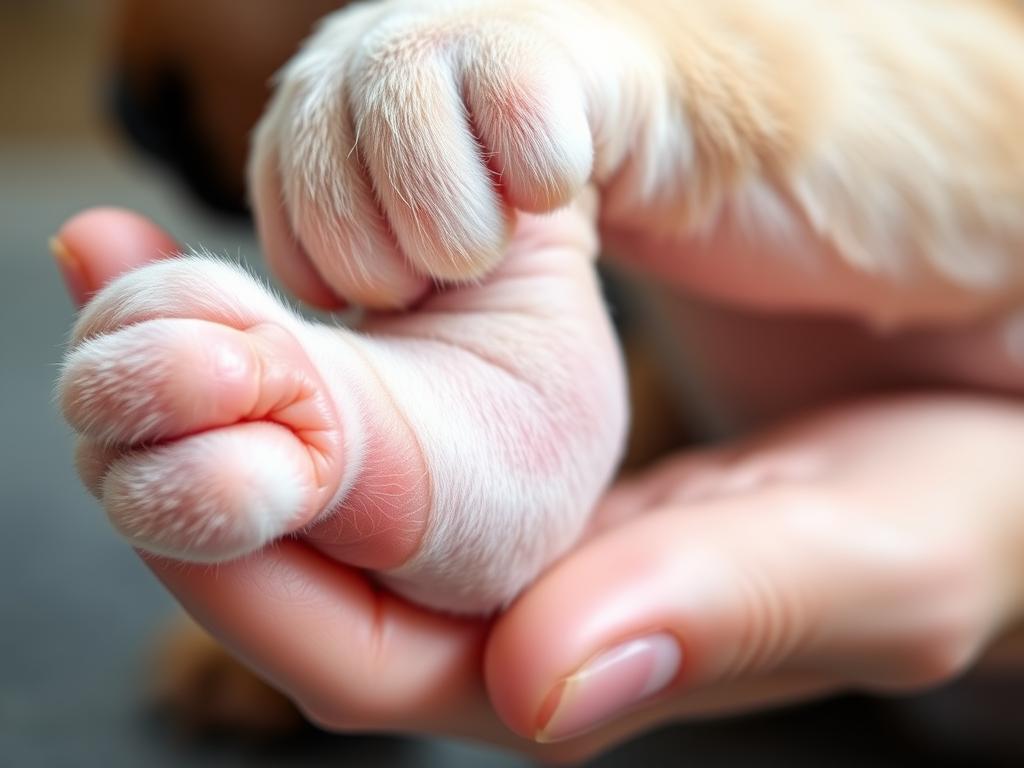

When raising a young dog, noticing unusual movements or posture can be worrying. One lesser-known issue affecting growing pups involves weakness in their front legs, particularly around the wrists. This developmental condition often emerges during rapid growth phases, usually before seven months of age.
While not always painful, it can cause visible instability when a puppy stands or walks. Breeds like German Shepherds and Great Danes are more prone to this challenge, but it can appear in medium-sized dogs too. Early recognition helps owners provide better support during this critical stage.
Veterinarians stress that most cases improve with simple adjustments. For example, limiting slippery floors and encouraging gentle exercise often aids recovery. Those wanting to learn more about this condition will find practical guidance on managing it effectively.
Understanding wrist joint issues in young dogs begins with recognizing two distinct forms: hyperextension and flexion. These conditions affect how puppies bear weight on their front limbs, creating visible differences in posture and movement.
Carpal hyperextension occurs when the wrist bends backward excessively, causing a flat-footed stance. In contrast, flexion deformities involve inadequate extension, making the leg appear “tucked” under the body. A 2007 study found male puppies develop hyperextension 30% more often than females.
| Feature | Hyperextension | Flexion |
|---|---|---|
| Appearance | Flat-footed stance | Legs appear shortened |
| Commonality | More frequent (85% of cases) | Less common |
| Primary Cause | Ligament weakness | Tendon imbalance |
While exact causes remain debated, three key factors emerge:
“These joint issues often resolve with controlled exercise and proper nutrition, but correct identification is crucial for effective management.”
Interestingly, some dogs show no discomfort despite visible wrist changes. Veterinarians recommend monitoring activity levels and surface traction during recovery periods.
Spotting early signs of joint issues in growing dogs requires careful observation. Many young pets show subtle changes in movement that could indicate developing concerns. Gentle monitoring during playtime or walks often reveals key clues.
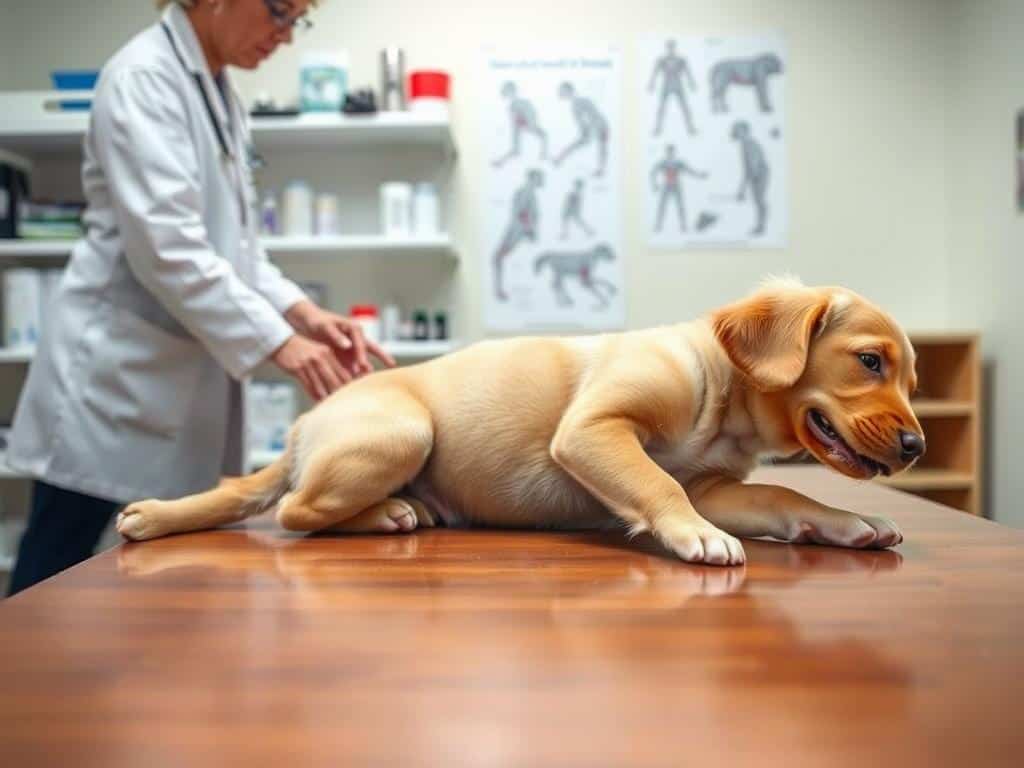
Watch for these common signals during daily interactions:
Swelling around the wrist area often accompanies these signs. A 2021 analysis found 68% of mild cases showed visible improvement within 3-4 weeks with proper care.
| Symptom | Typical Duration | Action Steps |
|---|---|---|
| Mild limping | 1-2 weeks | Monitor activity levels |
| Visible joint puffiness | Persists beyond 3 days | Schedule vet visit |
| Reluctance to jump/play | Any duration | Professional evaluation needed |
If symptoms continue beyond 14 days or worsen, contact your animal healthcare provider. Vets typically perform physical exams and may recommend diagnostic imaging to assess joint integrity.
Persistent issues might require blood tests to rule out nutritional deficiencies or infections. Early intervention helps prevent long-term mobility challenges, especially in fast-growing breeds.
Helping a growing dog regain strength involves smart home adjustments and targeted care. Simple changes to their environment and routine often make the biggest difference during recovery periods.
Start by creating secure spaces with non-slip flooring. Rubber mats or low-pile carpets help pups build muscle without slipping1. Try these strategies:
Passive range-of-motion exercises—gently bending and straightening wrists—can boost joint stability. Always consult your vet before starting new routines1.
Choose large-breed puppy food with balanced calcium levels to support bone health. Portion control prevents rapid weight gain that stresses developing joints1.
| Support Method | Frequency | Benefit |
|---|---|---|
| Custom splints | Daily wear | Prevents hyperextension |
| Hydrotherapy | 2-3x weekly | Builds muscle safely |
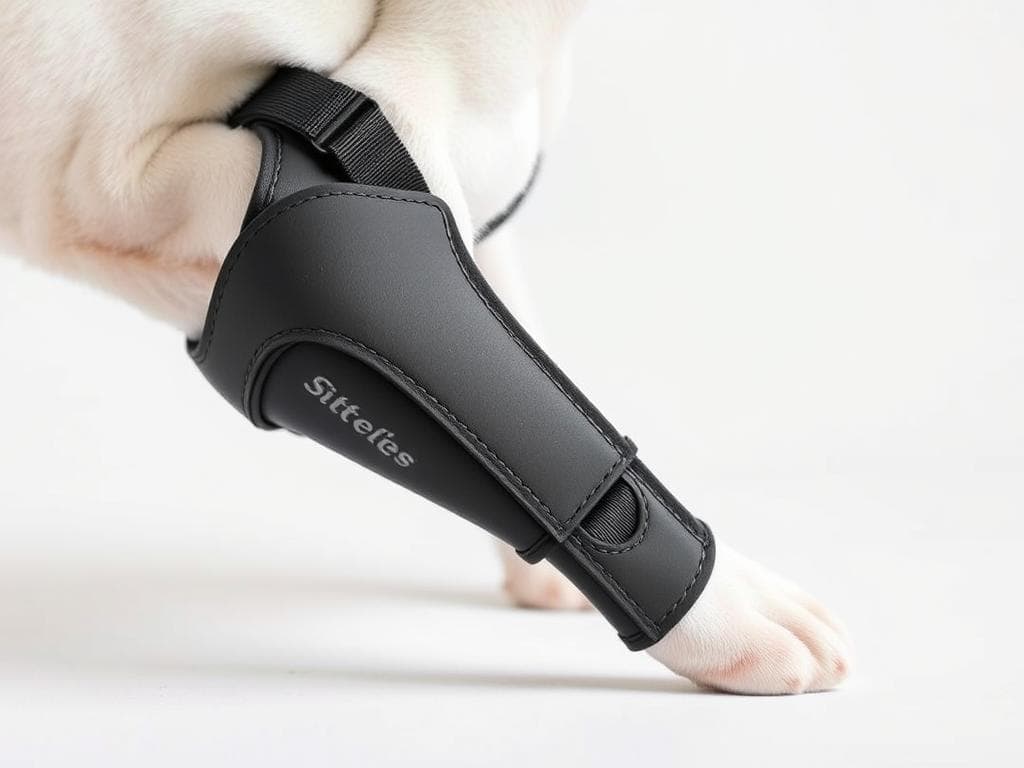
Specialized supports like the Walkin’ Wrist Hugger allow natural movement while stabilizing joints. Foam inserts let owners customize the fit as their pet grows2.
“Consistent care during growth phases often leads to full recovery without surgery.”
Schedule regular vet checkups to track progress. Most pups show improvement within 4-6 weeks when following these guidelines1.
Young dogs facing wrist instability often bounce back stronger with attentive care. The good news? Over 80% of cases show marked improvement through simple home strategies and veterinary guidance1.
Early detection remains vital. Watching for unusual leg positions or hesitant movement helps owners act quickly. Partnering with a trusted vet ensures proper diagnosis through physical exams and nutritional assessments when needed.
Recovery often hinges on practical adjustments. Non-slip flooring and controlled playtime reduce joint stress, while balanced meals support healthy muscle development. For severe cases, temporary wraps provide stability during healing1.
Though genetics and diet may influence this condition, most pups regain normal mobility within six weeks. Regular weight checks and moderate exercise create ideal conditions for growth. Remember – what looks alarming today often resolves with patience and proper support.
By staying proactive and informed, pet parents can confidently guide their furry friends through this temporary challenge. With love and care, those wobbly steps soon become steady strides toward adulthood.
Carpal hyperextension occurs when a puppy’s wrists bend forward abnormally due to weak ligaments, while carpal flexion involves backward bending. Both are forms of joint instability linked to developmental issues but require distinct care approaches.
Large breeds like Labrador Retrievers, Great Danes, and German Shepherds are more prone to joint and ligament issues. Rapid growth in these dogs can strain developing bones, increasing the risk of laxity. However, any breed may experience it if nutrition or exercise is mismanaged.
A balanced diet with proper calcium, phosphorus, and vitamin D levels supports bone and ligament development. Overfeeding or low-quality food may lead to rapid weight gain, stressing joints. Vets often recommend formulas tailored for large-breed puppies to promote steady growth.
Splints help stabilize wrists in severe cases, but mild instances often improve with rest and controlled exercise. A vet will assess the puppy’s condition to determine if splints, typically worn for weeks, are needed to prevent long-term deformity.
Persistent limping, reluctance to walk, or visibly flattened wrists warrant a vet visit. Early intervention prevents complications. If symptoms don’t improve within weeks or worsen, professional guidance ensures proper healing.
Excessive play or slippery floors can strain developing joints. Short, gentle walks on grass or carpet are safer. Avoid high-impact activities until muscles strengthen and ligaments tighten, usually over several months.
Most puppies show improvement within 3–6 weeks with proper care. Severe cases may take months, especially if splints are used. Regular vet checkups monitor progress and adjust treatment as needed.
While often isolated, laxity may signal nutritional deficiencies or hormonal imbalances. Vets sometimes test for underlying issues like hypothyroidism, particularly if other symptoms like fatigue or skin problems arise.