 11
11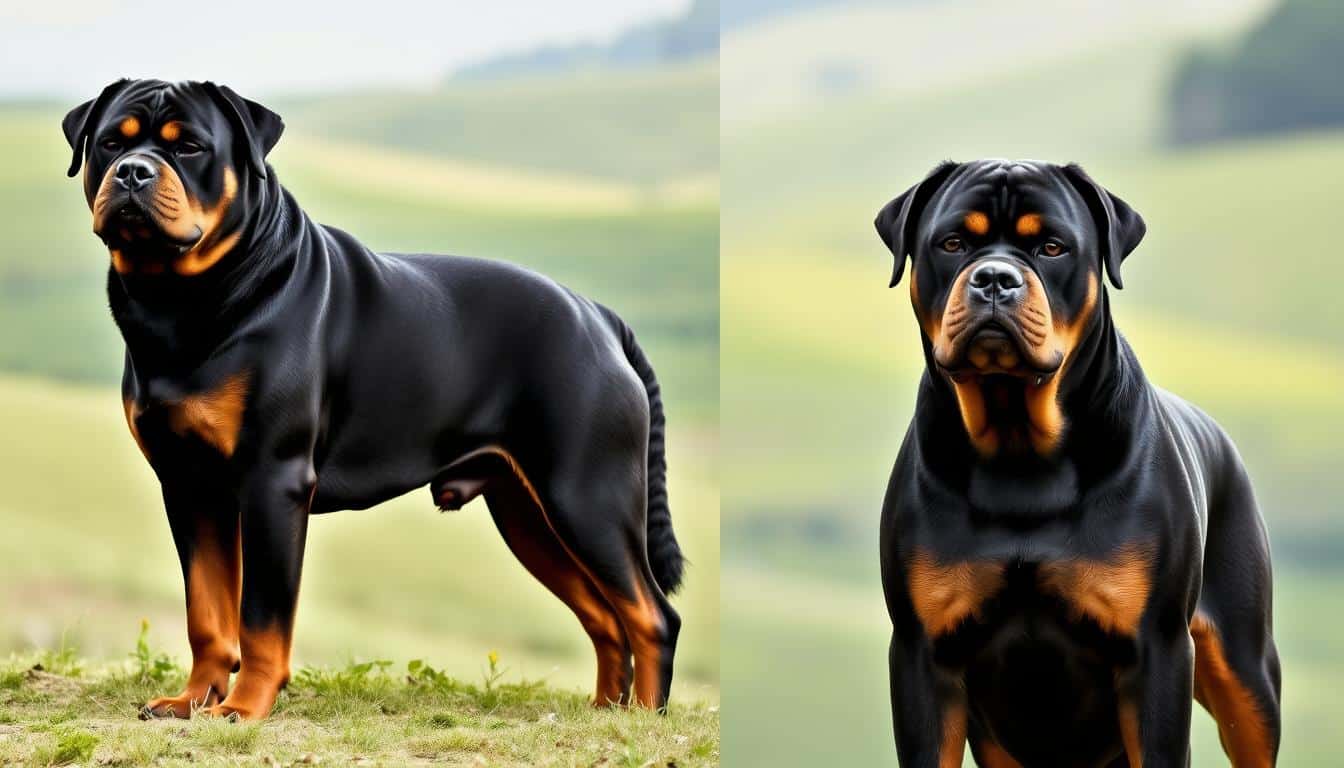

Many dog lovers assume there’s a stark divide between Rottweilers bred in different regions. While these powerful, loyal companions share ancient roots tracing back to Roman cattle dogs, modern breeding practices have created subtle differences in appearance and temperament. This article explores how geography and breeding philosophies shape these variations—and why they matter for potential owners.
Contrary to popular belief, organizations like the AKC and FCI recognize only one official Rottweiler standard. However, regional priorities influence traits like size, coat thickness, and energy levels. Breeders in different countries often emphasize distinct qualities, leading to noticeable contrasts even within the same lineage.
From historical origins to health considerations, we’ll break down everything you need to know. Whether you’re drawn to their protective instincts or working abilities, understanding these nuances helps ensure the perfect match for your home. Let’s dive into what makes each type unique!
The Rottweiler’s story begins over two millennia ago, marching alongside Roman legions as they herded livestock across Europe. These robust dogs evolved into indispensable protectors, eventually lending their name to the German town of Rottweil. Here, they guarded cattle markets and pulled butcher carts – traits that shaped their loyalty and work ethic.
Roman armies relied on these ancestors for driving herds during military campaigns. After settling in Rottweil, the breed refined its guarding instincts. By the 19th century, they transitioned from working dogs to police and service roles. Their intelligence and adaptability made them ideal for modern tasks.
Organizations like the AKC and FCI outline strict guidelines. Key features include:
| Trait | Standard |
|---|---|
| Coat Colors | Black with mahogany markings |
| Ear Shape | Triangular, medium-sized |
| Weight Range | 85-135 lbs (male), 80-100 lbs (female) |
Breeders worldwide prioritize a broad head and muscular build. While temperament standards emphasize confidence without aggression, regional approaches to breeding create nuanced differences. All aim to preserve the breed’s iconic protective nature and trainability.
The story of these loyal guardians begins not in a single country but across ancient empires. Their journey from Roman military camps to modern homes reveals how geography shaped their roles and traits.
Centuries ago, sturdy mastiff-type dogs traveled with Roman soldiers, herding livestock and guarding supplies. When legions settled in southern Germany, these dogs thrived in Rottweil. Townspeople bred them to pull carts and protect markets, cementing their reputation as versatile working companions.
After arriving stateside in the 1920s, the breed’s focus shifted. U.S. breeders prioritized a slightly leaner build and family-friendly temperament, while European counterparts maintained stricter working standards. These choices created subtle variations in energy levels and physicality over the years.
| Aspect | Early German Focus | Modern U.S. Approach |
|---|---|---|
| Primary Role | Livestock guarding | Companionship |
| Breeding Priority | Work endurance | Social temperament |
| Size Adaptation | Dense coats for cold | Lighter frames for heat |
Despite these differences, both lines share DNA from their Roman ancestors. Today’s dogs still display the intelligence and loyalty that made them indispensable to ancient armies and medieval butchers alike.
At first glance, these powerful dogs may seem identical, but subtle physical traits reveal their regional roots. Breeders prioritize different features based on climate and tradition, leading to variations in body structure and appearance.
Dogs from American lines often showcase a leaner, more athletic frame. Their docked tail—a practice once common for working dogs—contrasts with European counterparts. Key features include:
German-bred specimens typically display a stockier build with broader shoulders. Most retain their natural tail length due to stricter animal welfare laws. Distinct markers involve:
| Feature | U.S. Lines | European Lines |
|---|---|---|
| Average Weight | 95-115 lbs | 110-130 lbs |
| Coat Texture | Medium-short | Double-layered |
| Tail Presentation | Typically docked | Natural length |
These physical variances reflect distinct breeding goals—athleticism versus structural power. While coat colors remain consistent (black with rust markings), texture and density adapt to regional needs.
When choosing a guardian breed, personality traits matter as much as physical attributes. While all these dogs share core qualities like loyalty and courage, subtle behavioral differences emerge based on breeding priorities.
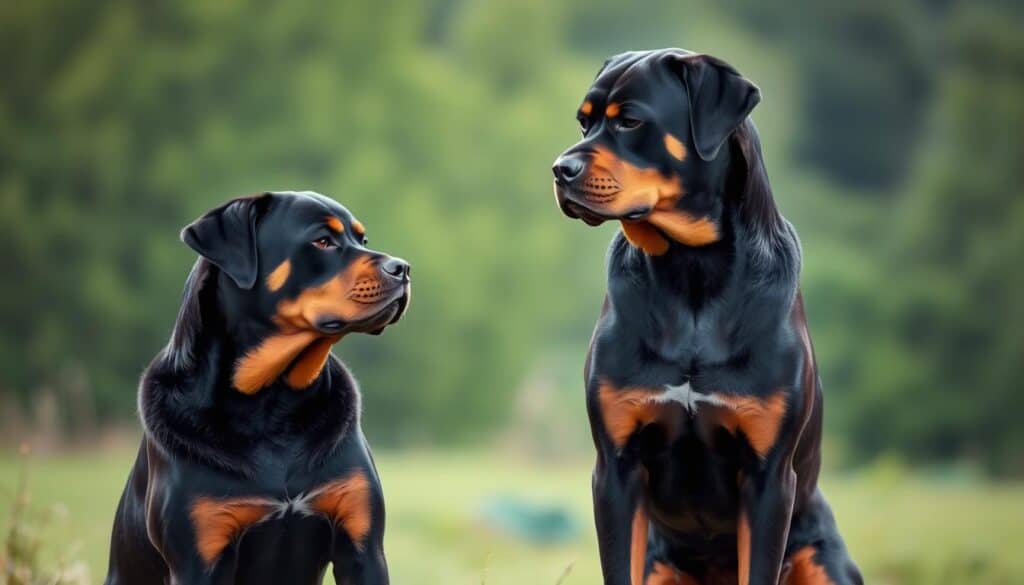
Both types form unshakable bonds with their family. Their protective instincts shine through alert body language and deep vocal warnings. However, responses to strangers vary:
This contrast stems from historical roles—working dogs bred for home defense versus those accustomed to bustling marketplaces.
Early socialization transforms these natural guardians into patient companions. Puppies exposed to diverse sounds and visitors adapt better to modern life. A well-trained adult becomes:
While energy levels differ slightly, both types thrive when given clear boundaries and purposeful activities. Their working dog heritage means mental stimulation proves as vital as physical exercise.
As one breeder notes: “Temperament starts with genetics but blossoms through consistent guidance.” Whether guarding a farm or cuddling on couches, these dogs prioritize their human pack above all else.
While their imposing stature commands respect, these robust dogs face specific health challenges requiring vigilant care. Responsible ownership begins with understanding genetic risks and how breeding practices influence long-term wellness.
Three conditions dominate veterinary reports for the breed:
| Condition | Prevalence | Prevention Strategy |
|---|---|---|
| Hip Dysplasia | 20% of adults | OFA-certified parents |
| Elbow Dysplasia | 15% of puppies | Weight management |
| Heart Conditions | 12% of seniors | Annual echocardiograms |
Reputable breeders conduct DNA tests and joint screenings. These measures reduce inherited health issues by up to 60%, according to recent studies.
European kennel clubs enforce rigorous protocols:
U.S. regulations allow more flexibility. This difference impacts genetic diversity and disease prevalence rates between regions.
| Factor | German Standards | U.S. Standards |
|---|---|---|
| Health Clearances | Required for registration | Voluntary |
| Breeding Age | Minimum 24 months | 18 months |
| Litter Limits | 4 per female | No federal caps |
Regular vet checkups catch 80% of early-stage dysplasia cases. As one veterinarian notes: “Preventative care trumps treatment every time—especially with large breeds.” Partnering with ethical breeders and maintaining proactive health routines gives these loyal companions their best shot at thriving.
Training a powerful breed requires understanding their innate drive and intelligence. Early guidance shapes behavior patterns that last a lifetime. Structured routines channel their energy into positive habits while strengthening the human-canine bond.
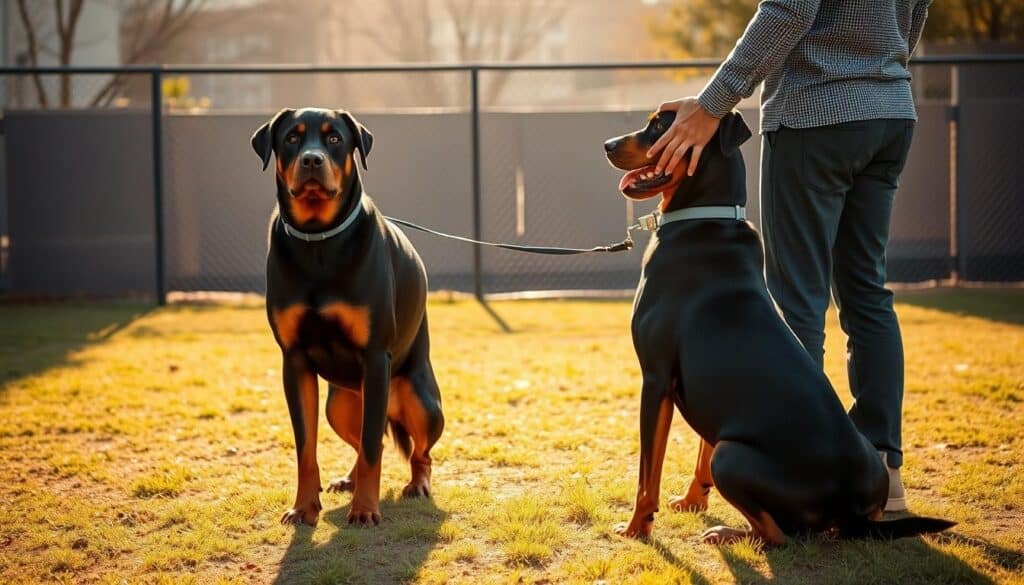
Positive reinforcement works wonders with these quick learners. Treat-based rewards paired with clear commands help puppies grasp expectations. One trainer notes: “Consistency turns their natural focus into obedience—skip sessions, and they’ll test boundaries.”
| Stage | Focus | Techniques |
|---|---|---|
| Puppy (8-16 weeks) | Socialization | Short play sessions with new sounds/textures |
| Adolescent (6-18 months) | Impulse control | Leash drills & delayed gratification games |
| Adult (2+ years) | Skill refinement | Advanced obedience & task-based challenges |
Reputable breeders lay crucial groundwork by exposing litters to varied stimuli. Puppies raised with gentle handling adapt faster to home environments. Daily 5-minute drills—like “sit-stay” during meal prep—build discipline without overwhelming young minds.
Adult dogs thrive with 90 minutes of mixed activities. Combine brisk walks with puzzle toys to engage body and mind. Structured playdates teach polite interaction with other pets and people.
| Age | Exercise Type | Duration |
|---|---|---|
| Under 6 months | Supervised exploration | 20 mins, 3x/day |
| 6-18 months | Fetch & agility basics | 45 mins, 2x/day |
| Adults | Jogging or scent work | 60-90 mins total |
Working dogs especially need purposeful tasks. Try hiding treats during walks or practicing “quiet” commands near distractions. As one owner shares: “A tired dog is a happy dog—but mental challenges prevent boredom chewing!”
Selecting the right guardian companion involves matching canine traits to human lifestyles. While both types share ancient lineage, their modern variations in build and behavior create distinct experiences for owners. Let’s break down what sets them apart.
Physical differences start with the head and chest structure. U.S.-bred dogs often have narrower skulls and leaner frames, while European lines showcase broader muzzles and thicker bone density. Coat colors maintain classic black and tan patterns, but texture varies for climate adaptation.
| Feature | U.S. Lines | European Lines |
|---|---|---|
| Origin Focus | Companionship | Work Performance |
| Typical Build | Athletic, 95-115 lbs | Stocky, 110-130 lbs |
| Coat Type | Single-layer | Double-layered |
| Energy Level | Moderate-High | Steady |
Active households thrive with energetic rotties from U.S. lines—perfect for hiking or agility training. Families preferring a calmer presence might lean toward European-bred dogs with lower exercise demands. Consider these factors:
Always prioritize health considerations over regional labels. Reputable breeders—whether stateside or overseas—focus on temperament and genetic screening. As one owner advises: “The best match isn’t about geography—it’s about shared energy and mutual respect.”
Choosing between Rottweiler types isn’t about superiority—it’s about matching traits to your lifestyle. While differences exist in build and energy levels, both variants share the same protective instincts and intelligence honed over centuries.
Physical features like coat density or tail length reflect regional needs, not breed quality. Reputable breeders prioritize health screenings and stable temperaments, whether raising American or German lines. Always verify hip and elbow certifications when selecting puppies.
Active households might prefer leaner, high-energy companions, while those seeking calmer guardians could favor stockier builds. Remember: a well-socialized dog from ethical sources becomes a loyal family member for years.
Beyond geography, focus on finding a breed that aligns with your daily routine and training commitment. With proper care, these remarkable dogs offer unmatched devotion—proving why they’ve remained cherished partners since Roman times.
The German variation often prioritizes calm confidence and focus, bred for traditional roles like guarding. The American type may display higher energy and adaptability, thriving in active households. Both share loyalty but express it uniquely based on training and lineage.
Yes. The European lineage typically has a broader head, denser bone structure, and a shorter muzzle. Their coats are usually black with defined mahogany markings. The American counterpart might appear leaner, with slightly longer legs and variations in coat color intensity.
Strict breeding regulations in Germany reduce risks for conditions like hip dysplasia. Less regulated practices elsewhere can lead to higher rates of joint problems or cardiac issues. Reputable breeders prioritize genetic testing regardless of origin.
Both benefit from consistent, positive reinforcement. The German line may respond better to structured routines due to their working heritage, while the American type might adapt quicker to varied environments. Early socialization is critical for both.
Daily physical and mental stimulation is essential. The European-bred dogs often excel in endurance-based activities, while the American variation might prefer interactive play. Tailor routines to their energy levels and avoid overexertion in puppies.
The American variation’s adaptability can suit novice handlers, provided they commit to training. However, experienced owners might appreciate the German line’s predictability. Researching breeders and understanding lifestyle compatibility is key for either choice.
In Germany, docking is banned, so natural tails are standard. Some American breeders still dock tails for traditional aesthetics, though attitudes are shifting. Always check local regulations and ethical standards.
ADRK-registered German breeders emphasize working ability and temperament stability. American breeders may prioritize conformation or companionship traits. Always review health clearances and breeding goals to align with your expectations.