 11
11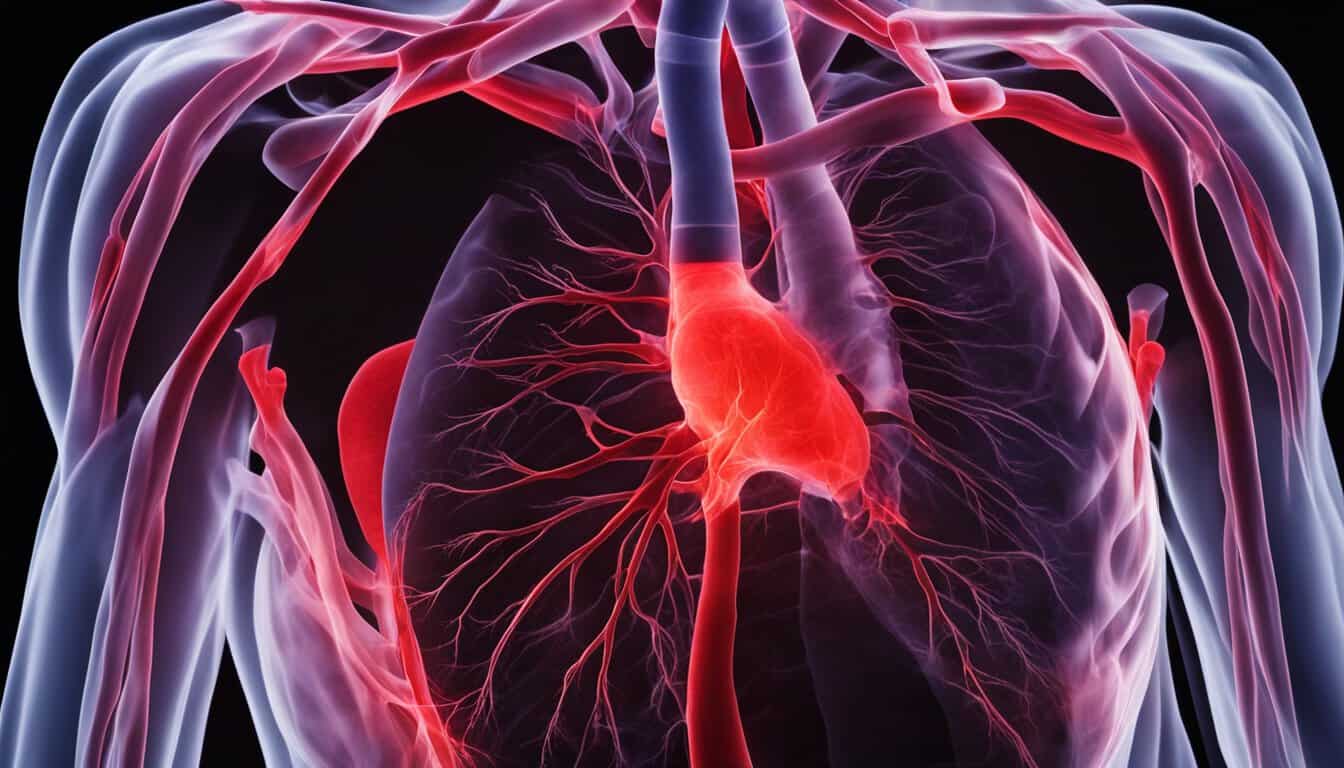

Artery inflammation is also called peripheral artery disease or juvenile polyarteritis. It’s a severe issue affecting breeds like beagles, boxers, and Bernese mountain dogs. It involves the swelling of one or more arteries. This can cause plaque to build up and possibly block these arteries.1
Dogs with this condition may shake, cough, eat less, and feel neck pain or stiffness. They might also seem tired or lose weight quickly.1
Several things can cause artery inflammation in dogs. These include getting older, birth defects, injuries, infections, and eating too much fat.1
Finding out if a dog has artery inflammation can be hard because the symptoms are not always clear. However, a biochemistry profile, blood tests, and imaging can help make a diagnosis.1
There are treatments available for dogs with artery inflammation. These can include ACE inhibitors and other medications to lessen the inflammation and improve how the arteries work. Making changes to how a dog lives can also help treat the cause.1
Getting better from artery inflammation requires regular check-ups from a vet. Dogs might need a different diet and more exercise. Managing stress is also important.1
Artery inflammation in dogs can show different signs, indicating heart health issues. Spotting these early is key for timely treatment. Look out for these common symptoms:
Beagle puppies might show pain when they open their jaws or might not want to bark. These signs usually appear between 4 and 10 months old12. Noticing these symptoms is critical for a correct diagnosis and to treat dogs with this condition properly.
There are several reasons why dogs might get artery inflammation. Aging, birth defects, injuries, infections, and diet are main causes1. These issues can trigger inflammation in different body parts, like arteries and veins. The kind of inflammation varies based on where it happens in the blood system1. Figuring out why a dog has artery inflammation is key to treating it well.
Genetic and autoimmune factors also affect artery inflammation. Dogs like beagles and boxers are at risk for juvenile polyarteritis, or beagle pain syndrome21. This means some breeds are more likely to get this inflammation due to their genes. Moreover, autoimmune issues can worsen the inflammation, affecting the dog’s health2.
It’s also vital to think about a dog’s diet in relation to artery inflammation. Foods high in bad fats and cholesterol can clog arteries, causing inflammation. A healthy diet can lower the chance of this problem and keep a dog’s arteries healthy1.
To sum up, many things can cause artery inflammation in dogs, like age or diet. The inflammation type depends on where it occurs in the circulatory system. Spotting and dealing with these causes is essential. It helps treat the issue and prevents more artery harm, keeping dogs healthy1.
Figuring out if a dog has artery inflammation can be tough. Dogs show vague signs and might have other health issues. Vets use different tests to find out what’s wrong and how to fix it. A detailed check-up is key. The vet listens to the heart and checks for swellings using a stethoscope and touch3.
To get more info, vets often use X-rays. They help see problems in the heart and check if heart failure is getting worse. Another method is electrocardiography, which spots irregular heartbeats. This helps vets pinpoint the problem and choose the right treatment3.
Echocardiography is also super useful. It’s a special ultrasound for the heart. It confirms guesses about heart issues, measures how bad they are, and finds things like leaky valves, birth problems, heart tumors, or other diseases3.
Sometimes, a deeper look into the heart is needed. Vets might do tests like cardiac catheterization and nuclear studies. These tests give a full picture of the heart’s arteries and any blockages3. It’s crucial to check these to get a clear diagnosis.
Many treatments are available for canine artery inflammation. The choice depends on the diagnosis and the root cause. The main goals are to ease symptoms, lessen inflammation, tackle the root disorder, and stop more damage to the arteries.
1 Treating artery inflammation in dogs often includes ACE inhibitors. These drugs help lower the heart’s stress and blood pressure. They make the heart work better and ease the burden on the arteries.
1 Vets may also prescribe medications aimed at the cause of the inflammation. These could be blood thinners to prevent clots or beta blockers to manage heart rate and pressure.
Lifestyle adjustments are key in treating and preventing artery inflammation in dogs. A healthy diet tailored to the dog’s specific needs, like low-fat for overweight dogs, is crucial.
It’s vital to have regular vet check-ups to track the condition’s progress. This ensures the vet can check the dog’s health, run tests, and adjust treatment as needed.
An exercise plan customized for each dog helps support their heart health. Regular, mild exercise strengthens the heart and improves well-being.
Reducing stress is also important in managing artery inflammation. Stress can worsen symptoms and the underlying issue. Providing a tranquil environment benefits the dog’s health and happiness.
In summary, treating artery inflammation in dogs includes medication, lifestyle changes, vet check-ups, exercise, and reducing stress. Addressing the root causes and managing the condition means dogs can enjoy a high-quality life.
Dogs with artery inflammation can lead a happy life with the right care. This condition needs ongoing focus. Specific actions help boost their heart health and happiness. It’s key to have strategies to ensure dogs live well despite this issue.
It’s crucial for dogs with artery inflammation to see the vet often. These visits let the vet check the dog’s health and the treatment’s success. Early spotting of problems ensures quick handling.
Diet is key for dogs with artery issues. Vets might suggest changes to support the heart. Lowering salt and eating heart-friendly foods are common tips. A good diet helps lessen inflammation and keep the heart healthy.
Exercise is vital for these dogs, but it must suit their condition. Talking to a vet about the right exercise is necessary. The goal is to strengthen the heart without overdoing it.
Stress can make artery inflammation worse. Techniques that lower stress are beneficial. A peaceful home helps keep stress at bay. This support aids recovery.
Managing artery inflammation usually means long-term care. Medicines like prednisone help control the condition. Following the vet’s advice closely is critical. Sticking with treatments helps keep heart issues under control.
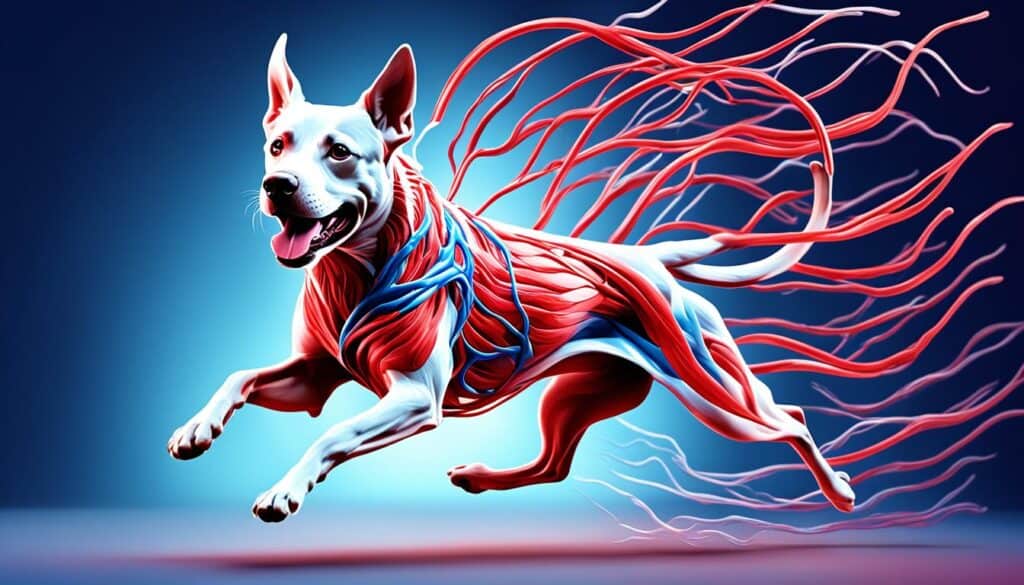
Artery inflammation in dogs can show up as nasal arteritis. This condition causes ulcers on the outer nose. These ulcers are painful, can bleed, and might get infected. It’s more common in big dogs but any dog can get it. Spotting the signs early, getting a vet’s help, and following treatment is vital.
| Statistical Data | Reference |
|---|---|
| Dermal arteritis of the nasal philtrum is a rarely described disease process documented in specific breeds, including Giant Schnauzers, Saint Bernards, Newfoundlands, and Basset hounds. | 4 |
| The typical lesion of dermal arteritis is a solitary, well-circumscribed circular ulcer on the nasal philtrum, non-pruritic, and mostly non-painful, affecting certain breeds. | 4 |
| The surgical management was needed in addition to long-term medical management for a Saint Bernard dog with dermal arteritis of the nasal philtrum. | 4 |
| Lab results from the Saint Bernard dog’s presentation include elevated liver enzymes (ALT), elevated blood urea nitrogen (BUN), and anemia (hematocrit). | 4 |
| Additional lab tests revealed a solitary small nodule on the spleen with extramedullary hematopoiesis. | 4 |
| Medication regimen for the Saint Bernard dog post-surgery included prednisone, tramadol for pain control, cyclosporine for immunosuppression, and pentoxifylline to improve blood viscosity. | 4 |
| Topical tacrolimus was resumed post-discharge from the hospital for the Saint Bernard dog. | 4 |
| The Saint Bernard dog remained clinically normal at the 3-month postoperative evaluation, with absent ulcerated areas on the nasal philtrum and mild depigmentation suspected to be scar tissue. | 4 |
| Anti-oxidant supplementation with fish oil and Vitamin E was initiated for the Saint Bernard dog post-surgery. | 4 |
| At the time of publication, the dog was on a medication regimen that included pentoxifylline, vitamin E, fish oil, topical tacrolimus, and cyclosporine with the plan for a recheck at the 1-year postoperative date. | 4 |
Veterinarians look for clear signs to diagnose nasal arteritis in dogs. These include a reddened nose, inflamed areas, and crusty ulcers. Spotting these symptoms is key to identifying nasal arteritis.4
To understand how bad the inflammation and bleeding are, vets do in-depth exams and tests. They use these tests to confirm the condition and see how it’s doing. This might involve checking the blood, using imaging, and studying tissue samples.4
For treating nasal arteritis, reducing inflammation is a priority. Vets often prescribe medications like corticosteroids. Taking care of the ulcers is also vital for recovery. Plus, it’s important to treat any root causes of the disease.45
Getting a vet’s opinion is crucial for diagnosing and treating nasal arteritis in dogs correctly. They’ll create a treatment plan that suits the dog’s specific needs. With a vet’s help, owners can make sure their dogs get the best possible care.5
Artery inflammation in dogs is a significant health problem. It can affect many parts of the body due to various reasons. Spotting the signs early and getting veterinary help is vital for a proper diagnosis and treatment.
To keep a dog’s heart health in check, regular vet check-ups, changes in lifestyle, and medication might be needed. These steps help prevent more damage to the arteries.
Research links high C-reactive protein (CRP) levels with chronic heart failure in dogs6. Dogs with congestive heart failure often have more white blood cells and higher tumor necrosis factor7. Heart problems like chronic valvular disease and myxomatous mitral valve disease also show increased CRP and inflammation6. These facts highlight how inflammation connects to heart diseases in dogs.
Handling artery inflammation well means tackling its root causes while caring for the dog properly. By doing so and consulting a vet, dogs can maintain a high quality of life. It’s crucial to keep monitoring and adjusting treatment with regular vet visits.
Getting a vet’s advice is key for managing artery inflammation in dogs. Since every dog is different, a vet’s customized advice ensures the best care for their heart health.
Artery inflammation in dogs is also known as peripheral artery disease. It occurs when one or more arteries become inflamed. This can stem from aging, birth defects, injuries, infections, or an unhealthy diet.
Dogs with artery inflammation may shake, cough, and eat less. They might also feel pain or stiffness in their neck. Additionally, they can become tired more quickly and lose weight fast.
Diagnosing this condition can be tough due to unclear symptoms. Vets might do blood tests and imaging to figure out the problem accurately.
Treatment might involve medicines to lower inflammation and better artery function. Changes in the dog’s lifestyle can also help with their condition.
Yes, with the right care, these dogs can lead happy lives. This includes regular vet checks, a healthy diet, staying active, and avoiding stress.
Artery inflammation can lead to nasal arteritis, causing painful ulcers in the nose. This harms the blood vessels in the nose, leading to bleeding and infection.
To diagnose nasal arteritis, symptoms are checked along with exams and tests. Treatment may include medication for inflammation and proper wound care.
If you think your dog has this issue, see a vet for a diagnosis and treatment plan. They will offer advice on how to care for your dog’s heart.
Some causes, like birth defects, can’t be avoided. But, you can lessen other risks with good care and lifestyle changes. A vet can offer prevention tips for your pet.