 11
11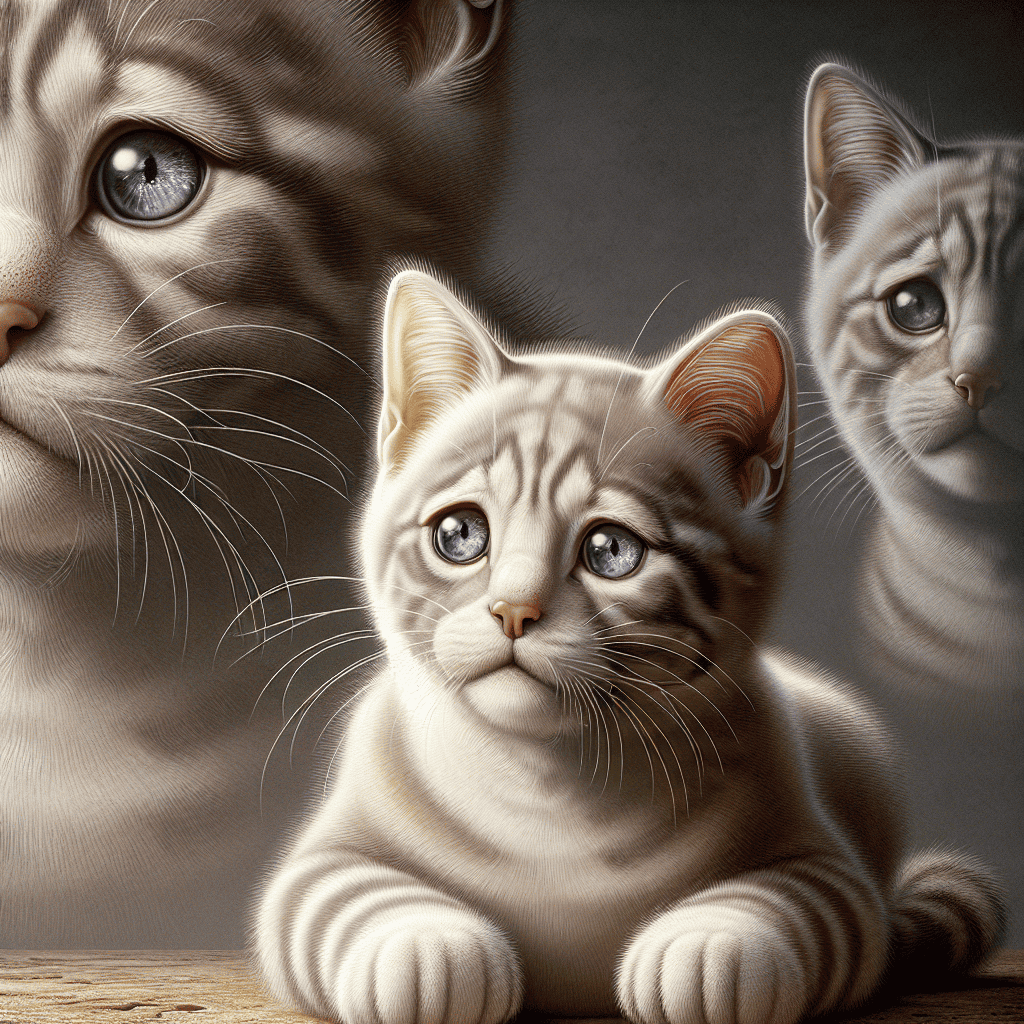

Separation anxiety is not limited to dogs; cats can also experience this condition when they have to spend time apart from their owners. Cats form secure attachments with their humans, which helps them feel safe and comfortable to explore and play in their environment (Arm & Hammer). However, when they are separated from their bonded person or other animals, they may experience distress and anxiety (Arm & Hammer).
There are several factors that can contribute to separation anxiety in cats. Some cats, in particular, are more sensitive and attached to their owners, making them more prone to experiencing separation anxiety. Changes in routine, such as spending more time alone or sudden changes in the amount of time spent indoors versus outdoors, can also trigger separation anxiety in cats.
Additionally, providing constant affection, treats, and playtime whenever a cat seeks attention can inadvertently reinforce their dependence on their owners. This can lead to separation anxiety when the owner is away (WebMD).
Identifying separation anxiety in cats can be challenging as they are adept at masking their pain, both physical and emotional. Behaviors indicating anxiety may be subtle and could occur around the time of the owner’s departure or upon their return. Some common signs of separation anxiety in cats include:
It’s important to note that these behaviors can also be indicative of other medical or behavioral issues, so it’s essential to consult with a veterinarian for an accurate diagnosis and appropriate treatment plan. For more information on cat anxiety symptoms, visit our article on cat anxiety symptoms.
Understanding the causes and symptoms of separation anxiety in cats is the first step in effectively addressing and managing this condition. By providing a safe and comfortable environment and implementing strategies to reduce anxiety, cat owners can help their feline companions cope with separation and alleviate their distress.
Separation anxiety can affect not only dogs but also kittens. It’s important for cat owners to be aware of the signs and symptoms of separation anxiety in order to provide appropriate care and support. In this section, we will explore the development of separation anxiety in kittens and the signs that may indicate its presence.
Kitten separation anxiety typically develops between 8 to 12 weeks of age. During this stage, kittens start to form strong bonds with their human family and perceive them as a secure base (Amin Pet Shop). This attachment can become so strong that kittens experience distress when separated from their caregivers.
Recognizing the signs of separation anxiety in kittens is crucial for early intervention and effective management. Some common signs include:
Excessive crying or meowing: Kittens with separation anxiety may vocalize excessively when left alone, expressing their distress and seeking attention.
Following the caregiver constantly: Kittens with separation anxiety may exhibit clingy behavior, trying to stay close to their caregiver at all times to alleviate their anxiety.
Destructive behaviors: Kittens may engage in destructive behaviors, such as scratching furniture or household items, or chewing on objects when left alone. These behaviors can be a manifestation of their anxiety and a way to cope with their stress.
Lethargy or hiding when alone: Some kittens may become withdrawn, lethargic, or hide when they are left alone. These behaviors may indicate their discomfort and anxiety in being separated from their caregivers.
It’s important to note that these signs may also be indicative of other issues, such as medical conditions or general anxiety. If you suspect your kitten may be experiencing separation anxiety, it’s best to consult with a veterinarian to rule out any underlying health concerns.
Understanding and identifying separation anxiety in kittens is the first step towards helping them cope with their distress. In the following sections, we will explore strategies to reduce anxiety and seek professional help when necessary. Additionally, we will discuss environmental changes and potential treatment options that can alleviate separation anxiety in kittens. For natural remedies and additional insights, you can refer to our article on natural remedies for cat separation anxiety.
Dealing with separation anxiety in cats requires a multi-faceted approach that focuses on reducing anxiety and providing the necessary support for your feline companion. By implementing strategies to reduce anxiety and seeking professional help when needed, you can help your cat cope with separation anxiety effectively.
There are several strategies you can employ to alleviate separation anxiety in cats. These strategies aim to create a secure and comfortable environment for your furry friend, minimizing their distress when you’re away. Some effective strategies include:
Gradual Departures and Arrivals: Practice gradual departures and arrivals to desensitize your cat to your comings and goings. Start with short absences and gradually increase the duration over time. This helps your cat understand that you will return and reduces their anxiety.
Interactive Toys and Puzzles: Provide interactive toys and puzzles that can engage your cat’s attention and keep them mentally stimulated during your absence. These toys can help distract your cat and reduce anxiety by providing a source of entertainment.
Comforting Scents: Leave behind clothing or items with your scent that can provide comfort and reassurance for your cat. Your scent can help alleviate their anxiety and make them feel more secure in your absence.
Establish a Routine: Cats thrive on routine, so establishing a consistent schedule for feeding, playtime, and interaction can help reduce anxiety. Predictability and structure can provide a sense of security for your cat, making them feel more at ease when you’re not around.
Provide Hiding Places: Create safe and cozy hiding places throughout your home where your cat can retreat to when they feel anxious or overwhelmed. These hiding spots can serve as their safe haven and help them feel more secure.
In some cases, managing separation anxiety in cats may require the assistance of a veterinary professional or animal behaviorist. If your cat’s anxiety symptoms are severe or persist despite your efforts, it’s crucial to seek professional help. A veterinarian can conduct a thorough medical evaluation to rule out any underlying health issues that may contribute to your cat’s anxiety (WebMD). They can also provide guidance on behavior modification techniques and recommend appropriate medications or supplements if necessary (WebMD).
Remember, each cat is unique, and what works for one may not work for another. It’s important to be patient and persistent when implementing these strategies. With time and consistent effort, your cat can learn to cope with separation anxiety and feel more comfortable when you’re not around.
For additional information on natural remedies and techniques to address separation anxiety in cats, refer to our article on natural remedies for cat separation anxiety.
When it comes to diagnosing separation anxiety in cats, a thorough evaluation is necessary to rule out any underlying medical conditions and to observe the cat’s behavior. This process typically involves a medical evaluation and behavioral observations.
To ensure an accurate diagnosis, it is important to first rule out any medical issues that may be contributing to the cat’s behavior. A veterinarian will conduct a physical examination and may also recommend additional tests such as blood and urine tests. These tests help identify any underlying health conditions that could be causing or exacerbating the anxiety symptoms. For instance, cats may exhibit inappropriate elimination when suffering from urinary tract infections (Metropolitan Veterinary Center). Consulting with a veterinarian when you notice any changes in your cat’s behavior is crucial, as early detection of illnesses is vital for overall cat wellness.
In some cases, providing a video of the cat’s behavior when home alone can be helpful in diagnosing separation anxiety. This video allows the veterinarian to directly observe the cat’s reactions and behaviors when separated from their owner or in a situation that triggers anxiety (PetMD).
Observing the cat’s behavior when they are alone is an important aspect of diagnosing separation anxiety. Look for specific signs and symptoms that indicate anxiety in cats. These may include excessive vocalization, destructive behaviors, inappropriate elimination, excessive grooming, pacing, or attempts to escape. These behaviors are often exhibited when the cat is left alone or when the owner is preparing to leave. By observing and documenting these behaviors, a veterinarian can assess the severity and frequency of the anxiety-related behaviors.
By combining the information gathered from the medical evaluation and behavioral observations, a veterinarian can make an accurate diagnosis of separation anxiety in cats. This diagnosis is crucial for developing an effective treatment plan to help manage the cat’s anxiety and improve their overall well-being.
In the next section, we will explore various treatment options for separation anxiety in cats, including environmental changes and potential medications or supplements. Stay tuned to learn more about how to address this issue and alleviate your cat’s distress.
When it comes to addressing separation anxiety in cats, there are various treatment options available. These options aim to reduce anxiety and provide comfort to cats during periods of separation. Two common treatment approaches include environmental changes and the use of medication and supplements.
Making changes to the cat’s environment can help alleviate separation anxiety. Here are some strategies to consider:
By implementing these environmental changes, cats may feel more secure and experience reduced separation anxiety.
In severe cases of separation anxiety, medication and supplements may be recommended by a veterinarian to help cats relax and cope better with their owner’s absence. Here are some options to consider:
Remember, the use of medication and supplements should always be done under the guidance of a veterinarian. They can assess your cat’s specific needs and determine the most suitable treatment approach.
In addition to these treatment options, it’s important to provide cats with ample attention, affection, and mental stimulation when you are home. Engaging in play sessions, providing interactive toys, and creating a stimulating environment can help reduce anxiety overall. For more information on natural remedies and additional strategies to address separation anxiety, refer to our article on natural remedies for cat separation anxiety.
By implementing a combination of environmental changes, medication (if necessary and prescribed by a veterinarian), and providing a supportive environment, you can help your cat cope with separation anxiety and improve their overall well-being.
Preventing and addressing separation anxiety in kittens is crucial for their overall well-being and development. By implementing early training and socialization techniques, as well as creating a safe and comfortable environment, you can help reduce the likelihood of separation anxiety in your feline companion.
Starting from a young age, it is important to introduce your kitten to various experiences and environments. This includes exposing them to different people, animals, sounds, and situations. Socialization helps kittens build confidence and adaptability, making them less prone to anxiety when left alone.
Here are some tips for early training and socialization:
By implementing these techniques, you can help your kitten develop resilience and independence, reducing the likelihood of separation anxiety as they mature.
Creating a safe and comfortable environment for your kitten is essential in preventing and managing separation anxiety. Here are some key factors to consider:
Additionally, you may want to explore natural remedies and products designed to alleviate separation anxiety in cats. For more information, check out our article on natural remedies for cat separation anxiety.
Remember, cats are social creatures that form secure attachments with their humans. It is important to gradually introduce and acclimate your kitten to being alone, especially if you anticipate periods of extended absence. By establishing a positive and consistent routine, providing a stimulating environment, and implementing early training and socialization techniques, you can help prevent and address separation anxiety in your kitten.