 11
11

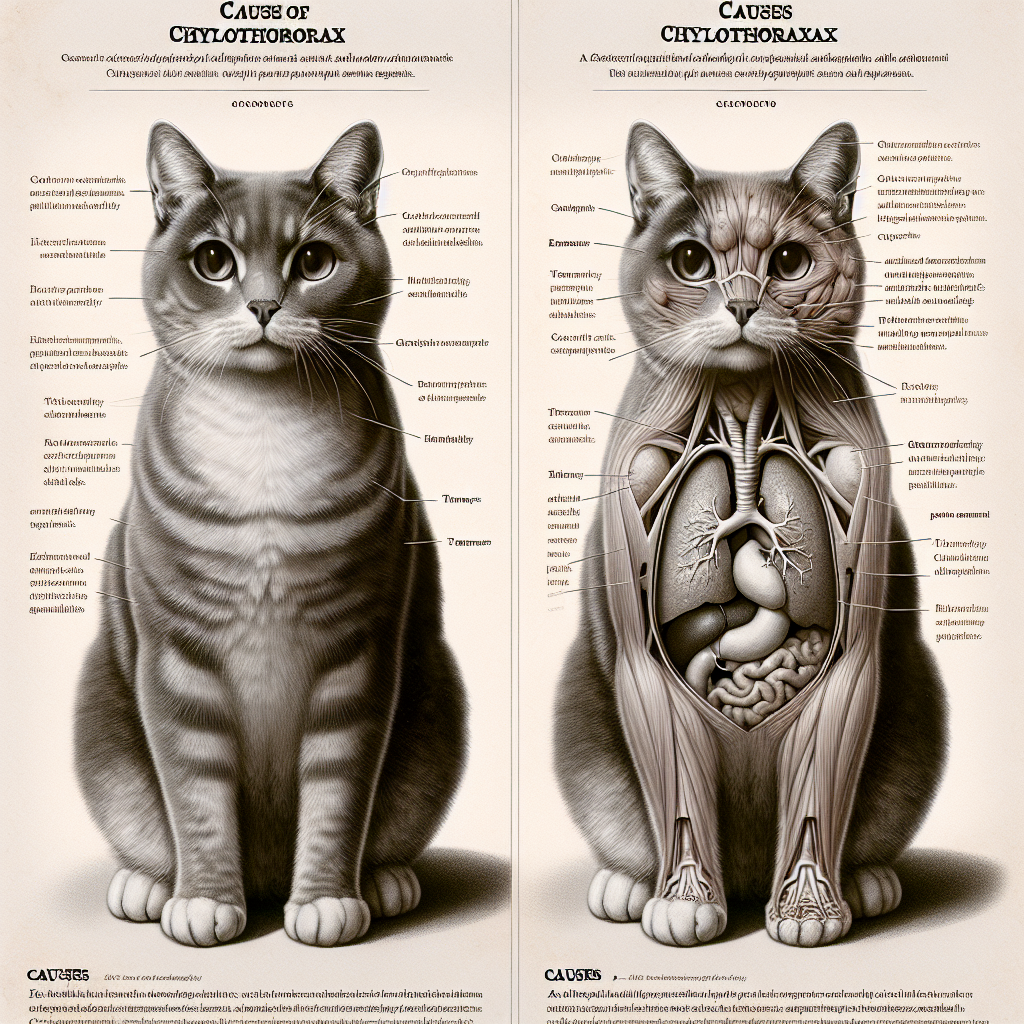
Chylothorax is a rare but serious condition in cats where lymphatic fluid builds up in the chest cavity. This fluid buildup can make it hard for your furry friend to breathe. Let’s break down what chylothorax is and what might cause it.
Chylothorax happens when chyle, a fatty lymphatic fluid, collects in the space around the lungs. Normally, chyle travels through the thoracic duct and drains into the veins. But if something goes wrong, this fluid can end up in the chest cavity instead.
Several things can cause chylothorax in cats:
Knowing what causes chylothorax can help in managing and treating it. If you think your cat might have this condition, see a vet right away for a proper diagnosis and treatment plan. For more details on symptoms, check out our article on chylothorax in cats symptoms.
Keeping our furry friends healthy means knowing what to watch out for. Chylothorax is one sneaky condition that can be tough to spot early on. Let’s break down the symptoms and how vets figure out if your cat has it.
Chylothorax can be a bit of a chameleon at first, not showing its true colors until it’s more serious. But as it gets worse, it can be downright dangerous, even leading to heart problems. Here’s what to keep an eye on:
If your cat’s showing any of these signs, don’t wait around. Get them to the vet for a check-up.
Figuring out if a cat has chylothorax isn’t a one-step process. Vets use a mix of tests to get to the bottom of it:
These tests are key to confirming chylothorax and figuring out the best way to treat it. If your cat’s showing symptoms, a vet can run these tests to get a clear diagnosis.
Next up, we’ll dive into how to manage and treat chylothorax in cats.
Dealing with chylothorax in cats can be a bit of a rollercoaster, but the main aim is to stop that pesky chyle from building up in the chest and figure out what’s causing it. There are both medical and surgical ways to tackle this.
First things first, you gotta get that fluid out. This usually means a procedure called thoracentesis, where a needle or catheter is used to drain the fluid from the chest. Sometimes, a chest drain might be surgically placed for daily drainage.
Medically, your vet might prescribe medications to slow down the chyle flow. Octreotide is one such med that helps reduce chyle production. Rutin supplements can also help by reducing fluid buildup (VCA Canada).
Diet is another biggie. A low-fat diet, usually around 6% fat on a dry matter basis, can help lower triglyceride levels in the chyle and reduce its production. Sometimes, just changing the diet can make the condition go away without needing surgery (Veterinary Partner).
If meds and diet aren’t cutting it, surgery might be the next step. One common surgery is thoracic duct ligation, where the duct carrying the chyle is blocked to stop it from accumulating in the chest. This can be done through open surgery or minimally invasive techniques like thoracoscopy.
Another option is pericardiectomy, which involves removing part of the sac around the heart to improve lymphatic flow and reduce chyle buildup. Combining thoracic duct ligation with pericardiectomy has shown good results in both cats and dogs.
The choice of surgery depends on your cat’s specific situation and the vet’s expertise. Your vet will recommend the best approach based on your cat’s condition.
By mixing medical and surgical treatments, vets can effectively manage chylothorax in cats. Regular check-ups are crucial to see how the treatment is working and make any necessary adjustments. If you think your cat might have chylothorax, consult a vet experienced in this condition.
When dealing with chylothorax in cats, knowing what to expect and the possible bumps in the road is key to keeping your furry friend healthy.
Cats with chylothorax can have a good outlook if a few things fall into place. According to CTVSH, here’s what needs to happen:
Find and Fix the Root Cause: Chylothorax usually tags along with other issues like trauma, cancer, or heart disease. Tackling the main problem can make a big difference.
Clear the Fluid: The goal is to reduce the lymphatic fluid building up in the chest. This helps avoid breathing problems and makes your cat feel a lot better.
Keep the Cat Healthy: Good nutrition, regular vet visits, and sticking to the treatment plan are all crucial for a positive outcome.
Your vet will give you the best advice based on your cat’s specific situation.
While treating chylothorax, keep an eye out for these possible hiccups:
Pulmonary Edema: Sometimes, if both lungs need surgery, fluid can build up in the lungs, which is dangerous. Watch your cat’s breathing and get help if something seems off.
Other Chest Fluids: Even if the chylothorax clears up, other fluids might start to accumulate. Prednisone, an anti-inflammatory drug, can help, but it might take a few weeks to kick in.
Spotting and dealing with these issues quickly can stop things from getting worse and improve your cat’s chances.
By staying on top of potential problems and keeping a close watch on your cat, you and your vet can manage chylothorax effectively. Regular check-ups and open communication with your vet are essential. For more info on symptoms, causes, and treatments, check out our articles on chylothorax in cats symptoms, causes of chylothorax in cats, and treatment for chylothorax in cats.
Taking care of a cat with chylothorax means being proactive. Let’s talk about two biggies: what they eat and how often they see the vet.
Feeding your cat right is a game-changer. For cats with chylothorax, a low-fat diet is the way to go. We’re talking about food with around 6% fat on a dry matter basis. This helps cut down on the chyle, that milky stuff that builds up in their chest.
Switching to a low-fat diet can ease the pressure on your cat’s thoracic duct, reducing the amount of chyle produced. Stick to the diet plan your vet or a pet nutritionist gives you. They might suggest specific commercial foods or even whip up a homemade recipe that fits the bill.
Regular vet visits are a must. These check-ups help track your cat’s progress, see how well treatments are working, and catch any hiccups early. Your vet will set up a schedule based on how your cat’s doing.
During these visits, expect thorough exams to check your cat’s overall health and the status of the chylothorax. Your vet might use chest X-rays or ultrasounds to see how much fluid is in the chest and to spot any hidden issues.
Blood tests might also be on the agenda to make sure your cat’s organs are functioning well and that their diet is hitting all the right notes. If needed, your vet will tweak the diet plan to keep things on track.
Sticking to these follow-up visits helps you stay on top of your cat’s condition. It’s a team effort between you and your vet to keep your furry friend healthy and happy.
Always keep the lines of communication open with your vet. If you notice any changes in your cat’s symptoms or have any questions, don’t hesitate to reach out.
Next up, we’ll talk about the costs involved in treating chylothorax in cats, including what you might expect to spend and some financial tips.
Treating chylothorax in cats can be a bit of a financial rollercoaster. Let’s break down what you might be looking at when it comes to costs and some key money matters to keep in mind.
The price tag for treating chylothorax in cats can swing quite a bit, depending on how bad the condition is, what treatments you go for, where you live, and which vet you visit. Generally, you’re looking at anywhere from $500 to $4,000, with the average cost landing around $1,500 (Wagwalking).
Here’s a quick rundown of what you might be paying for:
Diagnostic Tests: To nail down the diagnosis and figure out what’s causing the chylothorax, your vet might need to run some tests like blood work, chest x-rays, ultrasounds, and fluid analysis. These tests can vary in cost based on what’s needed for your cat’s situation.
Medical Management: The first step usually involves thoracocentesis, a procedure to drain fluid from the chest. This can be both diagnostic and therapeutic (NCBI). Your vet might also suggest a low-fat diet. Costs here can include the procedures, meds, and special diets.
Surgical Options: If medical management doesn’t cut it, surgery might be on the table. Options include mesenteric lymphangiography, thoracic duct ligation, pleuroperitoneal shunting, pleurodesis, subtotal pericardectomy, and omentalization (NCBI). Surgery costs can vary a lot based on how complex the procedure is, the vet’s expertise, and the aftercare needed.
Keep in mind, these costs are ballpark figures. Your vet can give you a more accurate estimate based on your cat’s specific needs.
When it comes to paying for chylothorax treatment, here are some things to think about:
Pet Insurance: If you’ve got pet insurance, check your policy to see what it covers for chylothorax treatment. Some plans might cover part of the costs, which can be a big help.
Vet Financing: If the costs are more than you can handle upfront, some vet clinics offer financing or payment plans. This can spread out the costs and make them easier to manage.
Long-Term Care: Chylothorax might need ongoing care, like follow-up visits, tests, and possibly long-term diet changes. Think about these potential long-term costs and make sure you’re ready to provide the care your cat needs.
Talk to Your Vet: Be open with your vet about your financial situation. They can help you find the most cost-effective treatment options without skimping on care.
Remember, while money is important, your cat’s health and happiness come first. By planning ahead and talking with your vet, you can make smart choices about treating chylothorax and give your furry friend the best care possible.