 11
11
When it comes to our feline companions, it’s important to be aware of common health conditions they may experience, such as cat colds. Understanding the basics of cat colds can help you provide the necessary care and support for your beloved cat.
Cat colds, also known as feline upper respiratory infections (URI), are common viral infections that affect the respiratory system of cats. These infections are typically caused by a combination of viruses, with the most common culprits being the feline herpesvirus and the feline calicivirus. Cats of all ages and breeds can be susceptible to these infections.
Cat colds are highly contagious and can spread easily among cats, especially in multi-cat households or areas with a high cat population, such as shelters or catteries. The viruses responsible for cat colds can be transmitted through direct contact with an infected cat, sharing food or water bowls, sneezing, or grooming.
Cat colds present with a range of symptoms that can vary in severity. Some of the most common symptoms include:
It’s important to note that these symptoms can also be indicative of other respiratory conditions in cats. If your cat displays any of these symptoms, it’s essential to seek veterinary care for a proper diagnosis and appropriate treatment. For more information on cat cold symptoms, visit our article on cat cold symptoms.
By familiarizing yourself with the introduction and common symptoms of cat colds, you can be better equipped to recognize and address potential health issues in your feline companion. Remember, early detection and prompt veterinary care are key to ensuring a swift recovery for your cat.
When it comes to cat colds, there are various causes and risk factors that can contribute to sneezing and coughing in cats. Understanding these factors is essential for managing and preventing cat colds.
Viral infections are one of the primary causes of cat colds. The most common viral culprit is the feline herpesvirus (FHV-1), also known as feline viral rhinotracheitis. This highly contagious virus can spread through direct contact with an infected cat or through contaminated objects such as food bowls or litter boxes.
Another common viral infection that can lead to cat colds is feline calicivirus (FCV). FCV can cause respiratory symptoms and is often associated with ulcers in the mouth and tongue. Cats can contract FCV through direct contact with infected cats or exposure to contaminated objects.
It’s important to note that viral infections in cats cannot be cured, but the symptoms can be managed through appropriate treatment. Vaccination plays a crucial role in preventing viral infections in cats. Regular vaccination, as recommended by your veterinarian, can help protect your cat from common viral strains. For more information on cat cold symptoms, please visit our article on cat flu symptoms.
Stress and environmental factors can also contribute to the development of cat colds. Cats that experience stress due to changes in their routine, introduction of new pets, or environmental changes are more susceptible to developing cold-like symptoms. Stress weakens the immune system, making cats more vulnerable to infections.
Additionally, overcrowded or poorly ventilated living conditions, such as shelters or multi-cat households, can increase the risk of viral transmission and the development of cat colds. Proper hygiene practices and environmental management, such as regular cleaning and disinfection of litter boxes and living areas, can help minimize the spread of viruses.
Creating a stress-free environment for your cat and providing them with a balanced diet and regular exercise can help boost their immune system and reduce the risk of cat colds. It’s essential to monitor your cat’s behavior and promptly address any signs of stress or environmental changes that may affect their well-being.
By understanding the causes and risk factors associated with cat colds, you can take proactive measures to protect your feline companion. Regular vaccination, stress management, and maintaining a clean and healthy environment are key in preventing and managing cat colds. If you notice any watery eyes or runny nose in your cat, it’s important to consult with your veterinarian for a proper diagnosis and treatment plan.
When it comes to diagnosing cat colds, a veterinarian’s expertise is crucial. They have the knowledge and experience to properly assess your cat’s symptoms and determine the best course of action. In this section, we will explore the veterinary examination and diagnostic tests commonly used to diagnose cat colds.
During a veterinary examination, the veterinarian will conduct a thorough physical examination of your cat. They will observe your cat’s behavior, check their vital signs, and assess any visible symptoms such as watery eyes and a runny nose. The veterinarian will also inquire about your cat’s medical history, including any recent exposure to other cats or stressful events.
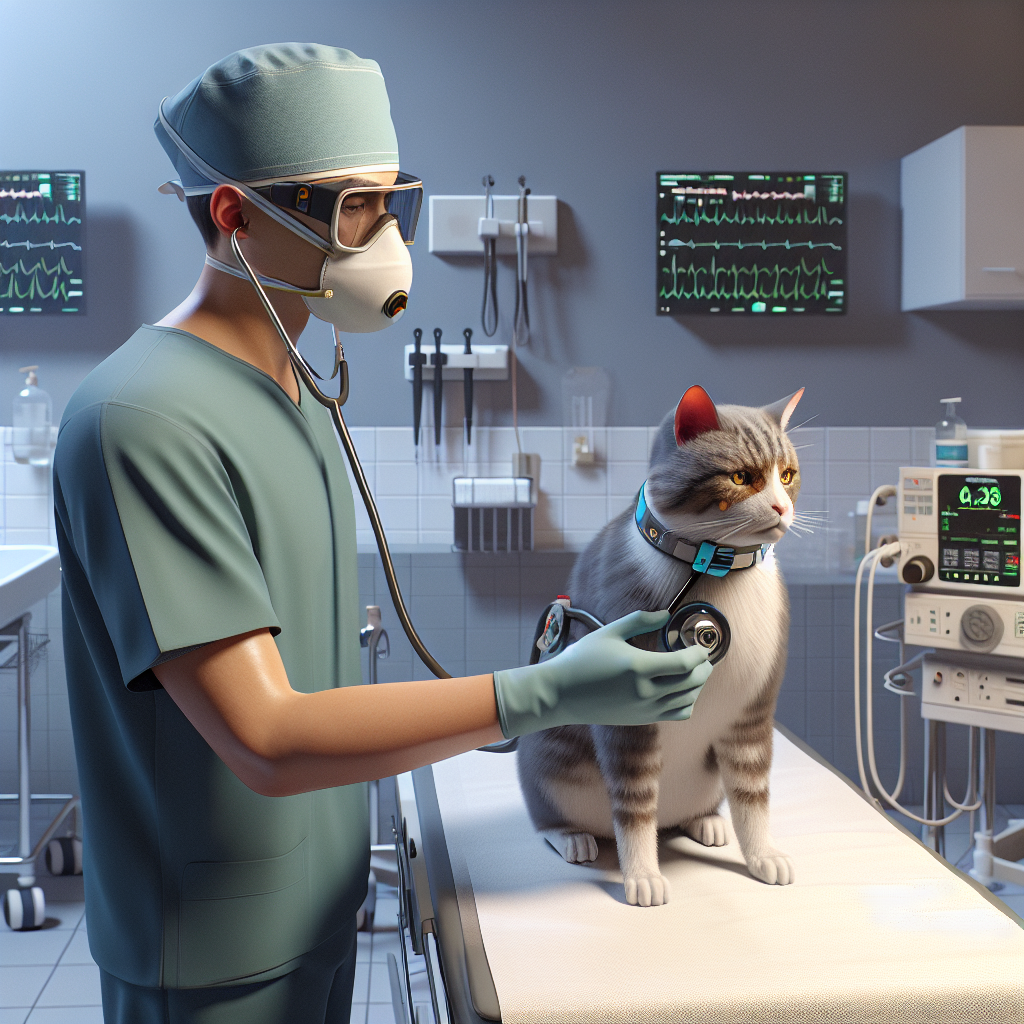
The examination may involve gently palpating your cat’s lymph nodes and listening to their lungs and heart with a stethoscope. These assessments help the veterinarian identify any abnormal findings that could indicate a cat cold or another underlying condition. It’s important to provide the veterinarian with accurate and detailed information about your cat’s symptoms and behavior to aid in the diagnosis.
In some cases, additional diagnostic tests may be necessary to confirm the diagnosis of a cat cold. These tests can help rule out other potential causes of respiratory symptoms and provide a more comprehensive understanding of your cat’s condition. The specific tests recommended by the veterinarian may vary depending on the individual case, but common diagnostic tests for cat colds include:
Blood tests: Blood tests can help evaluate your cat’s overall health and identify any abnormalities in their blood cell count or organ function. These tests can provide valuable insights into the underlying cause of the cat cold symptoms.
Viral testing: If a viral infection is suspected, the veterinarian may recommend specific tests to identify the presence of viruses known to cause cat colds, such as feline herpesvirus or feline calicivirus. These tests may involve collecting samples from the respiratory tract or blood.
Bacterial cultures: In some cases, secondary bacterial infections can occur alongside a cat cold. Bacterial cultures can help identify the specific bacteria responsible for the infection and guide appropriate treatment.
Imaging tests: In more severe cases or when complications are suspected, imaging tests such as X-rays or ultrasounds may be recommended. These tests can provide detailed images of the respiratory system, helping the veterinarian assess the extent of the infection and identify any complications.
Diagnostic tests play a crucial role in accurately diagnosing cat colds and determining the most effective treatment plan. Your veterinarian will discuss the appropriate tests based on your cat’s individual symptoms, medical history, and physical examination findings.
By seeking veterinary care and allowing for a comprehensive examination and diagnostic tests, you can ensure that your cat receives the appropriate treatment for their cat cold. Early diagnosis and treatment are essential for managing symptoms, preventing complications, and promoting a speedy recovery. If you’re interested in learning more about cat cold symptoms, check out our article on cat cold symptoms or cat flu symptoms.
When it comes to treating cat colds and alleviating the discomfort experienced by your furry friend, there are various options available. These include home care and veterinary treatment, each serving a specific purpose in managing the symptoms and aiding the recovery process.
Home care plays a vital role in providing comfort and support to your cat during their recovery from a cold. While mild cases of cat colds often resolve on their own, you can help facilitate the healing process by implementing a few measures at home.
While home care can be beneficial for managing mild cases of cat colds, it’s crucial to remember that severe or persistent symptoms may require veterinary intervention.
In certain cases, seeking veterinary treatment is necessary to ensure your cat receives appropriate care and to address any complications or underlying issues associated with the cold.
Based on the examination and diagnostic results, your veterinarian may prescribe additional treatments, such as:
By following the guidance of your veterinarian and providing the necessary veterinary treatment, you can ensure your cat receives the appropriate care and support needed to overcome their cold. Early intervention is crucial to prevent any potential complications and to promote a swift recovery.
Remember, prevention is always better than cure. To learn more about preventing cat colds and maintaining your cat’s overall health, explore our article on cat flu symptoms.
Preventing cat colds is essential for maintaining your feline companion’s health and well-being. By implementing effective prevention strategies, you can reduce the risk of your cat experiencing sneezing and coughing episodes. Two key prevention strategies are vaccination and environmental management.
Vaccination plays a crucial role in protecting cats against common viral infections that can cause cold-like symptoms. Vaccines stimulate the immune system to produce protective antibodies, which help defend against specific pathogens. Regular vaccination is recommended by reputable veterinary organizations such as the American Veterinary Medical Association (AVMA), Centers for Disease Control and Prevention (CDC), and the American Association of Feline Practitioners (AAFP) (AVMA, CDC, AAFP).
Consult with your veterinarian to determine the appropriate vaccination schedule for your cat. Core vaccines, including those for feline herpesvirus (FHV-1), feline calicivirus (FCV), and feline panleukopenia virus (FPV), are typically recommended for all cats. These vaccines help protect against respiratory infections that can lead to sneezing and coughing.
Creating a clean and stress-free environment is another important aspect of preventing cat colds. Cats are susceptible to respiratory infections when exposed to crowded or unsanitary conditions. Here are some environmental management strategies to consider:
Hygiene: Regularly clean your cat’s living area, litter box, and bedding. This helps minimize the accumulation of dust, dander, and potential allergens that could trigger respiratory symptoms.
Indoor Living: Keeping your cat indoors can reduce exposure to infectious agents and other environmental factors that may contribute to respiratory issues.
Reducing Stress: Cats can be sensitive to stress, which can weaken their immune system and make them more susceptible to infections. Provide a calm and secure environment, enriched with toys, scratching posts, and comfortable resting areas.
Ventilation: Ensure proper airflow and ventilation in your cat’s living space to minimize the accumulation of respiratory irritants.
By implementing these preventive measures, you can significantly reduce the risk of your cat developing cold-like symptoms. However, if you notice any signs of illness or your cat exhibits cat cold symptoms such as watery eyes or a runny nose, it is important to seek veterinary care promptly. Timely treatment can help prevent complications and promote a speedy recovery.
Remember, always consult with your veterinarian for personalized advice and guidance on preventing cat colds and maintaining your cat’s overall health.
Note: For more detailed vaccination guidelines, the World Small Animal Veterinary Association (WSAVA) provides comprehensive information on feline vaccinations (WSAVA).
When it comes to cat colds, it’s important to be vigilant and know when to seek veterinary care for your furry friend. While many mild cases of cat colds can be managed at home, there are certain warning signs that indicate a need for professional medical attention. Recognizing these signs and seeking timely treatment is crucial for the well-being of your cat.
If you notice any of the following warning signs in your cat, it is recommended to seek veterinary care:
Severe or Prolonged Symptoms: If your cat’s symptoms persist for more than a week or worsen over time, it is a red flag that veterinary intervention may be necessary. Common symptoms of cat colds include watery eyes, runny nose, sneezing, coughing, nasal congestion, and a decrease in appetite (American Veterinary Medical Association).
Difficulty Breathing: If your cat is having difficulty breathing, such as rapid or labored breathing, it is a serious concern that requires immediate veterinary attention. Respiratory distress can indicate a more severe infection or a complication that needs prompt medical intervention (Cornell Feline Health Center).
Lethargy and Weakness: If your cat appears excessively lethargic, weak, or has a significant decrease in activity level, it may be a sign of a more severe illness. Cats are known for their independent nature, so any drastic change in behavior should not be ignored.
Loss of Appetite: If your cat refuses to eat or shows a significant decrease in appetite, it can be a sign of an underlying health issue. Cats can become dehydrated quickly if they do not eat or drink, so it’s important to address this symptom promptly.
Timely treatment for cat colds is essential to prevent complications and ensure a speedy recovery. While mild cases can often be managed at home with supportive care, more severe infections or underlying health issues may require veterinary intervention.
Veterinarians can provide a comprehensive examination of your cat’s overall health, assess the severity of the cold, and recommend appropriate treatment options. They may prescribe medications to alleviate symptoms, such as antibiotics to combat bacterial infections or antiviral drugs for certain viral infections (Merck Veterinary Manual). Additionally, they can offer advice on proper nutrition, hydration, and environmental management to help your cat recover.
Remember, cat colds can be highly contagious, especially in multi-cat households or shelter environments. Seeking prompt veterinary care can not only help your cat but also prevent the spread of the infection to other feline companions (The Humane Society of the United States). If you have any concerns or notice any warning signs in your cat, don’t hesitate to reach out to your veterinarian for guidance and support.
By being attentive to your cat’s health and seeking veterinary care when necessary, you can ensure that your feline friend receives the appropriate treatment and gets back to their happy and healthy self as quickly as possible.