 11
11

Cat vomiting can be a concerning issue for pet owners, especially when it involves the expulsion of clear liquid. To better comprehend this behavior, it’s essential to explore the potential causes and symptoms associated with cat vomiting.
There are various factors that can contribute to vomiting in cats. In some cases, cats may vomit clear liquid due to the fluid contents of the stomach or if they have consumed an excessive amount of water. Other potential causes of cat vomiting include:
When a cat vomits clear liquid, it may indicate that the cat is expelling water, saliva, and stomach acids from the digestive tract. Additionally, the vomit may contain bile if it is associated with stomach irritation (Chewy). It’s crucial to keep an eye out for other accompanying symptoms that may help identify the underlying cause of the vomiting. These symptoms may include:
Monitoring these symptoms can provide valuable information for veterinary professionals when diagnosing and treating the underlying cause of the cat’s vomiting.
If your cat is experiencing frequent or persistent vomiting, it is advisable to consult a veterinarian. They can perform a thorough examination, potentially including diagnostic testing, to determine the cause of the vomiting and develop a tailored treatment plan.
When a cat experiences chronic vomiting, it can be a cause for concern and may indicate underlying health conditions. Identifying and addressing these conditions is crucial for the well-being of your furry friend.
Chronic vomiting in cats can be a symptom of various underlying health conditions that require proper management over time. Some common causes of chronic vomiting include:
Inflammatory Bowel Disease (IBD): IBD is an inflammatory condition affecting the gastrointestinal tract. It can cause chronic vomiting, diarrhea, and weight loss. Proper diagnosis and treatment, which may involve dietary changes and medication, are essential for managing IBD in cats.
Cancer: Certain types of cancer, such as gastrointestinal tumors, can lead to chronic vomiting. Treatment options may include surgery, chemotherapy, or radiation therapy, depending on the specific cancer and its stage.
Kidney Disease: Chronic kidney disease (CKD) is a progressive condition that can cause vomiting, among other symptoms. Managing CKD involves a combination of dietary modifications, medications, and supportive care to maintain kidney function and improve your cat’s quality of life.
Hyperthyroidism: Hyperthyroidism occurs when the thyroid gland produces an excess amount of thyroid hormone. Cats with hyperthyroidism may experience chronic vomiting, weight loss, increased appetite, and restlessness. Treatment options include medication, surgery, or radioactive iodine therapy.
It’s important to consult a veterinarian to determine the underlying cause of chronic vomiting in your cat. They will conduct diagnostic tests, such as blood work and imaging, to identify the specific health condition and develop an appropriate treatment plan.
The management and treatment of chronic vomiting in cats depend on the underlying health condition. Treatment options may include:
Medications: Depending on the diagnosed condition, medications such as anti-inflammatory drugs, immunosuppressants, anti-emetics, or thyroid-regulating medications may be prescribed to alleviate symptoms and manage the underlying condition.
Dietary Modifications: In some cases, dietary changes can help manage chronic vomiting. Specialized diets, such as hypoallergenic or limited-ingredient diets, may be recommended to address food allergies or sensitivities. Additionally, diets formulated for specific health conditions, such as kidney disease or gastrointestinal disorders, can support your cat’s overall well-being.
Supportive Care: Providing supportive care is essential for cats with chronic vomiting. This may involve ensuring they have access to fresh water, encouraging small and frequent meals, and creating a stress-free environment. Your veterinarian may also recommend supplements or additional treatments to support your cat’s specific needs.
The prognosis for cats with chronic vomiting varies depending on the underlying cause and individual circumstances. Cats with simple issues like diet changes usually have a good prognosis, while those with serious diseases or toxic exposures may have a more guarded prognosis. Regular monitoring, follow-up visits, and open communication with your veterinarian are crucial for ongoing management and to ensure the best possible outcome for your cat’s health.
If you are concerned about your cat’s chronic vomiting, it’s important to contact a veterinarian for a comprehensive evaluation and tailored treatment plan. Prompt veterinary care can help identify the underlying cause and provide the necessary support to improve your cat’s quality of life.
When a cat vomits clear liquid, it can be a cause for concern for pet owners. Understanding the possible causes and knowing when to seek veterinary care is essential in ensuring the well-being of your feline companion.
Clear liquid vomiting in cats can occur for various reasons. It may be the fluid contents of the stomach or a result of drinking too much water. Some common possible causes include:
It’s important to note that while clear liquid vomiting may not always indicate a serious issue, frequent vomiting or the presence of additional symptoms should not be ignored. If your cat vomits clear liquid repeatedly or displays symptoms such as lack of appetite, weight loss, lethargy, or diarrhea, it is advisable to seek veterinary care promptly for evaluation and treatment.
Determining when to seek veterinary care for a cat vomiting clear liquid can be pivotal in identifying and addressing any underlying health issues. While occasional clear liquid vomiting may not be cause for immediate concern, the following situations warrant contacting a veterinarian:
By monitoring your cat’s condition, recognizing concerning symptoms, and promptly seeking veterinary care when necessary, you can ensure that your furry friend receives the proper attention and treatment to address any underlying causes of clear liquid vomiting. Remember, your veterinarian is the best resource for diagnosing and managing your cat’s health.
When a cat is vomiting clear liquid, it is important to address the root cause of the issue to ensure the cat’s well-being. This may involve diagnostic testing by a veterinarian and the development of a tailored treatment plan.
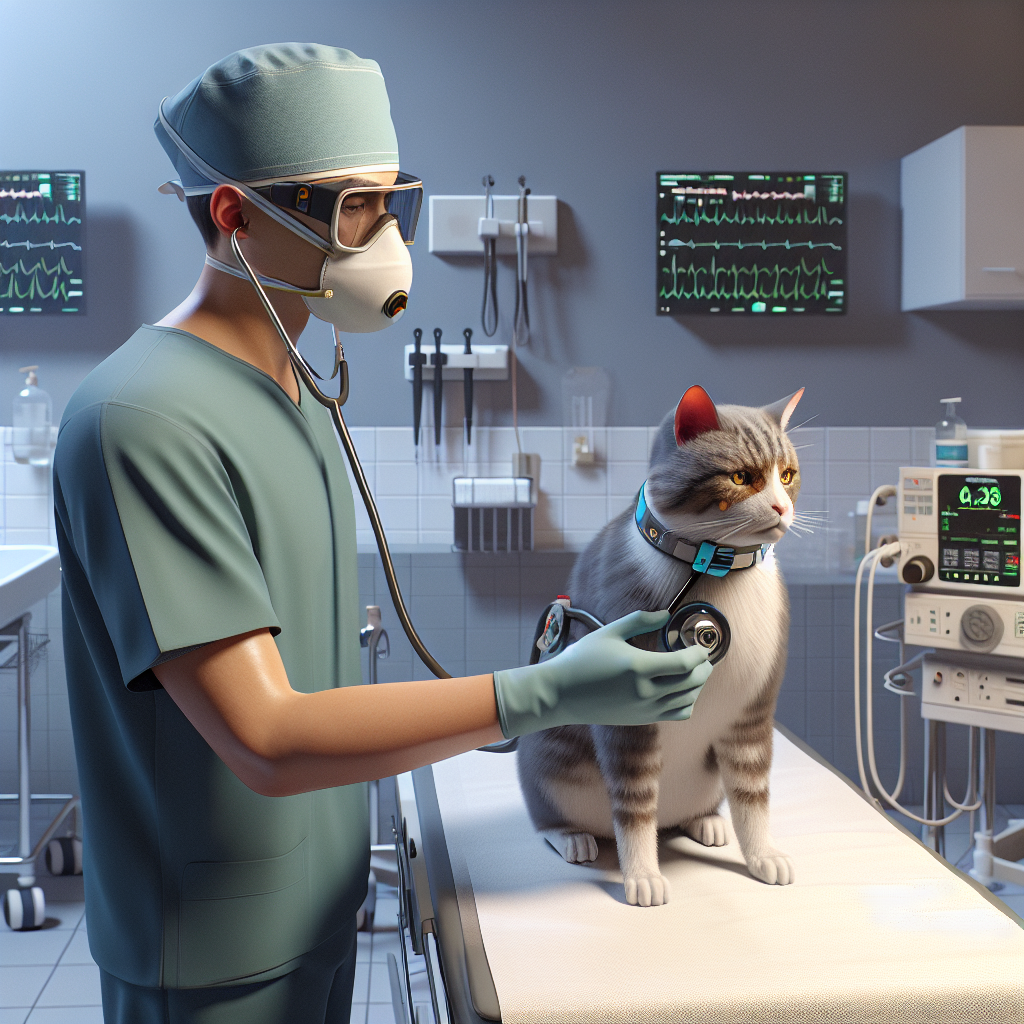
To determine the underlying cause of clear liquid vomiting in cats, it is essential to consult a veterinarian. The vet will conduct a thorough examination of the cat, which may include assessing the cat’s overall health, checking blood pressure, conducting weight checks, and performing a fecal examination. These diagnostic tests help to identify any underlying health conditions or gastrointestinal issues that may be contributing to the vomiting.
Additionally, the vet may recommend further tests such as blood work, urinalysis, or imaging studies like X-rays or ultrasound. These tests provide valuable insights into the cat’s internal health, helping the vet make an accurate diagnosis.
Once the underlying cause of the clear liquid vomiting has been identified, the veterinarian will develop a tailored treatment plan for the cat. The treatment plan will depend on the specific diagnosis and may vary from cat to cat.
Treatment for clear liquid vomiting in cats aims to address the root cause and alleviate symptoms. Some cats may require hospitalization for fluid therapy and supportive care, while others may be treated on an outpatient basis with oral medications. In cases of suspected intestinal blockage, surgery may be necessary.
The veterinarian may also recommend dietary changes, such as feeding the cat small, frequent meals or switching to a special diet formulated for digestibility. These dietary adjustments can help reduce gastrointestinal irritation and promote better digestion.
It is crucial to follow the veterinarian’s instructions closely and administer any prescribed medications as directed. Regular follow-up visits may be necessary to monitor the cat’s progress and make adjustments to the treatment plan if needed.
If you notice any changes in your cat’s condition or if the vomiting persists or worsens, it is important to contact your veterinarian promptly. They will be able to provide guidance and adjust the treatment plan if necessary.
Remember, it is not advised to give cats any food or water by mouth until guidance is obtained from a veterinarian, as home remedies for cat vomiting are limited. Seeking professional veterinary care is crucial to ensure the health and well-being of your cat.
Frequent vomiting in cats can be a cause for concern. While occasional vomiting may be normal, repeated or persistent vomiting should not be ignored. The causes of frequent vomiting in cats can range from benign issues to more serious underlying health conditions. It’s important to understand the potential causes and know when to seek veterinary care.
The causes of frequent vomiting in cats can vary widely, from benign issues to more serious conditions. Some common causes include:
These are just a few examples of the various causes of frequent vomiting in cats. It’s important to consult with a veterinarian to determine the underlying cause and develop an appropriate treatment plan.
If your cat vomits repeatedly in one day or vomits occasionally for more than two days in a row, it’s recommended to contact a veterinarian for a thorough examination. Diagnostic tests, such as blood and urine panels, fecal tests, x-rays, or ultrasounds, may be necessary to identify the cause of the vomiting. The veterinarian will evaluate the symptoms, conduct necessary tests, and provide a tailored treatment plan based on the underlying cause.
Remember, frequent vomiting in cats can be a sign of an underlying health issue. Prompt veterinary care is crucial to identify and address the root cause, ensuring the well-being of your feline companion.
To learn more about other types of vomiting in cats, such as vomiting white foam or vomiting blood, check out our articles on cat vomiting white foam and cat vomiting blood.
When it comes to addressing cat vomiting and promoting overall health, there are several key factors to consider. By addressing underlying health issues and providing a balanced diet, you can help prevent and manage episodes of vomiting in your feline friend.
Vomiting in cats can be a result of various underlying health issues. It’s important to observe additional symptoms, the color of the vomit, and the frequency of vomiting to determine if there is an underlying problem. If your cat is experiencing chronic or severe vomiting, it’s crucial to seek veterinary care. A veterinarian will be able to conduct diagnostic testing to identify any underlying health conditions that may be contributing to the vomiting (PetMD).
A well-balanced diet plays a significant role in maintaining a cat’s overall health and reducing the likelihood of vomiting. Feeding your cat high-quality cat food that meets their nutritional needs is essential. Look for cat food that is specifically formulated for their age, size, and any specific dietary requirements they may have.
Avoid sudden changes in your cat’s diet, as this can cause digestive upset and potentially lead to vomiting. If you need to transition your cat to a new food, do so gradually by mixing small amounts of the new food with their current food over a period of several days.
Additionally, ensure that your cat has access to fresh water at all times. However, be mindful that excessive thirst in cats can be a sign of an underlying health issue (The Spruce Pets). If you suspect your cat is drinking an abnormal amount of water, it’s important to consult with a veterinarian for further evaluation.
By addressing any underlying health issues and providing a balanced diet, you can help prevent and manage episodes of vomiting in your cat. However, it’s crucial to remember that home remedies for cat vomiting are limited, and you should always consult with a veterinarian before administering any treatments or medications to your cat. Their expertise will ensure that your cat receives the appropriate care and treatment necessary for their specific condition.