 11
11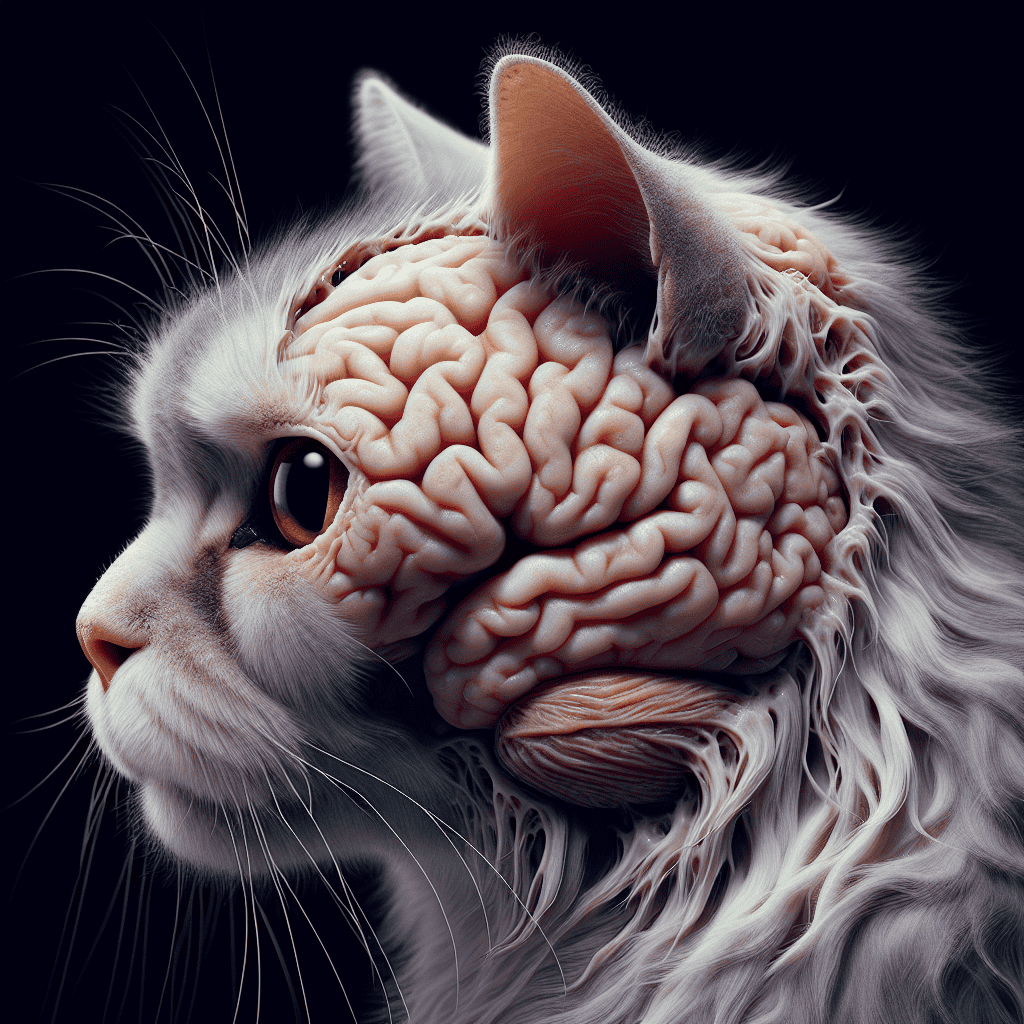

As cats age, they are susceptible to brain aging and cognitive decline, just like humans. Understanding the prevalence of brain aging in senior cats and recognizing the behavioral signs of cognitive disorders is essential for managing their overall well-being.
Brain aging is a common occurrence in senior cats. According to the American Association of Feline Practitioners, approximately 50% of cats at 15 years of age (equivalent to 85 years in humans) exhibit signs of brain aging, highlighting the prevalence of this issue in senior cats (Hill’s Pet Nutrition). Studies have shown that more than a quarter of cats aged 11 to 14 show at least one sign of dementia, and this number increases to 50% in cats over the age of 15. Additionally, research suggests that around 36% of cats between the ages of 11 and 21 are affected by feline dementia. Early identification of cognitive decline in cats is crucial for implementing appropriate steps to support their cognitive health.
Recognizing the behavioral signs of cognitive disorders in cats is vital for early detection and intervention. Common symptoms of feline dementia include:
By being aware of these signs, cat owners can work closely with their veterinarian to develop a comprehensive plan to manage and support their cat’s cognitive health. If you notice any of these symptoms in your cat, it is advisable to consult a veterinarian for a proper diagnosis and guidance on treatment options. For a more detailed list of symptoms, refer to our article on cat dementia symptoms.
Understanding the prevalence of brain aging in senior cats and recognizing the behavioral signs of cognitive disorders is the first step in effectively managing and supporting their cognitive health. In the following sections, we will explore various strategies, including diet, mental stimulation activities, and safety precautions, that can help in managing dementia in cats.
When it comes to cat brain aging, effective management of dementia is key in preserving your feline companion’s cognitive function and overall well-being. There are several strategies you can employ to support your cat during this stage of life.
Providing a diet rich in antioxidants and omega fatty acids can help improve cognitive function in senior cats. Antioxidants help protect the brain cells from oxidative stress, while omega fatty acids support brain health and reduce inflammation. Consider incorporating cat foods that are specifically formulated to support brain health and cognitive function into your cat’s diet. These foods often contain ingredients such as fish oil, which is a source of omega-3 fatty acids, and antioxidants like vitamin E.
Just like humans, mental stimulation is crucial for maintaining brain function in cats. Incorporating mental stimulation activities can help keep their minds active and engaged. Puzzle balls, treat-dispensing toys, and interactive feeding mazes are great options to encourage hunting behavior and stimulate brain activity in senior cats (Hill’s Pet Nutrition). These activities can make mealtime more exciting and provide an opportunity for your cat to exercise their cognitive abilities.
As cats age, they may experience declining vision and mobility, making it important to implement safety precautions within your home. Nonskid surfaces can help prevent slips and falls, while ramps or steps can assist your senior cat in navigating furniture or accessing higher areas. Creating a cat-friendly environment that is easy to navigate can help reduce stress and promote independence.
Taking these precautions can help ensure your cat’s safety and minimize the risk of accidents or injuries. It’s also important to schedule regular veterinary check-ups to monitor your cat’s overall health and address any changes in behavior or cognitive function. Early identification of cat dementia symptoms can lead to timely intervention and management strategies.
By focusing on a combination of a brain-healthy diet, mental stimulation activities, and creating a safe environment, you can support your cat’s cognitive health and help them navigate the challenges of aging with grace.
Understanding the symptoms and causes of cat dementia is crucial for early identification and effective management of this condition. Cat dementia, also known as feline cognitive dysfunction (feline cognitive dysfunction), is a neurodegenerative condition that affects older cats. Let’s explore the impact of age-related brain degeneration, protein buildup, and the common symptoms associated with feline dementia.
As cats age, their brains undergo natural age-related changes. According to the American Association of Feline Practitioners, approximately 50% of cats at 15 years of age (equivalent to 85 in humans) exhibit signs of brain aging (Hill’s Pet Nutrition). These changes can lead to cognitive decline and affect various brain functions, including memory, problem-solving, and learning.
A significant factor contributing to cat dementia is the buildup of a protein called beta-amyloid in the brain. This protein accumulation can lead to brain damage and disrupt the normal functioning of neurons responsible for information processing and command execution (PetMD). Additionally, the slowed blood flow to the brain further exacerbates the cognitive decline in cats.
Cats with dementia also exhibit the presence of another protein called hyperphosphorylated tau. This protein, similarly to beta-amyloid, contributes to the degeneration of neurons and the development of cognitive dysfunction.
Recognizing the symptoms of feline dementia is essential for early intervention and appropriate care. The signs of cat dementia may vary, but some common symptoms include:
If you notice any of these symptoms in your aging cat, it’s important to consult with a veterinarian for a proper diagnosis and guidance on managing the condition. Early identification and intervention can help enhance the quality of life for cats with dementia.
Understanding the impact of age-related brain degeneration, protein buildup, and the common symptoms associated with feline dementia are crucial steps in effectively managing and supporting the cognitive health of aging cats. Providing a stimulating environment, appropriate nutritional support, and regular veterinary check-ups can help ensure the well-being of your feline companion.
When it comes to managing dementia in cats, there are several treatment options available to help support their cognitive health. These treatment options include environmental enrichment and supplement and medication options.
Environmental enrichment plays a crucial role in supporting the cognitive health of cats with dementia. Providing a stimulating environment can help keep their minds active and engaged. Here are some strategies for environmental enrichment:
Supplements and medications can be used to support cognitive function and manage the symptoms of dementia in cats. Here are some common options:
It’s important to note that while there is no cure for dementia in cats, these treatment options can help improve cognitive function, manage symptoms, and enhance the quality of life for cats with dementia. It’s always best to consult with your veterinarian to determine the most appropriate treatment plan for your cat’s specific needs.
To learn more about the signs and symptoms of dementia in cats, refer to our article on cat dementia symptoms.
As cats age, their brains undergo various changes that can impact their cognitive function. Understanding these brain changes is crucial in recognizing and managing age-related cognitive decline in cats.
A recent study examining brain changes in aged cats revealed brain atrophy, or shrinking, similar to what is observed in humans and dogs. This shrinkage indicates structural changes in the brain as cats age. Global analysis of brain scans from the study showed a significant correlation between increasing age and a decrease in global gray matter volume and total brain volume in cats (NCBI). However, no significant correlation was found with global white matter volume.
Regional analysis using Voxel-Based Morphometry (VBM) demonstrated that the parietal cortex, particularly the right postcruciate gyrus, right rostral marginal gyrus, right suprasylvian gyrus, left postcruciate gyrus, and left rostral marginal gyrus, exhibited a decrease in volume with aging in cats (NCBI). It’s worth noting that age-related atrophy of the parietal cortex may not always manifest as neurological and behavioral signs in cats, underscoring the importance of considering age when evaluating morphometric and functional abnormalities of this brain region in feline patients.
Intriguingly, the brain changes observed in elderly cats share similarities with the brains of humans diagnosed with Alzheimer’s disease, suggesting that cats may serve as a valuable model for studying this neurodegenerative condition in people (Morris Animal Foundation). This similarity opens up opportunities for advancing our understanding of Alzheimer’s disease and developing potential treatments.
The study’s findings highlight the importance of monitoring cats’ cognitive health as they age. Recognizing the brain changes associated with aging can aid in early identification of cognitive decline and prompt appropriate interventions to support overall feline well-being. To learn more about the symptoms and causes of feline dementia, refer to our article on cat dementia symptoms.
By understanding the brain changes that occur in aging cats and their similarities to human Alzheimer’s disease, we can work towards preserving feline brilliance and managing age-related cognitive decline in our beloved furry companions. Supporting their cognitive health through proper nutrition, environmental enrichment, and targeted interventions is crucial for ensuring their quality of life.
As cats age, it’s important to prioritize their cognitive health to maintain their overall well-being. Early identification of cognitive decline is crucial for implementing appropriate steps to support cat cognitive health. Additionally, providing proper nutritional support and making necessary environmental adjustments can significantly contribute to maintaining and enhancing cognitive function in cats.
Early identification of cognitive decline in cats is essential for taking proactive measures to support their cognitive health. Recognizing the symptoms of cat dementia is the first step. Common signs of cognitive decline in cats include disorientation, changes in social behavior, altered sleep patterns, decreased grooming, and increased anxiety. If you notice any of these signs in your cat, it’s important to consult with a veterinarian who can provide a proper diagnosis and guidance on managing the condition.
Proper nutrition plays a vital role in supporting cognitive health in cats. Certain nutrients, such as antioxidants, omega-3 fatty acids, and B vitamins, have been shown to have a positive impact on brain health in cats. Consult with your veterinarian to ensure that your cat’s diet includes appropriate levels of these nutrients to support cognitive function.
In addition to nutrition, making environmental adjustments can help promote cognitive health in cats. Providing mental stimulation through interactive toys, puzzles, and playtime can help keep their minds active and engaged. Creating a comfortable and secure environment with cozy resting areas and minimizing stressors can also contribute to their overall well-being.
It’s important to note that while nutritional support and environmental adjustments can help support cognitive health in cats, there is currently limited research on the impact of various treatments for cognitive decline in cats. Further studies are needed to fully understand the disease process and progression of cognitive dysfunction in cats.
By staying attentive to the signs of cognitive decline and implementing appropriate nutritional support and environmental adjustments, you can help support your cat’s cognitive health as they age. Regular check-ups with your veterinarian are crucial for monitoring their cognitive function and making any necessary changes to their care routine.