 11
11

Ringworm in dogs is a common fungal infection that affects the skin, hair, and, in some cases, nails. Contrary to its name, ringworm is not caused by actual worms but by different types of fungi. The most prevalent culprits are Microsporum canis (70% of cases), Microsporum gypseum (20% of cases), and Trichophyton mentagrophytes (10% of cases) (American Kennel Club).
Ringworm in dogs spreads through direct contact with the fungus, which can occur through contact with an infected animal or person, or by touching contaminated objects like furniture, combs, food bowls, bedding, or carpets. The fungal spores can remain viable for up to 18 months, making it important to take precautions to prevent further spread (American Kennel Club).
Symptoms of ringworm in dogs can vary but commonly include:
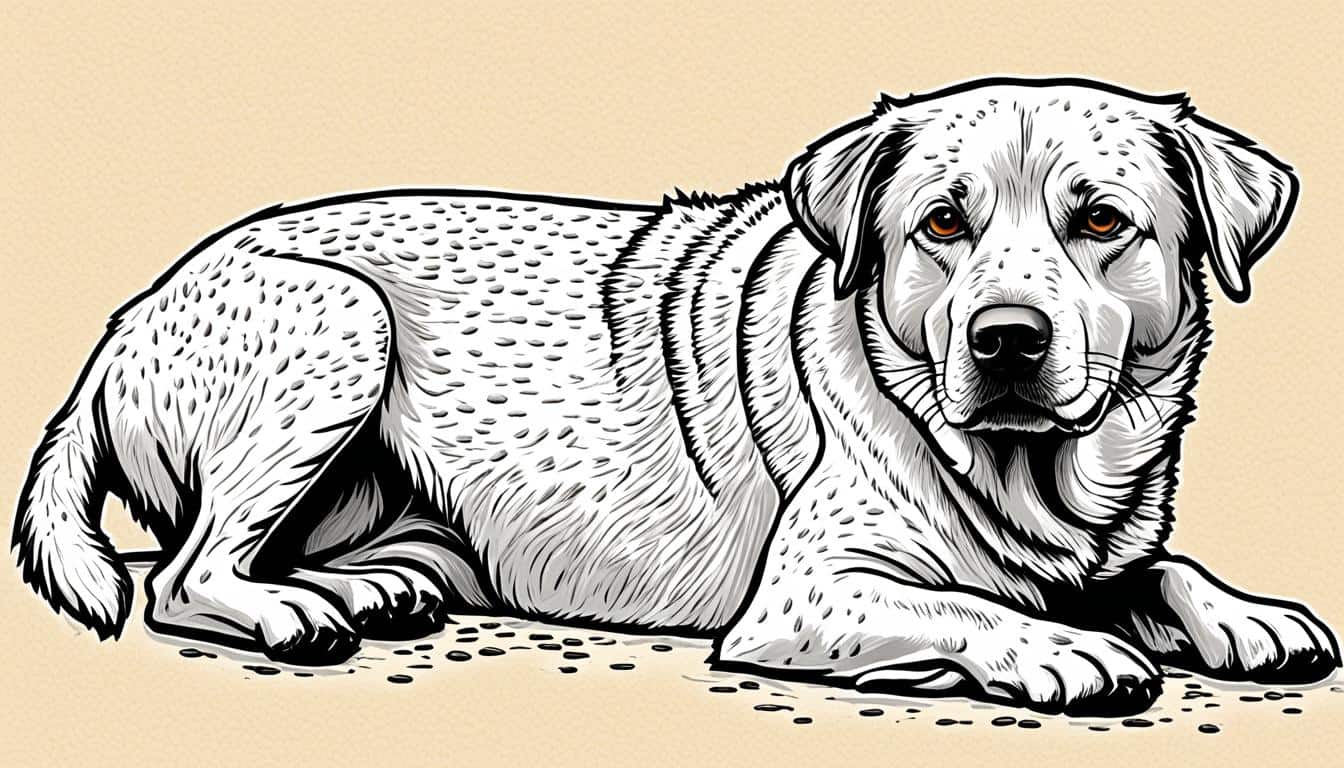
If your dog exhibits these symptoms, it is crucial to seek veterinary advice for proper diagnosis and treatment. For visual reference, you can find ringworm in dogs pictures to help identify potential signs of the infection.
Ringworm in dogs is highly contagious. It can spread from infected dogs to other animals or humans through direct contact with the fungus. The fungus can also be transmitted indirectly by touching contaminated objects or surfaces, such as grooming tools, bedding, or furniture. The fungal spores can survive for extended periods, making it essential to take appropriate measures to prevent the spread of infection (American Kennel Club).
It’s important to note that ringworm in dogs can also spread to cats. In fact, the fungus responsible for the majority of ringworm cases in dogs (Microsporum canis) is also responsible for 98% of ringworm cases in cats. Therefore, if you have both dogs and cats in your household, it’s crucial to take precautions to prevent cross-contamination.
To effectively manage and treat ringworm in dogs, it’s vital to understand the causes, symptoms, and contagious nature of the infection. Seeking prompt veterinary guidance is crucial to ensure appropriate diagnosis and treatment. In the following sections, we will explore traditional treatments, natural remedies, and home remedies for ringworm in dogs, providing a comprehensive guide to addressing this common fungal infection.
When it comes to treating ringworm in dogs, there are traditional treatment options available. These treatments include topical treatments, oral medications, and preventative measures. It’s important to consult with a veterinarian to determine the best course of action for your dog’s specific case of ringworm.
Topical treatments are often the initial approach for treating ringworm in dogs. These treatments involve the application of creams, ointments, or medicated shampoos directly onto the affected areas of the skin. The active ingredients in these topical solutions help to eliminate the fungal infection and alleviate the symptoms.
For localized, smaller ringworm infections in dogs, antifungal creams and ointments can be applied effectively to a specific spot. These treatments can help reduce the contagiousness of the ringworm patch and may need to be applied for at least six weeks or more (WebMD). Trimming the fur around the infected area can also help reduce the chances of shedding or breaking hairs that contain ringworm spores, thus minimizing the spread of the infection.
In more severe cases of ringworm or for dogs that have recurring infections, oral medications may be necessary. These medications are prescribed by a veterinarian and are effective in treating systemic ringworm infections. Oral medications work from the inside out, targeting the fungus throughout the dog’s body. The duration of oral medication treatment will vary depending on the severity of the infection and the specific medication prescribed.
Preventing the spread and recurrence of ringworm in dogs is crucial. Along with the prescribed treatments, there are several preventative measures you can take to minimize the risk of ringworm infection in your dog and other pets in your household. These measures include:
By utilizing these traditional treatment methods and taking preventative measures, you can effectively manage and treat ringworm in your dog. Remember, always consult with a veterinarian for a proper diagnosis and guidance on the most appropriate treatment for your furry friend.
When it comes to treating ringworm in dogs, many pet owners prefer to explore natural remedies alongside traditional treatments. Natural remedies can help alleviate the symptoms of ringworm and promote healing. In this section, we will discuss three popular natural remedies: apple cider vinegar, chamomile and oatmeal baths.
Apple cider vinegar is a commonly used natural remedy for various skin conditions, including ringworm in dogs. It has demonstrated antifungal properties against Candida, another fungal infection (Medical News Today). To treat ringworm in dogs with apple cider vinegar, soak a cotton wool pad in undiluted vinegar and gently wipe it on the affected area, repeating up to three times daily. The acidic nature of apple cider vinegar helps create an unfavorable environment for the fungus, promoting healing and relieving itching. However, it’s important to note that undiluted apple cider vinegar may cause irritation, so it’s recommended to monitor your dog’s reaction and dilute the vinegar if necessary.
Chamomile and oatmeal baths are soothing and can provide relief to dogs suffering from the discomfort of ringworm. Chamomile has anti-inflammatory and antimicrobial properties that help reduce itching and inflammation, while oatmeal has a calming effect on the skin. To prepare a chamomile and oatmeal bath, you can use chamomile tea bags or loose chamomile flowers and finely ground oatmeal. Steep the chamomile in warm water, add the oatmeal, and let it cool down to a comfortable temperature. Gently bathe your dog in the mixture, ensuring that the affected areas are thoroughly soaked. This can be done a few times a week to help alleviate symptoms and promote healing.
Natural remedies for ringworm in dogs, such as apple cider vinegar and chamomile and oatmeal baths, can be effective in relieving itching, soreness, and inflammation in the infected areas (Wag Walking). However, it’s important to remember that natural remedies should not replace traditional treatments prescribed by a veterinarian. While these remedies can provide relief, they may not completely eradicate the fungal infection. If you choose to use natural remedies, it’s crucial to monitor your dog’s condition closely and consult with a veterinarian for a comprehensive treatment plan.
By incorporating natural remedies like apple cider vinegar, chamomile and oatmeal baths, along with traditional treatments, you can help alleviate the discomfort caused by ringworm in dogs and support the healing process. It’s important to remember that every dog is different, and what works for one may not work for another. If you have any concerns or if the ringworm worsens or persists, it’s always best to consult with a veterinarian for guidance and appropriate treatment options.
When it comes to treating ringworm in dogs at home, there are several remedies that can help alleviate symptoms and promote healing. It’s important to note that while these remedies can be effective, severe or persistent cases of ringworm may require veterinary intervention. Always consult with a veterinarian for proper diagnosis and guidance.
One home remedy for ringworm in dogs is using an anti-fungal CBD dog shampoo. CBD, or cannabidiol, has been recognized for its potential anti-inflammatory and antifungal properties. The shampoo can help relieve itching, soreness, and inflammation in the infected areas. It’s important to choose a shampoo specifically formulated for dogs and follow the instructions provided by the manufacturer.
Tea tree oil and coconut oil are two commonly used natural remedies for ringworm in dogs. Tea tree oil has antifungal properties that can help combat the fungal infection, while coconut oil contains certain fatty acids that may kill fungal cells by damaging their cell membranes.
To use tea tree oil, dilute a few drops in a carrier oil such as coconut oil and apply it to the affected area. It’s crucial to dilute tea tree oil properly, as it can be toxic if ingested or applied in concentrated form. Coconut oil can be applied directly to the skin, serving as a moisturizing lotion to help prevent future infections.
CBD oil, similar to the CBD dog shampoo, may also provide relief for dogs with ringworm. CBD oil has been recognized for its potential anti-inflammatory and antifungal properties, which can help reduce itching and inflammation associated with ringworm. Consult with a veterinarian to determine the proper dosage and administration method for your dog.
While these home remedies can help alleviate symptoms and support the healing process, it’s important to remember that they may not be effective for all cases of ringworm. If the symptoms persist or worsen, it’s crucial to seek veterinary care for a proper diagnosis and treatment plan.
For more information on ringworm in dogs, including symptoms and traditional treatment options, refer to our article on how to treat ringworm in dogs.
Preventing and managing ringworm in dogs requires diligent efforts to minimize the spread of the fungal infection. By implementing proper environmental cleanliness, monitoring symptoms, and ensuring treatment compliance, you can effectively address this common condition.
To prevent the spread of ringworm in dogs, it is crucial to maintain a clean environment. The fungal spores that cause ringworm can survive on surfaces and objects, such as furniture, combs, food bowls, bedding, and carpets, for up to 18 months. To minimize the risk of transmission, consider the following steps:
Vigilant monitoring of your dog’s symptoms is essential for effectively managing ringworm. Keep an eye out for the following signs:
If you suspect ringworm in your dog, consult a veterinarian for a proper diagnosis. It’s important to note that other skin conditions can cause similar symptoms, so professional evaluation is crucial (Pumpkin).
Compliance with the recommended treatment plan is crucial for successfully managing ringworm in dogs. Treatment typically involves a combination of topical medications and oral antifungal medications, as prescribed by a veterinarian (how to treat ringworm in dogs). To ensure treatment compliance:
Remember, dogs with weakened immune systems or underlying skin conditions may require more aggressive treatment and longer recovery periods. Regular follow-up visits with the veterinarian are essential to monitor progress and adjust the treatment plan if necessary.
By maintaining environmental cleanliness, closely monitoring symptoms, and adhering to the prescribed treatment plan, you can effectively prevent the spread of ringworm and manage the condition in your dog. Additionally, it’s important to consider the potential transmission of ringworm to humans, especially young children. Take appropriate precautions to minimize exposure to the fungus and consult a healthcare professional if any family members develop symptoms (VCA Canada).
When it comes to treating ringworm in dogs, it is crucial to seek guidance from a veterinarian. Veterinary professionals have the knowledge and expertise to properly diagnose and develop effective treatment plans. In this section, we will explore the diagnosis methods, treatment protocols, and long-term recovery for ringworm in dogs.
A veterinarian can diagnose ringworm in dogs using various methods. These may include:
By utilizing these diagnostic methods, veterinarians can confirm the presence of ringworm and determine the most appropriate treatment plan for the individual dog.
The treatment of ringworm in dogs often involves a combination of topical and systemic therapies. Topical therapy includes the application of creams, ointments, or shampoos directly to the affected areas. Systemic therapy involves the administration of oral anti-fungal drugs to eliminate the infection from within the dog’s body.
The most commonly used systemic anti-fungal drug for ringworm treatment in dogs is griseofulvin. However, newer drugs such as itraconazole or terbinafine are also being used more frequently due to their effectiveness and fewer side effects (VCA Hospitals). The specific medication and treatment duration will depend on the severity of the infection and the veterinarian’s assessment.
In addition to medication, environmental decontamination is essential to prevent reinfection and the spread of the fungus. This may involve thorough cleaning of the dog’s living area, bedding, and other items that may have come into contact with the fungus.
With appropriate treatment and diligent care, the majority of dogs can recover from ringworm infections. However, it is important to complete the full course of treatment as prescribed by the veterinarian. Discontinuing treatment too early or not following the recommended approach can lead to recurring symptoms.
To ensure long-term recovery and minimize the risk of reinfection, it is crucial to:
By following the veterinarian’s guidance, monitoring the dog’s condition, and maintaining a clean environment, the chances of successful long-term recovery from ringworm can significantly improve.
Remember, the information provided here is for informational purposes only, and it is important to consult with a veterinarian for personalized guidance on the diagnosis, treatment, and management of ringworm in your dog.