 11
11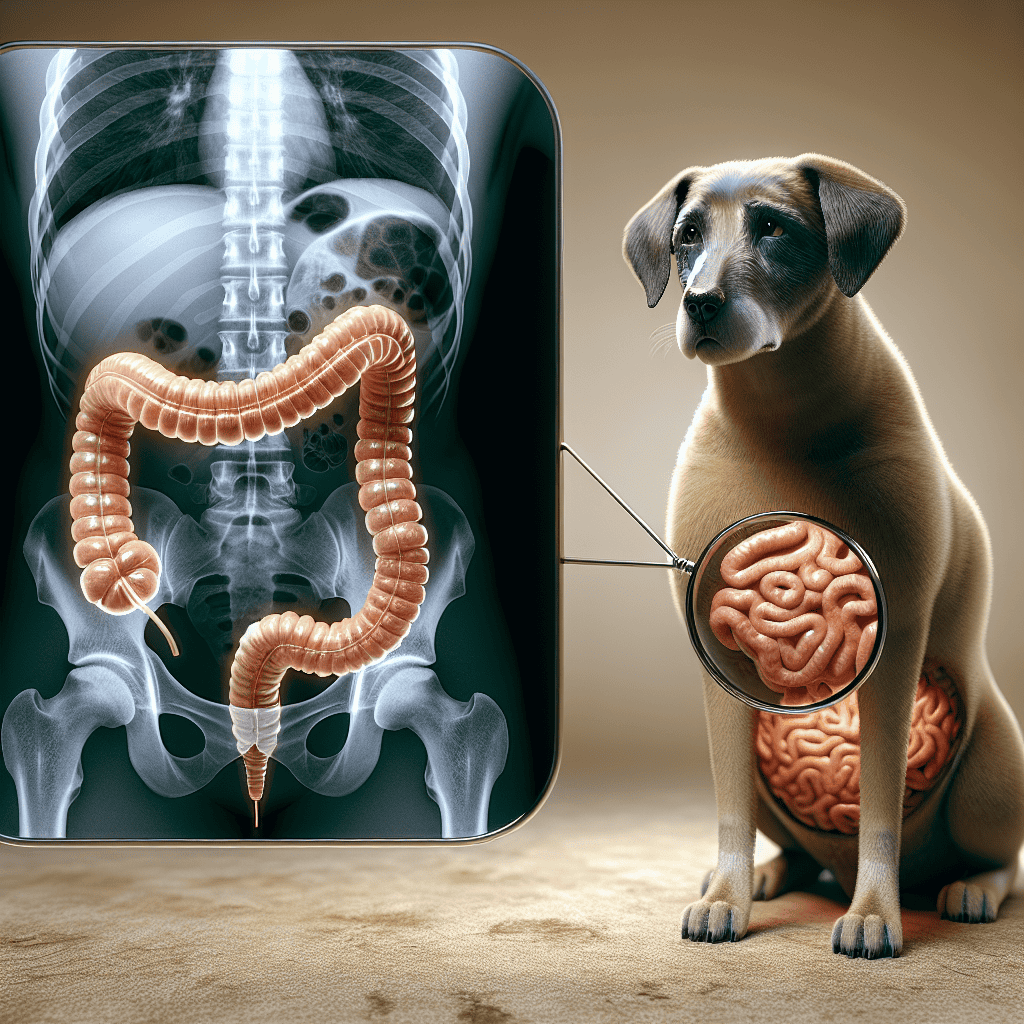

Bloat, also known as gastric dilatation-volvulus (GDV), is a serious and life-threatening condition that can affect dogs of any breed. It occurs when the stomach fills with air or gas, causing it to expand. In some cases, the stomach may twist or rotate on itself, leading to a blockage and preventing the normal flow of food and gas through the digestive system. This condition requires immediate veterinary attention to prevent further complications and potentially fatal outcomes (Merriam-Webster, PetMD).
Bloat, or GDV, in dogs refers to the abnormal expansion of the stomach due to the accumulation of air or gas. The exact cause of bloat is not fully understood, but it is believed to involve a combination of factors, including genetics, diet, and certain anatomical features.
Large breed dogs with deep chests, such as Great Danes, Doberman Pinschers, and German Shepherds, are more susceptible to bloat. However, it is important to note that any breed can develop this condition.
Bloat can progress rapidly and have severe implications for a dog’s health. If left untreated, bloat can lead to gastric dilatation and volvulus (GDV). In GDV, the twisted or rotated stomach not only causes the expansion of the stomach but also cuts off blood flow, making it impossible for food to pass into the intestine. This can result in the rupture of the stomach and injury to the spleen. GDV is a life-threatening emergency that requires immediate veterinary intervention. Without prompt treatment, the condition can lead to death within hours. However, if treated promptly, many cases of bloat and GDV are curable.
Understanding the definition, overview, and severity of bloat in dogs is crucial for dog owners. By recognizing the signs and symptoms of bloat and seeking immediate veterinary care, pet owners can help ensure the best possible outcomes for their furry companions. To learn more about the symptoms of bloat, please refer to our section on dog bloat symptoms.
Bloat, also known as gastric dilatation volvulus (GDV), is a serious condition that can affect dogs. While the exact causes of bloat are not fully understood, there are several risk factors and contributing factors that play a role in its development.
Certain factors can increase the chances of a dog developing bloat. These include:
While the specific causes of bloat remain unclear, certain factors are believed to contribute to its development. These include:
By understanding the risk factors and contributing factors associated with bloat, dog owners can take preventative measures to help reduce the occurrence of this condition. It is important to consult with a veterinarian for guidance on feeding practices, exercise routines, and other lifestyle recommendations to minimize the risk of bloat in dogs.
Recognizing the symptoms of bloat in dogs is crucial for early detection and prompt veterinary intervention. Bloat occurs when a dog’s stomach fills with gas and often twists, leading to potentially life-threatening complications. It is important for dog owners to be aware of both the physical and behavioral signs that may indicate the presence of bloat.
The physical signs of bloat in dogs can vary but may include:
In addition to physical signs, there are several behavioral changes that may indicate the presence of bloat:
If you observe any of these symptoms in your dog, it is important to seek immediate veterinary care. Bloat is a life-threatening condition, and prompt diagnosis and treatment are essential for the best possible outcome. For more information on the diagnosis and treatment of bloat, refer to our section on diagnosing and treating bloat.
Remember, recognizing the symptoms of bloat and seeking veterinary intervention without delay can make a significant difference in your dog’s chances of survival.
When it comes to bloat in dogs, prompt diagnosis and treatment are crucial for a positive outcome. Veterinarians play a vital role in diagnosing bloat and providing emergency treatment options to save the dog’s life.
To diagnose bloat in dogs, veterinarians typically utilize various diagnostic methods. Abdominal X-rays are commonly used to confirm the diagnosis and determine the severity of the condition. These X-rays help identify the presence of gas and assess if the stomach has twisted, which is known as gastric dilatation volvulus (GDV) (PetMD). Additionally, blood work may be performed to assess the dog’s overall health and identify any underlying issues that may have contributed to the development of bloat.
It’s important to note that bloat is a medical emergency, and immediate veterinary intervention is necessary. If you suspect your dog is experiencing bloat, do not hesitate to seek professional help. Time is of the essence in treating this condition and can significantly impact the dog’s chances of survival.
Upon diagnosing bloat, veterinarians will initiate emergency treatment options to stabilize the dog’s condition. The specific treatment may vary depending on the severity of the bloat and the overall health of the dog. Immediate intervention is crucial to alleviate the pain, restore blood circulation, and prevent further complications.
Emergency treatment options for bloat may include:
It’s important to note that bloat and GDV are medical emergencies, and untreated cases can be fatal within hours. However, with immediate veterinary intervention, many cases are curable. If your dog has survived an episode of bloat, your veterinarian may recommend a gastropexy surgery as a preventive measure to reduce the risk of future occurrences.
Remember, if you suspect your dog is experiencing bloat, contact your veterinarian immediately. Time is of the essence, and swift action can greatly increase the chances of a successful outcome.
Preventing bloat in dogs is crucial to ensure their health and well-being. While the exact causes of bloat are not fully understood, there are several dietary considerations and lifestyle recommendations that can help reduce the risk.
The type of food a dog eats can play a role in the occurrence of bloat. Feeding practices such as providing only dry food, feeding a single large daily meal, and using dry foods with fat listed among the first four ingredients have been associated with an increased risk of bloat. On the other hand, feeding a dry food containing a rendered meat-and-bone meal has been linked to a decreased risk by 53 percent.
To prevent bloat, it is recommended to feed dogs good-quality dog food that is low in carbohydrates and high in protein. This helps improve gastrointestinal health and reduces the chance of bloat. Avoid feeding dogs human food that is rich, as it can cause excess gas and contribute to bloat. It’s important to choose a balanced diet that meets the nutritional needs of your dog. Consult with your veterinarian to determine the best diet for your furry friend.
Aside from dietary considerations, certain lifestyle factors can also contribute to the prevention of bloat in dogs. Here are some recommendations to help reduce the likelihood of bloat:
Feeding Practices: Instead of providing one large meal, consider dividing the daily food portion into multiple smaller meals. This approach can help prevent rapid eating, which has been associated with an increased risk of bloat. Slow feeding bowls can also be used to slow down eating and promote better digestion.
Exercise and Rest: Avoid strenuous exercise immediately after meals. Allow your dog to rest and digest their food before engaging in vigorous activities. Excessive exercise after eating can potentially contribute to the development of bloat.
Weight Management: Maintaining a healthy weight is important in preventing bloat. Obesity has been identified as a risk factor for bloat, so it is essential to monitor your dog’s weight and provide regular exercise to keep them in good shape.
By implementing these dietary considerations and lifestyle recommendations, you can help reduce the chances of bloat in your beloved canine companion. It’s important to be mindful of the potential risk factors and take proactive measures to promote a healthy digestive system. If you notice any signs of bloat in dogs, it’s crucial to seek veterinary attention promptly as bloat can be a life-threatening condition that requires immediate medical intervention, including dog bloat surgery.
Certain dog breeds are at a higher risk of developing bloat, also known as gastric dilatation volvulus (GDV). Understanding which breeds are more susceptible to this condition can help dog owners take appropriate preventative measures. In this section, we will explore breeds at higher risk and discuss preventative measures that can be taken.
While any breed of dog can develop bloat, some breeds have a higher average lifetime likelihood of experiencing an episode. According to VIN, the breed with the highest average lifetime likelihood of a bloat episode is the Great Dane, with a staggering 42.4%. Other breeds at a higher-than-average risk include:
It’s important to note that other deep-chested breeds and deep-chested mixed-breed dogs are also at a higher risk of developing bloat.
While the exact causes of bloat in dogs are not entirely understood, there are several preventative measures that can be taken to reduce the likelihood of bloat. According to Blue Cross, here are some recommendations:
Feeding: Instead of feeding large meals once or twice a day, it is advised to feed dogs smaller, more frequent meals throughout the day. Feeding little and often can help prevent the stomach from becoming overly distended.
Dietary considerations: Opt for lower-fat food and avoid rapid eating. Using a slow feeding bowl can help slow down eating, reducing the chances of gulping air while consuming food.
Exercise: Avoid strenuous exercise immediately after meals. Engaging in vigorous activity right after eating can increase the risk of bloat. It’s best to allow for a period of rest before engaging in any strenuous exercise.
Maintaining a healthy weight: Obesity can contribute to the development of bloat. Maintaining a healthy weight through proper diet and exercise can help reduce the risk.
Additionally, some deep-chested breeds may benefit from a preventative surgical procedure called a gastropexy, which involves attaching the stomach to the abdominal wall. This procedure can help prevent the twisting of the stomach, a dangerous complication of bloat. Consult with a veterinarian to determine if this procedure is recommended for your dog.
It’s essential to note that while some previous recommendations, such as feeding dogs from elevated bowls, were thought to prevent GDV, studies have not proven this to be true and it may even increase the risk. Therefore, it is generally recommended to continue feeding dogs as usual unless specific issues arise.
By being aware of the breeds at higher risk of bloat and implementing preventative measures, dog owners can help reduce the chances of their beloved pets developing this potentially life-threatening condition. Regular veterinary check-ups and open communication with your veterinarian are crucial in ensuring the overall well-being of your dog.