 11
11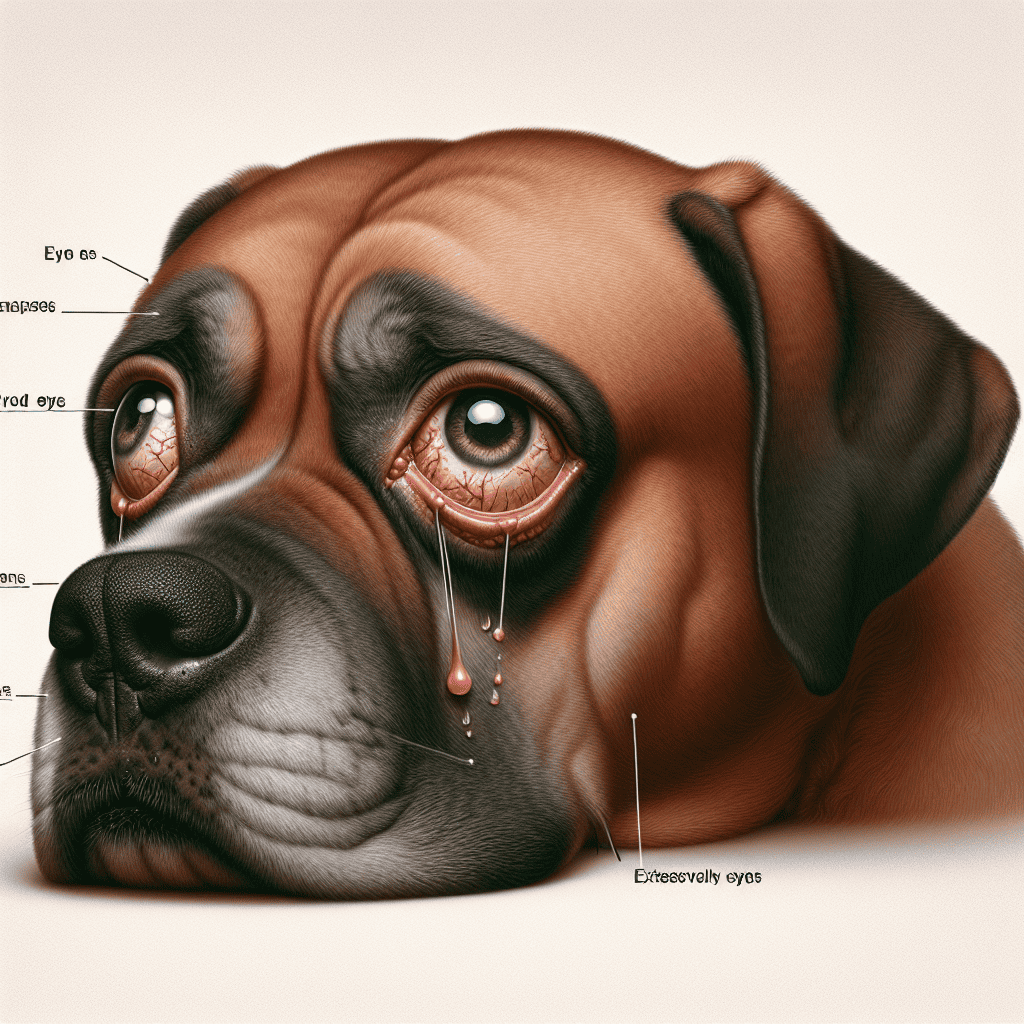

Glaucoma is a serious eye condition that can affect our canine companions. Understanding the definition, overview, and different types of glaucoma is essential for early detection and proper management.
Glaucoma in dogs refers to a group of eye diseases characterized by increased pressure within the eye, known as intraocular pressure (IOP). This elevated pressure can damage the optic nerve and potentially lead to vision loss if left untreated. Glaucoma can occur in one or both eyes.
Glaucoma in dogs can be classified into two main types: primary and secondary glaucoma.
Primary Glaucoma: Primary glaucoma is often the result of inherited anatomical abnormalities in the drainage mechanism of the eye. Certain breeds, such as Boston Terriers, Cocker Spaniels, and Great Danes, are at a higher risk for developing primary glaucoma (Carolina Veterinary Specialists). It is important to note that primary glaucoma can occur in any breed.
Secondary Glaucoma: Secondary glaucoma is more common in dogs and occurs as a result of another existing or concurrent eye condition. These conditions can include tumors, infections, advanced cataracts, eye cancer, inflammation, or chronic retinal detachment (Small Door Vet). Secondary glaucoma is typically caused by factors other than genetics and is the most common form of glaucoma in dogs (VCA Hospitals).
Understanding the distinction between primary and secondary glaucoma is crucial, as the underlying causes and treatment approaches may vary. If you suspect your dog may be experiencing symptoms of glaucoma, it is important to consult with a veterinarian for an accurate diagnosis and appropriate treatment.
To learn more about the symptoms associated with glaucoma in dogs, please refer to the next section: Symptoms of Glaucoma in Dogs. For information about the causes and risk factors of glaucoma in dogs, continue reading the following section: Causes and Risk Factors.
Recognizing the symptoms of glaucoma in dogs is crucial for early detection and prompt treatment. Glaucoma can manifest in two forms: acute glaucoma, which develops suddenly, and chronic glaucoma, which progresses gradually over time (WebMD).
Acute Glaucoma Symptoms: Acute glaucoma in dogs can cause sudden and severe symptoms. It is important to seek immediate veterinary care if any of the following signs are observed:
Chronic Glaucoma Symptoms: Chronic glaucoma develops gradually, and the symptoms may not be as sudden or severe. It is important to be vigilant and look out for the following signs:
The clinical signs of glaucoma in dogs can vary depending on the severity and progression of the condition. Some common signs to watch for include:
If you notice any of these symptoms in your dog, it is essential to seek veterinary care promptly. Early detection and treatment of glaucoma can help manage the condition and potentially prevent further vision loss or complications. For more information on the causes and risk factors of glaucoma in dogs, refer to our article on glaucoma in dogs causes.
Understanding the causes and risk factors of glaucoma in dogs is crucial for identifying and managing this condition. Glaucoma can be classified into two main types: primary and secondary glaucoma.
In primary glaucoma, the abnormal flow rate of fluid into or out of the eye is typically inherited due to a genetic predisposition within certain breeds. While it can occur at any age, most dogs with primary glaucoma are diagnosed early or mid-life, around 3-7 years old.
Certain dog breeds have a higher risk of primary glaucoma due to inherited anatomical abnormalities in the drainage angle of the eye. Some of the breeds that are more prone to primary glaucoma include Boston terriers, Cocker Spaniels, and Great Danes (Carolina Veterinary Specialists). Goniodysgenesis, also known as Pectinate Ligament Dysplasia, is one of the inherited risk factors for primary closed-angle glaucoma in dogs. It is graded on a scale of 0-3 based on severity, with higher grades indicating a higher risk of glaucoma development. Regular eye examinations are recommended for dogs with goniodysgenesis to monitor intraocular pressure and reduce the risk of glaucoma.
Secondary glaucoma, on the other hand, is more common and occurs as a result of other eye diseases or injuries. These underlying eye conditions can disrupt the normal flow of fluid in the eye, leading to increased intraocular pressure and glaucoma (VCA Hospitals). Some examples of underlying eye conditions that can contribute to secondary glaucoma include:
It’s important to note that while primary glaucoma is often genetically linked, secondary glaucoma can affect any dog breed and may occur at any age. Regular eye examinations by a veterinarian can help identify any underlying eye conditions and detect glaucoma early.
By understanding the causes and risk factors associated with glaucoma in dogs, pet owners can be better equipped to recognize the signs and seek appropriate veterinary care. Early detection and treatment are crucial for managing this condition and preserving the vision and overall well-being of our beloved canine companions.
When it comes to diagnosing glaucoma in dogs, a thorough veterinary evaluation is essential. This involves a comprehensive physical exam by a veterinarian, focusing on the eyes and their related structures.
During the veterinary evaluation, the veterinarian will examine your dog’s eyes for any visible signs of glaucoma, such as redness, cloudiness, or changes in the size of the pupils. They will also assess the overall health of your dog and inquire about any symptoms you may have observed.
To confirm the presence of glaucoma and determine its severity, the veterinarian will employ various diagnostic techniques. These may include tonometry, which measures the intraocular pressure (IOP) within the eye. Elevated IOP readings above 25 mmHg are considered abnormal and may indicate glaucoma.
Tonometry is a common method used to measure the intraocular pressure (IOP) of a dog’s eyes. The test involves using a specialized instrument to gently touch the surface of the eye and obtain a pressure reading.
Elevated IOP readings can be a strong indication of glaucoma. Normal IOP in dogs typically ranges between 10 and 25 mmHg. However, it’s important to note that a single high reading may not necessarily confirm the presence of glaucoma. Consistent high readings, along with other clinical signs and symptoms, are usually required for a definitive diagnosis.
In some cases, additional tests may be recommended to further assess the condition. These may include genetic testing to identify any underlying genetic predispositions for glaucoma, as well as evaluation by a veterinary ophthalmologist for a more specialized examination.
By conducting a thorough veterinary evaluation, including tonometry to measure intraocular pressures, veterinarians can accurately diagnose glaucoma in dogs. Early detection and prompt treatment are crucial for managing this condition and preserving your canine companion’s vision. If you suspect your dog may have glaucoma or notice any early signs of glaucoma in dogs, consult with a veterinarian for a comprehensive evaluation and appropriate treatment options.
When it comes to treating glaucoma in dogs, the primary goal is to reduce intraocular pressure and prevent further damage to the eye. Treatment approaches for glaucoma in dogs may involve medication management or surgical interventions, depending on the severity of the condition and the response to initial treatments.
One common treatment approach for glaucoma in dogs is medication management. Medications are used to reduce fluid production in the eye, promote drainage, and lower intraocular pressure. Different classes of medications may be prescribed, including:
It’s important to follow the veterinarian’s instructions regarding the proper administration and dosage of these medications. Regular monitoring and follow-up examinations are essential to evaluate the effectiveness of the medications and make any necessary adjustments.
In cases where medication management fails to adequately control glaucoma or is not a viable option, surgical interventions may be considered. Surgical treatments aim to reduce intraocular pressure and provide relief from pain and discomfort. Some surgical options for glaucoma in dogs include:
Surgical interventions should be performed by a qualified veterinary ophthalmologist and may require post-operative care and follow-up visits to monitor the dog’s progress.
It’s important to note that treatment for glaucoma in dogs is aimed at managing the condition and preventing irreversible damage and blindness. While treatment approaches can help control the disease, they may not cure it. Regular veterinary evaluations, adherence to medication schedules, and ongoing monitoring are crucial for the long-term management and well-being of dogs with glaucoma.
For more information on glaucoma in dogs, including its causes and risk factors, refer to our previous section on glaucoma in dogs causes.
After a diagnosis of glaucoma in dogs, long-term care and follow-up monitoring are crucial for effectively managing the disease and ensuring the best possible prognosis for your furry companion.
Glaucoma is a chronic condition that requires ongoing treatment and care. Once your dog has been diagnosed, it’s important to follow the treatment plan prescribed by your veterinarian. This may include the use of glaucoma eye drops for dogs or other medications to help reduce intraocular pressure and manage the symptoms.
In addition to medication, there are several measures you can take to provide long-term care for your dog with glaucoma. These include:
Regular Veterinary Check-ups: Schedule regular follow-up visits with a veterinary ophthalmologist to monitor your dog’s condition and make any necessary adjustments to the treatment plan. These examinations may involve checking the intraocular pressure and assessing the overall health of the eyes.
Environmental Adaptations: Make modifications to your dog’s environment to ensure their safety and comfort. Avoid placing obstacles in their path, provide a consistent and familiar living space, and consider using scent markers to help them navigate their surroundings.
Supportive Care: Provide your dog with a balanced diet, regular exercise, and a stress-free environment to support their overall health and well-being. A healthy lifestyle can contribute to better management of glaucoma.
Regular follow-up monitoring is essential in managing glaucoma in dogs. Veterinary ophthalmologists may recommend frequent examinations to assess your dog’s response to treatment and make any necessary adjustments. These check-ups may involve measuring intraocular pressure using tonometry and evaluating the overall health of the eyes.
By closely monitoring your dog’s condition, the veterinarian can determine if the current treatment plan is working effectively or if changes are needed. Adjustments may include altering medication dosages, adding additional medications, or considering surgical interventions if necessary.
Remember, glaucoma is a progressive disease, and early detection and intervention are key to maintaining your dog’s vision and quality of life. Regular follow-up monitoring and constant medical treatment are necessary to keep the disease under control and ensure the best possible outcomes for your beloved canine companion.
By providing long-term care and staying proactive in your dog’s treatment, you can help manage their glaucoma and give them the best chance at a happy and comfortable life. If you suspect any early signs of glaucoma in dogs, seek veterinary attention promptly to begin the necessary treatment and ensure the well-being of your furry friend.