 11
11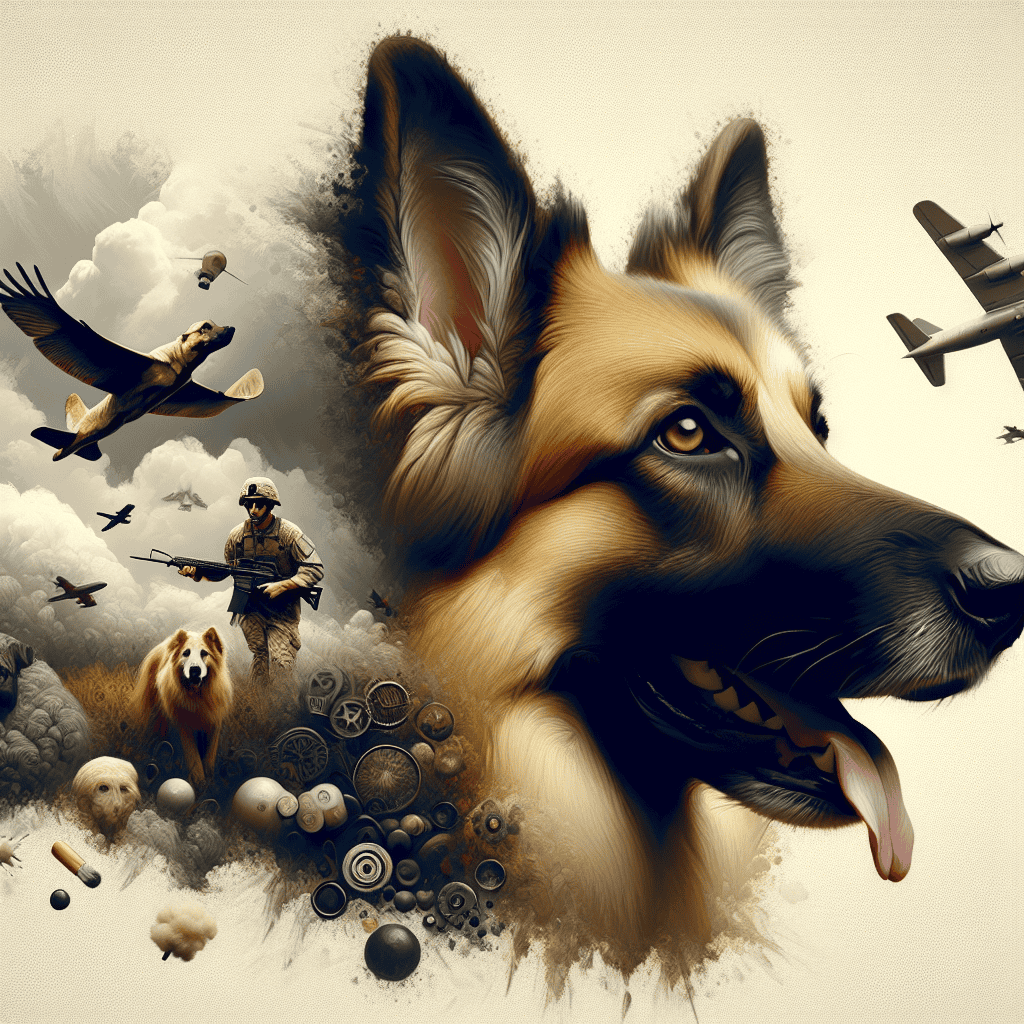

Alsatians, or German Shepherds, have a unique personality that makes them stand out. If you’re thinking about getting one or just love dogs, here’s what you need to know.
Alsatians are smart, easy to train, and fiercely loyal. They were originally herding dogs but now shine in roles like police work, search and rescue, therapy, and service jobs. Their brains and loyalty mean they love learning and making their owners happy. They’re brave, alert, and confident, which makes them great working dogs.
But they’re not just workers; Alsatians are fantastic family pets too. They’re friendly, well-behaved, and protective, especially with kids. Their natural instinct to protect and their loyalty make them awesome companions and guardians.
Here’s a quick rundown of their main traits:
Here’s the scoop: Alsatians and German Shepherds are the same breed. In the UK, they’re called Alsatians, but everywhere else, they’re German Shepherds. They share the same standards and traits.
These dogs are incredibly versatile, thanks to their smarts, bravery, and confidence. They’re built to work and can handle long tasks, which is why you often see them as K-9 officers or in rescue teams.
Even though they share common traits, each dog is unique. Their behavior can vary based on how they’re socialized, trained, and their genetics. Early and ongoing training, proper socialization, and a loving home are key to helping them grow into well-rounded dogs.
Knowing these traits helps potential owners decide if an Alsatian is right for them. With the right care and training, these dogs can be loving family pets and excel in various roles.
Raising a well-behaved Alsatian (German Shepherd) isn’t just about feeding and walking them. It’s about training and socializing them right from the get-go. Training helps them learn the ropes, while socialization makes them cool with different people, animals, and places. Let’s break down why these two things are so important for your furry friend.
Training your Alsatian is like teaching a kid good manners. These dogs are smart cookies and need mental challenges to stay out of trouble. Consistency is the name of the game here. They thrive on clear rules and boundaries.
Positive reinforcement—think treats, praise, and belly rubs—works wonders. It makes them want to listen to you and strengthens your bond. On the flip side, yelling or physical punishment can mess them up, making them anxious or aggressive (Kaiser German Shepherds).
Being a good leader means being calm, confident, and positive. Your Alsatian picks up on your vibes, so keep it cool during training. This helps them understand their place in the family and keeps things peaceful (Quora).
Socialization is like giving your Alsatian a passport to the world. It means getting them used to different people, animals, and places early on. This helps prevent them from becoming scaredy-cats or aggressive later.
Start by introducing your pup to new sounds, sights, and experiences slowly. Let them meet friendly dogs, people of all ages, and explore different environments. Supervised playdates and controlled interactions teach them how to behave around others.
Socialization also means teaching your Alsatian how to act on walks, in public, and around other animals. Positive experiences and rewards for good behavior make them confident and well-mannered.
By focusing on training and socialization, you can shape your Alsatian into a well-behaved, happy member of the family. Remember, every dog is unique, so tailor your approach to fit your pup’s personality and needs.
Alsatians, or German Shepherds, are a hit with families thanks to their loyalty and protective instincts. Let’s dive into how these dogs get along with kids and other pets.
German Shepherds are known for being friendly, well-behaved, and protective, especially around children. They’re often gentle and attentive to those they see as family, making them great companions for kids.
But, training and socialization are key. Early socialization helps them get used to different environments, people, and situations, making them more comfortable and well-behaved around children. Always supervise interactions between young kids and dogs to prevent any accidental mishaps.
When bringing an Alsatian puppy home, teach both the dog and the kids how to interact properly. Kids should approach the dog calmly and respectfully, avoiding sudden movements that might scare the pup. Also, make sure the kids know not to bother the dog while it’s eating or sleeping.
Alsatians can get along with other pets if introduced and socialized properly. However, it’s important to consider the temperament of both the Alsatian and the other pet. Some Alsatians might have a strong prey drive or dominant tendencies, which can be tricky when living with smaller animals like cats or rabbits.
Early socialization is crucial for building positive relationships with other pets. Gradual introductions in controlled settings can help the dog and the other pet get used to each other and build trust. Keep a close eye on their interactions to ensure everyone’s safety.
If you’re thinking about adding an Alsatian to a home with other pets, consider their compatibility. A professional dog trainer or behaviorist can offer advice on how to introduce the pets and manage their interactions.
Remember, every dog is unique, and their behavior can vary. Proper training, socialization, and supervision are essential to help Alsatians fit into a family and get along with kids and other pets. For more tips on training Alsatians, check out our article on Alsatian training.
Keeping your Alsatian happy and healthy isn’t rocket science, but it does take a bit of effort. These dogs are like furry athletes with a brain to match. They need both physical exercise and mental challenges to stay out of trouble and live their best lives.
Alsatians are like the Energizer Bunny—they just keep going. A quick stroll around the block won’t cut it. They need a good 60-90 minutes of serious activity every day. Think brisk walks, jogs, hikes, or even a game of fetch in a safe, fenced area. If you’re into dog sports, agility courses, obedience training, or tracking can be a blast for both of you.
Physical exercise is just one piece of the puzzle. These dogs are smart cookies and need to keep their brains busy too. Boredom can lead to some pretty naughty behavior, so it’s important to keep them mentally engaged.
Puzzle toys, interactive feeding toys, and treat-dispensing gadgets are great for making them think. Training sessions, learning new tricks, and obedience classes not only challenge their minds but also strengthen your bond.
Alsatians and German Shepherds are pretty similar in this regard. Both breeds need plenty of mental and physical stimulation to stay happy and out of trouble (DogTime). Knowing what makes them tick can help you create a fun and enriching environment for your pup.
By mixing regular exercise with mental challenges, you’ll help your Alsatian burn off energy in a positive way. A tired and mentally stimulated Alsatian is a happy and well-behaved companion.
Got an Alsatian (German Shepherd) and wondering how to keep them in line? You’re in the right place. These dogs are smart, assertive, and sensitive, so they need a firm hand and clear rules to follow. Let’s break it down.
Alsatians are like the overachievers of the dog world. They’re smart, assertive, and sensitive. So, you gotta be the boss and set some ground rules. Consistency is your best friend here. If you let them get away with something once, they’ll remember it forever.
Here’s how to keep things under control:
Got a chewer or a barker? No worries, we can fix that. The trick is to catch them in the act and redirect their energy.
Patience is key. If you’re struggling, don’t hesitate to get professional help. A well-trained Alsatian is a joy to have around, and with a little effort, you can get there.
Owning an Alsatian means being there for them from puppyhood to their golden years. Let’s dive into how you can keep your furry friend happy and healthy throughout their life.
Alsatians, like their German Shepherd cousins, can show changes in behavior as they get older. They go through different life stages, each with its own quirks. Training, socializing, and loving care are key to keeping your Alsatian well-behaved and content (Forbes). Remember, every Alsatian is unique and might age differently.
As they get older, Alsatians might become more independent and less bouncy. You might need to tweak their exercise and play routines to match their energy levels. Regular vet visits are a must to catch any age-related issues early.
Keeping your Alsatian healthy is all about the basics done right. Here’s what you need to focus on:
Nutrition: Feed them a balanced diet. Chat with your vet to figure out the best food for your Alsatian’s age, weight, and any special needs.
Exercise: They need regular exercise to stay fit and happy. As they age, adjust the intensity and length of their walks and playtime to suit their energy levels.
Regular Vet Visits: Keep up with vet appointments to monitor their health. This includes shots, dental care, and preventive measures against common issues.
Grooming: Regular grooming keeps their coat shiny and clean. Brush their fur, clean their ears, and trim their nails regularly.
Mental Stimulation: Keep their minds active with puzzle toys, training sessions, and interactive play. It helps prevent boredom and keeps them sharp.
By giving your Alsatian the care they need at every stage of life, you’ll ensure they stay healthy and happy. Tailor their care as they age, and don’t hesitate to ask your vet for advice.