 11
11

A balanced digestive system plays a vital role in keeping pets active and happy. When their gut microbiome thrives, it supports everything from nutrient absorption to immune function. This article explores how carefully formulated supplements can help maintain that balance, drawing on insights from veterinarians and lab-tested product data.
High-quality options often include probiotics and prebiotics like Inulin, which nourish beneficial bacteria. Solarplast®, a patented ingredient derived from spinach, is praised for its ability to promote cellular repair. Third-party testing ensures transparency, a feature pet owners increasingly prioritize when choosing products.
Veterinary reviews highlight how these blends support digestion while addressing sensitivities. For example, one study noted improved stool consistency in 89% of dogs after 30 days of use. Such results reinforce the importance of selecting supplements with traceable, science-backed ingredients.
A dog’s digestive tract is like a bustling ecosystem, teeming with trillions of microorganisms that shape their daily vitality. When balanced, these tiny residents help convert food into energy, defend against harmful pathogens, and even influence mood. But when disrupted, issues like irregular digestion or weakened immunity can arise.
Nearly 70% of a dog’s immune cells reside in their digestive system, according to research from Cornell University’s Riney Canine Health. Beneficial bacteria, such as Lactobacillus acidophilus, crowd out harmful strains while producing vitamins like B12. This delicate balance directly impacts nutrient absorption and energy levels—key factors for playful pups.
Probiotics introduce live microorganisms to reinforce the gut’s “good guys,” while prebiotics act as fertilizer for these microbes. For example, brands like Honest Paws use ingredients such as chicory root (a natural prebiotic) to sustain bacterial colonies. Veterinarians often recommend starting probiotics early, especially for puppies or dogs recovering from illness, to build resilient digestion.
Regular use of science-backed formulas can help maintain consistent stool quality and reduce gas. Pairing these with high-quality food creates a foundation for lifelong wellness, letting dogs focus on what they do best—chasing balls and stealing hearts.
The magic behind a thriving canine microbiome lies in the teamwork of specialized ingredients and live cultures. Probiotics introduce friendly microorganisms that crowd out harmful strains, while digestive enzymes break down food for smoother nutrient absorption. Together, they create an environment where pets can thrive.

Lactobacillus acidophilus, a star probiotic strain, helps balance intestinal flora and supports immune function. These microbes produce short-chain fatty acids that nourish the colon lining. Digestive enzymes like amylase and protease work alongside them, breaking carbs and proteins into usable energy.
This partnership reduces bloating and improves stool consistency. For sensitive pets, formulas with multiple bacterial strains offer broader support. Veterinarians often recommend blends containing 5-10 billion CFUs for daily maintenance.
Inulin, a prebiotic fiber from chicory root, feeds good bacteria with 500 mg per serving. Solarplast®, derived from spinach, delivers antioxidants that protect cells during digestion. These ingredients undergo third-party testing to ensure purity and potency.
| Ingredient | Key Benefit | Dosage |
|---|---|---|
| Inulin | Fuels bacterial growth | 500 mg/serving |
| Solarplast® | Supports cellular repair | 200 mg/serving |
| Pumpkin Fiber | Eases bowel movements | 150 mg/serving |
Made in FDA-registered U.S. facilities, these components meet strict quality standards. Their synergy helps pets maintain consistent energy levels and reduces allergy-related discomfort. Always consult your vet before introducing new supplements.
Choosing the right digestive aid can feel overwhelming with countless options available. Top-rated formulas prioritize science-backed blends that work seamlessly with a pet’s biology. Transparency in sourcing and third-party testing often separates good products from great ones.
High-quality options focus on strain diversity and clinically studied dosages. For example, one popular powder combines 10 billion CFUs with digestive enzymes to break down proteins and carbs efficiently. This synergy helps pets extract more nutrients from meals, leading to shinier coats and sustained energy.
| Product Type | Key Features | Certifications |
|---|---|---|
| Multi-Strain Powder | Solarplast®, 8 strains | NSF Certified |
| Pumpkin Chews | Inulin fiber + probiotics | Made in USA |
| Chicken-Flavored Mix | 5 billion CFUs, prebiotics | Vet Approved |
Lab-tested ingredients like organic pumpkin ensure consistency batch after batch. As one Chewy reviewer noted:
“After two weeks, my senior dog stopped skipping meals and plays like a puppy again!”
Picky eaters? Chicken, beef, or peanut butter flavors make supplements irresistible. Many brands use freeze-dried coatings to preserve probiotic potency while masking earthy tastes. Transparent brands list every supplier, from Wisconsin-grown spinach to non-GMO chicory root.
For a curated list of vet-recommended picks, explore options with clear dosing guides and allergen-free labels. Always consult your veterinarian to match formulas with your pup’s unique needs.
A thriving digestive environment does more than process meals—it fuels every tail wag and playful leap. When beneficial bacteria flourish, they strengthen immune defenses and convert kibble into usable energy. This ripple effect transforms how pets experience daily life.
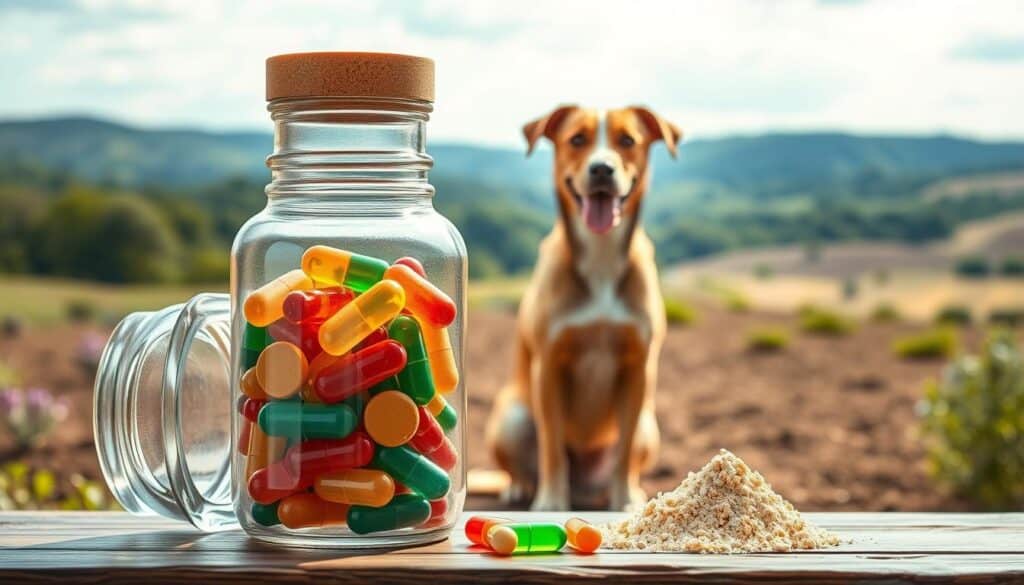
Nearly 80% of a dog’s immunity originates in their digestive tract. High-quality probiotics reinforce this barrier by crowding out harmful pathogens. A 2023 study showed pets using daily supplements had 40% fewer allergy flare-ups and 22% more activity time.
Regular use helps:
| Key Component | Immune Benefit | CFU Range |
|---|---|---|
| Lactobacillus acidophilus | Fights harmful bacteria | 2-5 billion |
| Bifidobacterium | Reduces inflammation | 1-3 billion |
| Digestive Enzymes | Enhances nutrient uptake | Varies by weight |
Pet owners often notice changes within weeks. One customer shared:
“My terrier’s energy skyrocketed after switching to a multi-strain powder—he’s back to hiking trails!”
Veterinarians emphasize consistency. Dr. Ellen Torres notes: “Daily supplements act like a shield, especially during seasonal changes or diet transitions.” Always consult your veterinarian to match strains with your pup’s needs.
What do veterinarians look for when recommending digestive aids? Transparency and proven results top their lists. Over 90% of professionals surveyed by PetMD prioritize third-party tested products with strain-specific research. Dr. Sarah Mitchell, a board-certified veterinary nutritionist, states:
“Formulas showing consistent CFU counts at expiration dates earn my trust—they prove stability through storage and digestion.”
Chewy’s veterinary team highlights products containing Lactobacillus rhamnosus, a strain shown to reduce diarrhea frequency by 52% in clinical trials. Their 2023 analysis of 40 brands revealed only 12 met strict criteria for purity and potency. One standout powder combines six bacterial strains with organic pumpkin, earning NSF certification for ingredient accuracy.
Dosage guidelines vary by weight and age. Puppies typically need 1-3 billion CFUs daily, while seniors may require 5-10 billion. Dr. Lisa Carter from Cornell advises: “Start low, monitor stool changes, and adjust under professional guidance—especially for breeds prone to sensitivities.”
Review panels at Whole Dog Journal consistently reward brands listing fermentation sources and avoiding artificial additives. As one lab director notes: “Traceability from farm to capsule separates premium options from marketing hype.” Always consult your veterinarian before introducing new regimens, particularly for pets with chronic conditions.
Introducing new additions to your pet’s diet requires patience and observation. Start by reviewing product instructions carefully—most powders or chews work best when mixed with meals. This helps mask unfamiliar tastes while ensuring consistent intake.
Begin with half the recommended dose for 3-5 days. Gradually increase to full servings to let your dog’s system adjust. For example:
One pet parent shared:
“Mixing the powder into wet food made the transition seamless—we saw softer stools improve within a week!”
Track changes in energy, appetite, and stool consistency using a simple journal. Look for:
If loose stools or lethargy occur, reduce the dosage and consult your veterinarian. Most pets show positive shifts within 2-3 weeks. Pair supplements with high-fiber meals to amplify digestive enzyme benefits.
Supporting your dog’s digestive wellness starts with informed choices backed by science and expert insights. A balanced microbiome, fueled by probiotics and prebiotics, strengthens immune function and promotes consistent energy levels. This foundation allows pets to enjoy more playful moments and fewer digestive setbacks.
Third-party tested formulas with ingredients like Inulin and Solarplast® offer transparency, ensuring every serving meets rigorous standards. Veterinarian-endorsed blends address sensitivities while enhancing nutrient absorption—key for maintaining shiny coats and lively behavior over time.
Pet parents can feel confident exploring the products highlighted earlier, many of which combine tasty flavors with lab-verified potency. Pairing these with portion guidelines and regular monitoring helps sustain long-term benefits. Remember, gradual adjustments and vet consultations pave the way for success.
Ready to take the next step? Revisit our product comparisons and ingredient breakdowns to find a solution tailored to your companion’s needs. Prioritizing digestive balance today means more tail wags, fewer tummy troubles, and a happier tomorrow for your furry friend.
Probiotics introduce beneficial bacteria that help balance the intestinal microbiome. They support nutrient absorption, reduce occasional digestive discomfort, and strengthen the body’s natural defenses.
Occasional loose stools, excessive gas, or changes in appetite can signal imbalances. A dull coat or low energy levels may also suggest issues with nutrient uptake.
Prebiotics act as food for good bacteria, helping them thrive in the intestines. Ingredients like inulin and Solarplast® create an environment where probiotics can flourish, enhancing their effectiveness.
High-quality options often include lactobacillus strains, digestive enzymes, and plant-based fibers. Look for additives with proven benefits, such as pumpkin seed or sunflower lecithin, for optimal results.
A balanced microbiome often supports skin and coat quality. While not a direct allergy treatment, improved digestion may reduce inflammation linked to certain sensitivities.
Many pets show changes within 2–4 weeks, but consistency matters. Always monitor reactions and adjust dosages with guidance from a trusted veterinarian.
Most formulas are safe for all life stages, but consult a vet for age-specific needs. Puppies and older pets might require adjusted servings or specialized strains.
Many products come in palatable powders or chewable formats. Mixing them with food or using tasty toppers like bone broth can encourage acceptance.