 11
11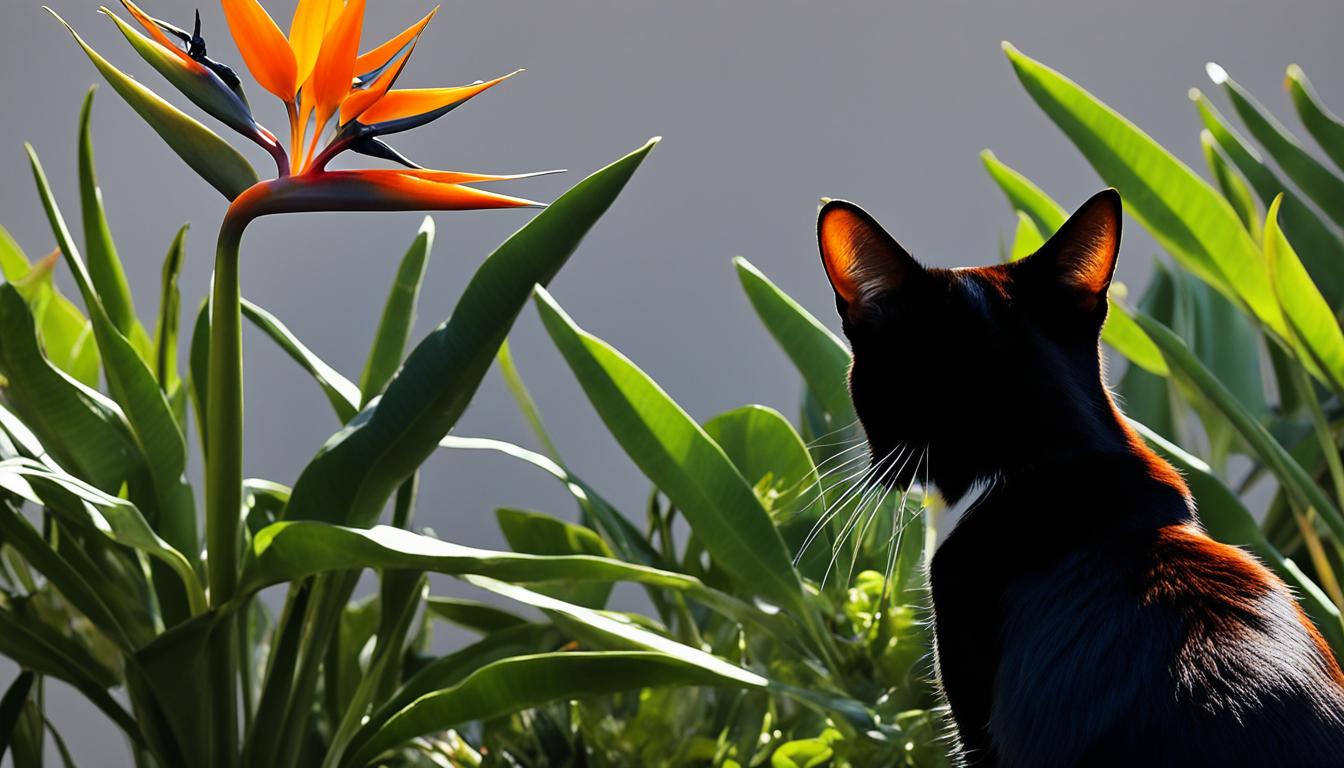

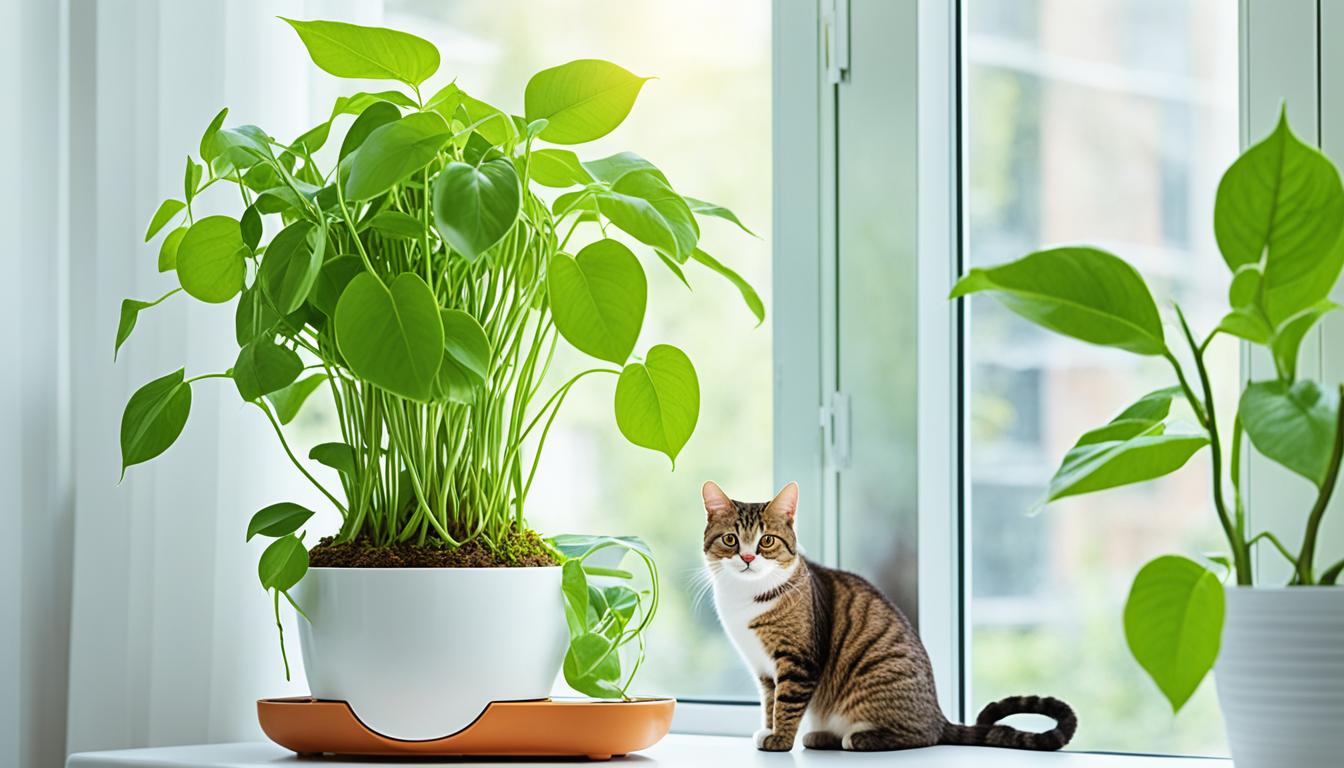
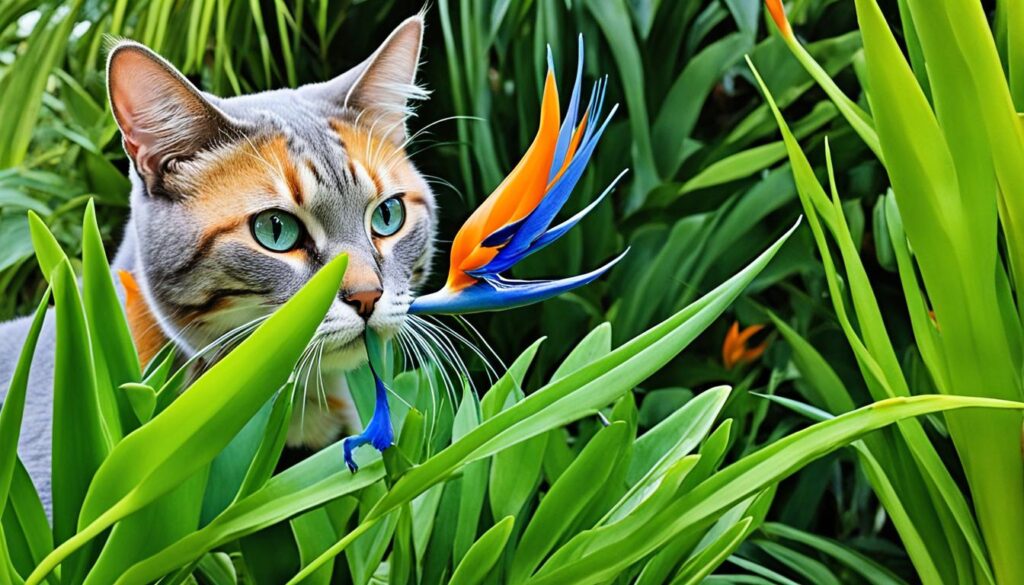
The Bird of Paradise plant, scientifically known as Strelitzia reginae, poses a potential danger to cats. If cats ingest any part of this plant, they may experience gastrointestinal issues, drooling, and potential skin irritation. As responsible cat owners, it is crucial to be aware of these dangers and take appropriate safety measures to protect our feline friends.
When cats are exposed to the toxic compounds in Bird of Paradise plants, they may exhibit various symptoms. These can include gastrointestinal issues such as nausea, vomiting, and diarrhea. Drooling is another common sign of ingestion, and some cats may experience skin irritation if they come into contact with the plant’s sap. More severe symptoms can include breathing difficulties and eye discharge. Changes in behavior, such as drowsiness or weakness, should also be noted. If any of these symptoms are observed, it is important to contact a veterinarian immediately.
Table: Comparison of Symptoms in Cats Exposed to Bird of Paradise Plants
| Symptoms | Common Signs | Severe Signs |
|---|---|---|
| Gastrointestinal Issues | Nausea, vomiting, diarrhea | Excessive vomiting, severe diarrhea |
| Drooling | Excessive salivation | Persistent drooling |
| Skin Irritation | Itching, redness | Rash, blistering |
| Respiratory Problems | Mild coughing, wheezing | Difficulty breathing |
| Eye Discharge | Watery eyes | Pus or discharge from the eyes |
| Changes in Behavior | Increased sleepiness, weakness | Loss of consciousness, seizures |
To ensure the safety of cats, it is essential for pet owners to take preventive measures. Placing Bird of Paradise plants out of reach of cats is crucial to prevent ingestion. This can be done by hanging plants from the ceiling, placing them on high shelves, or keeping them in enclosed rooms.
It is also advised to choose pet-friendly alternatives and avoid purchasing harmful houseplants altogether. Some cat-safe plants include:
By opting for these cat-safe plants, pet owners can create a beautiful and safe environment for their feline friends. It is crucial to do thorough research before bringing any plants into the home to ensure they are safe for cats.
If a cat ingests any part of a Bird of Paradise plant, prompt action is crucial to ensure their safety. Here are important steps to take:
Remember, immediate action and professional guidance are key when a cat ingests Bird of Paradise. By following these steps, pet owners can help mitigate any potential harm to their feline companions.
While it’s crucial to address the dangers of Bird of Paradise plants, responsible pet owners need to be aware of other common houseplants that can be toxic to cats. Some examples of toxic houseplants for cats include Azalea, Caladium, Daffodil, Ficus, Hyacinth, Lily, Philodendron, and Pothos. Before purchasing any houseplants, it is essential to research their toxicity levels and potential risks to feline friends.
“Many popular houseplants can pose a threat to the health and safety of our beloved pets. As responsible pet owners, it is our duty to be well-informed and take necessary precautions.”
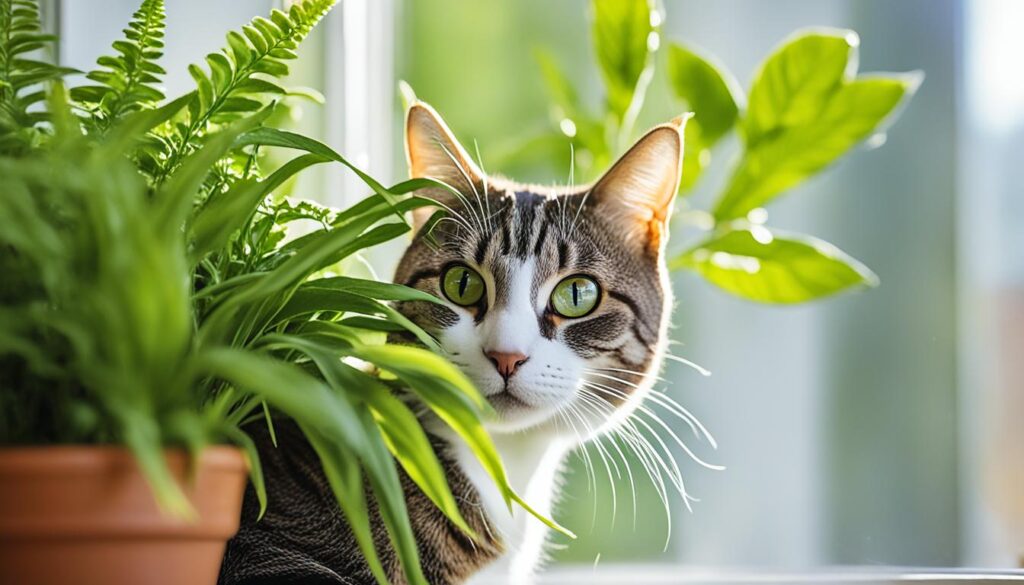
To ensure a pet-friendly environment, consider opting for cat-friendly houseplants that are non-toxic to cats. Some examples of safe and beautiful cat-friendly houseplants include African Violet, Baby Rubber Plant, Boston Fern, and Spider Plant. These plants not only add beauty to your home but also provide a safe and enriching environment for your furry companions.
| Houseplant | Scientific Name |
|---|---|
| African Violet | Saintpaulia |
| Baby Rubber Plant | Peperomia obtusifolia |
| Boston Fern | Nephrolepis exaltata |
| Spider Plant | Chlorophytum comosum |
Choosing cat-friendly houseplants not only ensures the well-being of your feline companions but also adds a touch of nature to your living space. By integrating these safe alternatives, you can create a harmonious balance between your love for plants and your pet’s safety.
Cat owners have every right to be concerned about plant toxicity and take necessary precautions to ensure the safety of their feline companions. Cats are naturally curious creatures, and their attraction to plants is unavoidable. While some plants may only cause mild symptoms when ingested, it is always better to err on the side of caution when it comes to the well-being of our beloved pets.
Investing in pet-safe plants is a responsible choice to minimize the risk of plant toxicity. By choosing cat-friendly houseplants, we can create an environment that is safe and enjoyable for both cats and their owners. There are numerous non-toxic houseplants to choose from, such as African Violet, Baby Rubber Plant, Boston Fern, and Spider Plant, which can add beauty to our homes without posing a threat to our furry friends.
In addition to selecting safe plants, it is essential to create barriers between cats and toxic houseplants. Keeping plants out of reach can be achieved by hanging them from the ceiling, placing them on high shelves, or keeping them in enclosed rooms. These measures not only protect cats from potential harm but also provide peace of mind to their owners.
“The well-being of our pets should always take precedence, and taking precautions against plant toxicity is a small price to pay for their safety.” – Dr. Emily Thompson, Veterinarian
While some may question if being cautious about plant toxicity is being overly paranoid, it is important to remember that prevention is key. Even mild cases of plant toxicity can cause discomfort and distress to our feline friends. By taking proactive steps to create a safe environment, cat owners can enjoy the beauty of plants without compromising their pet’s health.
| Cats and Toxic Houseplants | Plant Toxicity and Cats |
|---|---|
| 1. Azalea | 1. Bird of Paradise |
| 2. Caladium | 2. Lily |
| 3. Daffodil | 3. Ficus |
| 4. Philodendron | 4. Hyacinth |
| 5. Pothos | 5. Philodendron |
Table: Examples of toxic houseplants for cats and bird of paradise as a toxic plant
By staying informed about plant toxicity and prioritizing the safety of our pets, we can create a harmonious home environment where both plants and cats can thrive. So, rather than dismissing concerns about plant toxicity as paranoia, it is best to view it as responsible pet ownership and a gesture of love towards our furry companions.
While some cat owners have had positive experiences owning Bird of Paradise plants alongside their pets, it’s important to remember that every cat is unique and may react differently to plant toxicity. These experiences highlight the need for pet owners to prioritize their furry companions’ safety by choosing non-toxic plants and taking precautions to avoid any potential harm.
One cat owner, Jane, shares her experience with having a Bird of Paradise plant in her home. She noticed that her cat, Whiskers, showed little interest in the plant and never attempted to nibble on it. Whiskers was not affected by the plant’s toxic compounds and continued to live a happy, healthy life. However, this does not guarantee the same outcome for all cats. Each feline has different sensitivities, and some may be more prone to adverse reactions.
If you have concerns about specific plants and their potential toxicity to cats, it’s always a good idea to consult with a veterinarian. They can provide valuable insights and help you make informed decisions about the safety of your pets. Veterinarians have firsthand knowledge of the potential risks associated with certain plants and can guide you in choosing cat-friendly alternatives.
Another cat owner, Mark, recounts his experience with Bird of Paradise plants and his feline companion, Milo. Mark initially had concerns about the plant’s toxicity but consulted with his veterinarian, who assured him that as long as Milo did not ingest any part of the plant, he should be fine. Mark took extra precautions to keep the plant out of Milo’s reach, and they have both enjoyed a harmonious coexistence.
“It’s important to remember that not all cats will react the same way to toxic plants. Consulting with a veterinarian is the best way to ensure the well-being of your pets and find the right balance between plant ownership and pet safety.” – Mark, cat owner
When it comes to owning any houseplants, including Bird of Paradise, creating a safe environment for cats is paramount. Placing plants in areas that are inaccessible to cats, such as high shelves or enclosed rooms, can significantly reduce the risk of ingestion. Additionally, choosing cat-safe plants, such as Parlor Palm or African Violet, can provide peace of mind for cat owners.
While it’s fascinating to have beautiful plants like Bird of Paradise in our homes, cat owners should always prioritize the safety of their pets. By being aware of the potential risks associated with certain plants, consulting with veterinarians, and implementing preventive measures, cat owners can enjoy the beauty of gardening while ensuring their feline friends are kept safe and healthy.
| Experiences Owning Bird of Paradise with Pets | Owner | Cat’s Reaction |
|---|---|---|
| Jane’s Experience | Jane | No interest or adverse effects |
| Mark’s Experience | Mark | No adverse effects, but extra precautions taken |
The Bird of Paradise plant is known for its striking beauty and vibrant colors, but it poses a significant risk to our feline friends. Ingestion of this plant by cats can result in various health issues, including gastrointestinal problems, drooling, and skin irritation. It is crucial for cat owners to prioritize their pet’s safety by taking proactive measures.
Creating a cat-safe environment involves avoiding toxic houseplants like the Bird of Paradise. By selecting cat-friendly alternatives, such as Parlor Palm, Butterfly Palm, Sweet Basil, Ocean Spider Plant, and African Violet, cat owners can enjoy gardening while ensuring their pets’ well-being.
In the event that a cat ingests a toxic plant, immediate action is necessary. Contacting a veterinarian for guidance and providing essential details about the incident can help determine the best course of action. Additionally, washing the cat’s mouth and paws with water can help minimize potential harm. Monitoring the cat closely for any further symptoms is essential.
By staying informed about the dangers of plant toxicity, cat owners can create a nurturing and safe environment for their beloved pets. Prioritizing their health and well-being allows us to enjoy the wonders of gardening while ensuring that our furry friends are protected from the threats posed by plants like the Bird of Paradise.
Yes, the Bird of Paradise plant, scientifically known as Strelitzia reginae, is toxic to cats. If cats ingest any part of the plant, they may experience gastrointestinal issues, drooling, and potential skin irritation.
Cats exposed to the toxic compounds in Bird of Paradise plants may exhibit symptoms such as gastrointestinal issues (nausea, vomiting, diarrhea), drooling, skin irritation, breathing difficulties, eye discharge, changes in behavior (drowsiness, weakness).
To ensure the safety of cats, it is essential to place Bird of Paradise plants out of their reach. This can be done by hanging plants from the ceiling, placing them on high shelves, or keeping them in enclosed rooms. It is also advised to choose cat-safe alternatives and avoid purchasing harmful houseplants.
If your cat ingests any part of a Bird of Paradise plant, the first step is to contact a veterinarian for guidance. It is also recommended to wash the cat’s mouth and paws with water. Monitor the cat closely for further symptoms and follow the veterinarian’s advice, which may include taking the cat for a check-up.
It is important to research the toxicity of potential houseplants before purchasing them. Some common toxic houseplants to avoid include Azalea, Caladium, Daffodil, Ficus, Hyacinth, Lily, Philodendron, and Pothos. Choosing non-toxic alternatives such as African Violet, Baby Rubber Plant, Boston Fern, and Spider Plant can ensure the well-being of both cats and houseplants.
It is natural for cat owners to be concerned about plant toxicity and take precautions to keep their cats safe. While some plants may only cause mild symptoms, it is always better to prioritize the safety of pets. Investing in pet-safe plants and creating an environment where cats cannot access toxic plants can help alleviate concerns about plant toxicity.
Each cat is unique and may react differently to plant toxicity. While some cat owners may have had experiences with owning Bird of Paradise plants without any issues, it is important to note that reactions can vary. Prioritizing the safety of pets and choosing non-toxic plants is always recommended to avoid any potential harm.
The Bird of Paradise plant is toxic to cats, and ingestion can lead to gastrointestinal issues, drooling, and potential skin irritation. It is crucial for cat owners to prioritize the safety of their feline companions by avoiding toxic houseplants and providing cat-safe alternatives. Taking immediate action if a cat ingests a toxic plant and consulting with a veterinarian is essential. By being proactive and informed, cat owners can create a safe environment for their pets and enjoy the beauty of gardening without compromising on their pet’s well-being.