 11
11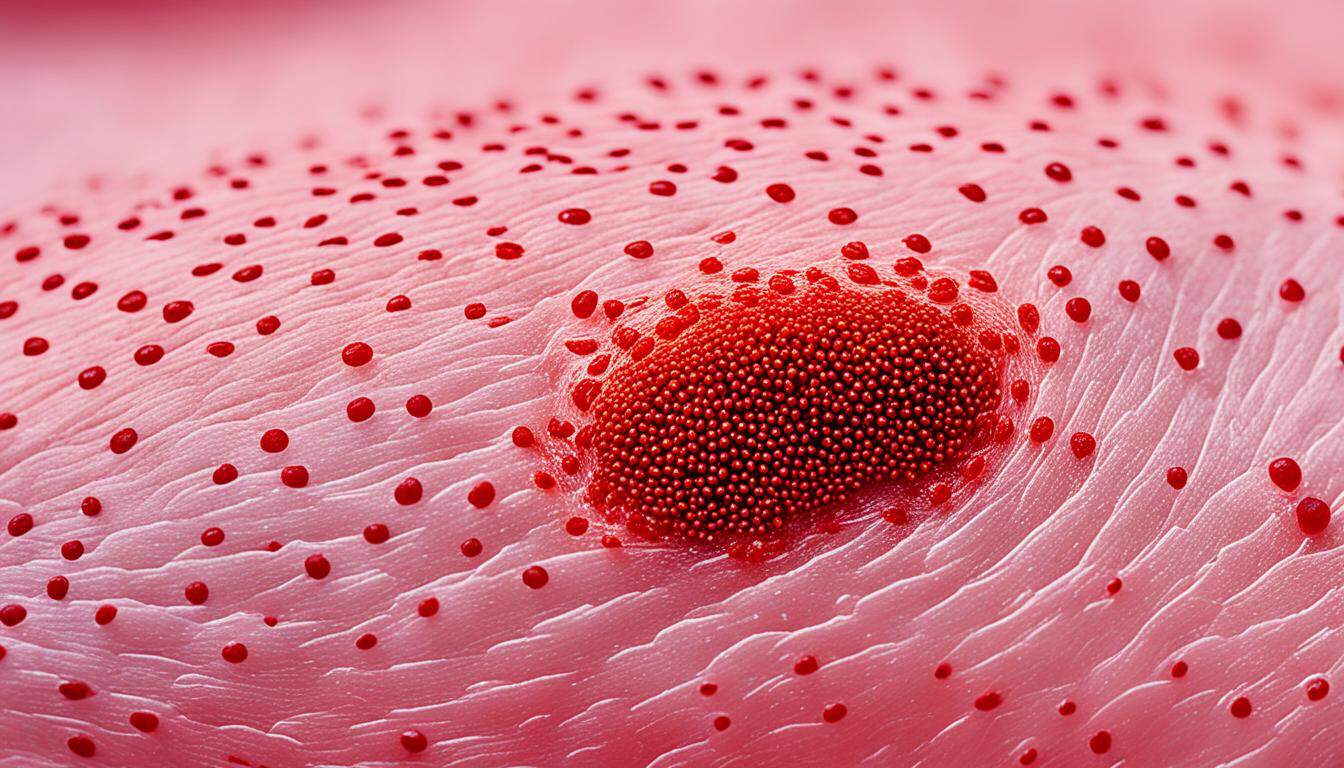

Fleas usually live on animals, but sometimes they can bite humans. They don’t make a home on people. They might bite us if a pet or another animal brings them close.
In the United States, the cat flea is the most common. It affects both cats and dogs. Animals with fur or feathers attract fleas because they offer places to hide and food. Yet, fleas can’t reproduce on humans because we don’t have enough hair.
When humans get bitten, it’s often on the feet, ankles, and legs. These bites can be irritating and might cause allergic reactions. Since fleas can spread diseases, it’s vital to deal with their infestations in pets and houses.
Fleas don’t make their home on humans but will bite them. These parasites prefer animals but can hop over to us from pets. They’re small, wingless, and brown, surviving on blood. Fleas can jump quite far, which makes it easy for them to move between hosts.
The chance of humans being infested by fleas is quite low. We don’t have enough hair for fleas to live comfortably. Also, breeding on humans is hard for them without fur or feathers. Yet, humans can still get flea bites.
Flea bites irritate and make people feel uncomfortable. They look like small, red bumps and often appear on the legs. These bites might also show up on the waist or arms. Some people might even react more severely to these bites.
“Fleas do not live on humans but can bite them if transferred by pets or other animals.”
It’s critical to tackle flea problems quickly because fleas can spread diseases. They can carry serious illnesses like the plague and typhus. These need doctor’s treatment. Fleas might also carry tapeworms, which humans can get if they swallow fleas by accident.
Dealing with fleas means treating pets and homes. Talking to a vet can help find the best way to rid pets of fleas. This could involve special combs, vet-given treatments, or store-bought products.
“Effective flea infestation treatment involves targeting both pets and homes.”
Home treatment is just as key to getting rid of fleas. Cleaning pet beds in hot water and vacuuming well can help. You’ll also need to use the right insecticides and keep your place tidy.
In conclusion, fleas can’t live on us but they can bite. Their bites can be bothersome and may cause allergies or diseases. To manage flea problems effectively, both pets and homes must be treated. By doing so, we can reduce flea risks and protect everyone’s health.
Many people think fleas live in human hair, but they don’t. Fleas might bite us, but they don’t make our bodies their homes. This is because our hair isn’t thick enough to offer what fleas need to reproduce.
Fleas prefer to stay on pets like cats and dogs. These animals offer fleas good hiding spots and food. But, fleas can jump to humans if we touch pets that have fleas. Usually, flea bites on people are found on the lower parts of the body.
If you find fleas in your house, it’s important to treat your pets. You should also work on getting rid of fleas from where you live. There are several ways to fight off fleas:
Make sure to follow the product guides carefully. And talk to a vet if you need advice.
Stopping fleas starts with prevention. Always check your pets for fleas, especially after they’ve been outside. Keeping your place clean, like vacuuming often and washing pet beds, also helps keep fleas away.
Note: The above image is for illustrative purposes only and does not depict actual fleas on human hair.
It’s pretty rare for people to spread fleas to each other. Fleas usually move between hosts via pets or places pets spend a lot of time. Humans can carry fleas from one spot to another. This is less common than pets spreading fleas through their beds or hangouts.
To keep fleas from spreading, taking steps ahead of time is key. Checking pets for fleas often and cleaning where they sleep helps a lot. A clean place for pets means fewer chances for fleas to jump to humans or other animals.
Stopping flea infestations before they start keeps both humans and pets safe. Here’s how:
Following these steps helps lower the risk of flea problems. This makes it harder for fleas to spread to people and pets.
| Prevention Tips | Description |
|---|---|
| Regularly check pets for fleas | Inspect pets’ fur with a flea comb for signs of fleas. |
| Keep pets’ sleeping areas clean | Regular washing of pets’ bedding eliminates potential flea homes. |
| Limit pets’ access to infested areas | Keep pets out of flea-prone spots like crawl spaces or barns. |
| Maintain a clean living environment | Vacuum often, wash fabrics, and block wild animal entry points. |
| Remove debris from the surroundings | Cleaning up house surroundings deters fleas from settling nearby. |
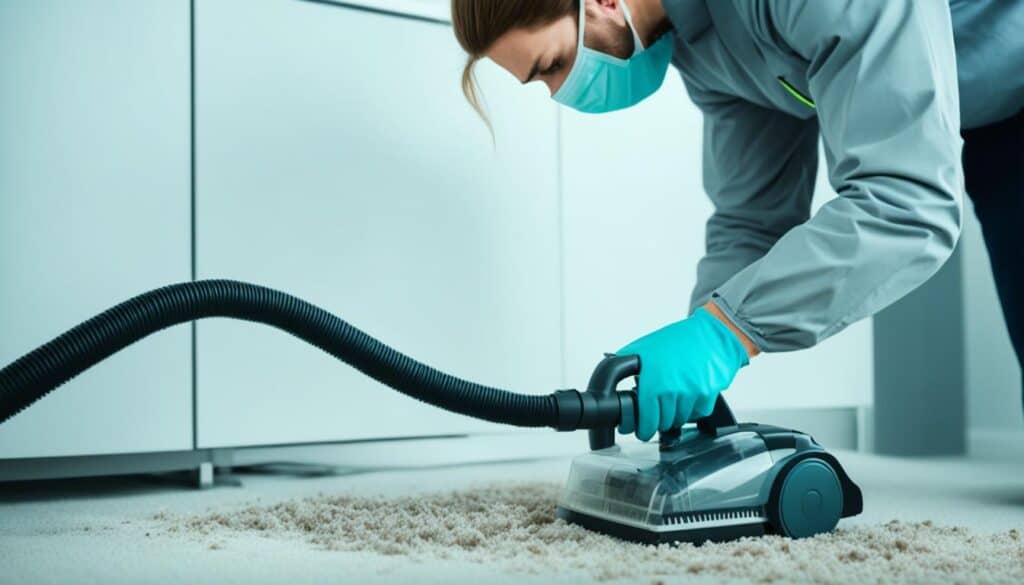
Putting these preventive actions into practice cuts down flea risks significantly. Prioritizing flea control ensures a safer environment for everyone.
Flea bites can be harmful to humans. These bites can spread diseases. In the U.S., diseases like plague and typhus are common from flea bites. These conditions are caused by bacteria and need antibiotics to be treated.
Another risk is allergic reactions, which may lead to flea allergy dermatitis. Symptoms of flea allergy dermatitis include irritated, red skin, extreme itchiness, hives, and infection. Seeing a doctor is important if you have symptoms or think there might be fleas around.
“Flea bites can cause severe itching, swelling, and redness, especially for individuals who are allergic to flea saliva,” notes Dr. Sarah Thompson, a dermatologist at XYZ Clinic.
Fleas sometimes have tapeworms, which can be passed on if swallowed. Tapeworms can lead to digestive problems among other health issues. Avoiding flea bites and stopping tapeworm transmission is very important.
It’s critical to prevent flea bites and diseases they may cause. Here are some protective steps:
These steps can greatly lower the risk of flea bites and related diseases.
| Flea-Borne Disease | Causes | Symptoms |
|---|---|---|
| Plague | Bacteria (Yersinia pestis) | Fever, chills, weakness, swollen lymph nodes |
| Typhus | Bacteria (Rickettsia typhi and Rickettsia felis) | Fever, headache, rash, muscle pain |
If you think fleas have infested your home or have unexplained symptoms after being bitten, see a doctor. Getting treatment and getting rid of fleas quickly is key to preventing more health issues.
To fight a flea infestation, tackle both your pets and your home. A vet can help pick the right flea removal methods for your pets. Options include flea combs, soap baths, vet-prescribed meds, or store-bought products.
Use gloves and protective gear when applying flea treatments on pets. Treating your pets is key. But, you also need to clean your home to get rid of fleas for good.
Start by washing pet beds and toys in hot water. This kills fleas. Vacuum carpets, rugs, and pet areas well. This removes eggs and larvae. Use insecticides on baseboards and hiding spots to kill remaining fleas.
Keep cleaning upholstery and curtains regularly. It’s crucial for getting rid of fleas. Follow product instructions carefully. Protect yourself and your family during clean-up.
To keep your home free of fleas, stay alert and take preventive steps. Here are tips to reduce flea risks:
Using these tips helps lower the chance of flea problems. It makes your home safer and more comfortable for you and your pets.
To stop fleas from invading, start by being proactive. A few simple habits can keep fleas away. Here’s what you can do:
Checking your pets regularly for fleas is key. Use a flea comb on their fur. This helps spot fleas or signs of them. If fleas are found, act fast. Talk to your vet for advice and treatments.
The places where pets sleep can attract fleas. Make sure to clean beds or blankets often. Hot water and the right detergent can kill fleas or their eggs.
Certain places, like crawl spaces or barns, might have more fleas. Keep your pets out of these areas. Set up safe zones for your pets instead.
Keeping your home clean can lessen flea problems. Vacuum carpets, rugs, and furniture to get rid of fleas and eggs. Focus on dark, hidden spots where fleas hide. Also, regularly wash any bedding and furniture covers in hot water.
Seal holes or gaps where wild animals could enter your home. Animals outside can bring fleas inside. Keep the area around your home tidy to avoid attracting fleas.

| Preventive Measures | Explanation |
|---|---|
| Regularly check pets for fleas | Inspecting your pets for fleas helps you catch infestations early and take prompt action. |
| Clean pet’s sleeping areas | Regular cleaning of pet bedding and blankets removes potential sources of flea infestation. |
| Prevent pets from accessing high-risk areas | Keeping pets away from areas with a higher likelihood of flea presence reduces the chances of infestation. |
| Maintain a clean living environment | Regular vacuuming, washing of upholstery and bedding, sealing up entry points, and clearing debris contribute to a flea-free home. |
By taking these steps, you can significantly cut down the risk of fleas at home. Checking pets, cleaning their areas, and keeping your home tidy are effective ways to avoid fleas.
Flea bites on humans have specific traits. These bites look like small, red bumps. They can group together in one place. Though they’re often on the feet, ankles, and legs, they can show up elsewhere. This includes the waist, groin, or inside the elbows and knees.
Flea bites are small. But, they can get bigger if you’re allergic. It’s very important not to scratch them. Scratching can cause infections by letting bacteria in.
To lessen itchiness and swelling, there are a few home remedies. Anti-itch creams with hydrocortisone or calamine lotion can help. Also, putting ice in a cloth on the bites for short times can reduce swelling. It also numbs the area for a bit.
“Flea bites on humans typically appear as small, red bumps that may be clustered together.”
If flea exposure leads you to suspect a tapeworm infection, reaching out for help is key. Talking to a pharmacist or healthcare professional is important. They will guide you on diagnosing and treating.
It’s possible to prevent flea bites. To keep fleas away:
Following these steps will help reduce the risk of flea bites. It makes your home safer for you and your pets.
Fleas are much more than a small annoyance. They can bring real risks to people and animals. They can spread diseases like plague and typhus, needing quick medical care to get better.
“Fleas aren’t just an annoyance. They can spread serious diseases like plague and typhus. These can be very serious if not treated.”
Flea bites might cause allergic reactions, leading to flea allergy dermatitis. This results in symptoms like irritated skin and extreme itchiness. Those who are very allergic to flea bites may need immediate medical help.
Moreover, fleas can carry tapeworms, increasing dangers for people and pets alike. If swallowed, these tapeworms can cause major health issues that need to be treated and watched over.
“Flea bites can cause itching and discomfort. They can also cause allergic reactions and spread tapeworms. It’s very important to control fleas for the health of people and pets.”
Understanding the need for flea control is key to keep people and pets healthy. Taking quick action in treating pets and getting rid of fleas in your home helps stop more problems and reduces the risk of diseases spread by fleas.
Good flea control requires doing many things. This includes vet check-ups for pets, using the right treatments, and keeping a clean living space. Using vet-recommended flea treatments and flea combs helps get rid of fleas and stops more from coming.
It’s also key to clean where the infestation started. Regular washing of pet sleeping spots helps lower flea numbers. Vacuuming where pets hang out can also cut down on fleas.
Beyond that, using insecticides in certain areas can stop fleas from spreading. Keeping your living space tidy, blocking where wild animals could get in, and cleaning up outside areas also helps with flea prevention.
Effective flea control brings a lot of benefits for people and animals. It stops flea infestations and lowers the risks fleas bring. This means fewer diseases, allergic reactions, and a lesser chance of getting tapeworms.
| Potential Benefits of Flea Control |
|---|
| Prevents flea-borne diseases |
| Reduces the risk of allergic reactions caused by flea bites |
| Minimizes the transmission of tapeworms |
| Enhances the overall health and well-being of pets |
| Improves the quality of life for individuals in flea-prone areas |
By knowing about the dangers of fleas and the importance of control, people can take steps to protect themselves, their families, and their pets from fleas and their risks.
Fleas can bite humans but they don’t live on us. They prefer animals and can jump to humans from pets or wildlife.
Flea bites can be itchy, cause allergies, and spread serious illnesses like plague and typhus. Keeping pets free of fleas and your home clean helps prevent fleas.
If you think there are fleas in your home, a vet can advise on the best way to get rid of them for your pets. Also, take steps to clear your house of fleas. Acting fast and using preventative measures will keep you, your pets, and your home safer from fleas.
Fleas can bite humans but don’t live on them. They usually prefer animals. But, they will bite humans if pets bring them close.
No, fleas don’t make a home in human hair. They might bite but won’t stay on humans for long.
Fleas rarely move from one human to another. They’re more commonly spread from pets or areas where animals sleep.
Flea bites can lead to disease and allergies. Diseases like plague and typhus can be transmitted through flea bites.
Treat both pets and your home to control fleas. A veterinarian can recommend safe, effective treatments for pets.
Keep fleas away by checking pets for fleas and cleaning your home often. Regular care can prevent infestations.
Flea bites are small, red bumps, often in groups. Look for them on your legs, feet, and ankles.
Fleas spread disease, cause allergies, and can even carry tapeworms. It’s vital to control them for health and safety.
Apply anti-itch cream or ice to lessen itching and swelling. Avoid scratching to prevent infection.