
 11
11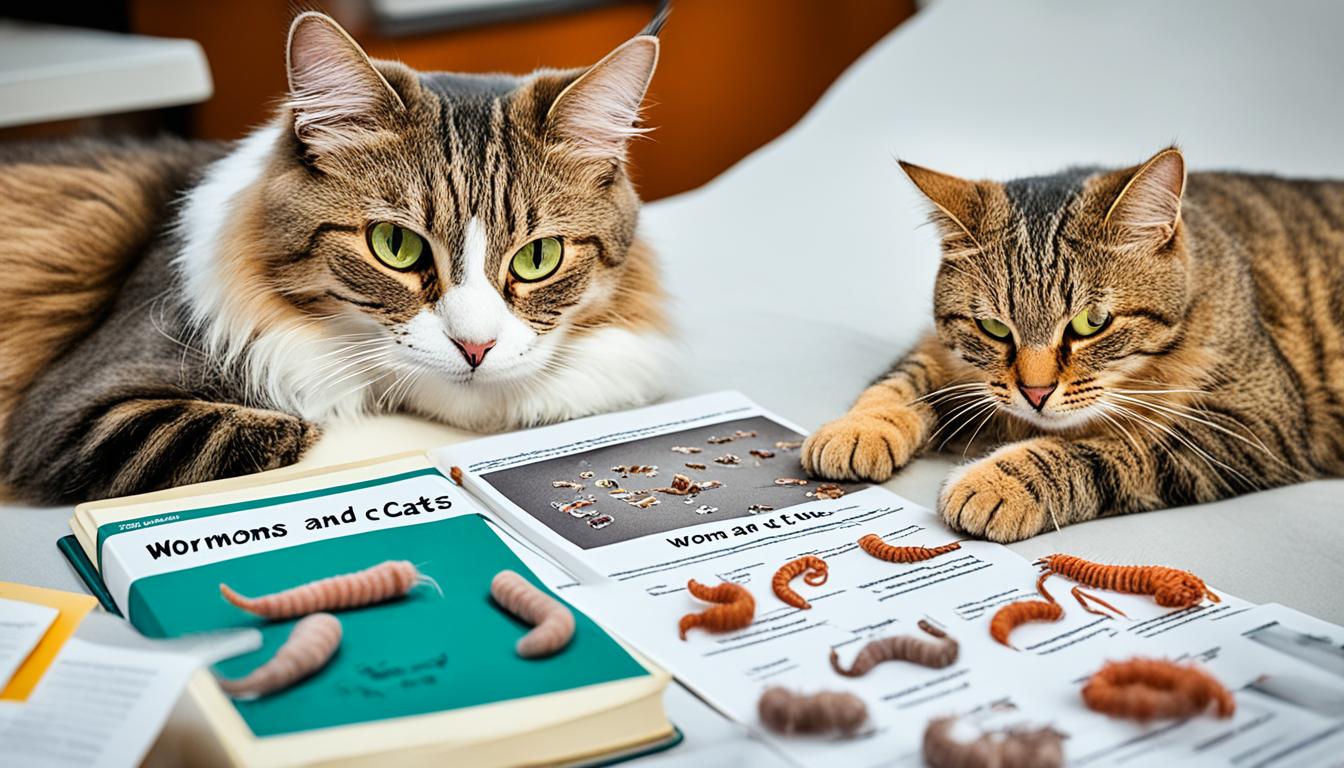

Cats can pass worms to humans, which is a health risk. It’s important to know how this happens and how to stop it. This guide will give you all the details on the kinds of worms cats can give to humans. You’ll learn how these worms are spread and the best ways to prevent getting them.
Cats can give people several types of worms. This includes roundworms, tapeworms, and hookworms. These worms can cause health problems for both cats and people. It’s important to know the symptoms and risks.
Roundworms are a common worm in cats. They spread through roundworm eggs found in soil and sand. If humans catch them, they might feel stomach pain or have eye issues.
Tapeworms can also come from cats. People get them by swallowing fleas that have tapeworm eggs. This can lead to tummy troubles and lost weight in humans.
Hookworms are tiny worms that live in the gut. They can move from cats to people. If they get under human skin, they cause itching and red lines.
To stop these worms, cat owners should deworm their pets regularly. They should also keep clean, especially after touching cats or cleaning their litter. Fighting fleas helps prevent tapeworms too.
Knowing about these worms helps people stay safe. It protects their health and their cats’ health too.

Worms can move from cats to humans in different ways. Knowing these paths helps us prevent worms from reaching humans. This lowers health risks.
Cat-to-human worm transmission happens several ways:
It’s vital to use preventive actions to cut down cat worm risk to humans.
Cat worms can seriously affect human health. They can cause diseases like ocular larva migrans and visceral larva migrans. These illnesses can be pretty bad, especially for kids. It’s very important to know the risks cat worms bring and how to prevent them.
Ocular larva migrans is one illness from cat worms. It happens when worm larvae move to the eyes, causing inflammation and harm. Signs include eye redness, itchiness, trouble seeing, and can lead to losing sight if not treated.
Visceral larva migrans is another illness caused by cat worms. In this, worm larvae spread to body organs, causing inflammation and damage. Symptoms might be fever, tiredness, stomach pain, and problems with organs.
“Infections with cat worms can lead to severe diseases such as ocular larva migrans and visceral larva migrans, causing significant health complications.”
Cat worms can spread between animals and people, known as zoonotic infections. These infections happen through contact with eggs, larvae, or adult worms from infected cats.
Not all cat worms cause zoonotic infections. Yet, some worms like roundworms and hookworms can be a health risk to people.
Preventing cat worm spread is crucial. Here are key steps to take:
Taking these steps helps cat owners lower the risk of cat worms affecting humans. This ensures the safety of both pets and their families.
“Prevention is key in minimizing the health risks of cat worms to humans. Regular deworming, practicing good hygiene, and flea control are essential preventive measures.”
Stopping cat worm transmission to humans needs several steps. By using these methods, you lower infection risks. It keeps both your cat and family healthy.
To keep cat worms from humans, deworm your cats often. Talk to a vet to get a deworming plan that fits your cat. Giving your cat deworming meds can clear any worms and cut transmission risks.
Good hygiene helps stop cat worm transmission to humans. Always wash your hands well with soap and water after touching your cat or cleaning its waste. This habit greatly lowers the risk of spreading worm eggs and bacteria.
Throwing away cat waste correctly is key to lower worm transmission risk. Use disposable gloves when handling cat waste. Always put it in a sealed bag or bin. Don’t flush it down the toilet as it can pollute water. These steps help avoid cat worm exposure.
Stopping fleas is important to prevent cat worm transmission to humans. Treat your cat for fleas with vet-approved products. Also, keep your cat’s area clean by vacuuming and washing bedding in hot water.
Cleaning litter trays often is vital for a clean space. Remove poop from the tray every day. Also, change the litter often. This reduces the chance of worm eggs and bacteria spreading.
“By following these preventive measures, you can create a safe and healthy living environment for both your cat and your family.”
| Preventive Measures | Description |
|---|---|
| Deworming Cats Regularly | Administer deworming medications as per the veterinarian’s instructions to eliminate existing worms in cats. |
| Practicing Good Hygiene and Regular Handwashing | Wash hands thoroughly with soap and water after handling cats, litter trays, or cat waste. |
| Proper Disposal of Cat Waste | Use disposable gloves and seal cat waste in a bag or bin for proper disposal. |
| Flea Control | Treat cats with veterinarian-approved flea control products and maintain a clean living environment. |
| Frequent Cleaning of Litter Trays | Remove solid waste daily and regularly change the litter to prevent contamination. |
Keeping cats worm-free is key to their health and stops worms from spreading. A regular deworming schedule protects cats from worms’ bad effects. It also reduces the chance of worms passing to humans.
Regular deworming is a must for your cat’s health. It keeps them safe from parasites that harm their health and life span.
Benefits of regular worming include:
Regular worming is crucial for your cat’s health. It prevents worm infestations, shields humans from worms, and keeps your cat well.
The worming schedule varies based on the cat’s lifestyle, age, and health. Always check with a vet to find the best schedule for your cat.
Generally, cats need worming every 3 months for constant protection. But, cats that go outside a lot or have weak immune systems might need worming more often.
Choose a worming product that works against worms in your area. Your vet can suggest the right one and tell you how to use it.
There are various worming options like tablets, spot-on treatments, and oral suspensions that taste good. Each type works differently and has its benefits depending on the worms it fights.
Always follow the worming product’s instructions to make sure it works. Throwing away cat poop right away and washing hands often lowers the risk of getting worms from cats.
Cat worms can pass to humans, which is a health risk. Knowing how they spread, the dangers they bring, and how to stop them is key. This keeps both cats and people safe.
Regularly deworming cats is vital. It cuts down the chance of worms spreading to humans. This step is good for the cat’s health and their human family’s safety.
Good hygiene is also essential in stopping cat worm spread. Washing hands well after touching cats or cleaning their areas lowers infection risks. Throwing away cat waste properly helps too.
Keeping living spaces clean and controlling fleas are crucial too. Clean litter boxes often and vacuum regularly. Use flea control items to keep worm spread at bay.
Yes, people can indeed get worms from cats. Cats might pass on several types of worms to humans. These include roundworms, tapeworms, and hookworms.
Worms are passed from cats to humans in a few ways. This can happen when someone ingests worm eggs or touches infected feces. It can also occur through contact with dirty soil or from flea bites.
Getting worms from cats can lead to serious health issues. Diseases like ocular larva migrans and visceral larva migrans may develop. These conditions can cause extreme symptoms and other health problems.
To stop worms from cats getting to humans, deworm cats regularly. It’s important to keep clean by washing hands often. Throwing away cat waste properly and controlling fleas are key steps.
Cleaning litter trays often and keeping living areas clean also help. These actions prevent worms from cats reaching humans.
Regular deworming is crucial for cats’ health. It keeps them safe from the dangers of worm infections. This also lessens the chance of worms spreading from cats to humans.