 11
11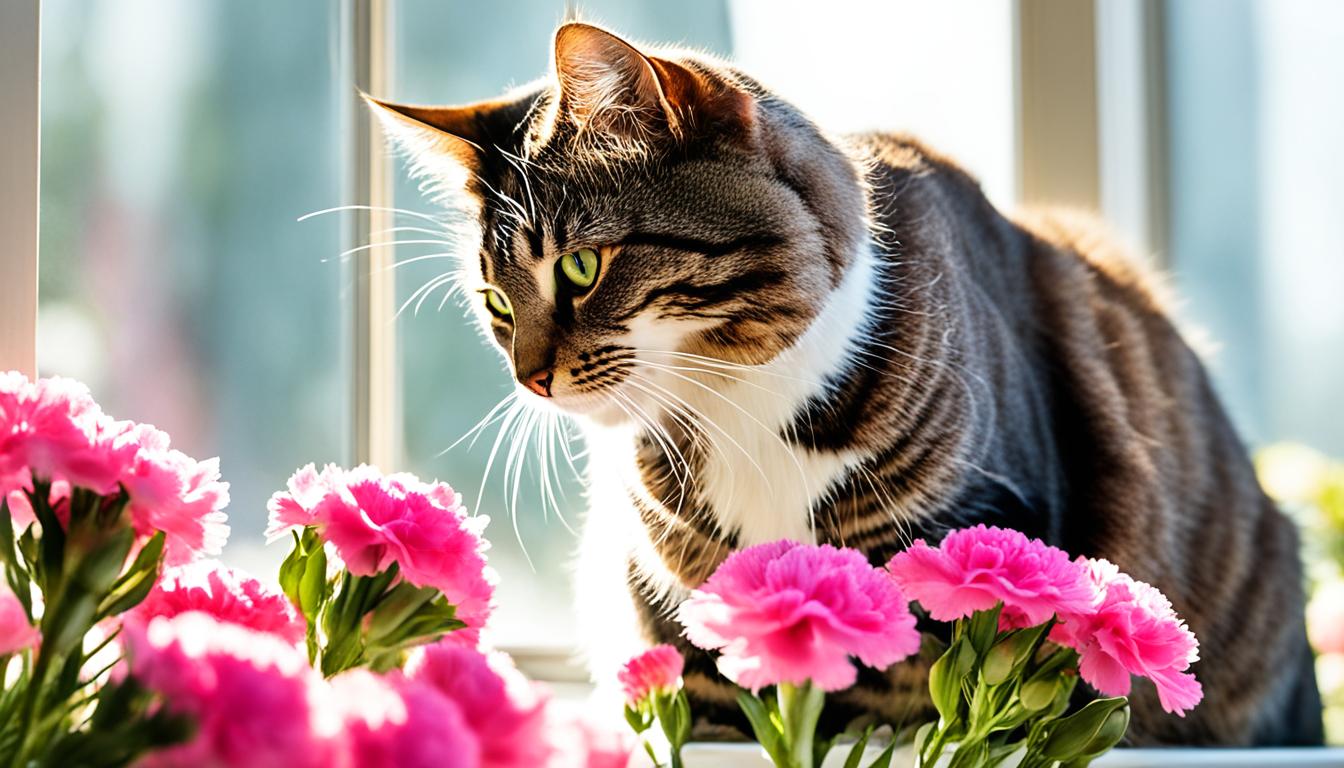

Carnations can pose a potential danger to cats if ingested. As a responsible pet owner, it is crucial to be aware of the flowers that are toxic to cats in order to safeguard the well-being of our feline companions. This comprehensive guide aims to provide essential insights on carnations and cats, offering valuable information on toxic flowers to avoid and suggesting pet-friendly alternatives.
It’s important to keep in mind that not all flowers are safe for our furry friends, and carnations fall into the category of potentially harmful blooms. While these beautiful flowers are popular for bouquets and arrangements, they can cause harm to cats if ingested or if their sap comes into contact with the skin.
While flowers can add beauty to any space, it is essential for pet owners to be aware of the potential risks they may pose to their furry friends. Several types of flowers can be toxic to pets, including cats. It is important to understand which flowers to avoid to ensure the safety and well-being of your beloved pet. In this section, we will explore some of the common toxic flowers and their potential effects on pets.
Lilies are particularly dangerous to cats, with even a small ingestion potentially leading to severe consequences. Lilies belong to the Lilium and Hemerocallis genus and can cause acute kidney failure in cats. All parts of the lily plant, including the leaves, flowers, pollen, and even the water in the vase, can be toxic. It is crucial to keep lilies away from cats to prevent any accidental ingestion.
Tulips are another flower that can be toxic to pets, especially if they consume the bulbs. The bulbs of the tulip plant contain a toxic compound called tulipalin A, which can cause gastrointestinal upset and other symptoms in cats. The leaves and flowers of tulips may also cause mild to moderate symptoms if ingested in larger quantities.
Aside from lilies and tulips, other flowers that are toxic to pets, including cats, include:
Ingestion of any of these toxic flowers can lead to a range of symptoms, such as vomiting, diarrhea, abdominal pain, difficulty breathing, and even organ failure in severe cases. Immediate veterinary care is necessary if you suspect that your pet has ingested any of these toxic flowers.
Remember, prevention is key when it comes to protecting your pets from toxic flowers. Keep these plants out of their reach and opt for safe alternatives that can still beautify your home or garden without posing a risk to your beloved furry companions.
When it comes to selecting flowers for your home or garden, it’s essential to consider the safety of your pets. Luckily, there are many non-toxic flowers that can add beauty to your space without posing any harm to your furry friends, including cats. Here are some popular options:
African violets are delicate and vibrant flowering plants that are safe for cats. They are known for their velvety leaves and colorful blooms, making them a beautiful addition to any indoor space. African violets thrive in bright, indirect light and regular watering, creating a stunning display of non-toxic flowers.
Roses are classic and timeless flowers loved by many. The good news is that there are specific varieties of roses that are non-toxic to cats. Opt for rose varieties such as hybrid teas, floribundas, and grandifloras, as they are considered safe options. However, avoid using rose fertilizers or pesticides that may be harmful to your pets.
Sunflowers bring a cheerful and sunny vibe to any space with their large, vibrant blooms. These striking flowers are not only visually appealing but also safe for cats. Sunflowers thrive in full sun and well-draining soil, making them an excellent choice for garden beds or potted arrangements.
Orchids are elegant and sophisticated flowers that can add a touch of luxury to your living space. These exotic blooms are safe for cats and come in a variety of colors and shapes. Orchids thrive in bright, indirect light and require proper orchid care, such as regular watering and occasional fertilization, to ensure they bloom beautifully.
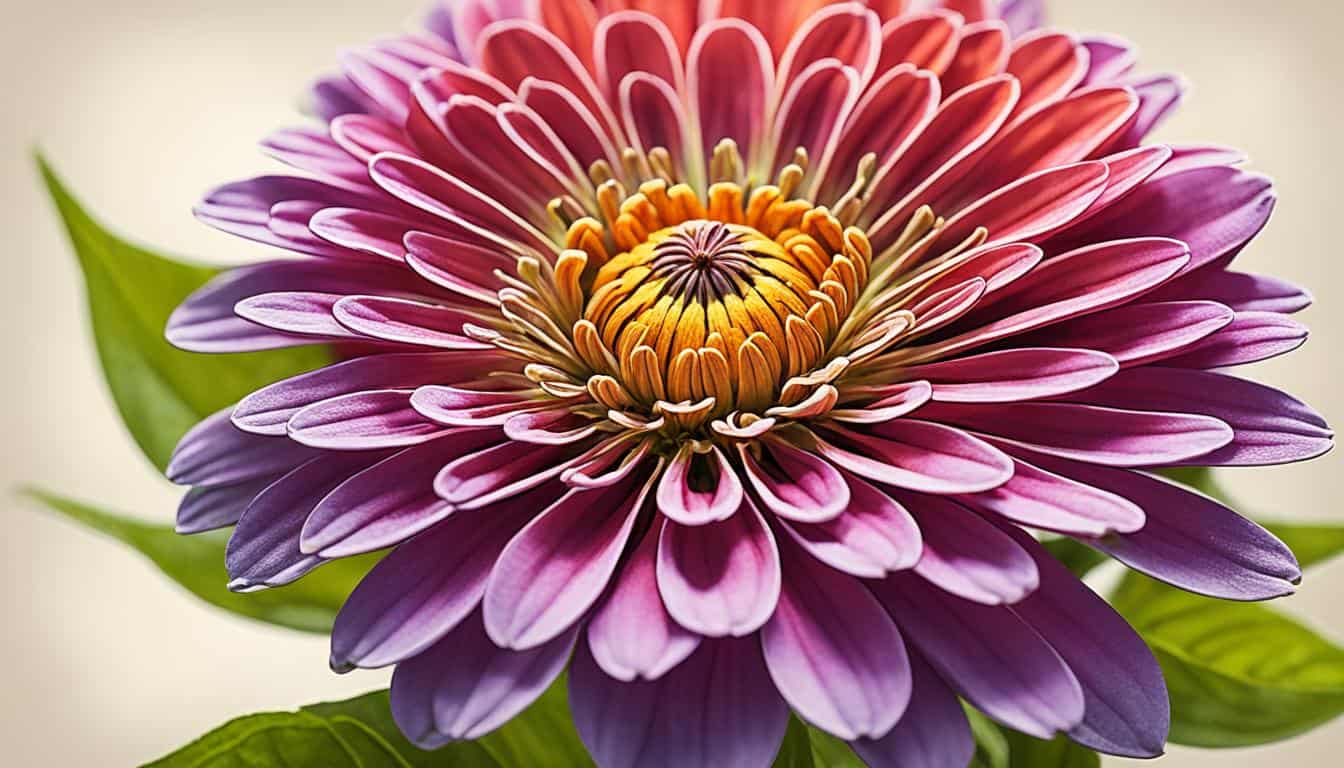
Zinnias are cheerful and colorful flowers that are easy to grow and maintain. They come in a wide range of vibrant shades, making them ideal for creating eye-catching floral arrangements. Zinnias are safe for cats and enjoy full sun and well-draining soil, making them a popular choice for garden beds or pots.
Asters are stunning flowers that come in a variety of colors, adding a splash of beauty to any garden or floral display. These daisy-like blooms are non-toxic to cats, making them a safe option for pet owners. Asters prefer well-draining soil and thrive in full sun to partial shade.
By opting for these non-toxic flowers, you can enjoy the beauty and fragrance of flowers without worrying about the safety of your furry companions. Create a pet-friendly environment by incorporating these cat-safe flowers into your living space or garden.
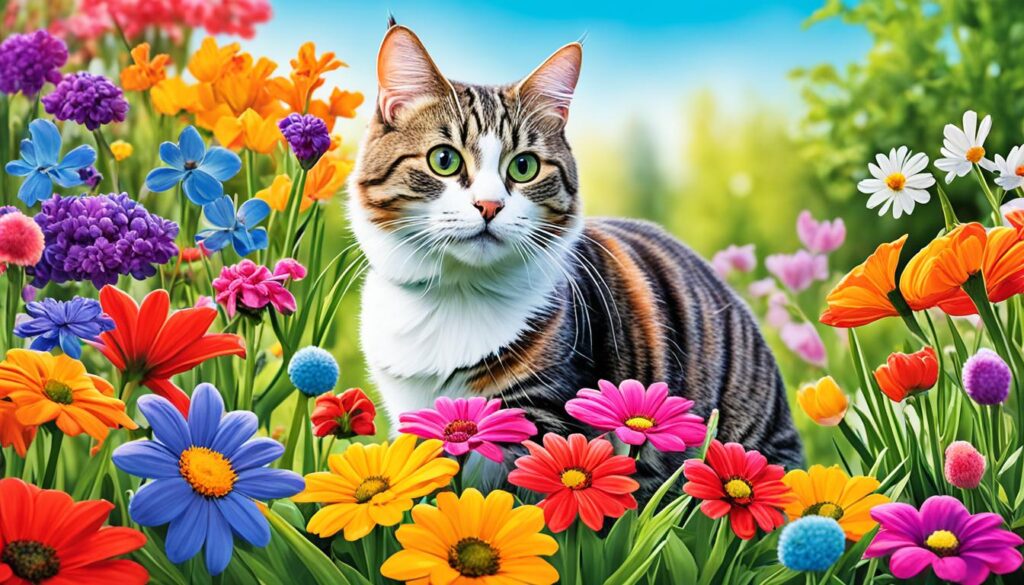
Carnations, while commonly used in flower arrangements and admired for their beauty, can pose a mild toxicity risk to cats if ingested. It is important for pet owners to be mindful of the potential hazards associated with the ingestion of the carnation plant.
Ingesting any part of the carnation plant, such as the stem, leaves, or petals, can lead to gastrointestinal upset in cats. This may manifest as symptoms including vomiting and diarrhea. The mild toxicity of carnations in cats is attributed to the plant’s content of triterpenoid saponins.
It is worth noting that contact with the sap of the carnation plant can also cause dermatitis in cats, resulting in skin irritation. Therefore, it is essential to handle carnations with care and prevent any direct contact between the plant’s sap and your cat’s skin.
When a cat ingests carnations, various symptoms may occur:
These symptoms are indicative of the potential mild toxicity resulting from the ingestion of carnations. If you notice any of these symptoms or suspect that your cat has ingested carnations, it is important to seek veterinary care promptly.
If you suspect that your cat has ingested carnations, take immediate action by reaching out to your veterinarian for guidance. Providing them with detailed information about the incident, including the type and amount of carnation consumed, will enable them to assess the situation accurately.
Depending on the severity of the ingestion, your veterinarian may recommend different steps, such as inducing vomiting, administering activated charcoal, or providing supportive care. Prompt veterinary attention is crucial to ensure the well-being and recovery of your cat.
To keep your cat safe from carnations and other potentially harmful flowers:
While carnations possess a mild toxicity that can cause gastrointestinal upset in cats, prompt veterinary care and preventive measures can help mitigate any potential harm. By understanding the risks associated with carnations and other toxic flowers, you can create a safe environment and enjoy the beauty of flowers without compromising your cat’s well-being.
Ingestion of carnations by cats can lead to gastrointestinal upset, with symptoms such as vomiting and diarrhea. Other signs of carnation toxicity may include changes in appetite, lethargy, and skin irritation if there is contact with the sap. It is important for cat owners to be vigilant and watch for any unusual behavior or symptoms that may indicate exposure to carnations.
| Symptoms of carnation ingestion in cats | Potential Risks |
|---|---|
| Vomiting | Gastrointestinal upset |
| Diarrhea | Changes in appetite |
| Lethargy | Skin irritation (if there is contact with the sap) |
If your cat has ingested carnations, it is crucial to take immediate action to ensure their well-being. Monitor your cat closely for any unusual behavior or symptoms, and contact your veterinarian right away. Time is of the essence in these situations, and prompt veterinary intervention is essential for the best possible outcome.
When speaking with your veterinarian, provide them with detailed information about the incident. This includes the type and amount of carnation your cat consumed. Such information will aid in determining the appropriate course of action for their treatment and recovery.
Your veterinarian will assess the severity of the ingestion and guide you on the necessary steps to take. Treatment options may include supportive care, such as induced vomiting or administering activated charcoal to absorb any toxins in their system. In severe cases, hospitalization for monitoring and additional treatments may be required.
The recovery process will depend on the individual circumstances and the cat’s overall health. Your veterinarian will provide guidance on post-ingestion care and any necessary follow-up appointments to ensure your cat’s recovery is progressing as expected.
“Swift action and professional intervention are essential when your cat ingests carnations. Contact your veterinarian without delay to give your feline companion the best chance at a full recovery.” – Dr. Emily Thompson, DVM
| Treatment and Recovery | Actions |
|---|---|
| 1. Veterinary Contact | Immediately contact your veterinarian for guidance and treatment. |
| 2. Detailed Information | Provide your veterinarian with specific details about the ingestion incident. |
| 3. Treatment Options | Your veterinarian will recommend appropriate treatments based on the severity of the ingestion. |
| 4. Post-Ingestion Care | Follow your veterinarian’s instructions for caring for your cat during their recovery. |
| 5. Monitoring and Follow-Up | Attend all necessary follow-up appointments to ensure your cat’s recovery is progressing positively. |
To ensure the safety of your cat around flowers, it is important to take preventive measures. Position potentially harmful flowers, including carnations, in areas that are inaccessible to your cat, such as high shelves or secured vases.
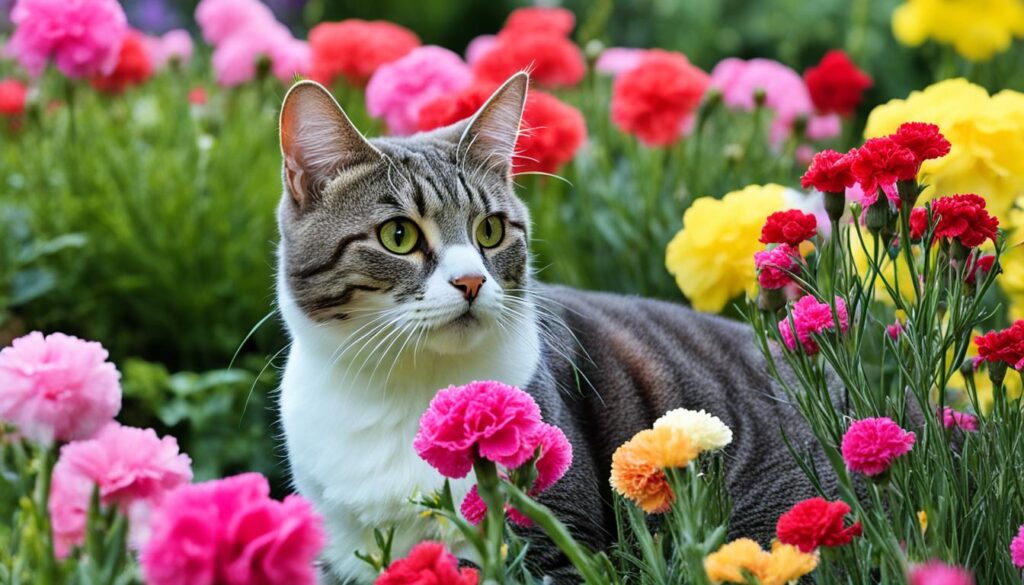
Elevating your flower arrangements can help keep them out of your cat’s reach. Consider placing them on high shelves or mantels where your furry friend cannot access them. This not only prevents your cat from accidentally ingesting toxic flowers but also preserves the beauty of your floral displays.
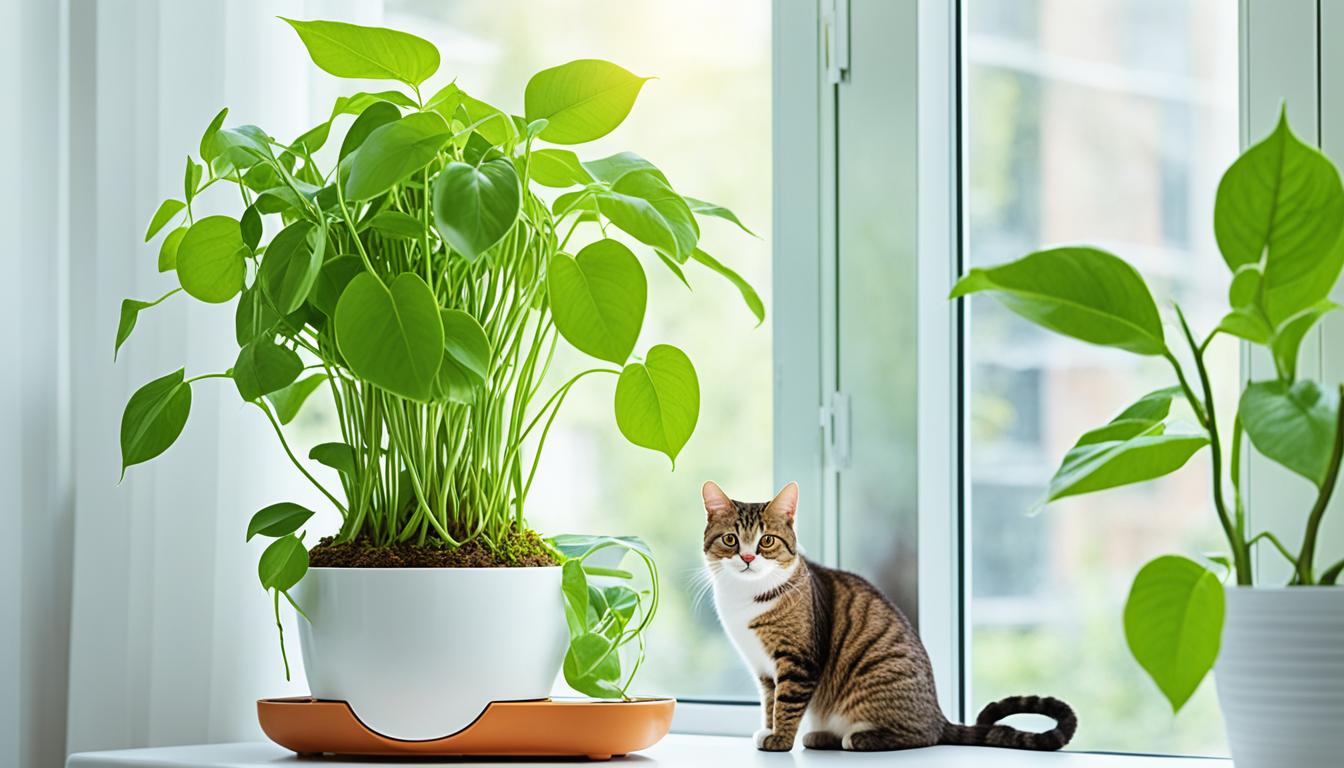
Instead of risking the safety of your cat with potentially toxic flowers, opt for cat-friendly alternatives. Catnip, spider plants, and catmint are excellent choices that not only add greenery to your space but also provide entertainment for your cat. These plants are safe for feline companions and can help create a cat-friendly environment.
Ensure that everyone in your household, as well as guests, is aware of the potential dangers of certain flowers to cats. This knowledge will help prevent any accidental exposure and create a safer living space for your furry friend.
| Cat Safety Measures | Benefits |
|---|---|
| Elevate Flower Arrangements | Keeps flowers out of your cat’s reach |
| Cat-Friendly Alternatives | Adds greenery and entertainment |
| Educate Everyone | Prevents accidental exposure |
In addition to carnations, there are several other flowers that should be avoided when you have a feline companion. Lilies, tulips, daffodils, and hyacinths are among the most dangerous flowers for cats and can cause various health issues if ingested. It is important to be aware of these flowers and keep them out of your cat’s reach to prevent any potential harm.
| Flower | Poisonous Parts | Symptoms |
|---|---|---|
| Lilies | Entire Plant | Vomiting, lethargy, kidney failure |
| Tulips | Bulbs, Leaves | Gastrointestinal upset, drooling, increased heart rate |
| Daffodils | Bulbs | Vomiting, diarrhea, abdominal pain |
| Hyacinths | Bulbs, Leaves | Gastrointestinal upset, tremors, respiratory distress |
These flowers contain toxins that are harmful to cats and can lead to serious health complications if ingested. It is crucial to keep these flowers out of your cat’s environment and opt for cat-friendly alternatives to ensure their safety.
When it comes to flowers that are toxic to cats, prevention is key. Here are some preventive measures to help keep your furry friend safe:
“The safety of your cat should always be a top priority. By avoiding toxic flowers and creating a cat-friendly environment, you can enjoy beautiful blooms without compromising your beloved pet’s health.”
Ensuring the safety of your cat around flowers is paramount for their well-being. While carnations may pose a mild toxicity risk, there are numerous non-toxic flowers that can be enjoyed without any concerns. By implementing preventive measures, educating yourself and others, and selecting cat-safe alternatives, you can create a cat-friendly living space that combines the beauty of flowers with your cat’s safety.
Creating a safe environment starts with positioning potentially harmful flowers, including carnations, in areas that are inaccessible to your cat. Consider elevating flower arrangements on high shelves or using secured vases. Additionally, explore cat-friendly alternatives like catnip, spider plants, or catmint, which not only add greenery to your space but also provide entertainment for your feline friend.
Education is vital in ensuring a cat-friendly living space. Inform all members of your household, as well as guests, about the risks associated with certain flowers and the importance of keeping them out of your cat’s reach. By spreading awareness, you can foster an environment that prioritizes cat safety.
By following these guidelines, you can create a beautiful and cat-safe living space that allows you to enjoy the presence of flowers without compromising your cat’s well-being. Remember, cat safety and flower toxicity awareness go hand in hand for a harmonious and enriching life with your feline companion.
Yes, carnations are considered to have a mild toxicity when it comes to cats. Ingestion of the stem, leaves, or petals of the carnation plant can cause gastrointestinal upset and potential dermatitis if the sap comes into contact with the skin.
Cats that ingest carnations may exhibit symptoms such as vomiting, diarrhea, changes in appetite, lethargy, and skin irritation if there is contact with the sap.
With prompt action and professional intervention, cats can recover from carnation poisoning. It is crucial to contact a veterinarian immediately and provide them with detailed information about the incident for guidance on necessary steps to take.
If your cat ingests carnations, keep a close eye on them for any unusual behavior and contact your veterinarian immediately. They will advise you on the necessary steps to take, which may include supportive care or, in severe cases, hospitalization.
To ensure your cat’s safety around flowers, position potentially harmful flowers, including carnations, in areas that are inaccessible to your cat. Consider opting for cat-friendly alternatives like catnip, spider plants, or catmint. Educate everyone in your household and guests about the potential dangers of certain flowers to create a cat-friendly environment.
Yes, there are several other flowers that should be avoided when you have a feline companion. Lilies, tulips, daffodils, and hyacinths are among the most dangerous flowers for cats and can cause various health issues if ingested.