 11
11

When it comes to cat breathing, it’s important to differentiate between normal and abnormal patterns. Cats generally have a different respiratory system compared to humans, and their breathing should be evaluated in the context of their species.
Normal cat breathing is typically quiet, regular, and done through the nose. Cats have a natural ability to control their breathing rate and depth based on their activity level, environment, and overall health. However, there are instances where cat breathing may become abnormal, indicating potential health concerns.
Abnormal breathing in cats can manifest in various ways, including open-mouth breathing. Open-mouth breathing is when a cat breathes with its mouth open, unable to pass air through its nose. This can be a sign of respiratory difficulty and should be considered an emergency, requiring immediate veterinary attention (PetMD).
There are several potential causes for abnormal breathing in cats. These can range from mild issues like overexertion or feline cold, to more serious concerns like feline asthma, lung cancer, pulmonary edema, lodged items in the throat, or seizures. Identifying the underlying cause is crucial in determining the appropriate course of action and treatment for your cat’s well-being.
Understanding the distinction between normal and abnormal cat breathing is essential for cat owners. If you notice your cat exhibiting open-mouth breathing or any other signs of cat breathing problems, it is vital to seek veterinary attention immediately. Prompt intervention can help diagnose and address any underlying health conditions and ensure the best possible outcome for your feline companion.
In the following sections, we will explore the causes, symptoms, immediate care, and specific health conditions associated with cat breathing difficulties, providing you with a comprehensive understanding of this important topic.
When it comes to cats, breathing difficulties can be a concerning issue. Understanding the causes behind these difficulties can help pet owners recognize when their feline friend may be experiencing respiratory distress. Breathing difficulties in cats can be attributed to both common reasons and serious health conditions.
Heavy breathing in cats can be caused by various conditions, including lung disease, heart disease, metabolic conditions, high body temperature, pain, or stress (PetMD). Cats may exhibit heavy breathing when they are engaged in vigorous exercise or are excited. However, heavy breathing that occurs at rest or seems excessive should be monitored closely, as it can indicate an underlying health issue.
A key indicator of potential breathing difficulties is an increased resting respiratory rate (RRR). The normal resting respiratory rate for cats is typically between 15 and 25 breaths per minute, but it may be higher in hot conditions (Walkerville Vet). Monitoring the RRR can help identify any significant changes and provide early warning signs of potential health problems.
Heavy breathing in cats, especially when it occurs while resting, other than the occasional deep sigh, can be a sign of serious health problems such as heart failure or severe lung disease (PetMD). It is essential to understand that heavy breathing may be a symptom of an underlying condition that requires veterinary attention.
Some of the serious health conditions that can cause breathing difficulties in cats include:
Feline Asthma and Respiratory Infections: Feline asthma is a chronic condition that causes inflammation and narrowing of the airways, leading to breathing difficulties. Respiratory infections can also cause similar symptoms, such as coughing and wheezing (cat wheezing and coughing).
Heart-related Causes of Breathing Difficulties: Heart diseases, such as heart failure or cardiomyopathy, can lead to fluid accumulation in the lungs, resulting in breathing difficulties. Cats with heart murmurs may require monitoring of their resting respiratory rate as an early warning sign of potential issues (Walkerville Vet).
Oral and Dental Issues Impacting Breathing: Dental diseases or oral tumors can affect a cat’s ability to breathe comfortably. These conditions can cause pain and inflammation, leading to respiratory distress.
If you notice heavy breathing or any other signs of breathing difficulties in your cat, it is crucial to seek veterinary attention promptly. Early diagnosis and treatment can help manage the underlying condition and improve your cat’s quality of life. For more information on cat breathing problems, refer to our article on cat breathing problems.
Understanding the common reasons and potential serious health conditions associated with breathing difficulties in cats can help pet owners recognize when their feline companion may require veterinary care. By being vigilant and seeking prompt attention, you can ensure the well-being and respiratory health of your beloved cat.
When it comes to cat health, understanding the symptoms and warning signs of breathing difficulties is crucial in ensuring timely intervention and appropriate care. Open-mouth breathing in cats can be a cause for concern and indicate underlying respiratory issues. Let’s explore the indicators of open-mouth breathing and associated symptoms to watch for.
Open-mouth breathing in cats is a clear indication that they are struggling to breathe and unable to pass air through their nose. It can be a sign of respiratory distress or obstruction (PetMD). Cats may exhibit open-mouth breathing due to various reasons, including overexertion, feline cold, feline asthma, lung cancer, pulmonary edema, lodged item in the throat, or seizures (Braselton Emergency Vet).
If you notice your cat breathing with their mouth open, it’s important to monitor their breathing pattern and look out for additional signs of distress. This can help you determine the severity of the condition and the urgency of seeking veterinary attention.
In addition to open-mouth breathing, there are several associated symptoms that may accompany breathing difficulties in cats. These symptoms can provide further insight into the underlying cause and help guide proper diagnosis and treatment. Some common associated symptoms to watch for include:
It’s important to note that these symptoms may vary depending on the underlying cause of the breathing difficulties. If you observe any of these symptoms along with open-mouth breathing, it’s essential to seek veterinary attention promptly. Early intervention can help prevent further complications and ensure the well-being of your feline companion.
Understanding the symptoms and warning signs associated with breathing difficulties in cats enables you to promptly recognize when your cat is in distress. By staying vigilant and seeking veterinary care when necessary, you can help ensure the best possible outcome for your furry friend.
When it comes to cat breathing problems, it’s important to know when to seek emergency help and how to provide immediate care for your feline companion.
If you notice your cat breathing heavily with their mouth open, it could be a sign of a serious health condition. Immediate veterinary attention is crucial in such cases. While heavy breathing after exercise or during hot weather is normal, heavy breathing in cats that are not hot, stressed, or tired from exercise could indicate underlying health issues.
If your cat exhibits any of the following symptoms along with open-mouth breathing, it’s important to seek emergency veterinary care:
Remember, open-mouth breathing in cats can indicate respiratory distress, which requires immediate attention. Delaying veterinary care could worsen your cat’s condition and potentially be life-threatening.
While waiting for veterinary care, there are a few steps you can take to provide first aid for your cat experiencing breathing difficulties. It’s important to approach your cat calmly and gently to avoid causing further stress or anxiety.
Ensure a calm environment: Create a quiet and comfortable space for your cat. Reduce noise and disturbances to help them relax.
Remove potential obstructions: Check if there is any visible object obstructing your cat’s airway. If you can safely remove it, do so. However, be cautious and do not attempt to remove any object that is deeply lodged or causing distress.
Keep your cat calm: Speak softly and avoid sudden movements. Stress can exacerbate breathing difficulties, so maintaining a calm environment is essential.
Do not offer food or water: It’s important to refrain from offering food or water to your cat. This can potentially lead to further complications if your cat is struggling to breathe.
Remember, these first aid measures are temporary and should not replace professional veterinary care. Getting your cat to a veterinarian as soon as possible is crucial for a proper diagnosis and appropriate treatment.
In the next section, we will explore specific health conditions that can cause breathing difficulties in cats, helping you understand the underlying causes and potential treatment options.
When cats exhibit open-mouth breathing, it can indicate the presence of specific health conditions that require attention. Understanding these conditions is crucial for recognizing the underlying causes of breathing difficulties in cats.
Feline asthma is a common respiratory condition that can develop in cats between the ages of two to seven years old. It can lead to symptoms such as open-mouth breathing, wheezing, coughing, labored breathing, and in severe cases, dark gray or blue gums and tongue (cyanosis) (Animal Emergency Care of Braselton). This condition is similar to asthma in humans, and it is essential to seek veterinary care for proper diagnosis and management.
Respiratory infections, such as viral or bacterial infections, can also cause breathing difficulties in cats. These infections can lead to symptoms like wheezing, coughing, nasal discharge, and open-mouth breathing. Prompt veterinary attention is necessary to determine the appropriate treatment and prevent the infection from worsening.
Heart-related issues can also contribute to breathing difficulties in cats. Cats with heart murmurs may need to have their resting respiratory rate monitored as an early warning sign of potential issues. An increase in the respiratory rate can indicate heart failure, which requires immediate attention. Monitoring this rate can help identify problems early on, allowing for timely intervention.
Oral and dental problems can affect a cat’s ability to breathe comfortably. Conditions such as feline stomatitis, which causes severe pain and inflammation in the mouth, can lead to difficulty opening the mouth, bad breath, excessive drooling, and difficulty swallowing. Full-mouth extractions of teeth have shown improvement in 60% to 80% of cats with this condition.
Oral neoplasia, which is cancer of the oral cavity, can also impact a cat’s breathing. Symptoms may include difficulty chewing, hypersalivation, malodor, and bleeding from the mouth. Treatment options depend on the type of tumor diagnosed and may involve pain control, removal of the mass, jaw resection, or radiation therapy.
Identifying these specific health conditions is crucial for providing the necessary veterinary care and management. If your cat is experiencing breathing difficulties, it is essential to seek veterinary attention promptly to determine the underlying cause and develop an appropriate treatment plan.
When it comes to addressing breathing difficulties in cats, proper veterinary diagnosis and treatment are crucial. Once the underlying cause of the breathing problem has been identified, appropriate steps can be taken to manage the condition effectively.
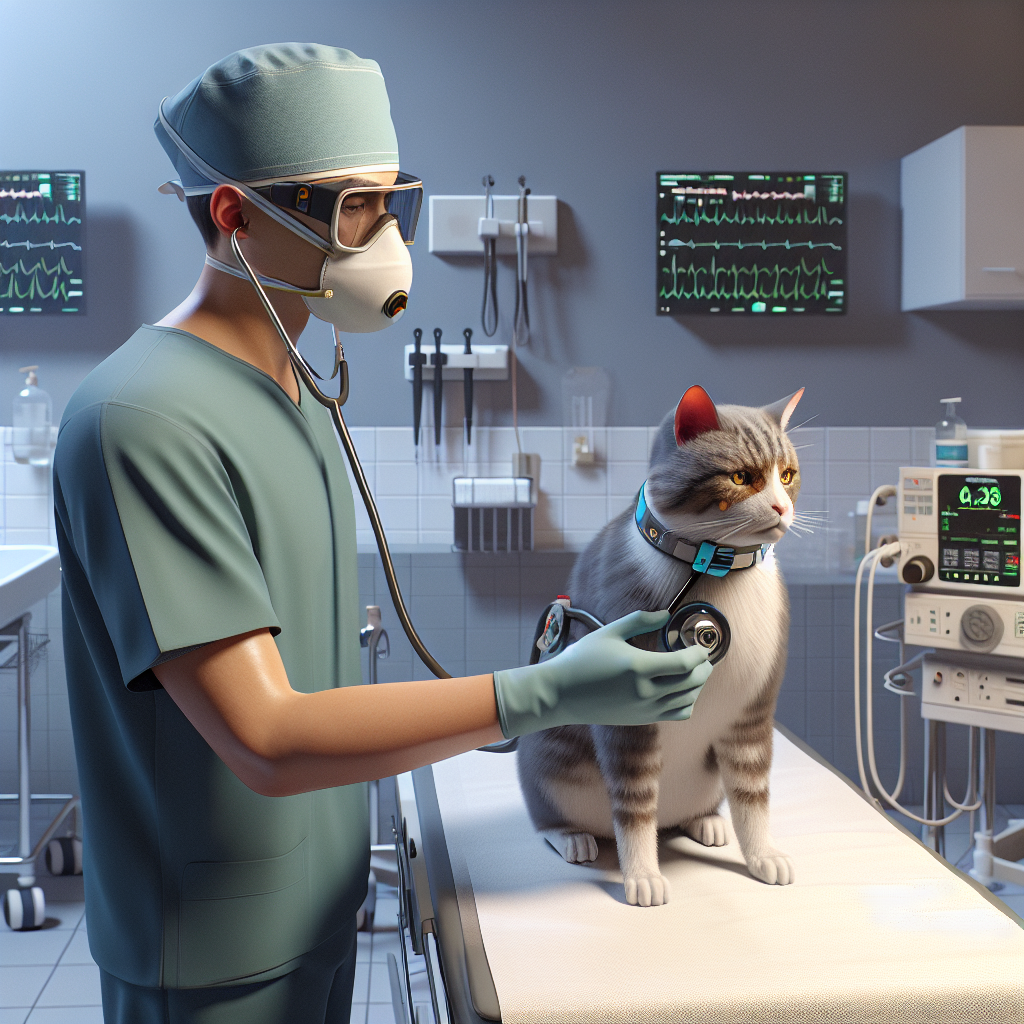
Upon observing signs of breathing difficulties in your cat, it is essential to seek veterinary attention promptly. The veterinarian will conduct a thorough examination to determine the cause of the problem. This may involve:
Based on the diagnosis, the veterinarian will develop an appropriate treatment plan for your cat. Treatment options may include:
Depending on the specific condition, long-term care and management strategies will vary. It is important to follow your veterinarian’s instructions and recommendations. Here are some general tips for managing breathing difficulties in cats:
Remember, every cat’s situation is unique, and treatment and management plans should be tailored to their specific needs. By working closely with your veterinarian, you can provide the best care and support for your cat’s breathing difficulties.