 11
11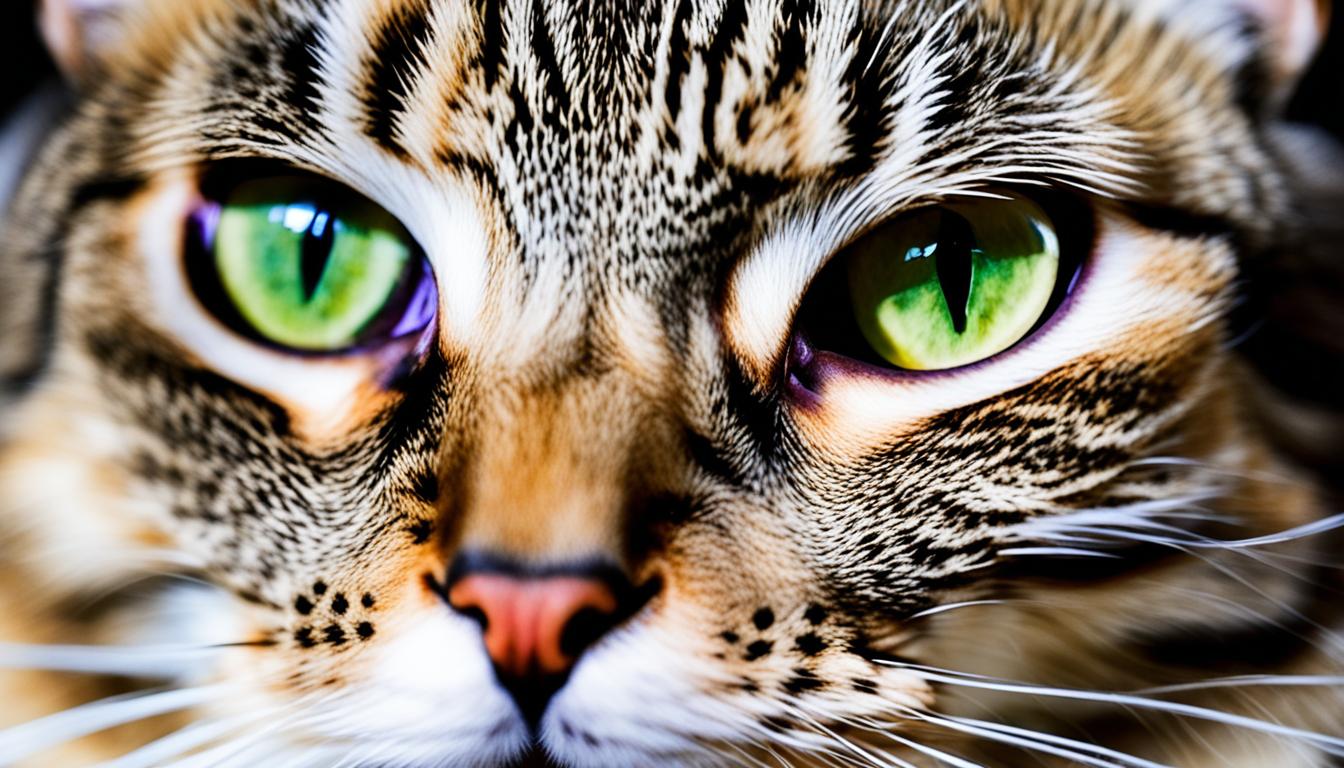

Haw’s syndrome is a condition affecting cats. Here, the third eyelid shows without any other eye issues. It’s mainly seen in cats under two years and can follow diarrhea. Although we’re not sure why it happens, it might be linked to nerve changes near the eye. Thankfully, Haw’s syndrome isn’t painful and doesn’t harm the eye. Most of the time, it gets better by itself in a few weeks.
The exact cause of Haw’s syndrome in cats remains a mystery. It is often linked to problems in the stomach and intestines. Conditions like tapeworm and stomach viruses are also connected to it. However, not every cat with Haw’s syndrome shows these typical signs.
Changes in the nerves and inflammation in the gut could also lead to Haw’s syndrome. While we don’t know the exact cause, experts believe several factors might play a role. For example, stomach issues can affect the eye’s nerves. Tapeworm and some viruses are often found in cats with this syndrome.
But, not all cats with Haw’s syndrome experience stomach problems. This hints at other causes too. Changes in eye-controlling nerves and gut inflammation might also contribute.
“While the exact cause of Haw’s syndrome remains unknown, there are several potential factors that may contribute to the condition. These include underlying inflammatory gastrointestinal conditions, parasite infections, and nerve changes. Further research is needed to fully understand the causes of Haw’s syndrome in cats.”
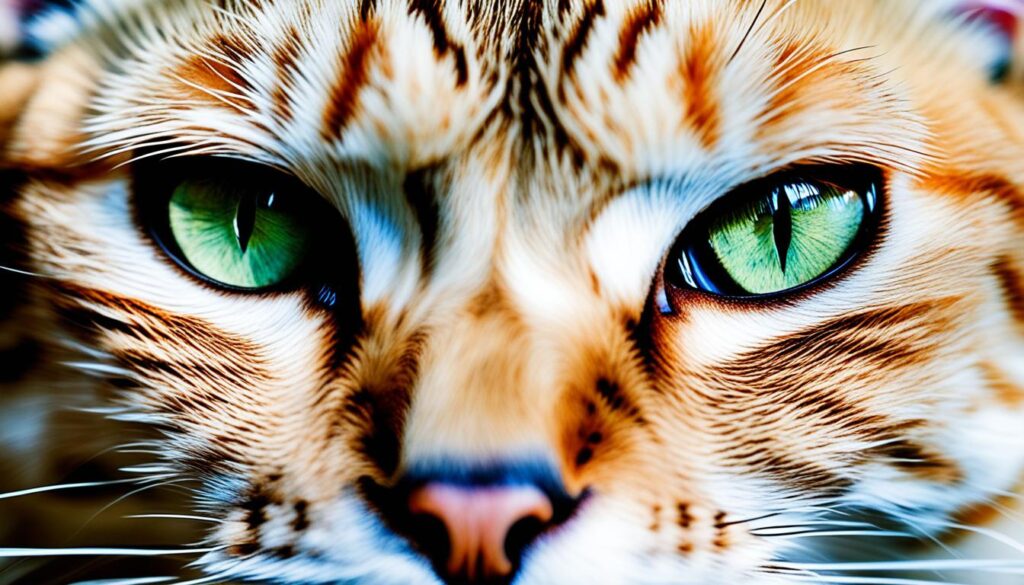
Knowing the possible causes of Haw’s syndrome helps in caring for sick cats. Still, we need more studies to figure out this eye issue. This knowledge will lead to better treatment for cats.
Haw’s syndrome in cats shows up as the third eyelid sticking out on both eyes. It happens without any other eye issues. Spotting this is key to recognizing Haw’s syndrome. It’s crucial to tell it apart from other problems. These can include tumors, Horner’s syndrome, and injuries that also make the third eyelid show.
Vets check the eyes closely to diagnose Haw’s syndrome. They make sure nothing else is causing the eyelid problem. This step helps confirm that we’re dealing with Haw’s syndrome and not something else.
In some situations, vets might use a phenylephrine test. They drop phenylephrine into the eye, which should make the third eyelid go back in for a bit. If the eyelid tucks back, it supports the Haw’s syndrome diagnosis.
Correctly spotting the signs and doing the right tests help vets pinpoint Haw’s syndrome in cats. This ensures cats get the care they need. It’s vital to get a vet’s help for an accurate diagnosis and advice.
| Symptoms of Haw’s Syndrome in Cats | Diagnosis of Haw’s Syndrome in Cats |
|---|---|
| Protrusion of the third eyelid on both eyes, without any other eye abnormalities | Thorough examination of the eyes to rule out other potential causes |
| Phenylephrine test (in some cases) to confirm the diagnosis |
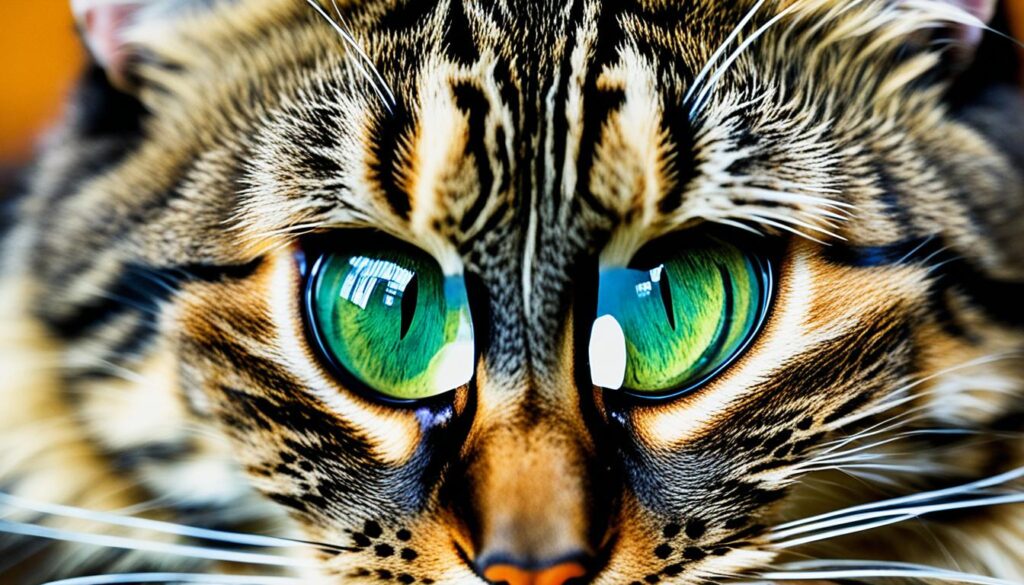
Haw’s syndrome in cats usually doesn’t need special treatment. It often gets better on its own in a few weeks. If the third eyelid blocks the cat’s sight, phenylephrine eye drops may help. These drops make the blood vessels in the eyelid smaller. This reduces swelling and helps the eyelid go back to normal.
Supportive care might be needed for diarrhea or stomach issues. A simple diet that’s easy to eat can help the cat’s stomach. Adding probiotics or other gut helpers can also promote a healthy gut. This helps to fix stomach symptoms.
If something specific is causing the diarrhea, that will need its own treatment. For example, if parasites like tapeworms are the issue, the cat will need deworming medicine. This gets rid of the parasites and helps the cat feel better. The vet will make a treatment plan that fits the cat’s needs.
The vet may ask to see the cat again to check on its recovery. These visits let the vet change the treatment if needed. They make sure the cat is getting better as expected.
Cats with Haw’s syndrome show mild symptoms but need extra care. Here are vital tips:
Follow these tips to support your cat through Haw’s syndrome. It helps them stay comfortable and healthy.
The image shows a cat getting gentle care. It underlines the need to love and support cats with Haw’s syndrome.
If your cat’s third eyelid shows but there are no other symptoms, it might be Haw’s syndrome. This condition often gets better on its own in a few weeks. Even though it’s worrisome to see their third eyelid showing, it’s key to tell it apart from other issues and get vet help if needed.
Caring for any stomach problems is key for your cat to get better. Make sure they eat a diet that’s easy on the stomach. Give them any meds the vet prescribes. Taking care of their overall health will help them recover. It’s important to keep an eye on their health with regular vet visits.
It’s critical to provide the right vet care for eye issues like Haw’s syndrome. Being knowledgeable about cat eye health and working with your vet ensures your cat gets the best care. Your beloved cat deserves attentive care for all their health needs.
Haw’s syndrome is when a cat’s third eyelid shows in both eyes without other eye problems. It usually affects young cats under two years, mainly after they’ve had diarrhea.
The exact cause of Haw’s syndrome in cats is unknown. However, it might be linked to gut inflammation or conditions. Parasite infections like tapeworms and viruses in the gut can be related too. Not all Haw’s syndrome cases come from diarrhea or these health issues. Other possible causes include nerve changes and inflammation in the digestive tract.
A vet can diagnose Haw’s syndrome by examining a cat’s eyes to exclude other causes for the third eyelid showing. Sometimes, a test with phenylephrine is done to confirm it.
Typically, Haw’s syndrome in cats doesn’t need special treatment and gets better by itself in weeks. If the third eyelid blocks vision, phenylephrine eye drops can help. Supportive care for any diarrhea or gut problems might also be advised.
To help cats with Haw’s syndrome recover, make sure they drink lots of water. Feed them food that’s easy on the gut or a simple diet. If needed, give them wormer, protect their sight, and let them rest. Providing love and care at home is also crucial.