 11
11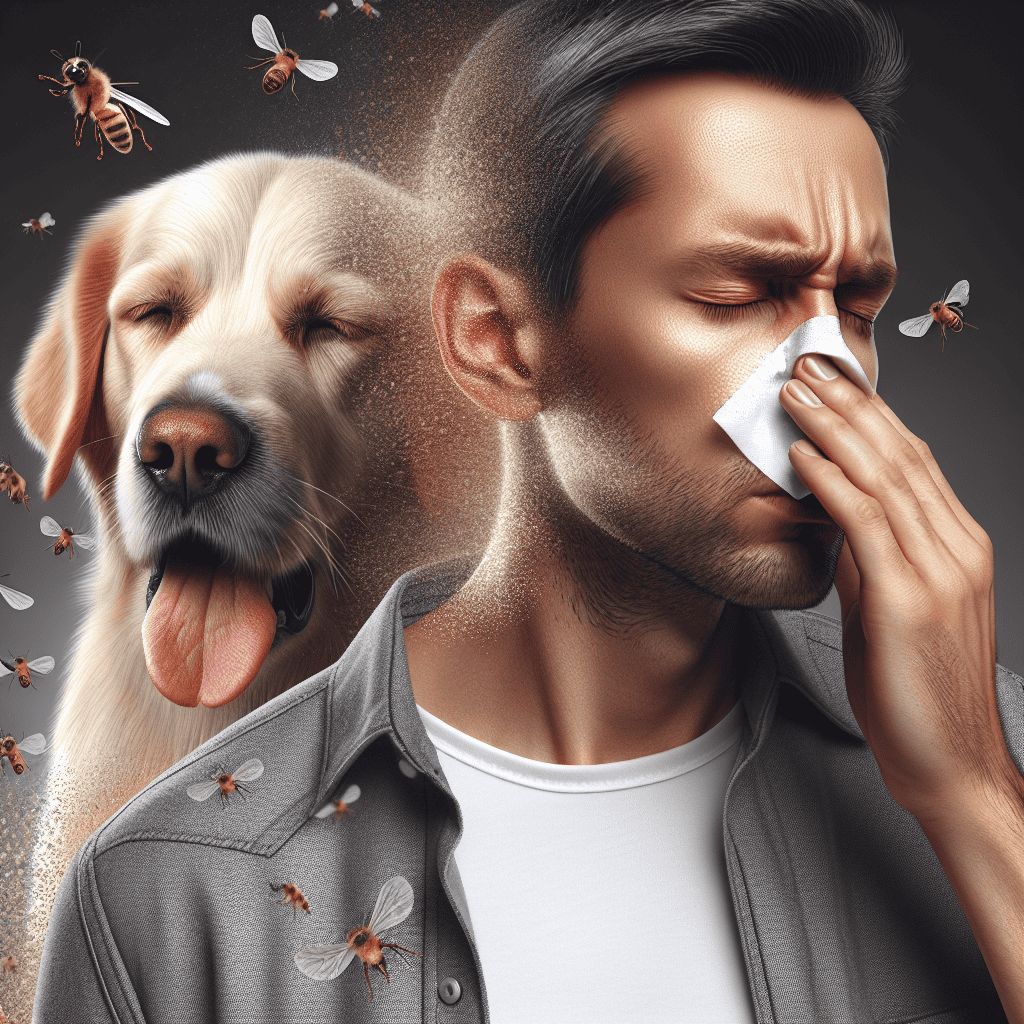

Dog allergies can be a real bummer for pet lovers. Knowing the symptoms and causes can help you manage them better. Let’s break down what you need to know about dog allergies.
Dog allergies can show up in many ways, and they can hit you right away or sneak up on you later. Here are some signs you might be allergic to dogs:
These symptoms happen because your immune system freaks out over dog dander, saliva, and urine. It’s not the fur that’s the problem—it’s the dander, which is just dead skin flakes. For more on dog allergies and symptoms, check out our article on seasonal allergies in dogs.
Dog allergies aren’t about the hair or fur. The real culprits are proteins in the dog’s dander, saliva, and urine. These allergens can also bring along dust mites, mold, and pollen. When someone with dog allergies gets exposed to these, their immune system goes haywire, causing all those annoying symptoms.
Some folks think certain dog breeds are hypoallergenic, but that’s a myth. All dogs produce dander and allergens, just in different amounts. So, if you’re picking a dog, consider your own tolerance levels. For more on this, see our article on hypoallergenic dogs.
Knowing the symptoms and causes of dog allergies is the first step to managing them. Getting a proper diagnosis, dog allergy testing, and working with healthcare pros can help you find the right treatment. Options like dog allergy medication, dog allergy shots, and natural remedies for dog allergies can also bring some relief.
Dealing with dog allergies can be a real pain, but there are plenty of ways to make life easier for both you and your pup. Let’s break down some practical tips and treatments to help you breathe easier and keep your furry buddy around.
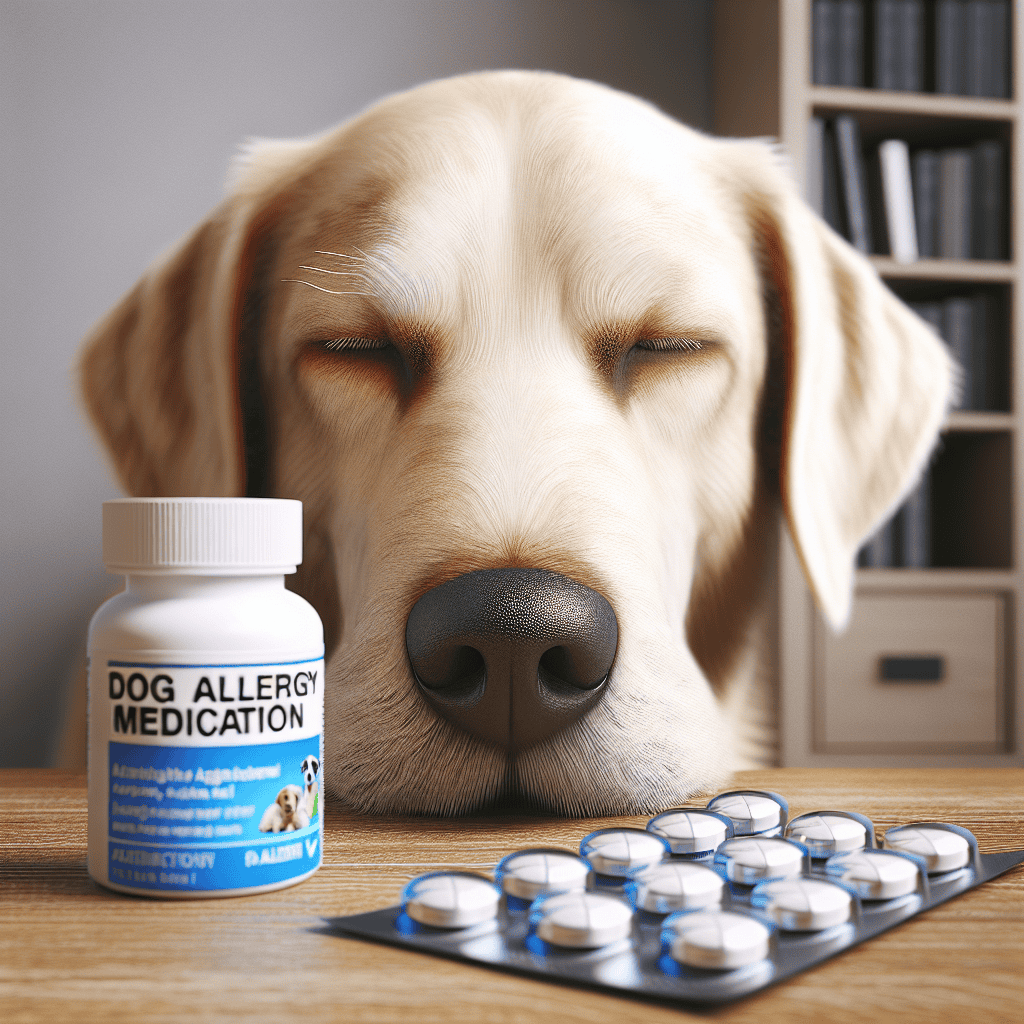
When it comes to tackling dog allergies, you’ve got a few tricks up your sleeve. Medications are a go-to for many folks. You can grab over-the-counter stuff like antihistamines or get a prescription for something stronger like corticosteroids, nasal rinses, eye drops, decongestants, leukotriene modifiers, or cromolyn sodium. These can help with the usual suspects like sneezing, itching, and congestion. Always check in with your doc or an allergist to figure out what’s best for you.
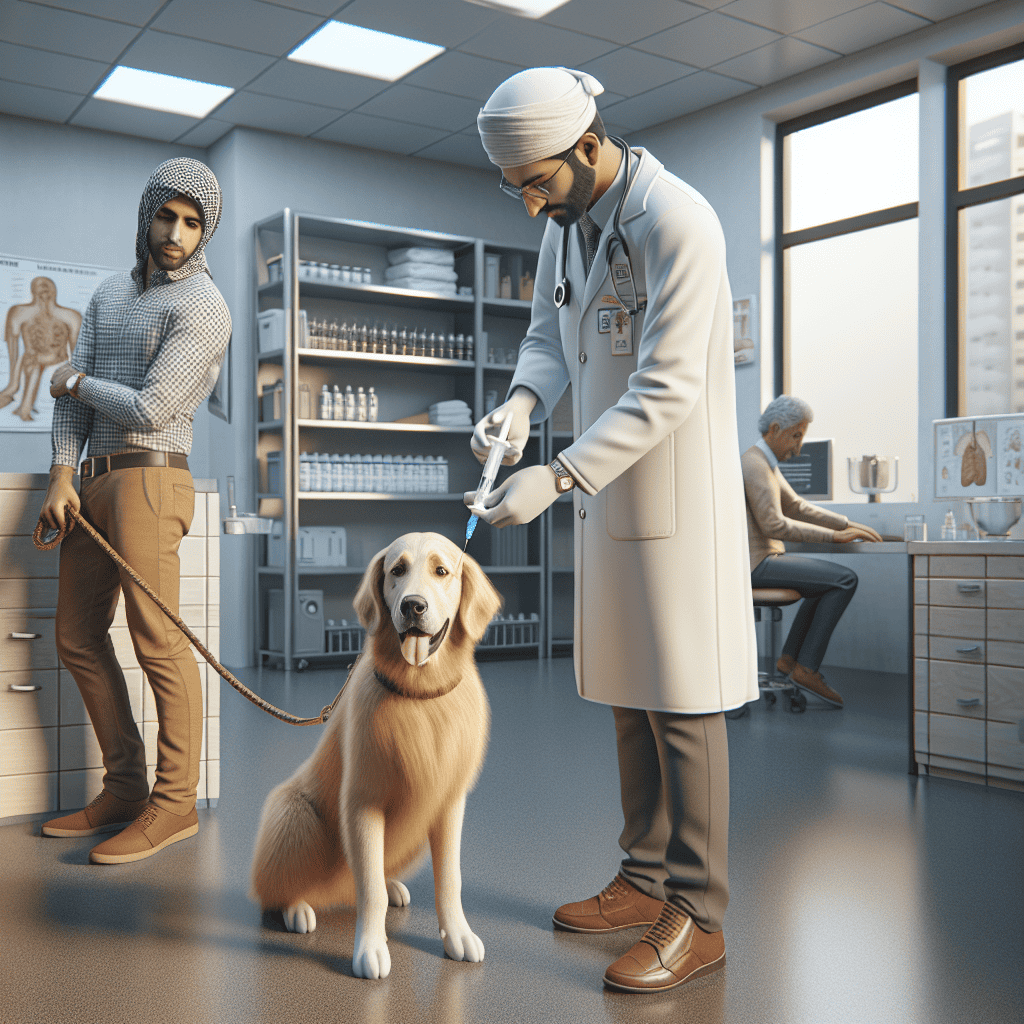
If your allergies are really putting up a fight, you might want to consider allergy shots (immunotherapy). These involve getting regular injections of tiny amounts of allergens over time. It’s like training your immune system to chill out. It can take a while—sometimes years—but for many, it’s worth it for the long-term relief. Talk to an allergist to see if this is a good fit for you.
Sure, the only foolproof way to beat pet allergies is to not have pets, but who wants to do that? Here are some ways to cut down on allergens while keeping your dog around:
By mixing and matching these treatments and strategies, you can find some relief and still enjoy your dog’s company. Always consult with healthcare professionals or allergists for advice tailored to your situation.
Dealing with dog allergies can be a real pain, but knowing the symptoms and how they vary among breeds can make life a lot easier. Let’s break it down so you can breathe easy—literally.
Dog allergies can sneak up on you, sometimes taking days to show up, especially if you’re not super sensitive. Here are some telltale signs:
These symptoms can really mess with your day-to-day life. If you think you or someone in your family is allergic to dogs, it’s a good idea to see a doctor for a proper diagnosis and treatment. For more details, check out our article on dog allergy symptoms.
Forget what you’ve heard—there’s no such thing as a completely allergy-free dog. All dogs can trigger allergies because of proteins in their skin cells, pee, and spit. But, some breeds are easier on the allergies than others.
Take Labradoodles and Bichon Frises, for example. Labradoodles have wool-like hair that doesn’t grab as many outdoor allergens, and Bichon Frises have curly coats that produce less dander. These breeds are often recommended for folks with allergies (Everyday Health). But remember, everyone reacts differently. What works for your neighbor might not work for you.
Thinking about getting a dog but worried about allergies? Spend some time with the breed you’re interested in first. This way, you can see if you have any reactions before committing. Also, keeping your home clean and using allergen-reducing strategies can help keep symptoms at bay.
Knowing the symptoms and exploring hypoallergenic breeds can help you make smart choices about pet ownership. Always talk to healthcare pros and allergy specialists for advice tailored to you.
Dealing with dog allergies? It’s a biggie for any pet parent. Allergies in dogs are basically the immune system going haywire over something harmless. This can lead to symptoms like puffy eyes, itching, and red skin. The immune system releases all sorts of chemicals to fight off the “threat” (Perth Vet Emergency).
Allergies can pop up at any time in a dog’s life, but they usually start showing around six months old. Your dog might suddenly react to something in their environment, like pollen or certain foods. Common signs include itching, swollen skin, hives, or puffy eyes. These reactions can be mild or severe, with the worst being anaphylaxis, which is super serious and can be life-threatening.
Mild reactions might just make your dog itchy or give them hives, but severe reactions can cause them to collapse, vomit, or even lose consciousness. Anaphylaxis is the big bad here and needs immediate vet attention.
If your dog shows any signs of an allergic reaction, call your vet ASAP. Even mild symptoms can quickly turn into something more serious. And don’t give your dog human meds like antihistamines without checking with your vet first—doses and side effects can be tricky (Perth Vet Emergency). For more on treating dog allergies, check out our article on dog allergy treatment.
When a dog encounters an allergen, their immune system freaks out and starts an immune response. It releases stuff like histamines to fight off the “enemy.” Histamines make blood vessels expand, causing inflammation and itching. This is what leads to those annoying allergic symptoms (Perth Vet Emergency).
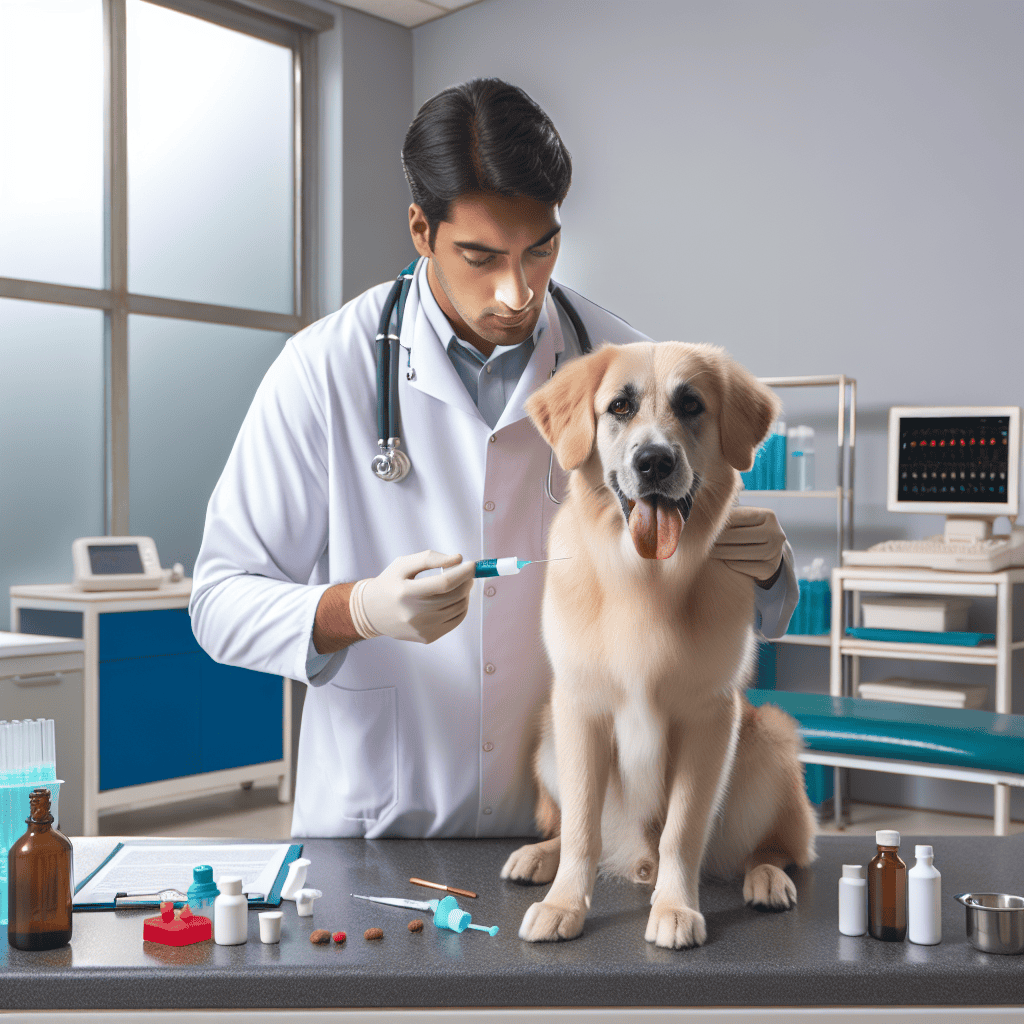
To figure out exactly what your dog is allergic to, your vet might suggest dog allergy testing. This helps pinpoint the specific triggers so you can avoid them and get the right treatment.
Knowing how dog allergies affect health and understanding the immune response can make a world of difference. By staying on top of things and getting vet care when needed, you can help your dog live a happier, itch-free life.