 11
11

Grapes and raisins may seem harmless to humans, but they can be extremely dangerous for dogs. Regardless of breed, sex, or age, dogs should never consume grapes or raisins. Even a single grape or raisin can lead to life-threatening acute kidney failure in dogs. As a responsible dog owner, it is crucial to understand the risks associated with dogs eating grapes and take necessary precautions to keep them safe.
It is still unclear what exact substance in grapes and raisins is toxic to dogs. Researchers have proposed various theories, but a definitive cause has not been identified yet. What we do know is that both fresh and dried grapes can harm a dog’s kidneys, making them highly dangerous if ingested.
The exact cause of grape and raisin toxicity in dogs is still unknown. While researchers have proposed various theories, such as mycotoxins, salicylates, or tartaric acid, no definitive substance has been identified as the primary toxic agent. However, studies have consistently shown that both fresh and dried grapes can cause kidney damage and potentially lead to kidney failure in dogs, making them highly dangerous for consumption.
Despite the lack of certainty regarding the precise toxic substance, it is crucial for dog owners to recognize the potential risks associated with grapes and raisins and take preventive measures to safeguard their pets’ health.
“The exact cause of grape and raisin toxicity in dogs remains elusive, but the evidence is clear: these fruits can have devastating effects on a dog’s kidneys.”
Grape toxicity is not limited to a specific grape variety, breed, sex, or age of a dog, making it imperative for all dog owners to be aware of the potential dangers. Even small amounts of grapes or raisins can have severe consequences, highlighting the importance of vigilance and caution when it comes to exposing dogs to these fruits.
Various clinical studies have demonstrated the harmful effects of grape consumption in dogs, particularly on their kidneys. These studies have reported instances of acute kidney injury and renal failure in dogs that have ingested grapes or raisins. The severity of the renal damage can vary depending on factors such as the size of the dog, the amount ingested, and individual susceptibility.
While the exact mechanism of kidney damage remains unclear, it is believed to involve a combination of factors such as oxidative stress, inflammation, and direct toxicity to renal tubular cells.
To protect our beloved canines from the risks associated with grape toxicity, it is essential to adhere to the following safety measures:
Dog owners should be vigilant for signs of grape poisoning in their pets. When a dog ingests grapes or raisins, it can lead to a range of symptoms that indicate toxicity. Recognizing these signs is crucial for prompt veterinary attention and appropriate treatment.
One of the early signs of grape ingestion in dogs is a sudden loss of appetite. If your dog shows a disinterest in food or refuses to eat, it could be a potential indication of grape toxicity.
Dogs that have consumed grapes might exhibit lethargy or unusual tiredness. They may appear unusually weak, lack energy, and spend more time sleeping or resting than usual.
Grape toxicity in dogs often manifests in gastrointestinal symptoms. Vomiting and diarrhea can occur as the body attempts to eliminate the toxins present in grapes or raisins. It is important to monitor the frequency and severity of these symptoms and seek veterinary guidance accordingly.
If your dog experiences abdominal pain after grape ingestion, they may show signs of discomfort or distress. Common indications include restlessness, whimpering, reluctance to move or be touched, or a hunched posture.
Grapes and raisins can cause dehydration in dogs, leading to dry mouth, excessive thirst, and decreased skin elasticity. If you notice these symptoms, it is crucial to seek immediate veterinary attention to prevent further complications.
Grape toxicity can affect a dog’s urinary system, resulting in increased thirst and reduced urine production. Dogs may drink more water than usual, yet produce smaller amounts of urine or experience difficulties in urination.
In severe cases of grape ingestion, dogs can develop acute kidney failure. This is a life-threatening condition that requires immediate veterinary intervention. Some signs of kidney failure include weakness, pale gums, increased breathing rate, and changes in urination patterns.
If your dog displays any of these symptoms after ingesting grapes or raisins, it is crucial to seek immediate veterinary attention. Do not wait for symptoms to worsen or delay treatment, as early intervention can greatly improve the chances of a positive outcome.
If a dog consumes grapes or raisins, it is crucial to contact a veterinarian immediately. The vet may recommend inducing vomiting to remove the toxins, but this should not be done if the dog is unconscious, having trouble breathing, or exhibiting signs of distress. Prompt veterinary treatment is essential to prevent further complications and kidney damage.
Inducing Vomiting: It is necessary to note that inducing vomiting should only be done under veterinary supervision. The veterinarian will assess the dog’s condition and determine whether it is safe to induce vomiting. It is not recommended to induce vomiting if the dog is showing severe symptoms or is in a critical state.
Once at the veterinary clinic, the dog will receive immediate care, including intravenous fluids to flush out the toxins and support kidney function. Monitoring kidney function is crucial to assess the extent of damage and guide further treatment. Depending on the severity of the grape toxicity, additional therapies such as activated charcoal administration may be employed to absorb any remaining toxins in the dog’s gastrointestinal tract.
It is important for dog owners to understand that treating grape toxicity requires professional veterinary care. Home remedies or delaying treatment can significantly increase the risk of kidney failure and worsen the prognosis for the dog. Veterinary treatment for grape poisoning aims to minimize the absorption of toxins, manage kidney function, and alleviate symptoms to promote a successful recovery.
If a dog has ingested grapes or raisins and promptly received veterinary treatment, it is crucial to carefully follow the veterinarian’s instructions for home care. This may involve administering medications, providing a specific diet, monitoring urine output, or scheduling follow-up appointments for bloodwork to assess kidney function.
Owners should provide a safe and quiet environment for their dog to rest and recover. Limit physical activity during the recovery period, as excessive movement can put additional strain on the kidneys. Regularly monitor the dog for any recurrence of symptoms or changes in behavior, and contact the veterinarian if any concerns arise.
| Treatment Option | Description |
|---|---|
| Inducing vomiting | This procedure may be recommended to remove grapes or raisins from the dog’s stomach, but only under veterinary supervision. It is not suitable for all dogs, particularly those in critical condition. |
| Intravenous fluids | Administering fluids directly into the dog’s vein helps to flush out toxins from the bloodstream and support kidney function. |
| Monitoring kidney function | Regular blood tests and urine analysis are essential to assess kidney function and detect any signs of kidney damage. |
| Activated charcoal administration | Activated charcoal may be given to adsorb any remaining toxins in the dog’s gastrointestinal tract, preventing further absorption into the bloodstream. |
Providing the necessary veterinary care promptly and adhering to the prescribed treatment plan will give the dog the best chance of recovery. Remember, early intervention is key to preventing further complications and ensuring the dog’s well-being.
Unfortunately, even a single grape can be lethal for a dog. The ingestion of one grape or raisin can potentially lead to acute kidney failure, making it crucial to keep grapes and raisins completely out of a dog’s reach.
The severity of the reaction can vary from dog to dog, so no amount of grapes or raisins is considered safe. It’s important to understand the fatal risks of a single grape for dogs and take preventive measures to ensure their well-being.
“Even though it may seem harmless, one grape can have devastating effects on a dog’s health,” says Dr. Emily Miller, a renowned veterinarian. “Dogs have shown to develop acute kidney failure after ingesting just one grape, leading to life-threatening complications.”
When a dog ingests a grape, it can elicit various symptoms that indicate grape toxicity. These symptoms include:
If your dog exhibits any of these symptoms after consuming a grape, it’s crucial to seek immediate veterinary attention. Early intervention is key to preventing further complications and possible kidney failure.
Avoiding situations where a dog can access grapes or raisins is the best way to prevent grape toxicity. Keep these toxic foods safely stored in a dog-proof location, and educate all household members about the dangers of grapes for dogs.
Remember that dogs can be curious, so it’s important to be vigilant about potential sources of grape ingestion. This includes keeping baked goods, cereals, and seasonal foods like mince pies and Christmas cakes out of reach.
To prevent grape toxicity in dogs, it is essential to keep grapes, raisins, and any foods containing them out of a dog’s reach. These fruits can pose significant dangers to our canine companions, so it’s crucial to take preventive measures to ensure their safety.
It’s important to educate all household members about the dangers of grapes for dogs. Make sure everyone understands that grapes and raisins should never be given to dogs as treats or snacks. By raising awareness and ensuring everyone is on the same page, you can create a safer environment for your furry friend.
Keep an eye out for potential sources of grape ingestion. Grapes and raisins can be found in various foods, including baked goods, cereals, and seasonal treats like mince pies and Christmas cake. Make sure these items are securely stored and inaccessible to your dog.
“Being proactive in preventing grape ingestion is key to keeping dogs safe and healthy.”
If you want to treat your dog to a fruity snack, there are dog-safe alternatives available. Many fruits, such as apple slices or blueberries, can be a healthier and safer option for dogs. Just remember to remove any seeds, pits, or cores that may present a choking hazard.
By following these preventive measures, you can help ensure that your furry companion stays safe from the dangers of grape toxicity.
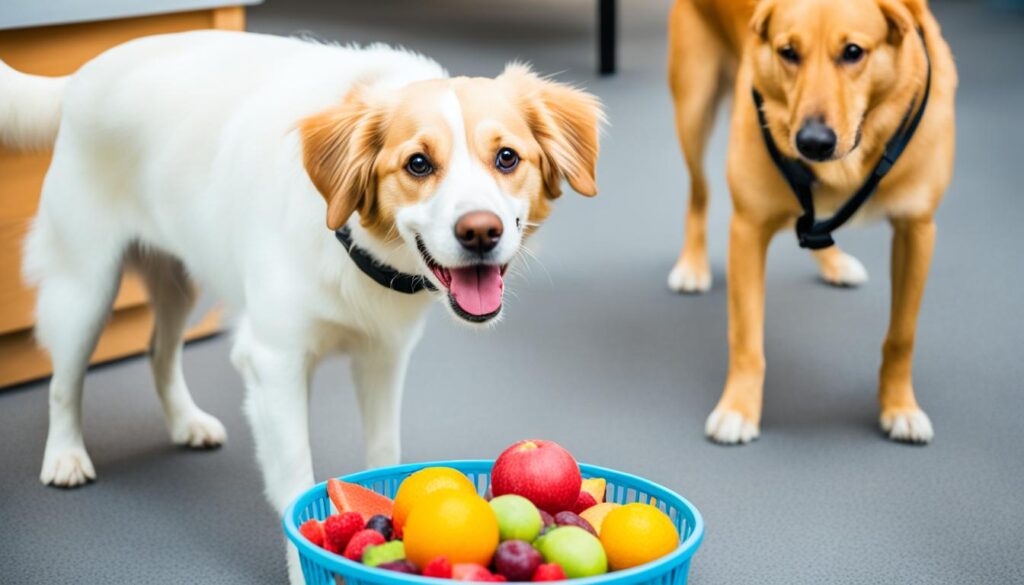
“Prevention is the key to keeping our dogs safe from the dangers of grapes and raisins.”
In addition to grapes and raisins, there are several other foods that can be toxic to dogs. It is essential for dog owners to be aware of these potential hazards and keep them away from their pets. Here are some common foods that should never be fed to dogs:
These are just some examples of foods that can be toxic to dogs. If you suspect that your dog has ingested any of these substances or is showing signs of poisoning, it is important to contact your veterinarian immediately for appropriate guidance and treatment.
While there have been anecdotal cases of cats and ferrets developing kidney injury after ingesting grapes or raisins, the true toxicity risk for these animals is unknown. It is recommended to avoid giving grapes, raisins, or currants to cats and ferrets as a precautionary measure. If there is any suspicion of ingestion, immediate veterinary attention should be sought.
Grape toxicity in cats and ferrets is a concerning issue. Although research on the subject is limited, there have been reported cases suggesting a link between grape ingestion and kidney injury in these animals. However, due to the lack of extensive studies, the exact risk associated with grapes remains uncertain. Therefore, it is advisable for cat and ferret owners to err on the side of caution and avoid feeding them grapes, raisins, or currants.
Immediate veterinary attention is crucial in cases of suspected grape ingestion by cats or ferrets. Early intervention can help mitigate potential health complications and provide the best chance of a positive outcome.
If your dog eats grapes or raisins, immediate action is crucial to ensure their safety and well-being. Follow these steps to respond effectively:
As soon as you suspect or confirm that your dog has ingested grapes or raisins, contact your veterinarian without delay. Inform them about the situation and seek their professional advice on the necessary next steps.
Your veterinarian will provide specific guidance based on the severity of the ingestion and your dog’s overall health condition. They may advise inducing vomiting, especially if the grape ingestion occurred within the past few hours. However, inducing vomiting should not be done without professional supervision, especially if your dog is unconscious, having difficulty breathing, or showing signs of distress.
Be prepared to provide your veterinarian with details such as the approximate quantity of grapes consumed, the type of grapes (green, red, etc.), and the time of ingestion. This information will assist them in assessing the potential harm caused and deciding on the best course of action.
Ensure you strictly follow the veterinarian’s instructions for further treatment, monitoring, or observation. They may advise bringing your dog in for a physical examination, administering specific medications or treatments, or monitoring their kidney function closely.
Keep a close eye on your dog for any signs of grape toxicity, which may include vomiting, diarrhea, abdominal pain, lethargy, decreased urine production, increased thirst, or other unusual behavior. Promptly report any new or worsening symptoms to your veterinarian.
In addition to veterinary treatment, offer your dog supportive care to aid their recovery. This may include ensuring they have access to fresh water, providing a calm and quiet environment, and offering a bland diet as recommended by your veterinarian.
Above all, remember that time is of the essence when it comes to grape ingestion in dogs. Acting swiftly and consulting with a veterinary professional can significantly increase the chances of a positive outcome.
| Actions to Take After a Dog Eats Grapes | Steps to Follow if a Dog Ingests Grapes | First Aid for Grape Ingestion in Dogs |
|---|---|---|
| Contact Your Veterinarian Immediately | Follow Veterinary Instructions | Provide Necessary Information |
| Adhere to Professional Recommendations | Stay Alert for Symptoms | Provide Supportive Care |
The prognosis for dogs with grape toxicity depends on several factors, including the amount ingested, the time from ingestion to treatment, the presence of symptoms, and any pre-existing kidney disease. Dogs that receive prompt veterinary care before symptoms develop have a better prognosis and a higher chance of recovery.
Treatment for grape poisoning in dogs may involve various interventions to minimize the toxicity and mitigate the effects on the kidneys. If a dog has recently ingested grapes or raisins, the veterinarian may recommend inducing vomiting to remove any remaining grapes from the stomach. However, if the dog is unconscious, having trouble breathing, or showing signs of distress, inducing vomiting is not advisable.
Once at the veterinary clinic, the dog’s condition will be closely monitored. Intravenous fluid therapy is typically initiated to provide supportive care and flush out the toxins from the bloodstream. The fluids also help maintain hydration and support kidney function. In severe cases, additional treatments like diuretics or medications may be administered to manage kidney failure and prevent complications.
During the treatment process, the veterinarian will monitor the dog’s kidney function through blood tests and urinalysis. This ongoing monitoring is essential to assess the progress of the dog’s recovery and make any necessary adjustments to the treatment plan.
Several factors play a role in determining the prognosis for dogs with grape toxicity:
Seeking immediate veterinary care is vital if a dog ingests grapes or raisins. The veterinarian will evaluate the dog’s condition, assess the risk, and devise an appropriate treatment plan. The goal is to minimize the toxicity and provide supportive care to help the dog’s kidneys recover.
Preventative measures, such as inducing vomiting and administering intravenous fluids, form the basis of veterinary care for grape ingestion. Close monitoring of kidney function and laboratory tests help track the dog’s progress and determine the effectiveness of the treatment.
| Treatment Steps for Grape Poisoning | Prognosis Factors |
|---|---|
| 1. Contact a veterinarian immediately. | Amount of grapes ingested |
| 2. Follow the veterinarian’s advice for inducing vomiting, if applicable. | Time from ingestion to treatment |
| 3. Take the dog to the veterinary clinic for further evaluation and treatment. | Presence of symptoms |
| 4. Receive intravenous fluid therapy to support kidney function. | Pre-existing kidney disease |
| 5. Undergo monitoring of kidney function through blood tests and urinalysis. |
Grape and raisin toxicity in dogs is a serious health risk that can lead to acute kidney failure. It is imperative for dog owners to recognize the dangers and take necessary precautions to ensure that their pets do not ingest these harmful fruits. Even a single grape can be fatal for a dog, emphasizing the importance of keeping grapes and raisins completely out of their reach. Vigilance and proper education are key in preventing grape toxicity in dogs.
If a dog ingests grapes or raisins, immediate veterinary attention is crucial. Contacting a veterinarian is essential for prompt and appropriate treatment. Inducing vomiting may be recommended in some cases, but only under the guidance of a professional. Veterinary professionals can provide the necessary care, including intravenous fluids and monitoring of kidney function, to prevent further complications and minimize damage.
For further information and resources on grape toxicity in dogs, dog owners can consult veterinary professionals or access online sources such as the Pet Poison Helpline. These resources can provide valuable guidance, preventive measures, and additional insights into grape and raisin toxicity in dogs. By staying informed and proactive, dog owners can help safeguard their furry companions from this potentially life-threatening health risk.
No, grapes are highly toxic to dogs and can cause acute kidney failure, even in small amounts. It is crucial to keep grapes and raisins away from dogs at all times.
The exact cause of grape toxicity in dogs is still unknown, but studies have shown that both fresh and dried grapes can cause kidney damage. The substances in grapes that are toxic to dogs have not been definitively identified.
Signs of grape poisoning in dogs can include loss of appetite, lethargy, vomiting, diarrhea, abdominal pain, dehydration, increased thirst, decreased urine production, and kidney failure.
If a dog consumes grapes or raisins, it is crucial to contact a veterinarian immediately. The vet may recommend inducing vomiting to remove the toxins and will provide further treatment options, including intravenous fluids and monitoring kidney function.
Yes, even a single grape can be fatal for a dog. It is important to keep grapes and raisins completely out of a dog’s reach to prevent any risk of toxicity.
To prevent grape toxicity, keep grapes, raisins, and any foods containing them away from your dog. Educate all household members about the dangers of grapes for dogs and be vigilant about potential sources of grape ingestion.
In addition to grapes and raisins, other foods that are toxic to dogs include onions, garlic, alcohol, chocolate, coffee, macadamia nuts, raw bread/pizza dough, foods with xylitol, salt, moldy food, and certain edibles.
While the true toxicity risk for cats and ferrets is unknown, it is recommended to avoid giving grapes, raisins, or currants to them as a precaution. If there is any suspicion of ingestion, immediate veterinary attention should be sought.
If your dog eats grapes, contact your veterinarian immediately. They will provide guidance on whether to induce vomiting or recommend other steps based on the situation. Prompt professional help is crucial for a positive outcome.
The prognosis for dogs with grape toxicity depends on various factors, including the amount ingested, time from ingestion to treatment, presence of symptoms, and pre-existing kidney disease. Treatment often involves decontamination, intravenous fluid therapy, and ongoing monitoring of kidney function.
Yes, additional information and resources can be found through veterinary professionals or online sources such as Pet Poison Helpline, which provide comprehensive guidance on grape toxicity and other potential hazards for dogs.