 11
11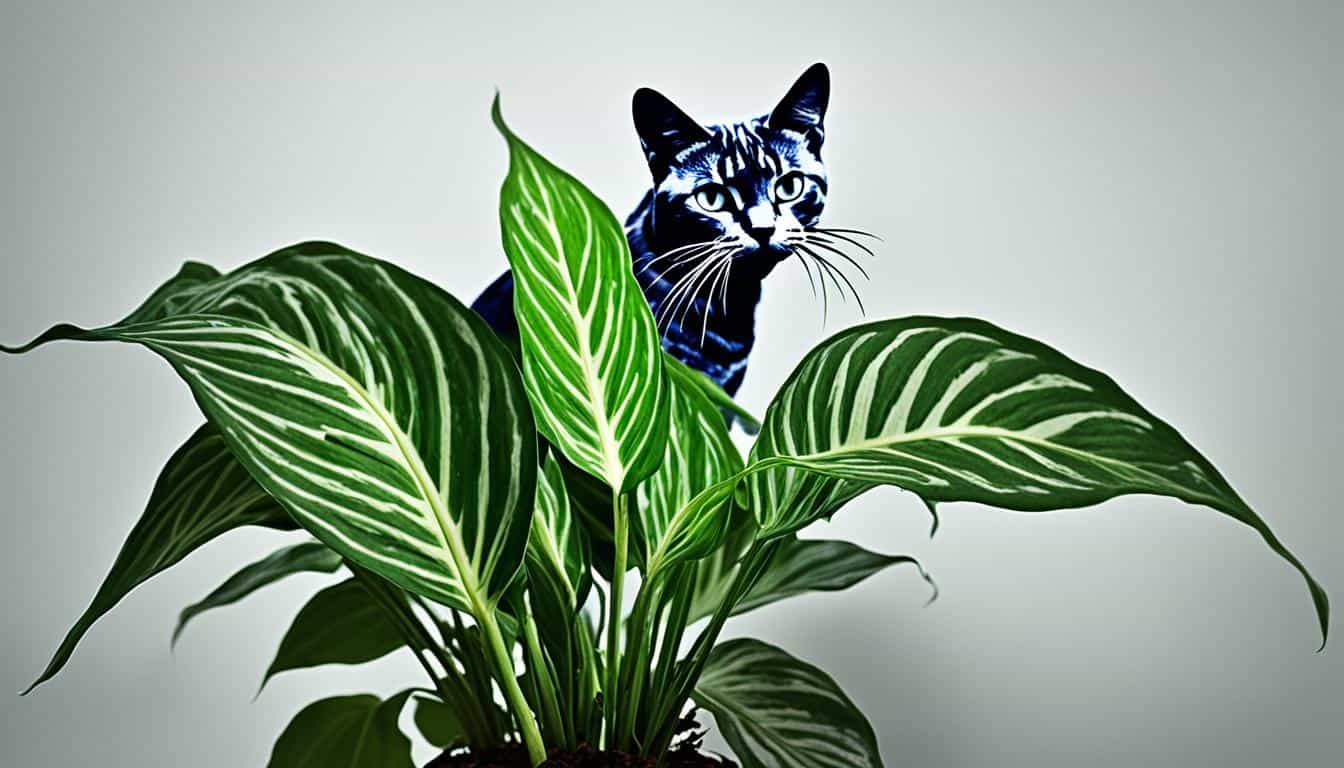

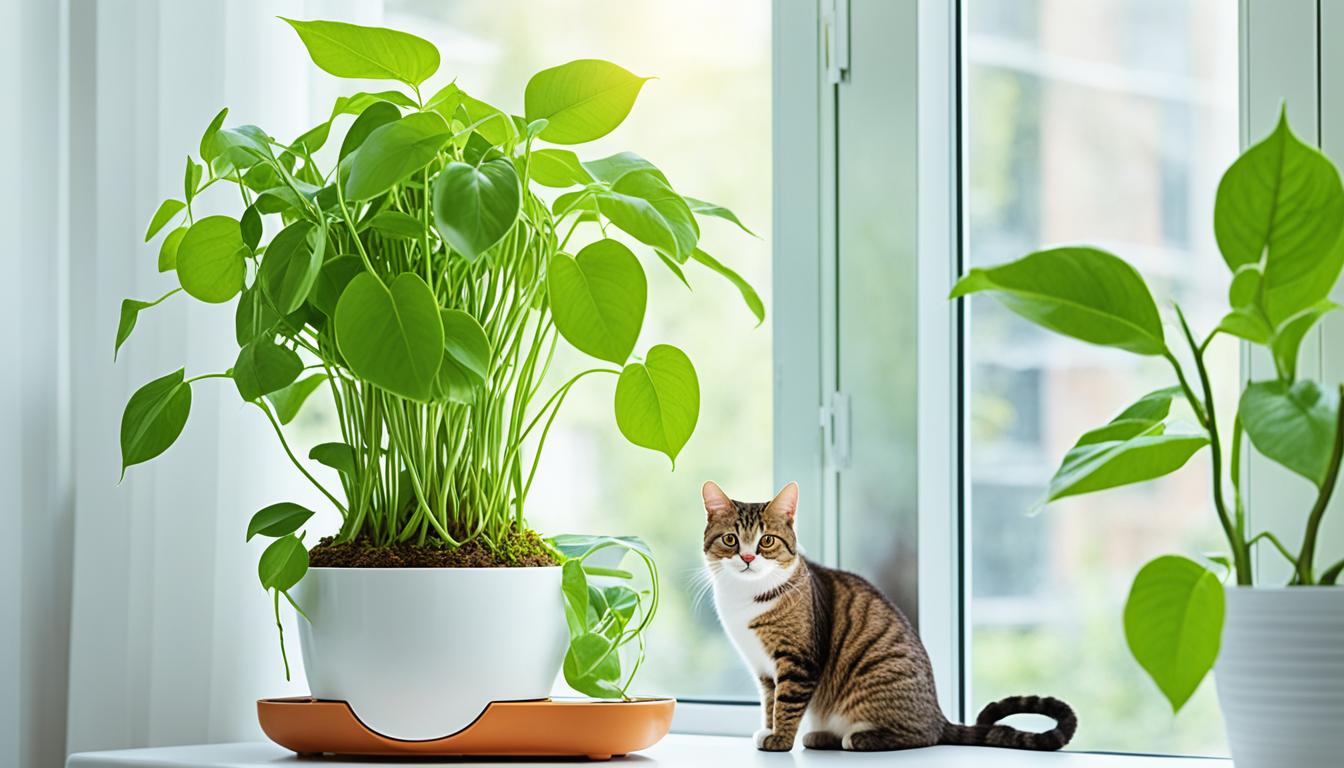
Dumb cane (Dieffenbachia seguine) is a popular houseplant known for its attractive foliage and tolerance for low light. However, it can be toxic to cats if ingested. The plant’s leaves contain stinging crystals called raphides, composed of calcium oxalate. When chewed or ingested, these crystals and the sap can irritate a cat’s mucous membranes, causing swelling, inflammation, and discomfort in the tongue and throat. While not usually deadly, dumb cane ingestion can still pose risks to cats and should be avoided.
Cats can be attracted to the taste and texture of dumb cane leaves, leading to potential ingestion and toxicity. When cats chew or swallow dumb cane, it can have harmful effects on their health and well-being. It is important for cat owners to be able to identify the symptoms of dumb cane poisoning in cats to ensure timely intervention. Common signs of dumb cane poisoning may include:
If you observe any of these symptoms in your cat and suspect dumb cane ingestion, it is crucial to take prompt action. Immediate veterinary care is recommended to assess the severity of the situation and determine the appropriate treatment.
“Cats can be attracted to the taste and texture of dumb cane leaves, leading to potential ingestion and toxicity.”
Identifying dumb cane toxicity in cats can be challenging, as the symptoms may vary in severity depending on the extent of the exposure and the individual cat’s sensitivity. However, if you suspect that your cat has been exposed to dumb cane, it is essential to consider the following:
Remember, early recognition and intervention are key to mitigating the risks associated with dumb cane poisoning. By being vigilant and proactive, you can help protect your cat’s health and well-being.
| Symptoms of Dumb Cane Poisoning in Cats | Actions to Take |
|---|---|
| Drooling | Seek immediate veterinary care |
| Pawing at the mouth | Contact a veterinarian for guidance |
| Oral pain | Bring your cat to a veterinary professional |
| Decreased appetite | Monitor closely and consult a vet if necessary |
| Vomiting | Seek veterinary assistance |
| Difficulty swallowing (in severe cases) | Take your cat to a vet immediately |
Remember, when it comes to dumb cane poisoning in cats, it is always better to err on the side of caution and seek professional guidance. Your veterinarian will provide the best course of action based on your cat’s specific situation.
To keep cats safe from the harmful effects of dumb cane, it is essential to take preventive measures and minimize the risk of accidental ingestion. One of the most effective strategies is to ensure that cats do not have access to the plant. There are a few key steps you can take to achieve this:
Remember, prevention is the best course of action when it comes to protecting your cat from dumb cane toxicity.
In addition to minimizing exposure to dumb cane, it is also important to educate yourself about other plants that are toxic to cats. By being aware of these toxic plants, you can ensure that your home only contains cat-safe houseplants. This proactive approach will help safeguard your cat’s health and well-being.
While dumb cane is a known toxic plant for cats, there are several other common houseplants that can be harmful if ingested. Some examples include:
Being informed about these toxic plants will help you create a safer environment for your cat.
Ensuring that your home is filled with cat-safe houseplants is an important part of creating a cat-friendly environment. Not only will this help protect your cat from potential toxicities, but it will also provide them with a safe and enriching space.
When selecting houseplants, consider incorporating cat-safe options such as:
– Spider plants (Chlorophytum comosum)
– Boston ferns (Nephrolepis exaltata)
– Areca palms (Dypsis lutescens)
These plants are not only safe for cats but can also help purify the air in your home.
By taking proactive measures to prevent access to toxic plants and selecting cat-safe alternatives, you can create a living environment that supports the health and happiness of your feline companion.
If you suspect that your cat has ingested dumb cane, immediate veterinary care is crucial. The veterinarian will assess the severity of the ingestion and determine the appropriate treatment plan. Prompt intervention is essential in minimizing the potential harm caused by dumb cane toxicity.
In cases of dumb cane ingestion, the treatment approach typically includes:
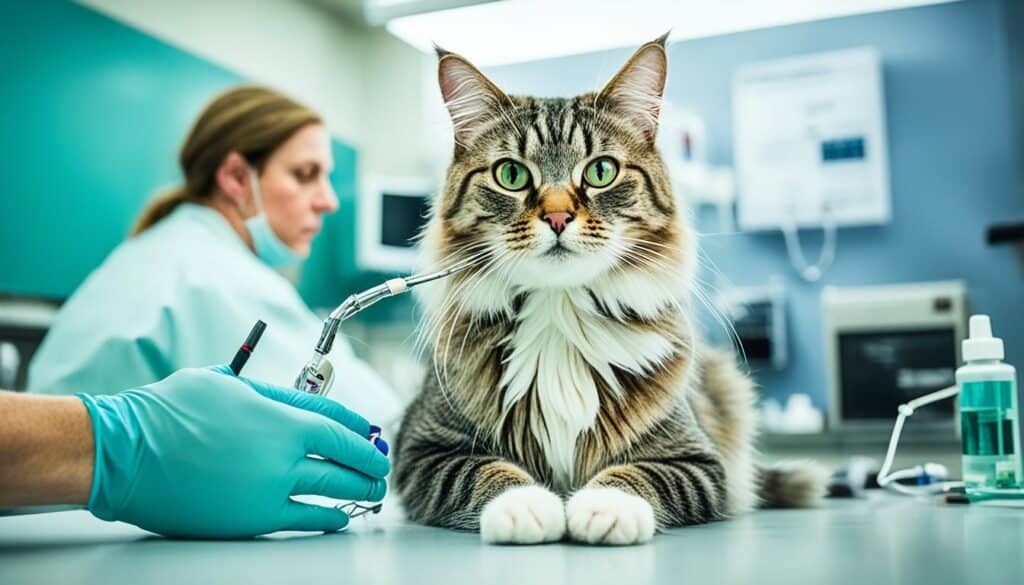
It’s important to note that the specific treatment approach may vary based on the cat’s individual case and the severity of the dumb cane ingestion. Therefore, always consult with a veterinarian for professional guidance.
While dumb cane is a well-known houseplant toxic to cats, there are several other common houseplants that can pose a threat to feline companions. It’s important for cat owners to be aware of these potential dangers to ensure the safety and well-being of their furry friends.
Aloe (Aloe vera) plants are popular for their soothing gel and healing properties but can cause gastrointestinal upset and diarrhea in cats if ingested. Keep these plants out of reach to prevent any accidental nibbling.
Asparagus fern (Asparagus densiflorus) is a decorative plant with delicate foliage, but its berries are toxic to cats and can cause gastrointestinal symptoms such as vomiting and diarrhea. Be cautious when decorating with this plant.
Cyclamen (Cyclamen spp.) is a beautiful flowering plant, but its tubers are toxic to cats and can cause vomiting, diarrhea, and even heart rhythm abnormalities. Keep these plants away from curious feline companions.
Dracaena plants, including Dracaena marginata and Dracaena fragrans, are popular indoor plants with long, sword-shaped leaves. However, the leaves and sap of these plants can cause nausea, vomiting, and drooling in cats. Ensure these plants are placed in areas where cats cannot access them.
Jade (Crassula ovata), also known as the money plant or friendship tree, is a succulent that is toxic to cats when ingested. It can cause vomiting, lethargy, and in severe cases, kidney failure. Keep jade plants out of reach of curious cats.
Lilies (Lilium spp. and Hemerocallis spp.) are highly toxic to cats and can cause irreversible kidney damage if ingested. Even small amounts, such as licking the pollen or drinking water from a vase containing lilies, can be deadly to cats. Avoid keeping lilies in any household with cats.
Remember, these are just a few examples of common houseplants toxic to cats. It’s important to do thorough research or consult with a veterinarian to ensure the plants in your home are safe for your feline companions.
Creating a cat-friendly environment involves not only avoiding toxic plants but also providing plenty of safe and engaging alternatives for cats to enjoy. Consider incorporating cat-friendly plants such as catnip, cat grass, or spider plants to enhance your cat’s environment without compromising their safety.
| Houseplant | Toxicity to Cats |
|---|---|
| Aloe | Gastrointestinal upset |
| Asparagus Fern | Gastrointestinal symptoms |
| Cyclamen | Vomiting, diarrhea, heart rhythm abnormalities |
| Dracaena | Nausea, vomiting, drooling |
| Jade | Vomiting, lethargy, kidney failure |
| Lilies | Kidney damage, potentially fatal |
Cats are curious creatures that often explore their surroundings, including plants. Unfortunately, some plants can be toxic to cats, leading to potential poisoning if ingested. It is crucial for cat owners to recognize the signs of plant poisoning in cats to ensure prompt and appropriate action.
When a cat has been poisoned by a plant, they may exhibit various symptoms. These can include:
Some plants can cause more severe reactions, affecting vital organs such as the kidneys, heart, or respiratory system. It is essential to be observant and knowledgeable about potential plant toxicities to promptly recognize and address any signs of plant poisoning in cats.
“Being aware of the signs of plant poisoning in cats can be life-saving. Any unusual symptoms should never be ignored, especially if the cat has had access to plants.”
If you suspect that your cat has ingested a toxic plant, seek immediate veterinary care. The veterinarian can assess the situation and provide the necessary treatment. Time is of the essence when it comes to plant poisoning, and delaying seeking help may worsen the cat’s condition. When visiting the veterinarian, provide accurate information about the potentially toxic plant they were exposed to, as it will help in determining the appropriate course of action.
Remember, prevention is always better than cure. It is important to create a safe environment for cats, free from toxic plants. Regularly inspect your home and garden for any potentially harmful plants and remove them or place them out of your cat’s reach. This will significantly reduce the risk of plant poisoning.
By staying vigilant and proactive, you can protect your beloved feline companion from the dangers of plant poisoning and ensure their well-being.
To ensure the safety and well-being of your feline companion, it is crucial to take preventive measures to protect them from plant toxicity. By creating a cat-safe environment both indoors and outdoors, you can minimize the risk of your cat coming into contact with harmful plants and prevent potential poisoning.
Start by identifying and removing any toxic plants from areas accessible to your cat. Common plants that are toxic to cats include lilies, sago palm, aloe vera, and jade plants. Check the ASPCA website or consult with your veterinarian for a comprehensive list of toxic plants to be aware of.
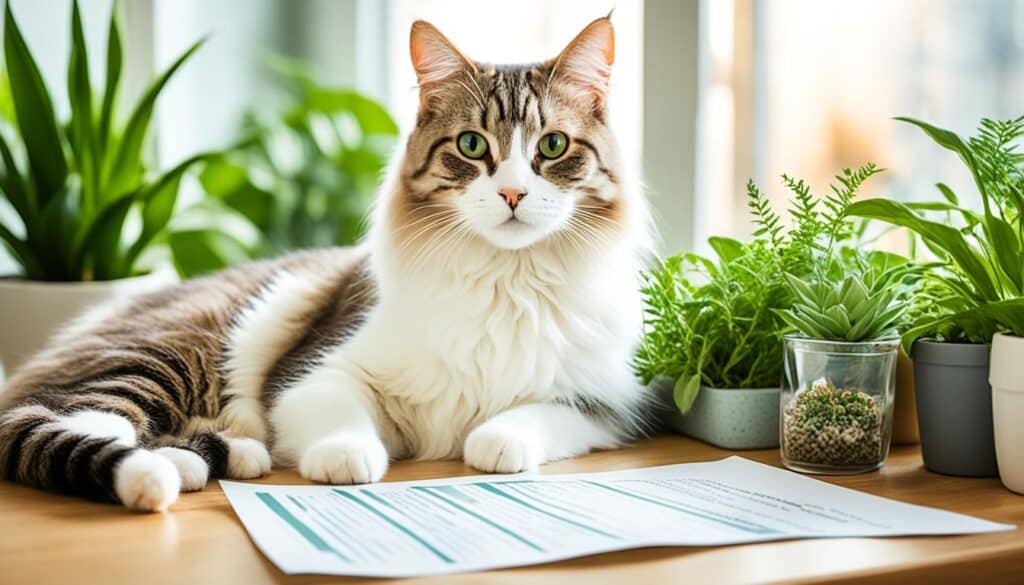
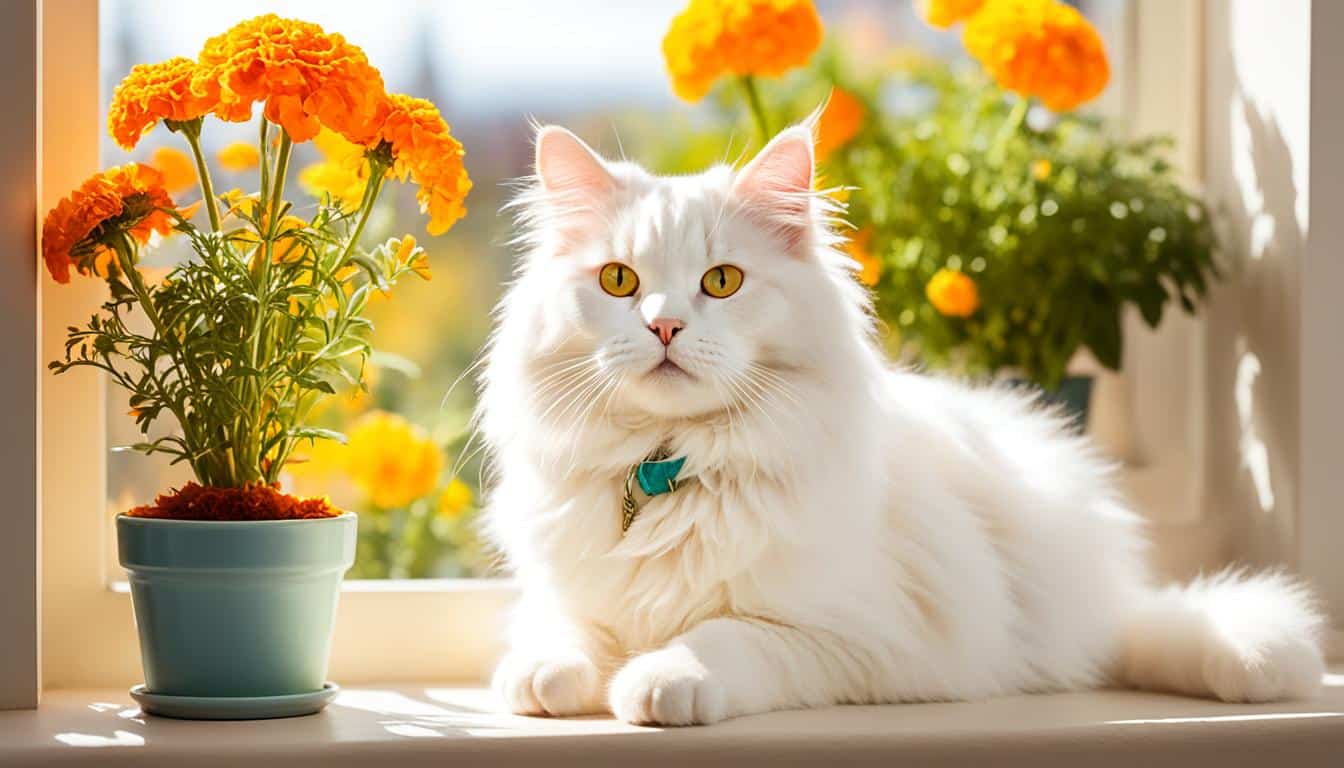
Replace toxic plants with cat-safe alternatives to ensure their well-being. There are numerous non-toxic houseplants available, such as spider plants, Boston ferns, and marigolds, that can add beauty to your home without posing a risk to your cat. Research cat-friendly plants and select ones that are safe and visually appealing.
If you have a garden or outdoor space, it is essential to secure it with cat-proof fencing. This prevents cats from accessing potentially harmful plants in the neighborhood. Ensure the fences are high enough and have no escape routes to keep your cat from wandering into neighboring gardens that may contain toxic plants.
When practicing gardening, avoid using pesticides, insecticides, and herbicides that can be toxic to cats. Opt for organic alternatives or natural deterrents to keep your garden free from pests. Regularly inspect your garden for any toxic plants that may have sprouted and promptly remove them to maintain a cat-safe environment.
It is important to educate yourself about plant toxicities and stay updated on the latest information. Awareness of potential dangers and how to prevent them is key to protecting your cat. Share your knowledge with fellow cat owners, and consider posting warning signs if you have toxic plants in your garden, especially if it is visible from public spaces.
By implementing these preventive measures, you can help safeguard your cat from plant toxicity and provide them with a safe and enjoyable environment. Taking proactive steps to create a cat-safe space demonstrates your commitment to their well-being and ensures they can explore and thrive without the risk of plant-related poisoning.
Although the ingestion of toxic plants by cats is relatively rare, certain factors can increase the risk. Curiosity, especially in kittens, and boredom in confined indoor cats may lead them to explore and potentially ingest plants that can be harmful. Cat owners need to be aware of the potential risks associated with plant poisoning to ensure the safety of their feline companions. Taking preventive measures is crucial in safeguarding cats from the dangers of plant toxicity.
If poisoning is suspected, immediate action is necessary. Seeking veterinary care promptly is essential for accurate diagnosis and appropriate treatment. Providing the veterinarian with accurate information about the toxic plant ingested can aid in effective intervention. Remember, quick response and professional guidance can play a vital role in the well-being and recovery of cats affected by plant poisoning.
Cat owners should be mindful of their feline friends’ surroundings, both indoors and outdoors. Creating a safe environment by removing or securely isolating toxic plants can prevent accidental ingestion. It is advisable to educate yourself about the plants that pose a risk to cats and select non-toxic alternatives. By being proactive, you can significantly reduce the chances of plant poisoning in your beloved cats.
“Prevention is key when it comes to protecting cats from the risks of plant poisoning. Awareness, vigilance, and providing a safe environment are the best tools we have as cat owners to keep our furry friends healthy and happy.”
Raising awareness and educating cat owners about plant toxicity is crucial in preventing cases of poisoning in cats. By providing information about common toxic plants, their symptoms, and preventive measures, cat owners can make informed decisions about the plants they have in their homes or gardens.
Cat owners can rely on veterinary professionals, online resources, and educational materials to disseminate accurate information and promote the safety of cats when it comes to plant toxicity.
“Education is the key to protecting our feline companions from the dangers of plant toxicity. By understanding which plants are harmful and how to prevent exposure, cat owners can create a safe environment for their beloved pets.”
Recognizing the importance of educating cat owners, veterinary professionals offer valuable guidance on identifying toxic plants, assessing symptoms of poisoning, and implementing preventive measures. Online resources such as reputable websites and forums provide accessible information for cat owners to educate themselves about plant toxicities.
Educational materials, such as brochures or pamphlets, distributed by veterinarians and animal advocacy organizations, serve as tangible resources for cat owners to refer to when selecting plants for their homes or gardens.
Check out this informative infographic that highlights common plants toxic to cats:
| Plant Name | Symptoms of Toxicity |
|---|---|
| Dumb Cane (Dieffenbachia) | Irritation of mouth and throat, drooling, difficulty swallowing |
| Lily | Vomiting, loss of appetite, kidney failure |
| Aloe Vera | Diarrhea, lethargy, tremors |
| Pothos | Oral irritation, vomiting, difficulty swallowing |
Plants listed in this infographic are just a few examples of the many toxic plants that pose a risk to cats. Understanding the potential dangers and educating cat owners about these plants can help prevent accidents and promote cat safety.
Protecting cats from plant toxicity, including the dangers of dumb cane, requires a proactive approach. Cat owners should prioritize cat safety by taking preventive measures to minimize the risks of plant toxicity. This can be achieved by removing toxic plants from their homes and gardens and opting for cat-safe alternatives.
In addition to removing toxic plants, creating a cat-friendly environment is crucial. Ensuring that cats do not have access to potentially harmful plants can greatly reduce the chances of plant ingestion and subsequent poisoning. This can be achieved by securely fencing outdoor areas and placing toxic plants out of reach inside the home.
Recognizing the signs of plant poisoning in cats is essential for prompt action and a better prognosis. Cat owners should be vigilant and familiarize themselves with the symptoms of plant toxicity. Seeking immediate veterinary care when poisoning is suspected can significantly increase the chances of successful treatment and recovery.
By raising awareness, educating cat owners about plant toxicity, and implementing preventive measures, we can create a safe and nurturing environment for our beloved feline companions. Together, we can ensure the well-being and longevity of our cats and provide them with the love and care they deserve.
Yes, dumb cane (Dieffenbachia seguine) can be toxic to cats if ingested.
Dumb cane ingestion can cause irritation, swelling, inflammation, and discomfort in a cat’s tongue and throat.
Symptoms of dumb cane poisoning in cats include drooling, pawing at the mouth, oral pain, decreased appetite, vomiting, and difficulty swallowing.
If you suspect that your cat has ingested dumb cane, seek veterinary care immediately.
To keep your cat safe from dumb cane toxicity, remove the plant from your home or place it in an area that is completely inaccessible to your cat.
Other common houseplants toxic to cats include aloe, asparagus fern, cyclamen, dracaena, jade, and lilies.
Cats may exhibit symptoms such as vomiting, diarrhea, lethargy, lack of appetite, drooling, oral irritation, and gastrointestinal discomfort if poisoned by a plant.
Prevent plant toxicity in cats by removing toxic plants from their environment, choosing non-toxic alternatives, and securely fencing gardens to prevent access to harmful plants.
By raising awareness and educating cat owners about plant toxicity, we can help prevent cases of poisoning in cats and promote their safety.
Create a cat-safe environment by removing toxic plants, selecting cat-safe alternatives, and practicing safe gardening techniques.