 11
11

Feline Cognitive Dysfunction (FCD) is a condition that affects the cognitive function of aging cats. It is characterized by a decline in cognitive abilities, similar to Alzheimer’s disease and senile dementia in humans. In this section, we will explore the definition, causes, prevalence, and symptoms of feline cognitive dysfunction.
Feline Cognitive Dysfunction (FCD) is the result of age-related degeneration of the brain and subsequent death of neurons, which are essential for memory, learning, attention, normal sleep cycles, and spatial awareness. It is sometimes referred to as senility or dementia. The exact cause of FCD is still not fully understood, but it is believed to be associated with the normal aging process and changes in the brain structure over time.
Feline Cognitive Dysfunction is a relatively common condition among senior cats. According to PetMD, more than a quarter of cats aged 11 to 14 show at least one sign of dementia, and half of cats over the age of 15 show signs of cognitive dysfunction. The prevalence of FCD increases with age.
The symptoms of feline cognitive dysfunction can vary from cat to cat. Some common signs include:
It’s important to note that these symptoms can also be indicative of other medical conditions, so it is essential to consult with a veterinarian for an accurate diagnosis. For more details on the signs of feline cognitive dysfunction, refer to our article on cat dementia symptoms.
Understanding the definition, causes, prevalence, and symptoms of feline cognitive dysfunction is the first step in empowering cat owners to recognize and address this condition. In the next section, we will explore the process of diagnosing dementia in cats, including how to recognize signs and the diagnostic process.
Diagnosing dementia, or feline cognitive dysfunction, in cats involves a combination of recognizing signs and undergoing a diagnostic process. Being aware of the signs and symptoms is crucial for early detection and intervention.
Recognizing the signs of dementia in cats can be challenging, as they may vary depending on the individual cat. However, there are some common signs to look out for. According to a veterinary guide on feline dementia, the acronym “DISHA-AL” can help remember the main signs of feline cognitive dysfunction (dvm360). Let’s explore the acronym:
Keep in mind that these signs may overlap with other medical conditions, so it’s important to consult with a veterinarian for an accurate diagnosis. For more detailed information on the signs of dementia in cats, you can visit our article on cat dementia symptoms.
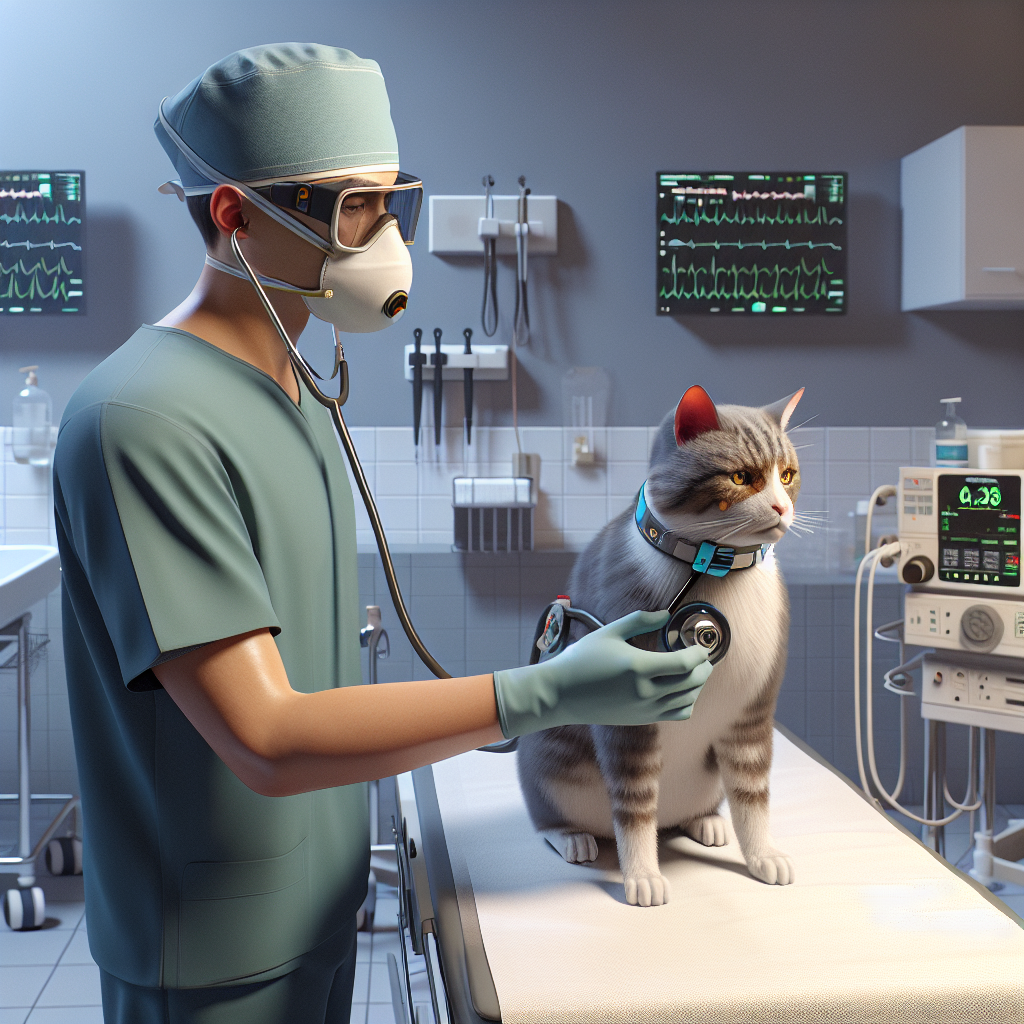
Diagnosing feline cognitive dysfunction involves a comprehensive evaluation by a veterinarian. The diagnostic process typically begins with a thorough physical examination and medical history review. It is essential to rule out other medical conditions that may be contributing to the observed symptoms.
The veterinarian may also conduct additional tests, such as blood work and imaging (e.g., MRI or CT scan), to assess the overall health of the cat and identify any underlying issues that could be causing or contributing to the cognitive dysfunction.
Serial evaluation is crucial when diagnosing feline cognitive dysfunction. This means that the cat’s behavior and cognitive function should be assessed over time to track any changes or progression. It is a diagnosis of exclusion, meaning that other potential causes for the observed symptoms should be ruled out before reaching a diagnosis of dementia.
If you suspect that your cat may be experiencing cognitive dysfunction, it is important to consult with a veterinarian. They can provide guidance on the diagnostic process and recommend appropriate interventions for managing the condition. Remember, early detection and intervention can make a significant difference in the well-being and quality of life of cats with dementia.
When it comes to treating feline cognitive dysfunction, there are various approaches that can help manage the condition and improve the quality of life for affected cats. Treatment options for cat dementia include environmental enrichment, dietary changes, and medication approaches.
Environmental enrichment plays a crucial role in managing cognitive dysfunction in cats. Creating a stimulating and engaging environment can help keep cats mentally active and slow down the progression of the condition. Some strategies for environmental enrichment include:
By implementing these environmental enrichment strategies, cat owners can help stimulate their cats’ cognitive abilities and promote overall well-being.
Dietary modifications can also play a significant role in managing cat dementia. Some dietary changes that may be recommended for cats with cognitive dysfunction include:
It’s important to consult with a veterinarian to determine the most appropriate dietary changes for a cat with cognitive dysfunction.
In some cases, medication may be prescribed to help manage the symptoms of cat dementia. Commonly prescribed medications for cats with cognitive dysfunction include:
It’s essential to work closely with a veterinarian to determine the most appropriate medication approach for a cat with dementia. Regular monitoring and adjustments to the treatment plan may be necessary to ensure optimal results.
By utilizing a multimodal approach that incorporates environmental enrichment, dietary changes, and medication approaches, cat owners can effectively manage the symptoms of feline cognitive dysfunction and improve the well-being of their furry companions.
For more information on the signs and symptoms of cat dementia, please visit our article on cat dementia symptoms.
As cats age, they may experience cognitive dysfunction, also known as feline dementia or feline cognitive dysfunction (CDS). While CDS cannot be cured, there are several strategies that can help reduce the signs and improve the quality of life for affected cats. Managing cognitive dysfunction in cats involves multimodal strategies and close collaboration between veterinarians and owners.
Multimodal management of feline cognitive dysfunction aims to delay the progression of the condition and improve the overall well-being of affected cats. This approach involves combining multiple interventions to address various aspects of the disease. The following strategies are commonly employed:
Environmental Enrichment: Providing a stimulating and enriching environment can help keep the cat’s mind active and engaged. This can include interactive toys, scratching posts, puzzle feeders, and vertical spaces for climbing. Environmental enrichment helps reduce boredom and promotes mental stimulation.
Dietary Changes: Dietary modification can play a role in managing cognitive dysfunction in cats. Certain diets may contain antioxidants and medium-chain triglycerides that can support cognitive function. Additionally, supplements such as SAMe (S-adenosylmethionine) and Aktivait may be recommended to support brain health.
Medication Approaches: While there are no specific medications approved for treating cognitive dysfunction in cats, some drugs that are used in dogs, such as selegiline and propentofylline, may be prescribed on an off-label basis (British Veterinary Association). It is important to note that their use in cats is based on anecdotal reports of positive effects and is not officially licensed. Consulting with a veterinarian is crucial to determine the appropriate medication options for managing cognitive dysfunction in cats.
The management of cognitive dysfunction in cats requires a collaborative effort between veterinarians and owners. Veterinarians play a crucial role in diagnosing the condition, ruling out other underlying causes, and prescribing appropriate treatments. They can tailor the treatment plan to address specific signs and symptoms, such as nighttime vocalization or anxiety (dvm360).
Owners also have a vital role in managing cognitive dysfunction in their cats. They can create a stress-free and enriched environment, ensure easy access to litter boxes, and maintain a routine that minimizes confusion. Regular veterinary check-ups are essential for early detection of any health issues that may contribute to cognitive decline (Cornell Feline Health Center).
By working together, veterinarians and owners can implement a comprehensive management plan that addresses the unique needs of each cat. Regular communication and follow-up visits with the veterinarian are important to monitor the cat’s progress and make any necessary adjustments to the treatment strategy.
Managing cognitive dysfunction in cats requires a holistic approach that combines environmental enrichment, dietary changes, and, in some cases, medication. With the involvement of both veterinarians and owners, it is possible to provide the best possible care and support for cats experiencing cognitive decline.
Understanding the similarities and differences between feline cognitive decline and human cognitive decline can provide valuable insights into the nature of these conditions and guide research and treatment approaches.
Feline cognitive dysfunction shares similarities with human Alzheimer’s disease and senile dementia. Cats with cognitive dysfunction syndrome (CDS) exhibit behavioral abnormalities such as excessive vocalization, altered interaction with owners, changes in sleep-wake cycles, house-soiling, disorientation, alterations in activity, anxiety, and learning/memory deficits. Signs typically become noticeable in cats aged 10 years or older and include spatial disorientation, altered sleep patterns, lack of interest in playing, urinating outside the litter box, and unprompted vocalizing, among others (Cornell Feline Health Center).
Neuropathological changes observed in cats with cognitive dysfunction resemble those found in humans with Alzheimer’s disease and dogs with cognitive dysfunction syndrome, suggesting that domestic cats could serve as a natural model for Alzheimer’s disease studies (British Veterinary Association).
The pathophysiology of feline cognitive dysfunction involves compromised blood flow, chronic inflammation, oxidative damage, and inefficient free radical scavenging in the brain, resulting in plaques of beta-amyloid protein surrounding neurons and neuronal dysfunction and death. Another documented change is tau protein hyperphosphorylation, similar to what is seen in humans with Alzheimer’s disease. The condition may also involve reduced production and/or metabolism of neurotransmitters like serotonin, GABA, norepinephrine, dopamine, and acetylcholine, affecting various functions such as movement, mood, memory, and appetite.
Studying feline cognitive dysfunction provides valuable insights into cognitive decline and dementia in humans. Cats with cognitive dysfunction can serve as a natural model for Alzheimer’s disease studies (British Veterinary Association). Research efforts focus on understanding the underlying mechanisms, identifying biomarkers, and developing effective treatment strategies for both humans and cats.
Treatment approaches for feline cognitive dysfunction involve a multimodal approach that includes environmental enrichment, dietary changes, and medication (Cornell Feline Health Center). Environmental enrichment aims to provide mental stimulation and physical exercise, which can help improve cognitive function and overall well-being. Dietary changes may involve the addition of antioxidants, omega-3 fatty acids, and other nutrients that support brain health. Medications, such as selegiline, may be prescribed to enhance neurotransmitter function and improve cognitive function.
By comparing feline and human cognitive decline, researchers and healthcare professionals can gain a better understanding of these conditions and develop effective strategies to prevent, diagnose, and treat cognitive dysfunction in both cats and humans. Ongoing research continues to explore the intricate mechanisms underlying cognitive decline and dementia, paving the way for advancements in treatment and care for both species.
While feline cognitive dysfunction cannot be fully prevented, there are certain measures cat owners can take to promote healthy brain aging and potentially delay the onset of dementia in their feline companions. Two important preventive measures include increasing aging awareness and maintaining regular health monitoring.
Cats, like humans, experience changes in cognitive function as they age. Cats aged between 11 and 14 years are considered “senior,” while cats aged 15 years and over are termed “super senior” (International Cat Care). Being aware of your cat’s age and understanding that senior and super senior cats may be more prone to cognitive decline can help you recognize potential signs and seek appropriate care.
It’s important to note that the increase in the cat population in U.S. households, currently at about 94 million cats, is partly due to cats living longer lives, with some reaching ages equivalent to 96 to 100 years in humans. This longevity is attributed to improved home care, better nutrition, advances in veterinary medicine, and other factors (Cornell Feline Health Center). By acknowledging the aging process and understanding the potential impact on your cat’s cognitive health, you can be proactive in providing appropriate care and support.
Cognitive dysfunction in cats can be linked to various physical conditions common in older cats, such as arthritis, kidney failure, hyperthyroidism, hypertension, and periodontal disease. These conditions can lead to behavioral changes, including excessive urination, soiling outside the litter box, night-time vocalizing, and decreased interest in food (Cornell Feline Health Center). Regular health monitoring and veterinary check-ups are essential for early detection and management of these underlying health issues.
By scheduling routine veterinary visits, your veterinarian can assess your cat’s overall health, screen for any underlying medical conditions, and recommend appropriate preventive measures. Monitoring your cat’s weight, diet, and dental health is also crucial in maintaining their overall well-being and potentially reducing the risk of cognitive decline.
Additionally, providing a stress-free environment, maintaining accessible litter boxes, and ensuring regular exercise and mental stimulation can contribute to your cat’s overall cognitive health. These measures help to reduce stress levels, promote physical activity, and provide mental stimulation, all of which can positively impact your cat’s brain aging process.
Remember, preventive measures may not completely eliminate the risk of feline cognitive dysfunction, but they can help delay the onset and improve your cat’s overall quality of life. By staying vigilant, seeking routine veterinary care, and making appropriate adjustments to your cat’s lifestyle and environment, you can provide the best possible support for their cognitive health as they age.