 11
11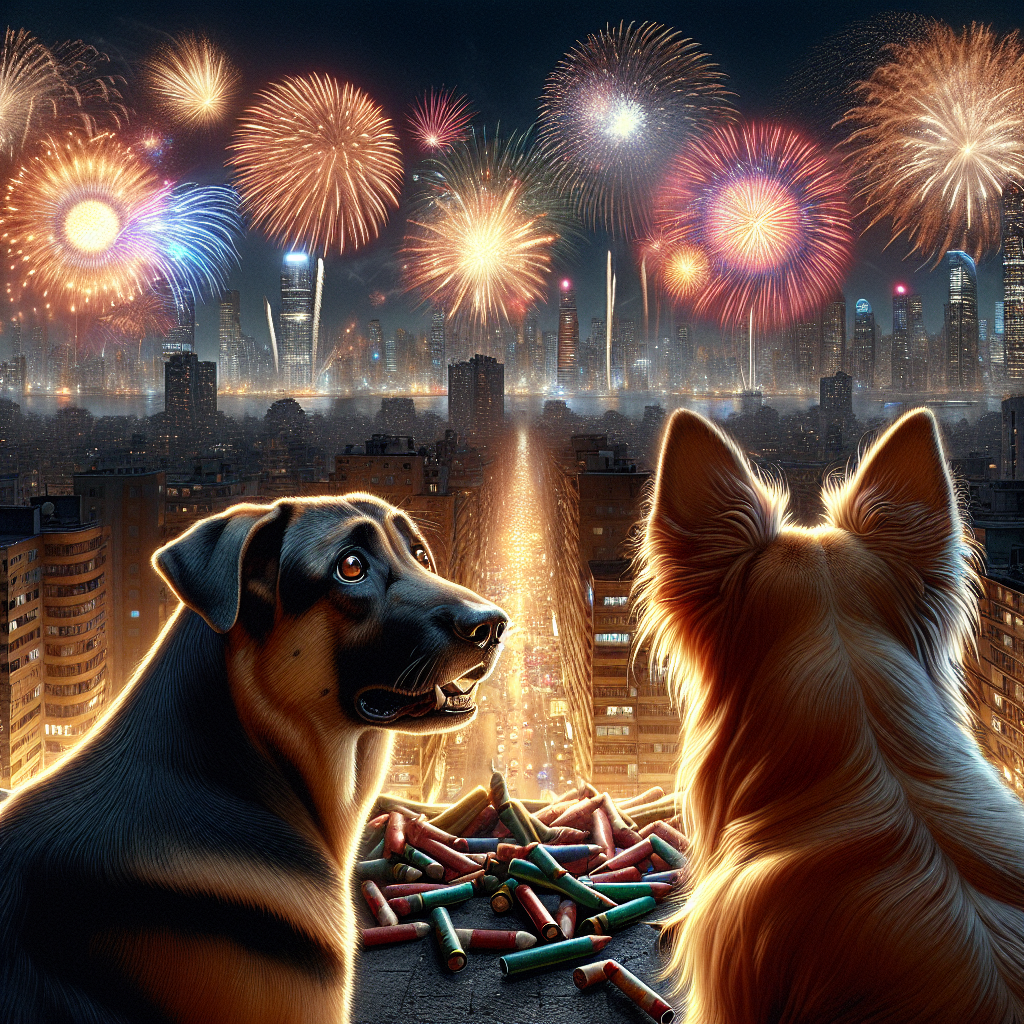

Fireworks might light up the sky for us, but for many dogs, they’re a nightmare. Let’s dig into why these loud, flashy things freak out our furry pals and how we can help them chill out.
Dogs hear way better than we do. So, those sudden booms and bangs from fireworks? They’re like a rock concert right next to their ears. This can make them shake, pace, hide, or even get a bit snappy. Imagine if every 4th of July felt like an earthquake to you. Yeah, not fun.
What happens to a pup when they’re young sticks with them. If a puppy hears fireworks and gets scared, that fear can stick around. It’s like how some of us still jump at the sound of a dentist’s drill because of a bad experience as a kid. But not all dogs have a bad memory tied to fireworks. Some are just born more jumpy or anxious (Smithsonian Magazine).
Some dogs are just wired to be more nervous. It’s in their genes. Others might have had a rough start with loud noises. But here’s the good news: with some patience and the right tricks, many dogs can learn to handle fireworks better. Think of it like training for a marathon – it takes time, but it’s doable (Smithsonian Magazine).
Now that we know why fireworks scare dogs, let’s talk about how to help them out. In the next sections, we’ll share some tips and tricks to keep your dog calm during those noisy nights. With a bit of effort, you can make fireworks less of a horror show for your best buddy.
Ever wondered why your dog turns into a trembling mess during fireworks? It’s not just random; several things can make your furry friend lose their cool. Let’s break it down.
First off, the breed of your dog can make a big difference. Some breeds are naturally more anxious or sensitive to loud noises. For instance, a Border Collie might be more skittish compared to a Labrador. It’s like how some people jump at the sound of a balloon popping while others barely flinch.
Age is another biggie. Older dogs often get more freaked out by fireworks. This could be because of age-related hearing loss, making it harder for them to figure out where the noise is coming from. Imagine being in a dark room and hearing a loud bang—you’d be pretty scared too, right? Puppies, on the other hand, are like little sponges. If they have a bad experience with loud noises early on, it can stick with them for life.
Where and how your dog grows up also plays a huge role. Dogs that haven’t been exposed to loud noises might find fireworks especially terrifying. If your dog had a bad experience with loud sounds before, like being caught in a thunderstorm, they might associate fireworks with that scary memory. Even the dogs they hang out with can influence their reactions. If their doggy pals are scared, they might think they should be scared too.
Knowing these factors can help you better understand and support your dog during fireworks. Maybe your older dog needs a quiet, cozy spot to hide, or your puppy needs some positive experiences with loud noises to build their confidence. For more tips on keeping your dog safe and calm during fireworks, check out our fireworks safety guide for dogs.
Understanding your dog’s breed, age, and past experiences can make a world of difference in helping them cope with fireworks. So next time the sky lights up, you’ll be ready to help your furry friend stay calm and collected.
Fireworks might be a blast for us, but for our furry friends, they can be a nightmare. If your dog turns into a trembling mess every time the sky lights up, you’re not alone. Let’s break down some ways to help your pup chill out during those noisy nights. We’ll cover three main tricks: being a supportive buddy, using anxiety wraps and pheromones, and considering meds if things get really rough.
Just like kids run to their parents when they’re scared, dogs look to us for comfort. When fireworks start booming, your calm presence can make a world of difference. Studies show that dogs with their owners nearby during scary events have lower heart rates and stress levels (Scientific American).
Don’t worry about “spoiling” your dog by comforting them. It’s a myth that you’ll reinforce their fear. Instead, stay close, keep calm, and create a cozy spot for them to hide if they need it. Your steady presence can help them feel safer and more secure.
Anxiety wraps and synthetic pheromones can be lifesavers. Wraps like Thundershirts apply gentle pressure, kind of like a constant hug, which can help calm your dog down. It’s like swaddling a baby – the pressure can be soothing and reassuring.
Then there are synthetic pheromones like Adaptil. These mimic the calming scents that mother dogs produce to comfort their pups. You can use diffusers, sprays, or collars to spread these calming vibes around your home. Pair these with some tasty treats or fun toys to distract your dog and create positive associations with the fireworks noise.
If your dog’s anxiety is off the charts, medication might be the way to go. Sileo, an FDA-approved drug for canine noise aversion, can help by blocking the release of norepinephrine, a chemical linked to fear and anxiety. But always chat with your vet first to get the right dosage and instructions.
On the flip side, steer clear of meds like acepromazine (Ace). While they might make your dog look calm, they don’t actually reduce fear or anxiety – they just sedate them. Always get professional advice before giving your dog any medication.
Every dog is different, so it’s important to find what works best for your furry friend. Combining supportive behavior, anxiety wraps, pheromones, and possibly medication can help your dog handle fireworks with less stress. And remember, always consult your vet for personalized advice.
By being there for your dog and using these strategies, you can turn those terrifying firework nights into more manageable experiences. Your dog will thank you with wagging tails and fewer freakouts.
Fireworks can turn your dog into a nervous wreck, but don’t worry, we’ve got some tricks up our sleeve to help them stay calm. Let’s break it down into some easy-to-follow steps: counterconditioning, behavior tweaks, and a bit of desensitization.
Counterconditioning is all about flipping the script on your dog’s fear. Instead of associating fireworks with terror, we want them to think, “Hey, this isn’t so bad!” Here’s how:
According to Smithsonian Magazine, dogs that went through counterconditioning were 70% less freaked out than those who didn’t. That’s a big win!
Behavior modification is like a workout for your dog’s nerves. Here’s the game plan:
For more detailed steps, check out VCA Canada.
Desensitization is about getting your dog used to fireworks bit by bit. Here’s how to do it right:
Again, VCA Canada has some great insights on this.
For more tips on keeping your dog safe during fireworks, check out our article on fireworks safety for dogs.
By using these strategies, you can help your dog face fireworks with a bit more courage and a lot less stress. Happy training!
Helping your dog cope with fireworks can be a challenge, but sometimes you need a pro to step in. Here’s what you should do:
If your dog freaks out at fireworks, it’s time to talk to your vet. Noise aversion is a real thing, and your vet can diagnose it. They’ll help you figure out a game plan to keep your pup calm. Your vet will have tips and tricks to ease your dog’s anxiety during those loud nights.
Sometimes, meds can help your dog chill out during fireworks. But don’t go rogue—always get your vet’s okay first. Sedatives might help your dog snooze through the noise, while anti-anxiety meds can keep the panic at bay. Your vet might even suggest antidepressants for long-term help (VCA Canada). Follow their advice and keep an eye on how your dog reacts.
Training can be a game-changer for dogs scared of fireworks. Techniques like desensitization and counter-conditioning can help your dog get over their fear. Start training when there’s no chance of fireworks, so you can focus on the process. Your vet can guide you through it and give you step-by-step instructions (VCA Canada).
Remember, getting professional help is key to tackling your dog’s fireworks phobia. Vets know their stuff and can create a plan just for your dog. By teaming up with your vet, you can help your dog stay calm and safe during fireworks. For more tips on keeping dogs safe from fireworks, check out our article on fireworks safety for dogs.
Fireworks can turn your dog into a nervous wreck. But don’t worry, you can help them chill out. By making them feel safe, keeping them busy, and reducing the noise, you can make those loud nights a bit easier for your pup.
Dogs look to us for comfort when they’re scared, just like kids do with their parents. Studies show that dogs feel less stressed when their owners are around during scary times. Comforting your dog doesn’t make their fear worse; it actually helps. So, be there for them without pushing them to come to you (Scientific American).
Here’s how to make your dog feel safe:
Distracting your dog can help take their mind off the fireworks. Here are some ways to keep them occupied:
Fireworks are loud and scary for dogs. Here’s how to make it a bit quieter for them:
Helping your dog feel safe during fireworks is just one piece of the puzzle. For more tips on dealing with fireworks anxiety, check out our article on fireworks anxiety in dogs. Every dog is different, so you might need to try a few things to see what works best for your furry friend.