 11
11

Fleas can make dogs uncomfortable and cause health problems. It’s key to spot flea signs early and treat them quickly. Watch your dog and check their fur to see if they have fleas.
Fleas make dogs itch, scratch, and feel irritated. If your dog scratches a lot or bites their skin, they might have fleas. Look for red skin, scabs, and missing fur too.
Check your dog’s fur for tiny, dark, jumping bugs. Fleas are small like a pinhead and move fast. You can also find flea dirt, which looks like black specks. If you wet flea dirt, it turns red.
Getting rid of fleas quickly is important. It stops the fleas from spreading and keeps your dog happy. Act fast to take care of your dog.
Dogs can get fleas from other animals or places they’ve been. Fleas are tiny bugs that like to drink blood. They can jump from one animal to another very easily. How dogs get fleas varies, based on where they go and who they meet.
Fleas live in many places where pets or wild animals have been. They love to stay in carpets, on furniture, and even outdoors. Fleas can’t fly but they jump really high. They hop onto a dog and start to feed on its blood.
Often, dogs get fleas from meeting other animals with fleas. This includes stray cats, wild animals, or other dogs. If a dog plays in areas where these animals have been, it can pick up fleas.
Fleas lay lots of eggs very fast. These eggs drop off the dog into your home or yard. Not using flea prevention, being in an infested place, or meeting infested animals can cause fleas in dogs.
When a flea gets on a dog, it begins to eat the dog’s blood. They have special mouthparts for biting and sucking blood. Their saliva can make a dog’s skin itchy and irritated, sometimes causing allergies.
“Fleas are voracious bloodsuckers that have adapted to infest a variety of animals, including dogs. Understanding how dogs get fleas is essential for implementing effective flea control measures and keeping your pet pest-free.”
If not dealt with, a few fleas can become a big problem, causing discomfort and health issues. It’s crucial to act fast to get rid of fleas and keep them away.
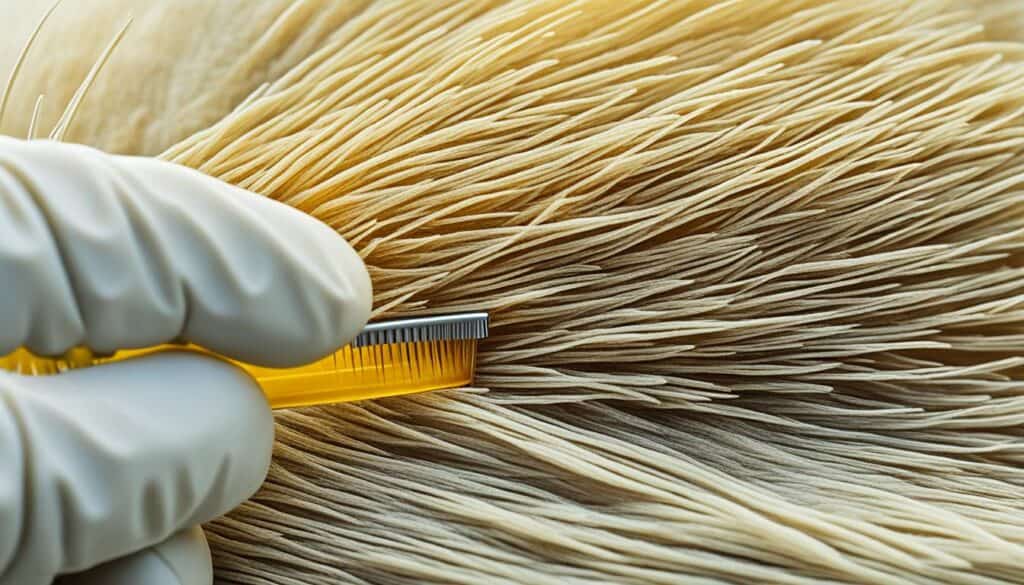
Looking for fleas on your dog is important for their health. Regular checks let you find fleas early and act quickly. Here are steps to check for fleas:
If you find fleas or flea dirt, act fast to treat your dog. Talk to your vet for help and ways to stop infestations from coming back.
“Checking your dog for fleas often is vital, especially during flea season or if they’re often in flea-prone areas. Finding fleas early means better treatment and fewer health issues.”
Prevention is the best way to handle fleas. Make sure your dog follows a vet-approved flea prevention plan. By being careful and proactive, you can keep your dog healthy and flea-free.
If you think your dog might have fleas, it’s key to spot the signs early. This helps you treat them fast and stops things from getting worse. Knowing the symptoms means you can ease your dog’s itch and keep them happy.
Excessive scratching is a big clue that your dog may have fleas. These pests make dogs very itchy. If your dog scratches a lot or seems focused on one spot, fleas might be bothering them.
Flea bites make a dog’s skin red and sore. You might see red spots where fleas like to hang out, like the neck or tail. Scratching a lot can make the skin even more irritated.
Too much scratching from fleas can cause scabs. These rough spots might lead to hair loss, leaving bald patches. Where the hair falls out depends on where the fleas are worst.
Fleas can give your dog tapeworms if they swallow them. Watch for small, white bits near your dog’s rear or in their poop. These show your dog might have tapeworms.
Some dogs are allergic to flea spit, making their reaction worse. This can look like extreme itching, swollen skin, or “hot spots.” These signs plus fleas mean your dog could be allergic.
In bad cases, fleas can make dogs anemic from too much blood loss. They can also spread diseases like Bartonella. It’s important to deal with fleas quickly to keep your dog safe and healthy.
Knowing flea symptoms helps you act fast to help your dog. If you see signs of fleas, talk to your vet for the best treatment plan.
Treating fleas in dogs needs a full-on strategy. You must act fast to remove fleas and stop them from coming back. Here’s how you can battle flea infestations in dogs effectively:
By taking these steps, you’ll be able to tackle fleas on your dog effectively. This brings comfort to your pet and ensures your home stays flea-free.
Talking to your vet is key for the best flea treatment plans for your dog. They’ll give advice tailored to your dog’s health, age, and how they live. Vets can also track how well the flea treatment works and make changes as needed.
Dealing with fleas means you must treat your home and yard, not just your pets. Using a full approach helps get rid of fleas around you. This stops them from coming back.
To fight fleas at home, here are key steps:
Your yard needs attention too. Here are tips:
Getting rid of fleas takes time, around three months. You must interrupt their life cycle. This includes eggs, larvae, pupae, and adult fleas. Stay consistent and thorough for the best results.
“Follow the directions for flea control products closely. Right treatments and routine care will clean your space of fleas.”
– Dr. Sarah Thompson, Veterinarian
Preventing future flea infestations is key. By being proactive, you can keep your pet safe. Here are some easy tips to remember:
Use flea prevention products all year, as your vet suggests. They work to repel and kill fleas. Always follow the instructions for the best effect.
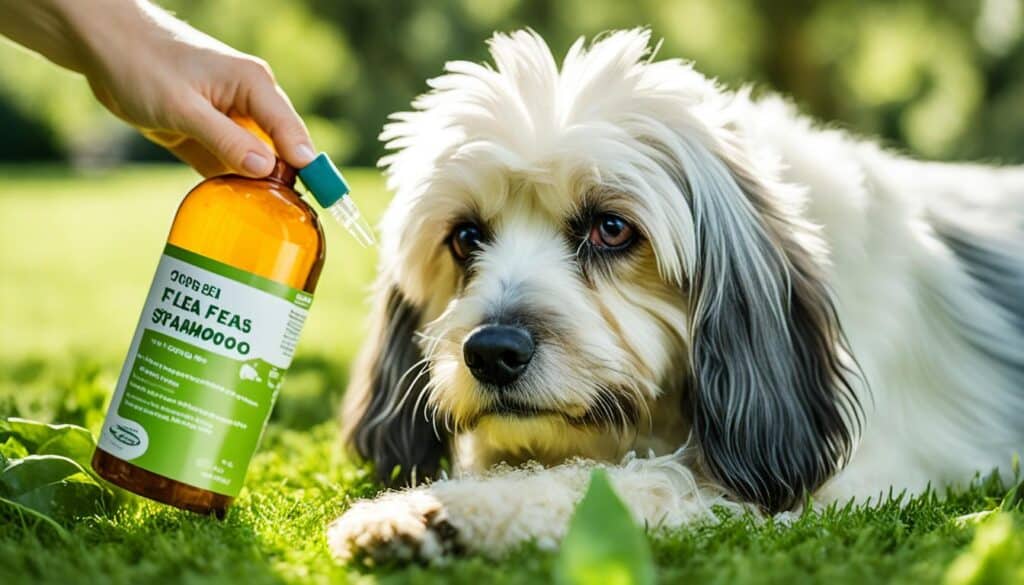
Grooming and bathing your dog stops fleas. Use a flea comb and check for fleas or their dirt. A flea shampoo can remove fleas and their eggs.
Fleas love tall grass, woods, and wildlife areas. Keep your dog away from these to cut flea exposure.
Vacuum often, especially where your dog hangs out. Wash their bedding and other fabrics. A clean home has fewer fleas.
If you have more pets, treat them too. Fleas can spread, even if only one pet seems affected. Your vet can recommend treatments.
Follow these tips to lessen the risk of fleas on your dog. It’s easier to prevent than to treat an infestation.
Fleas cause health problems for dogs and humans. They lead to various issues.
Dogs with fleas feel very itchy and uncomfortable. They scratch a lot, which makes their skin irritated and red. This scratching can make dogs lose hair and get skin infections. Fleas may also give dogs tapeworms, hurting their stomach. Very bad flea problems can make dogs anemic, which is worse for little or young dogs.
Humans aren’t fleas’ first choice, but they can still get bitten. Flea bites are itchy and can swell up. If someone is allergic, the bites can be worse. Fleas don’t live on humans, but a bite can happen now and then.
To keep dogs and people safe from fleas, it’s important to act fast. Check and groom your dogs after they play outside. This helps find fleas early. Also, use flea prevention things that vets suggest to fight off fleas.
“By addressing flea infestations promptly, you can prevent the associated health risks and ensure the well-being of your pets and family,” says Dr. Emily Wilson, a veterinarian at PetCare Clinic.
People should avoid places with lots of fleas to not get bitten. If bitten, use cream to calm the itch and try not to scratch too much. This helps prevent infection.
Putting flea prevention first and dealing with infestations quickly means everyone can live without fleas.
Fleas are common problems for dogs, causing discomfort and health issues. Knowing the signs of fleas and checking your dog often helps. Use the right prevention and treatment to protect your furry friend. It’s important to groom, bathe, and use flea prevention all year.
Talking to your vet is important for advice on flea control. They can suggest the right products for your dog. Keeping your dog from getting fleas again is crucial. A clean, flea-free home is also key for your pet and family’s happiness.
The key steps are understanding flea signs, preventing them, and asking your vet for help. These actions will keep your dog healthy and safe from fleas. By doing this, your dog will stay happy, healthy, and free from flea problems.
If your dog is scratching a lot, has skin issues, or loses fur, it might have fleas. You might also see scabs or redness on its skin. Another sign is finding tapeworms.
Dogs pick up fleas from other animals or places infested with fleas. These places include carpets, bedding, or outdoors where infested pets have been.
Check your dog’s fur closely, especially where it’s thin or light in color. Using a flea comb can help. You’re looking for fleas or their dirt.
Fleas make dogs itch a lot. They can also cause skin infections, make your dog weak from anemia, and spread diseases.
Start by using a flea-killing product on your pet. You might use topical treatments, pills, or collars. Treat itching and tapeworms with your vet’s help.
Begin with vacuuming and washing any bedding or furniture. It’s also essential to treat all pets in the home. Ensure your yard is well-kept.
Getting rid of fleas might take up to three months. This is because of their life cycle. You may need a professional pest control service.
Use vet-recommended flea prevention all year, especially in warm climates. Bathe your dog regularly. Clean your home well and treat all pets to prevent fleas.
In dogs, fleas cause itching, infections, weakness, and diseases. Humans can get bitten too. But, fleas don’t usually live on humans.
Fleas are a big problem for dogs, leading to discomfort and health issues. Regular checks, knowing the signs, and using the right treatments can keep your dog happy and healthy.