 11
11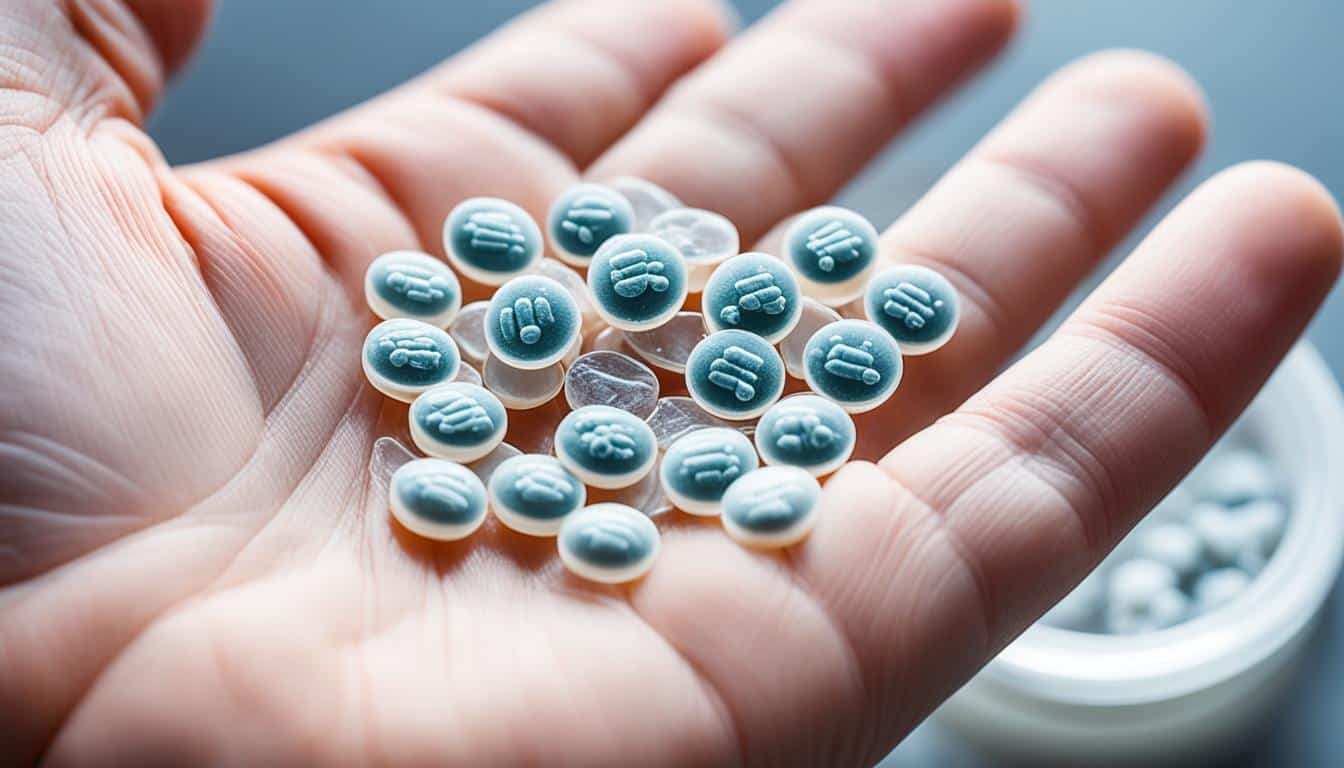

Fleas and ticks are pesky critters that bother cats indoors and outdoors. They don’t just make cats uncomfortable but can also spread diseases. Fortunately, we have many flea treatments to fend off these pests and shield our cats.
Various flea treatments work differently based on their type and the pests they target. Knowing how long each treatment takes to kick in and how long it lasts is important.
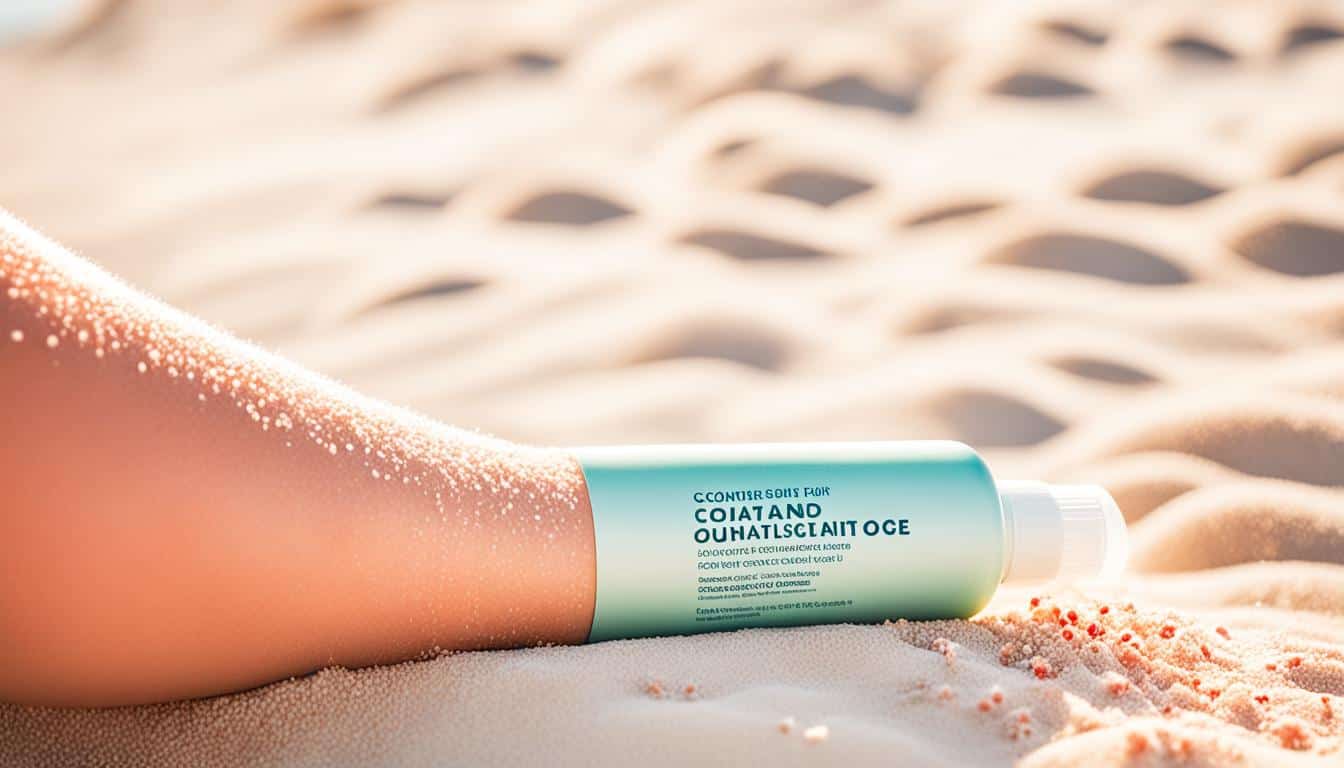
Topical flea medications are a favorite. They’re applied to the skin and can rid cats of fleas within 12-48 hours. Plus, they’re great against ticks, offering all-around protection.
Oral flea treatments work differently. Cats swallow these, and they begin to work in about 2-4 hours. But, they mainly fight fleas and might not protect against ticks. The effectiveness of oral treatments varies with the product and the cat’s reaction.
It’s key to use the right flea medicine for cats and get advice from a vet about doses and plans. Cats are all different, and vets can help pick the best flea treatment for your pet.
Keeping your cat safe from fleas and ticks is crucial. There are many types of medications available. Knowing the options helps you choose the best for your cat.
Topical flea medication is a popular choice. It’s applied directly to your cat’s skin. It fights fleas and ticks effectively. You put it between the shoulder blades or the neck base, where cats can’t lick it off. This method is simple and the protection lasts a long time.
Oral flea medication is another option to consider. It comes in tablets or chews that your cat eats. It’s mainly for fleas, but some also help with ticks. It acts quickly, often in just a few hours.
A flea collar offers ongoing protection. It’s infused with medication that releases over time. Flea collars are straightforward to use for lasting defense against parasites.
Make sure to pick a product made for cats. Never use dog products on cats, as this can be harmful. Always talk to your vet to find the best option for your cat.
After you apply flea and tick meds to your cat, watch for signs that it’s working. The timeline can change based on the medication used. Still, some common signs show progress.
An early sign the medication works is more scratching. It might sound strange but it’s a good thing. This means fleas are coming up to the surface of your cat’s skin. There, they contact the medication and start to die.
You might see fewer fleas on your cat as the meds work. Fleas can take up to 24 hours to die, sometimes quicker. For severe infestations, your cat might need more treatments. This is because fleas have a 3-month life cycle.
Along with killing adult fleas, you should use other treatments. These tackle flea eggs, larvae, and pupae around your home.
If treating for ticks, you might find dead ones on your cat. Have a vet remove these ticks to avoid skin issues. Dead ticks don’t always fall off by themselves.
As fleas decrease, your cat should scratch less and feel better. This shows the medication is working. It’s a sign that flea activity on your cat’s skin is going down.
The effectiveness of flea and tick meds can vary. It depends on the product and the infestation’s severity. Always use the medication as directed. Talk to your vet if you have concerns or questions about the treatment.
Besides regular flea and tick medicine, other methods can help fight these pests. Some additional treatments include:
Make sure to use products made for cats. Dog products can have harmful ingredients for cats. It’s vital to choose cat-safe options. Always talk to a vet to find the best extra treatments for your cat.

The decrease in flea symptoms can vary based on how well the treatment works. Revolution Plus, a topical treatment, begins to kill fleas 12 hours after it’s put on. It kills almost all fleas in a day. Capstar, an oral medicine, starts working in just 30 minutes. It quickly controls fleas for a day.
Scratching may lessen as the medicine does its job. However, skin issues might need more time to fully heal.
Topical flea treatments are put right on the skin and start working fast. Revolution Plus is one popular medicine. It begins to kill fleas 12 hours after being applied. It can kill almost all fleas by the next day. This helps reduce flea symptoms fast.
Using these treatments can greatly lower flea problems. Keeping up with them as your vet suggests will keep fleas away long-term.
Capstar is an oral medication that works super fast. It starts killing fleas in just 30 minutes. This quick action helps soothe itching and irritation.
Oral medicines work right away but don’t last long. Still, paired with topical treatments, they give cats full protection against fleas.
| Treatment Type | Time to Start Killing Fleas | Effectiveness |
|---|---|---|
| Topical Treatments (e.g., Revolution Plus) | Within 12 hours | Kills at least 98% of fleas within 24 hours. |
| Oral Medications (e.g., Capstar) | Within 30 minutes | Provides rapid control for 24 hours. |
Getting rid of fleas and ticks means more than treating your cat. You must also treat your home to stop them from coming back. Here are ways to get rid of fleas at home:
Vacuuming often is a key step in removing fleas and eggs. Focus on areas where your cat likes to hang out.
Hot water kills fleas on your pet’s bedding. Be sure to wash and dry everything at high heat for the best result.
Choose flea treatments like sprays, bombs, or powders that vets recommend. Always use these products as directed.
Don’t forget about outdoor areas if your cat goes outside. Use flea treatments for outdoors or get help from pest control experts to clear up your yard.
| Flea and Tick Home Treatment | Advantages | Disadvantages |
|---|---|---|
| Flea sprays | – Can quickly kill adult fleas – Some sprays have residual effects – Easy to apply |
– May leave a residue – May require multiple applications |
| Flea bombs/foggers | – Covers larger areas – Can reach hidden areas – Kills fleas at different stages |
– Requires evacuation of humans and pets during treatment – May not eliminate all fleas and their eggs |
| Flea powders | – Can be used in specific areas – Immediate effect on fleas |
– May need to be reapplied – Can be messy |
It is important to follow instructions carefully and ensure that the chosen treatment is safe for both pets and humans.
By using these methods, you can get rid of fleas and ticks in your home. Always get advice from a vet on the best products and treatments for your situation.
It’s critical to understand the flea life cycle for effective control. Fleas experience various stages, including flea eggs, flea larvae, and flea pupae. A female flea can lay up to 50 eggs daily. These eggs drop off the host and turn into larvae in 2 to 12 days.
“Fleas have a complex life cycle with several distinct stages,” notes Dr. Sarah Johnson, a vet at PetCare Clinic. “Knowing these stages allows pet owners to fight fleas effectively.”
Larvae munch on organic matter like pet dander and flea droppings. They thrive in dark, moist spots like carpet and bedding. The larvae then progress to the pupae stage, developing inside cocoons.

“The pupae stage is crucial yet often missed,” says Dr. Johnson. “Fleas can stay cocooned for weeks to months, emerging when conditions are right.”
Addressing both the pet and its surroundings is key to flea control. Treating just the pet might not stop fleas from coming back.
“A complete approach to flea control is necessary,” suggests Dr. Johnson. “Tackling both the pet and environment halts the flea lifecycle, stopping new fleas from appearing.”
| Flea Life Stage | Description |
|---|---|
| Flea Eggs | These are tiny, oval eggs, about 0.5mm big. They’re laid on the host but soon fall into places like bedding and carpets. |
| Flea Larvae | These hatch from eggs and feed on nearby organic matter. They avoid light and like dark, damp areas. |
| Flea Pupae | This is when larvae spin cocoons and turn into pupae, starting to become adult fleas. They can stay in cocoons for a long time. |
To stop fleas, every stage of their life cycle must be targeted. For the best flea control plan, talk to a vet about your pet.
Getting rid of fleas means treating both your pet and your space. These pests can hide in your carpet, bedding, and furniture. Surprisingly, only a few actually live on your pet. Regularly applying flea treatment to your pet is key. Yet, it’s just as vital to use vet-approved sprays to tackle fleas at home. If the infestation’s bad, you might need several treatments. Don’t forget to vacuum often and wash your pet’s bedding to lower flea numbers around you.
To really beat fleas, you need to think about your pet and where they hang out. Just treating your pet won’t cut it. Fleas lay eggs around your home, which turn into more fleas, keeping the infestation going.
Managing your environment is a big part of fighting fleas. It helps you hit the fleas where they hide and breed. This is super important if you have lots of pets or pets that go outside.
Why is managing your environment key for flea control? Here are a few reasons:
Thinking about environmental management for flea control? Keep these points in mind:
If you’re dealing with a serious infestation, or DIY methods just aren’t enough, it might be time to call in the experts. Pest control pros have the right skills and tools to figure out how bad the infestation is and deal with it effectively.
Regular pet treatments combined with smart environmental management lead to effective flea control. This approach greatly lowers the chance of fleas invading your home. Talk to your vet for advice tailored to your situation and to make sure the products you’re using are safe and effective.
Eliminating fleas from your home is key to stopping them for good. By using a few steps, you can fight fleas at every life stage. This ensures you keep them away over time.
Your first move is to treat your pet with the right flea medicine. Pick a treatment meant for cats, suggested by your vet. Fully apply this medicine to your pet, making sure it touches the skin. It will kill fleas on your pet and stop them from laying eggs.
Getting rid of fleas in your house is just as important as treating your pet. Use pet-safe sprays to kill fleas, their eggs, and babies in your home. Focus on where your pet hangs out like their bed, carpets, and couch. Cleaning your house often can also get rid of eggs and baby fleas.
Turning up the heat and moisture in your house can make flea eggs and babies hatch faster. Then, the flea treatment can reach them easier and kill them before they grow. But, too much heat can be bad for your pet, so talk to your vet first.
To fully stop fleas, you must keep treating your pet. Since fleas can live up to three months, treat your pet for at least 12 weeks. This will catch any new fleas that hatch and stop an infestation from starting again.
| Step | Description |
|---|---|
| 1 | Treat your pet with an effective flea medication recommended by your veterinarian. |
| 2 | Use chemical sprays to eliminate adult fleas, eggs, and larvae in your home. |
| 3 | Vacuum regularly and wash pet bedding to remove eggs and larvae from the environment. |
| 4 | Consider increasing temperature and humidity in your home to speed up the hatching of fleas. |
| 5 | Continue treating your pet for at least 12 weeks to ensure complete elimination of fleas. |
Stick to these steps and stay consistent with treatments. This way, you can break the flea life cycle. It keeps your pet and home safe from fleas.
Not all flea treatments are safe for cats. Some products from stores can be harmful. Always pick treatments labeled for cats and talk to a vet for advice. Medications like Revolution (selamectin) and Cheristin (spinetoram) are safe for cats. They treat fleas and ticks without harming your cat.
Keeping your cat safe from fleas is very important. Make sure to use flea control made for cats. Products for dogs may be bad for cats. Always read labels and only use treatments approved for cats.
Before treating your cat for fleas, talking to a vet is a good idea. They can suggest the safest and best options for your cat. They might point you to prescription meds that work well without being toxic.
Medications like Revolution and Cheristin are made for cats. They are easy to use and protect against fleas and ticks for a long time. Revolution stops flea eggs from hatching. Cheristin kills fleas quickly. Both are safe when used correctly.
Along with cat-specific flea treatment, keeping your cat groomed helps. Regular checks can spot fleas early. Using a flea comb can remove fleas from your cat. It’s also important to keep your home clean. Regularly vacuum and wash your cat’s bedding to destroy flea eggs or larvae.
The aim is to not only kill fleas but also prevent them from coming back. By choosing the right products and listening to your vet, you can keep your cat safe from fleas and ticks. This way, you reduce the chance of your cat getting hurt.
Pet owners often make mistakes when fighting fleas. These errors can make treatments less effective. It’s key to avoid such errors and use flea treatments the right way.
A big mistake is not using flea medication as often as should. These medicines work for a set time only. Not reapplying it leaves your pet open to fleas. Always use it as the maker says and ask your vet for advice.
Choosing the wrong flea control products is another error. There are many products out there. It’s key to pick ones that work well. Look for ones with good ingredients and vet approval. Avoid untested or generic ones that might not work.
Not giving enough medication is a common mistake too. The right dose depends on your pet’s size and weight. Giving too little won’t protect them well against fleas. Always get the right dose from your vet.
Using flea medication wrong can make it less effective. Read and follow the product instructions carefully. Make sure you put it on the right spot on your pet. And don’t rub it too much or let it get wet before it’s dry.
Stopping treatment too soon is a mistake. Some pet owners quit when they see fewer fleas. But eggs and larvae may still be around. Continue treatment as your vet says to stop the flea life cycle fully.
Bathing or swimming right after flea treatment can lower its power. Water can wash the medicine away. Follow the product directions carefully. Avoid letting your pet swim or bathe right before or after treatment.
To better fight fleas, avoid these common mistakes. This will make your flea control efforts more effective and keep your pet flea-free.
| Mistake | Effect |
|---|---|
| Not applying flea medication at the recommended interval | Potential reinfestation and reduced protection against fleas |
| Using ineffective products | Poor flea control and continued infestation |
| Underdosing the medication | Inadequate protection and ineffective elimination of fleas |
| Not following application instructions correctly | Reduced absorption and compromised effectiveness of the medication |
| Not treating for a sufficient duration | Persistent flea infestation and incomplete elimination of fleas |
| Accidental bathing or swimming | Reduced absorption and decreased effectiveness of topical flea treatments |
Preventing and controlling fleas involves treating both your pet and your home. It’s vital to choose cat-specific flea treatments that vets approve. This ensures both safety and effectiveness.
Keep up with regular treatments and manage your environment to keep fleas away. Vacuum often, wash your pet’s bedding in high heat, and use vet-approved flea sprays. These steps are key to stopping fleas from making your home theirs.
It’s important to talk to a vet when planning your cat’s flea control. They give personalized tips that fit your cat’s unique needs. By being proactive and consistent with flea prevention, your cat will be healthier. And your home will be flea-free.
Flea treatments’ effectiveness varies by medication type and the targeted parasite. Topical medicines can clear fleas on cats in 12-48 hours. Oral medications start to work in 2-4 hours.
For cats, there are various flea and tick medications. Topical ones are put on the skin and fight fleas and ticks. Oral medications focus on fleas and might not help with ticks. Collar medications provide ongoing protection against these pests.
You can see if the treatment works in a couple of ways. It might take a day for fleas to die after treatment. Oral medications work quicker than topical ones. For severe cases, more than one treatment might be needed. Sometimes, dead ticks don’t fall off, so a vet should remove them.
Yes, there are other ways to fight fleas and ticks. Bathing your cat with flea shampoo can kill fleas. A flea comb can remove fleas from fur. Flea and tick wipes, creams, and sprays add more defense.
The time to see fewer flea symptoms depends on the treatment’s success. Topical treatments like Revolution Plus can start killing fleas in 12 hours. Most fleas are gone in 24 hours. Oral medications like Capstar act in 30 minutes and work fast for a day.
Handling a flea and tick infestation means treating your cat and your home. Vacuum carpets and furniture regularly to pick up fleas and eggs. Washing pet bedding in warm water helps. Use vet-approved flea sprays, bombs, or powders for your home.
Knowing the flea life cycle is key to controlling them. Fleas go through stages: eggs, larvae, and pupae. A female flea can lay up to 50 eggs a day. These eggs fall off the host and hatch in 2 to 12 days. Larvae feed on organic matter, and pupae wait in cocoons for weeks or months for a host.
Controlling fleas means treating your pet and where they live. Fleas can infest carpets, bedding, and furniture. Treating your pet with regular medications is crucial. Using chemical sprays as recommended by vets is also important to kill fleas at home.
To break the flea cycle, start by treating your pet with an effective product. This kills fleas that bite them. Then, spray your home with chemicals to kill adult fleas, eggs, and larvae. Keep treating your pet for at least 12 weeks to kill any new fleas before they reproduce.
Not all flea products are safe for cats. Only use cat-specific products and ask a vet for advice. Medications like Revolution (selamectin) and Cheristin (spinetoram) are safe and work well for cats.
People often make mistakes in flea control. Not using flea medication correctly or often enough, choosing poor products, or not dosing properly are common errors. Incorrectly applying the product or not treating long enough can make treatments fail. Washing off topical treatments too soon also lowers their effectiveness.
Preventing fleas and ticks involves treating your pet and your home. Use vet-approved products made for cats. Regular vacuuming, cleaning pet beds, and using flea sprays can reduce fleas in your home.