 11
11

For many dog owners, their pets are not just animals but cherished members of the family. Unfortunately, hidden dangers often lurk within our gardens and homes in the form of toxic plants for dogs. These seemingly innocuous greenery can pose serious risks to canine health, with some having the potential to be fatally poisonous to pets. In light of these risks, dog-safe gardening practices become an imperative aspect of pet care. This guide aims to educate pet owners on how to identify and prevent the threat of these toxic plants while nurturing a safe environment for their four-legged friends.
Understanding which plants are dangerous—and mitigating the associated risks—is crucial for ensuring that your home is a sanctuary, not a hazard, for your pets. Ensuring that you’re informed about poisonous plants for pets allows you to maintain a garden that is both beautiful and safe for every member of your family, including the furry ones.
For dog owners, knowledge about common plants toxic to dogs is as essential as providing a balanced diet or regular exercise for their furry companions. The first step in safeguarding pets against potential hazards in the garden or home is identifying poisonous plants. Awareness of the variety of plants that can cause harm to pets, paired with an understanding of the symptoms of plant poisoning in pets and evaluating severity of plant toxins on canine health, forms a defense strategy each pet parent should cultivate.
Recognizing and identifying poisonous plants is crucial for preventing encounters that could lead to plant poisoning. Many commonly cultivated plants such as lilies, tulips, and daffodils are hazardous to dogs and can often be found in home gardens or as cut flowers in vases.
When it comes to symptoms of plant poisoning in pets, there are several signs dog owners need to be on the lookout for. These include gastrointestinal upset manifesting as vomiting and diarrhea, respiratory difficulties, abnormal heart rate, drowsiness, and even seizures in more severe cases.
Understanding and evaluating the severity of plant toxins is a key component to protecting your dog’s well-being. Some plant toxins might cause only mild irritation, while others can lead to serious health complications, long-term damage, or even be fatal if not treated promptly by a veterinarian.
| Plant Name | Toxic Part | Common Symptoms | Risk Level |
|---|---|---|---|
| Lilies | All parts | Kidney failure, lethargy | High |
| Tulips | Bulbs | Vomiting, diarrhea, depression | Medium |
| Daffodils | Bulbs | Vomiting, salivation, arrhythmia | Medium to High |
It is imperative for dog owners to remain vigilant and informed about the potential threats posed by toxic plants. By taking an active role in identifying poisonous plants and recognizing the symptoms of plant poisoning in pets, swift actions can be taken to mitigate risks and ensure that our canine friends stay safe and healthy.
As loving pet parents, it’s our responsibility to ensure the wellbeing of our canine companions, which includes safeguarding them from the risks posed by poisonous plants. Implementing preventive measures within our living spaces can effectively protect dogs from poisonous plants and the potential health threats they pose. Whether inside your home or in the garden, conscientious planning and strategic precautions can create a safe environment for your furry friends.
Beyond vigilance, educating yourself on which flora are harmful is an invaluable step. This awareness alone, however, is not enough; we must take active steps to minimize exposure risks. The following are some recommended strategies and actionable tips to protect dogs from poisonous plants:
Utilizing these preventive measures, you can cultivate a safe and inviting space that caters to the health and happiness of all family members, especially your four-legged ones.
| Toxic Plant | Symptoms of Poisoning | Safe Alternative |
|---|---|---|
| Lilies | Kidney failure, vomiting | Spider Plant |
| Oleander | Heart issues, digestive disturbance | Rose |
| Sago Palm | Liver damage, seizures | Bamboo |
| Azalea | Respiratory problems, coma | Asters |
As pet owners, it’s essential to remain proactive and informed, making choices that promote the welfare of our dogs. Adopting these preventive measures can drastically protect dogs from poisonous plants and give you peace of mind, knowing your home is a safe haven for your cherished pet.
As pet owners enrich the liveliness of their homes with luscious foliage, the responsibility to recognize plants poisonous to dogs becomes paramount. An informed dog owner must be vigilant about both the allure and the threat that certain flora can present. This segment offers a comprehensive overview of toxic plants that pose a risk to our canine companions, distinguishing particularly insidious varieties and underscoring the need for awareness to prevent accidental ingestions.
The sheer beauty of lilies can be deceptive, betraying the risks of tulips and daffodils. It’s not just their stunning appearance that captivates, but also the danger of lilies lurking within their petals and leaves, which contain compounds that can result in serious kidney damage if consumed by dogs. From the majestic Easter lily to the captivating Tiger lily, each variety harbors toxins that can have devastating effects on a dog’s health.
Spring brings a multitude of flowers and with them, the hidden peril for our furry friends. Among the popular blooms, tulips and daffodils stand out for their vibrant colors and are often central to festive decorations and garden designs. However, their bulbs hold a cocktail of chemicals that, if ingested by dogs, can lead to gastrointestinal distress, central nervous system depression, and even cardiac abnormalities.
Understanding the risks posed by outdoor and indoor toxic plants is essential for all dog owners. Regardless of whether these menacing plants are encountered during a walk in the park or within the confines of a home, their presence remains a hidden danger. A dog’s tendency to explore with their nose and taste can precipitate a dangerous encounter with plants like Aloe Vera, Dieffenbachia, or Sago Palms—each presenting its own harmful effects when tasted or consumed.
For dog owners, safeguarding their canine companions from harmful vegetation is a major concern. Being privy to a toxic plants list for dogs is not only educational but a critical step in preventing accidental ingestions. This definitive guide helps in identifying high-risk plants for dogs and should serve as a go-to resource for any responsible pet owner looking to protect their furry family members.
| Common Name | Scientific Name | Signs of Toxicity |
|---|---|---|
| Sago Palm | Cycas revoluta | Vomiting, diarrhea, liver failure |
| Oleander | Nerium oleander | Cardiac issues, gastrointestinal distress |
| Castor Bean | Ricinus communis | Abdominal pain, tremors, seizures |
| Autumn Crocus | Colchicum autumnale | Oral irritation, bloody vomiting, kidney failure |
| Azalea | Rhododendron spp. | Drooling, depression, weak pulse |
When considering the toxic plants list for dogs, it’s crucial to recognize symptoms early. Early detection and treatment are pivotal to managing any potential toxicity incident. Awareness and good practices in identifying high-risk plants for dogs and then either removing them or ensuring your dog cannot access them are vital preventive strategies for all dog owners. This comprehensive index stands as the first defense line against the inadvertent threat posed by these seemingly innocuous, yet perilous, plants.
Remember: In the event your pet shows any signs of distress or you suspect they’ve ingested a harmful plant, seek immediate veterinary care to ensure the best possible outcome for your beloved dog.
When your furry companion has an emergency response for plant ingestion, it’s crucial to act quickly and knowledgeably to mitigate potential health risks. Immediate recognition of the situation and proper first aid measures for plant toxins can be life-saving before professional help is available.
If you suspect that your dog has ingested a poisonous plant, prompt first aid measures for plant toxins are essential. Remove any plant material from your pet’s mouth and rinse their mouth out gently. If the plant is known to cause irritation, a gentle flush with water can help reduce discomfort. It’s important to avoid inducing vomiting unless specifically directed by a veterinarian, as some toxins may cause more harm on the way back up.
Not all instances of plant ingestion will require a trip to the vet, but seeking veterinary assistance for poisoning is critical if your dog exhibits symptoms such as vomiting, diarrhea, excessive salivation, difficulty breathing, or lethargy. Prompt veterinary attention can make a significant difference in the outcome, as your vet may need to administer activated charcoal, IV fluids, or other treatments to manage the toxins. Always bring a sample of the plant ingested, if possible, to aid in quick identification and treatment.
Knowing the right dog poison control contacts is imperative for any dog owner to ensure rapid advice and guidance. Here is a useful table with contact information for well-known poison control centers that provide necessary support in poison-related emergencies:
| Poison Control Center | Phone Number | Services Offered |
|---|---|---|
| ASPCA Animal Poison Control Center (APCC) | (888) 426-4435 | 24/7 hotline, consultation with veterinary toxicologists |
| Pet Poison Helpline | (855) 764-7661 | 24/7 assistance, critical care expertise |
| National Animal Poison Control Center (NAPCC) | (900) 680-0000 | University-affiliated hotline, extensive toxin database |
In the face of a potential poisoning incident, timely actions, including emergency response for plant ingestion and seeking veterinary assistance for poisoning, coupled with immediate access to dog poison control contacts, can help prevent serious health complications and safeguard your dog’s well-being.
Creating a dog-safe garden is all about choosing non-toxic alternatives to ensure that our four-legged friends can play and explore without any risks to their health. With a focus on dog-friendly landscaping, this section will highlight a variety of plants and materials that offer safety and enjoyment for canines.
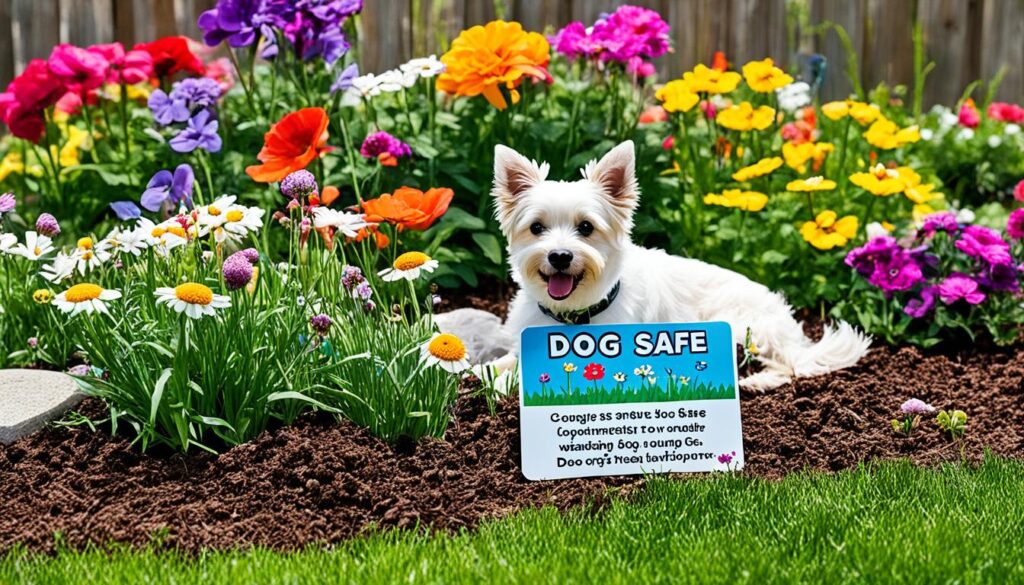
Dog-safe gardening starts with an understanding of plants and materials that are harmless to pets. These non-toxic alternatives not only prevent potential hazards but also contribute to the aesthetic and ecological balance of your outdoor space.
When considering garden decor and safety, mulches such as pine, cedar, and hemlock are non-toxic and can be used safely around dogs. However, ensure that any treated wood products are labeled as non-toxic and avoid cocoa mulch, which contains the same toxic ingredient as chocolate for dogs.
Remember, planting non-toxic alternatives is a crucial step in dog-safe gardening, fostering a nurturing environment where both beauty and pet safety are in harmony.
The well-being of our furry companions is paramount, and a crucial aspect of this is ensuring that our homes are free from plants poisonous to dogs. Creating a secure environment requires vigilance and an understanding of which plants pose a threat. From common household flowers to outdoor shrubs, the list of toxic greenery is extensive, and the responsibility to safeguard our homes and pets from these dangers is a continuous process.
Identifying and removing potential hazards is the first step in this protective effort. It’s essential to walk through your home and garden and ensure that any plants dangerous to dogs are out of reach or removed entirely. In cases where removing a plant is not possible, barriers or deterrents can be strategically placed to prevent access. However, a more sustainable approach is to replace toxic plants with safe alternatives, thus maintaining a delightful and risk-free environment for both dogs and their owners.
Educational efforts should not be overlooked in the quest to prevent plant poisoning in pets. All family members, including children, should be informed about the risks associated with certain plants. Knowledge is a powerful tool in safeguarding home and pets, allowing every household member to act as a guardian for our dogs’ safety. With the proper measures in place and a collective commitment to prevention, you can effectively minimize the threat of toxic plants and ensure a safe haven for your adored pets.
Common plants toxic to dogs include lilies, tulips, and daffodils.
Symptoms of plant poisoning in pets may include vomiting, diarrhea, and drowsiness.
The severity of plant toxins can vary, and some can cause severe health issues or even be fatal if not treated promptly.
You can protect your dog from poisonous plants by keeping them out of reach, using safe alternatives, and creating barriers in your home and garden.
Lilies contain toxic substances that can be harmful to canine health and may cause severe symptoms if ingested.
Yes, tulips and daffodils can pose hidden dangers to dogs and should be kept out of their reach.
Yes, there are both outdoor and indoor plants that can be toxic to dogs, and it is important to be aware of these risks and take preventive measures.
Yes, there is a comprehensive toxic plants list for dogs that includes common plants and their specific dangers to canine health.
If your dog ingests a toxic plant, it is important to act swiftly by inducing vomiting and seeking veterinary advice. In certain cases, professional veterinary assistance may be necessary.
You can find key contacts for dog poison control and support by reaching out to your veterinarian or local animal poison control center.
Yes, there are many non-toxic alternatives for creating a dog-safe garden, including dog-friendly plants and landscaping options.
You can safeguard your home and pets from toxic plants by keeping them out of reach, using safe alternatives, and educating your family members about the dangers of certain plants.