
 11
11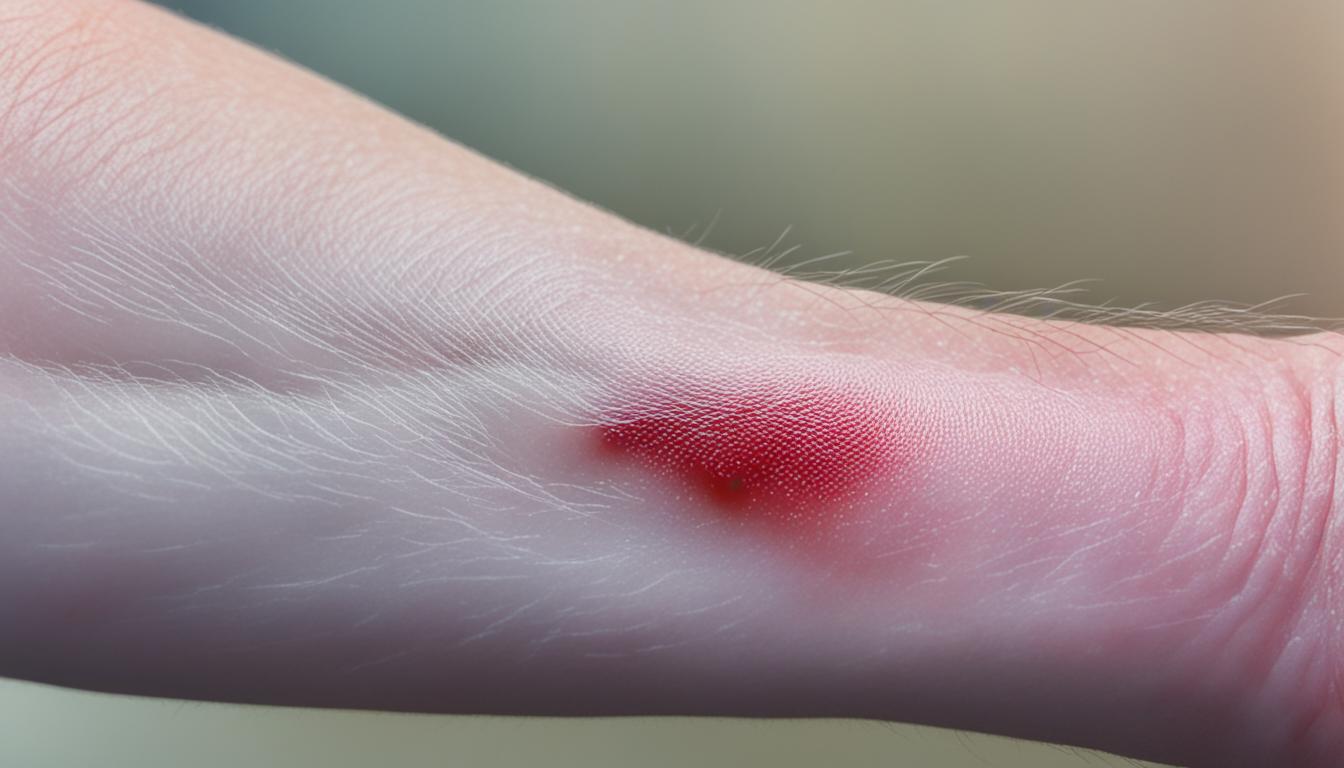

Getting close to cats can sometimes lead to health issues like rashes. This is a big deal for people with weaker immune systems. For example, babies, older adults, AIDS patients, and those getting certain treatments. It’s not always that cats make people sick. But it’s important to know how these illnesses spread.
Zoonotic diseases come from cats in different ways, like through bacteria or fungus. Each kind has its own signs and dangers. By washing your hands often, not playing roughly with cats, keeping fleas away, and cleaning your cat well, you can stay safer. Knowing how to do these things helps prevent and treat cat rashes. This includes reactions from scratches or allergies to cats.
Cats can bring various health issues to humans, including skin rashes. It’s vital to understand how human skin reacts to cats. This includes reactions from scratches, bites, or allergies. Learning about prevention and treatment is important for cat owners and those often near cats.
Rashes from cats can look different, from mild to severe. The cat scratch infection rash is a common type. It happens when bacteria from a scratch enter the skin. This rash can look red and swollen and might hurt or itch.
People can also get a rash from cats on humans because of allergies to cat dander. This allergy rash usually shows as redness and itching, and sometimes hives appear. Cat saliva, urine, and fur are often to blame for these rashes.
Spotting these rashes early is key. Here is a table that lists common symptoms and what causes them:
| Rash Type | Symptoms | Common Triggers |
|---|---|---|
| Cat Scratch Infection Rash | Swelling, redness, pain, possible pus | Scratches, bites, contact with infected flea feces |
| Allergic Reaction Rash | Redness, itching, hives | Cat dander, saliva, fur |
Learning about cat scratch rash pictures and their causes helps manage these reactions. Keep your cat clean and think about allergy strategies. This can lower the chance of getting a rash from cats.
Skin rashes from cats can come from different sources. Some are due to medical conditions needing attention. It’s key for cat owners and those often around cats to know these causes.
Cat Scratch Disease, or CSD, comes from a bacteria called Bartonella henselae. It’s spread through cat saliva or by fleas. After getting scratched or bitten, you might see swelling, feel feverish, or get tired. To prevent CSD, control fleas on your pet and take care of any wounds right away.
Rashes can also stem from allergic reactions to cat dander. Cat saliva, skin flakes, and urine have proteins that might cause allergies. This leads to skin rashes or even breathing problems. Symptoms include itching and redness, possibly wheezing. Dealing with these reactions often means taking antihistamines and avoiding the allergen.
Parasites from cats, like fleas or scabies, can cause rashes too. These infections make the skin very itchy and irritated. To keep these at bay, take your cat to the vet regularly. Make sure they are well-groomed and treat any infestations quickly.
Knowing these causes lets you spot and handle problems early. This keeps both the pet and its owner healthy.
Cat scratch-related rashes can range from mild to severe. It depends on your immune system and scratch depth. Recognizing these symptoms early is key for proper treatment.
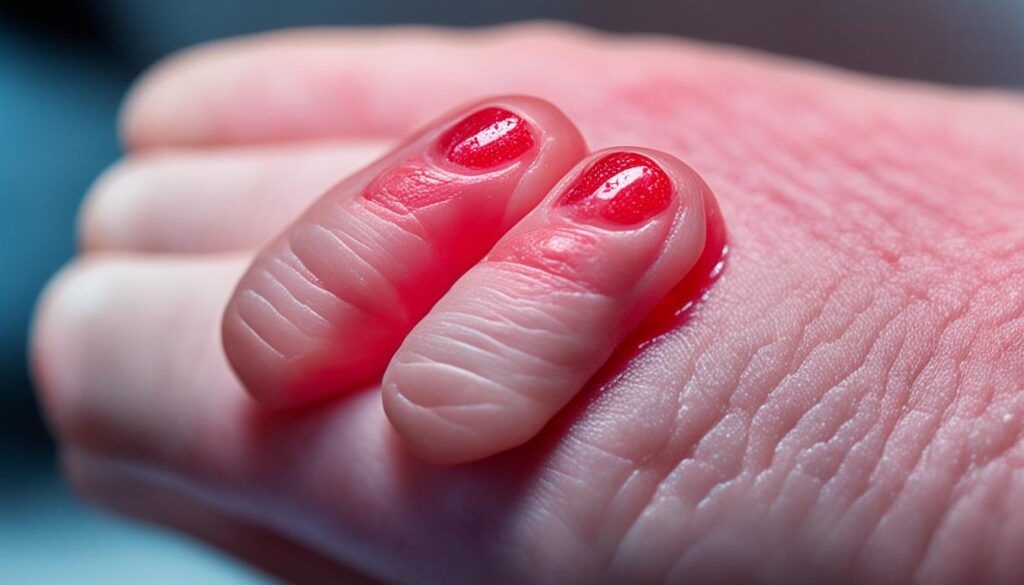
Redness and swelling are common symptoms. They usually show up right after the scratch. Sometimes, there might be mild pain too. It’s important to watch these early signs.
Severe cases might lead to blisters and a lot of pain. These blisters can be filled with fluid and hurt when touched. If you see blisters, think about treatment options like antiseptic ointments.
Fever and tiredness can mean a serious infection from a cat scratch. These signs show your body is fighting the infection. If a fever sticks around with the rash, see a doctor right away. This might need medical help.
Early treatment of cat scratch symptoms is key. Spotting everything from redness to fever and tiredness helps choose the right treatment.
| Symptom | Description | Recommended Actions |
|---|---|---|
| Initial Redness and Swelling | Redness and swelling at the site of the scratch | Monitor for changes, clean with antiseptic |
| Blisters and Pain | Fluid-filled blisters, tenderness | Consider topical treatments, consult a doctor |
| Fever and Fatigue | Systemic symptoms indicating infection | Seek medical attention immediately |
A cat allergy rash shows up in different ways. It ranges from skin rash to breathing problems. We will look at the main symptoms and how to manage them.
People with a cat allergy rash often get red, itchy skin from cat contact. They might also cough, wheeze, and feel their skin irritate more.
For less severe symptoms, store-bought treatments can help. Antihistamines and decongestants ease itching and lessen stuffy noses.
| Over-the-Counter Treatments | Relief Provided |
|---|---|
| Antihistamines | Reduce itching and swelling |
| Decongestants | Alleviate nasal congestion |
For tough cases, doctor-prescribed treatments may be needed. This includes special meds or allergy shots. Shots help you slowly get used to cat allergens.
Understanding how bad the rash is helps in picking the right treatment. There are many ways to treat it, from home care to doctor-prescribed medicines. Here’s a look at the main treatments:
Minor rashes from cat scratches can be eased at home:
If home care doesn’t work, special creams for cat rash help. These creams fight swelling and infection risks. They include:
When store-bought methods or creams for cat rash fail, you might need doctor’s medicines. These can include:
| Treatment Type | Mechanism of Action | Potential Benefits |
|---|---|---|
| Antibiotics | They get rid of bacterial infections. | They lower infection risks and help heal faster. |
| Oral Steroids | They lessen inflammation and swelling. | They can greatly reduce symptom severity and how long you feel sick. |
| Antihistamines | They stop histamine release to ease allergic reactions. | They help with less itching, redness, and discomfort. |
Finding the best cat scratch rash treatment options depends on how bad and persistent the rash is. If it’s serious or stays for a long time, talking to a doctor is key. They can offer prescription medications for cat scratches that really help.
Taking steps to prevent rashes from cat scratches is important. It keeps both the owner and cat healthy. By following some simple steps, you can cut down on scratches.
Knowing how to handle your cat is key. This means playing gently and not making them scratch. Give your cat scratching posts and toys. This keeps their claws away from your skin.
Maintaining cat hygiene is crucial for health. Brushing and bathing your cat lowers dander and prevents skin issues. Keeping your cat’s living area clean stops the growth of bacteria and fungus.
It’s important to take your cat to the vet often. Vets help spot and treat health problems early. They vaccinate and check for parasites to keep your cat healthy. This also cuts down on infections passed to people.
Cat fleas bother pets and people too. They bring skin rashes to humans. Their bites can cause allergic reactions and skin irritation.
Fleas spread diseases like Cat Scratch Disease and tapeworms. Their bites put saliva into the blood. This can carry pathogens. It’s crucial to stop flea infestations to avoid these diseases.
Signs of flea-linked rashes are itchy, raised spots, redness, and swelling. Some folks might get allergic reactions with lots of itching and discomfort. Spotting these signs early is key to getting the right treatment.
To tackle flea issues, using flea control methods is vital. This includes regular flea medication, keeping living spaces clean, and staying away from high flea areas. By doing these, pet owners can cut down the risk of cat fleas causing rashes.
To deal with a cat rash, start by figuring out the rash type. This helps choose the right cat scratch rash treatment options. Cat rashes come from scratches, bites, or allergies. Getting the diagnosis right is crucial.
There are home remedies and medical ways to treat it. At home, clean the area well and put on soothing creams. You might also need over-the-counter antihistamines. If it’s worse, you might need prescription medications to deal with swelling, redness, and itchiness.
Stopping cat rashes before they start is key. Clean your home often and use HEPA filters to catch allergens. Try not to touch the cat too much. Taking your cat to the vet and keeping it clean are also good steps in how to prevent cat scratch rash.
| Type of Treatment | Description |
|---|---|
| Home Remedies | Cleaning the area, soothing creams, OTC antihistamines |
| Topical Treatments | Anti-inflammatory creams, antibiotic ointments |
| Prescription Medications | Stronger antihistamines, oral antibiotics |
In short, handling cat rashes well means knowing what you’re dealing with, treating it right away, and working to stop it from happening again. Using full care makes living with cats better and cuts down on rash issues from cat scratch rash treatment options.
Knowing how cat rashes affect humans is key, especially for pet lovers and those often around cats. Issues can range from infections like Cat Scratch Disease to allergies and bugs. It’s vital to know this to avoid pain and heal fast.
Keeping cats clean and controlling fleas helps lower rash risks. It’s also good to handle cats carefully. Spotting skin reactions early and getting medical help is important for quick recovery.
Cats are a big part of many homes today. Keeping both people and cats healthy requires smart care. By handling cat rashes well and staying alert, pet owners can create a safe home. This means both they and their cats stay healthy.
When you get a scratch, you might see redness and swelling first. Then, you might get blisters and feel pain. If it gets worse, you could feel tired and get a fever. Some people might get itchy, red skin from cat allergies. This comes with coughing and trouble breathing.
If your skin turns red and itchy where a cat touched you, it might be an allergy. This rash can make you cough and wheeze too.
A bacterium in cats’ drool causes Cat Scratch Disease (CSD). If a cat bites or scratches you, you might get swelling. You can also feel tired and have a fever.
You can clean the rash or use creams that calm the skin. There are medical creams too, for worse cases. If it’s very bad, you may need medicine from a doctor.
Be careful when playing with cats to avoid scratches. Keep your cat clean and visit the vet often. This can help stop you from getting rashes.
Fleas from cats can spread diseases and worms. This can make humans itch and get red bumps. Keeping fleas away from your pets is very important to stop these rashes.
To handle a rash, figure out what kind it is. You can use home remedies or doctor’s treatments. Also, try to stay away from cat allergens and rough play with cats.
Simple medicines like antihistamines can help with small rash symptoms. But, if your rash is really bad, you might need stronger medicine or shots from a doctor.
If your rash or pain doesn’t go away, or if you get blisters, you need a doctor. Also, if you feel very tired or have a fever, see a doctor. Quick care can stop worse problems.
Keep clean, use flea medicine, and avoid flea-heavy places to stop rashes. Taking your pets to the vet helps control fleas too.