 11
11

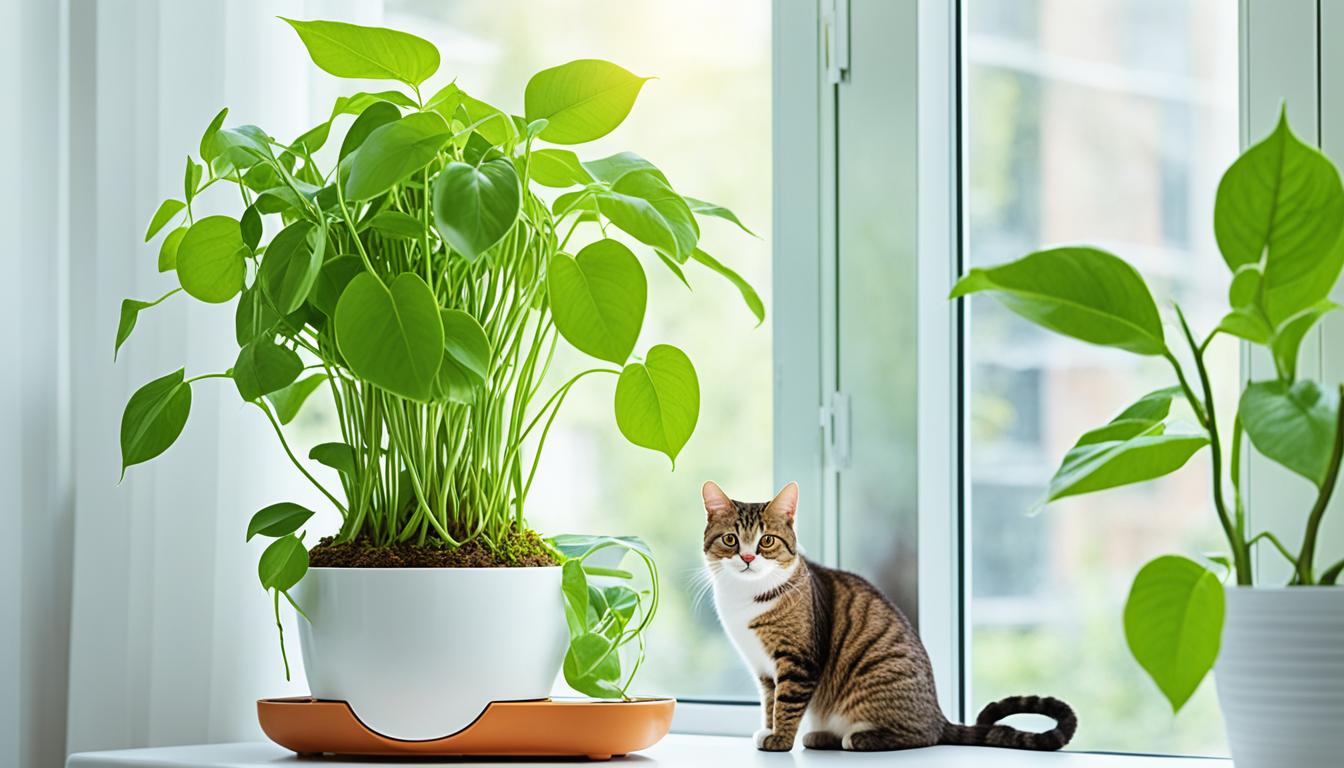
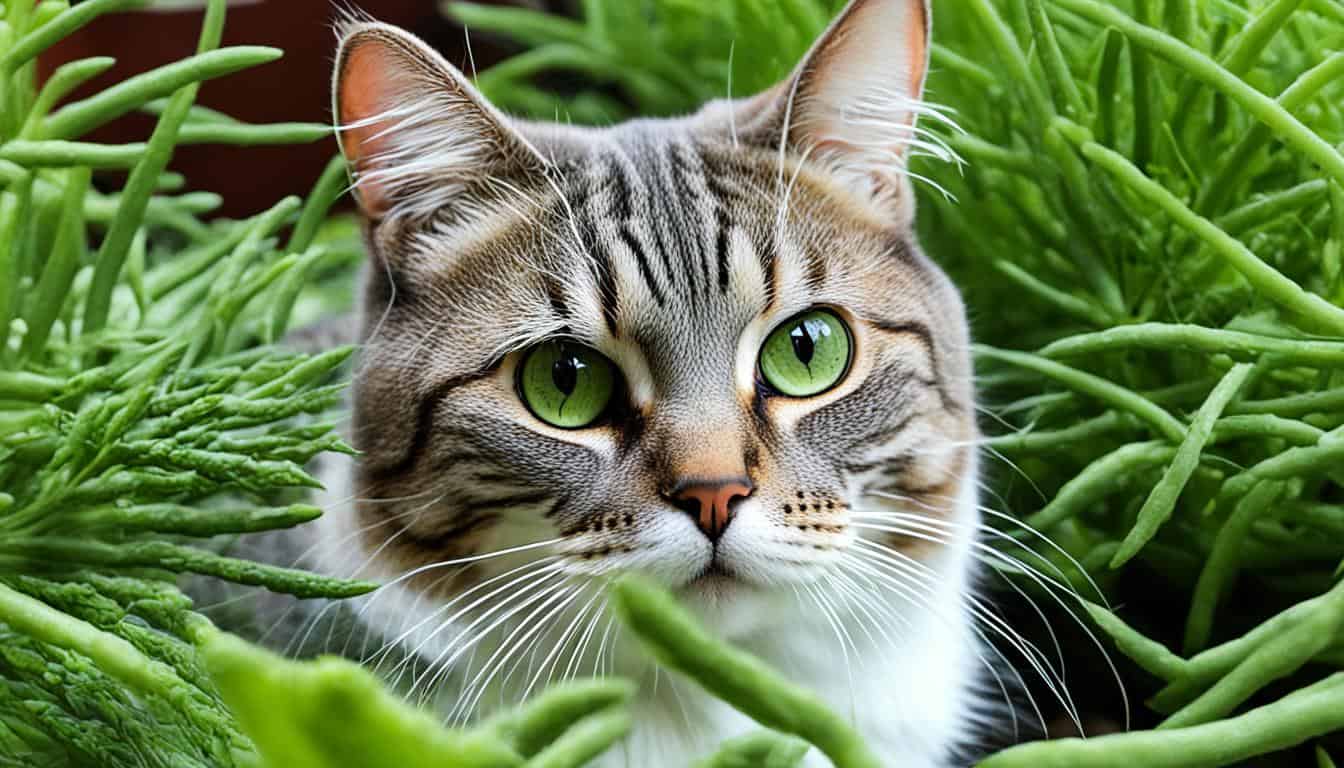
Sago palms, also known as Coontie palms, Cardboard palms, or Japanese cycads, are popular plants commonly found in outdoor landscapes and as indoor decor. However, pet owners need to be aware of the dangers these plants pose to cats. Ingestion of any part of the sago palm, especially the seeds (nuts), can have serious health effects and even lead to death in feline companions.
Recognizing the signs of sago palm poisoning and taking immediate action is essential in safeguarding your cats’ well-being. The toxic compounds present in sago palm can cause severe gastrointestinal upset, neurological issues, and liver damage in cats. It is crucial to prioritize awareness and prevention to avoid such instances.
All parts of the sago palm plant are toxic to cats, making it essential for cat owners to be aware of the potential dangers. The sago palm contains several toxic compounds, including cycasin and cycad, which can have severe effects on a cat’s health.
The seeds of the sago palm are particularly poisonous, containing higher concentrations of these toxic compounds. When a cat ingests any part of the sago palm, especially the seeds, it can lead to serious health issues.
Once ingested, the toxic effects can begin within as little as 15 minutes. Cats may experience gastrointestinal upset, such as vomiting and diarrhea, as well as depression, weakness, and drooling. More severe symptoms may arise, including neurological problems like tremors and seizures. In some cases, sago palm ingestion can even cause liver damage in cats.
It is crucial for cat owners to promptly recognize these symptoms and seek immediate veterinary attention. Time is of the essence in mitigating the toxicity and preventing further complications. The swift action can significantly increase the chances of a positive outcome for the cat.
“The deadly compounds found in all parts of the sago palm can quickly wreak havoc on a cat’s health. It’s vital for cat owners to be aware of these dangers to protect their feline companions.”
Ensuring the well-being of cats in homes that feature sago palms requires careful attention and proactive measures. Cat owners need to educate themselves on the risks associated with sago palm toxicity and take appropriate steps to safeguard their furry friends.
It is important to keep sago palms out of reach of cats and remove them entirely from the home environment. This includes both indoor and outdoor spaces. When purchasing plants, cat owners should be cautious and inquire about any associated warnings or toxicities. Additionally, regular inspection of houseplants is essential to identify any sago palms that may have been mistakenly included in the collection.
By taking proactive measures to eliminate sago palms from the surroundings and raising awareness about their toxicity, cat owners can help ensure the safety and well-being of their beloved feline companions.
If you suspect your cat has ingested sago palm, it is important to contact your veterinarian immediately. Symptoms of sago palm toxicity in cats can vary depending on the severity of the poisoning and the amount ingested. The early signs may include depression, drooling, vomiting, and diarrhea. As the poisoning progresses, more serious symptoms such as weakness, tremors, and seizures may occur.
To diagnose sago palm poisoning in cats, your veterinarian will conduct a thorough physical examination. They may also recommend blood work to assess liver function, as sago palm ingestion can cause severe damage to the liver. Additionally, other diagnostic tests such as ultrasound may be performed to further evaluate your cat’s condition.
Early detection and treatment are crucial in treating sago palm poisoning in cats. The sooner your cat receives medical care, the better the chances of a successful outcome. If you suspect your cat has ingested sago palm, do not hesitate to seek veterinary attention.
“A prompt diagnosis is essential to prevent further complications and provide the appropriate treatment for your cat. Sago palm poisoning can have severe effects on your cat’s health, including liver damage and even death. It is crucial to act quickly and rely on the expertise of your veterinarian.”
| Symptoms of Sago Palm Toxicity in Cats | Treating Sago Palm Poisoning in Cats |
|---|---|
|
|
When it comes to treating sago palm poisoning in cats, prompt action is crucial. The treatment primarily focuses on decontamination, providing supportive care, and addressing the specific symptoms exhibited by the affected feline companions.
One of the common decontamination methods involves inducing vomiting in cats to eliminate any remaining ingested sago palm plant material. Additionally, activated charcoal may be administered to absorb any toxins present in the gastrointestinal tract, preventing further absorption into the body.
In cases of sago palm poisoning, cats may experience gastrointestinal issues and require medications to protect the stomach and intestines. These medications help alleviate any inflammation or damage caused by the toxic compounds found in the sago palm plant.
Depending on the severity of the poisoning, hospitalization may be necessary. During hospitalization, intravenous fluids may be administered to maintain hydration and aid in flushing out the toxins from the cat’s system. Furthermore, liver protectants and other supportive therapies may be provided to support liver function and overall well-being.
In severe cases of sago palm poisoning, more intensive therapy might be required. This may include blood transfusions to restore the cat’s red blood cell count or oxygen supplementation to assist with breathing difficulties.
It is important to note that treatment for sago palm poisoning in cats should be carried out by a veterinarian. Only they possess the expertise and necessary resources to provide appropriate medical care tailored to the individual needs of the affected cats.
The prognosis for cats that have ingested sago palm depends on various factors, including the severity of the poisoning, the time to treatment, and the overall health of the cat. Early detection and prompt medical attention are crucial in increasing the chances of recovery and minimizing long-term effects. However, severe cases of sago palm ingestion can lead to significant liver damage or even death.
Closely monitoring cats that have ingested sago palm is essential. After the initial treatment, it is important to follow up with continued veterinary care and regular check-ups to assess the cat’s overall health and well-being.
One of the potential long-term effects of sago palm ingestion in cats is liver damage. The toxic compounds present in the plant can lead to hepatotoxicity, which is the damage or dysfunction of liver cells. If the liver is severely affected, it may result in chronic liver disease or even liver failure.
Cats with long-term liver damage may exhibit symptoms such as jaundice (yellowing of the skin and eyes), loss of appetite, weight loss, increased thirst, and behavioral changes. Ongoing veterinary care, including regular liver function tests and appropriate management, is crucial in mitigating the progression of liver damage and providing the best quality of life for affected cats.
In severe cases of sago palm ingestion, especially if immediate medical attention is not sought, the outcome can be fatal. The toxic compounds within the sago palm can cause significant damage to various organs, leading to multi-organ failure and death.
It is important to recognize the potential dangers of sago palm ingestion in cats and take preventative measures to minimize the risk. Keeping sago palms out of reach and promptly seeking veterinary care if ingestion occurs can help prevent life-threatening situations.
| Prognosis Factors | Effect on Recovery |
|---|---|
| Severity of poisoning | Affects the prognosis |
| Time to treatment | Early treatment improves prognosis |
| Overall health of the cat | Better health increases chances of recovery |
To ensure the health and safety of your feline companions, it is crucial to take preventive measures to avoid sago palm poisoning. By following these steps, you can minimize the risks and protect your cats from the harmful effects of sago palms.
Remember, an informed and vigilant approach to sago palm care for cat owners is crucial in maintaining a safe environment for your furry friends.

Here are some additional tips to enhance sago palm toxicity awareness for cats and ensure their well-being:
“Preventing sago palm poisoning in cats requires proactive measures and a commitment to their well-being. By removing these toxic plants from your living spaces, staying informed, and educating others, you can safeguard your beloved felines from unnecessary health risks.” – Dr. Jennifer Thompson, Veterinarian
| Plant Name | Toxicity to Cats |
|---|---|
| Sago Palm | Highly toxic |
| Cardboard Palm | Toxic |
| Castor Bean | Highly toxic |
| Lilies | Highly toxic |
| Oleander | Highly toxic |
Awareness of sago palm toxicity in cats plays a crucial role in safeguarding their health. As loving pet owners, it is important to educate ourselves about the dangers of sago palms to prevent potential poisoning incidents. However, in case of emergencies, it is comforting to know that organizations like the Pet Poison Helpline are readily available to provide valuable assistance and treatment advice for both pet owners and veterinary professionals.
The Pet Poison Helpline offers a 24/7 hotline staffed by trained veterinary professionals who specialize in pet toxicology. These experts can guide you through the necessary steps to follow if you suspect your cat has been exposed to sago palm or any other potentially harmful substances. Their knowledge and expertise are invaluable in assessing the level of risk and advising on appropriate action.
Having the Pet Poison Helpline’s contact information readily accessible can make all the difference in a time-sensitive situation. In an emergency, quick action is crucial, and having professional advice at your fingertips can help you provide the best possible care for your feline friend.
“It is comforting to know that organizations like the Pet Poison Helpline are readily available to provide valuable assistance and treatment advice for both pet owners and veterinary professionals.”
In addition to sago palms, cat owners should be aware of other plants that can pose a danger to their feline companions. By familiarizing yourself with these potential hazards and taking necessary precautions, you can ensure the safety and well-being of your cats.
Similar to sago palms, there are related plants that share similar toxicity risks. One such plant is the cardboard palm (Zamia furfuracea), which is often mistaken for a sago palm due to its similar appearance. However, the cardboard palm also contains toxins that can be harmful to cats if ingested.
To protect your cats from toxic plants, it is important to be knowledgeable about the various species that pose a risk. Below is a list of common plants that are toxic to cats:
| Common Name | Scientific Name |
|---|---|
| Lilies | Lilium spp. |
| Tulips | Tulipa spp. |
| Azaleas | Rhododendron spp. |
| Oleander | Nerium oleander |
| Dieffenbachia | Dieffenbachia spp. |
It is crucial to keep these plants out of reach of your cats to prevent accidental ingestion. If you suspect that your cat has ingested any of these toxic plants, contact your veterinarian immediately for further guidance.
Here are some preventive measures you can take to minimize the risk of plant toxicity for your cats:
By being proactive and taking appropriate measures, you can create a safer environment for your cats and minimize the risk of plant poisoning.

Sago palm toxicity poses significant health risks to cats, potentially leading to gastrointestinal issues, liver damage, and even death. As a responsible cat owner, it is vital to be aware of the dangers associated with sago palms and take proactive measures to protect your feline companions.
Prevention is key when it comes to safeguarding your cats from sago palm toxicity. Removing any sago palms from your home or yard is crucial, as all parts of the plant, especially the seeds, are highly toxic. Regularly checking your houseplants for any signs of sago palms and promptly removing them is essential to ensure your cats’ safety.
If you suspect that your cat has ingested sago palm, immediate veterinary care is crucial. Acting swiftly increases the chances of successful treatment and recovery. Contact your veterinarian without delay to seek the necessary assistance and guidance to mitigate the impact of sago palm poisoning.
Yes, all parts of the sago palm, including the seeds, are toxic to cats.
Symptoms of sago palm poisoning in cats may include depression, drooling, vomiting, diarrhea, weakness, tremors, and seizures.
If you suspect your cat has ingested sago palm, contact your veterinarian immediately for guidance.
Diagnosis of sago palm poisoning in cats involves a physical examination, blood work to assess liver function, and potentially other diagnostic tests such as ultrasound.
The treatment for sago palm poisoning in cats focuses on decontamination, supportive care, and addressing specific symptoms. This may include induced vomiting, administration of activated charcoal, intravenous fluids, and medications to protect the gastrointestinal tract.
The prognosis for cats with sago palm poisoning depends on the severity of the poisoning, the time to treatment, and the overall health of the cat. Early detection and prompt medical attention increase the chances of recovery.
The best way to prevent sago palm poisoning in cats is to keep them away from these plants altogether. Remove sago palms from your home or yard, and be cautious when purchasing plants as not all retailers provide warning labels.
Organizations like the Pet Poison Helpline can provide valuable assistance and treatment advice for potential poisoning incidents. Keep their contact information readily available in case of emergencies.
Yes, there are other plants that can be toxic to cats. It’s important for cat owners to be aware of these potential dangers and take necessary precautions.