 11
11
Dogs can get allergies just like us. Knowing what kinds of allergies they can have and what sets them off helps us take better care of them.
Dogs can have different kinds of allergies, and some breeds are more likely to get them because of their genes. If a dog is allergic to one thing, it might get more allergies later on. The most common types of allergies in dogs are:
Dust and Dander Allergies: These are a lot like human allergies. Your dog might sneeze, have a runny or stuffy nose, and get red, itchy eyes. In worse cases, they might cough, wheeze, or have trouble breathing.
Food Allergies: Some dogs can’t handle certain foods. This can cause skin rashes, gas, constant licking, and vomiting. While it’s rare, some dogs can go into shock from food allergies, so it’s important to figure out what they can’t eat.
Insect Allergies: Some dogs are allergic to bug bites or stings. This can cause itching, swelling, hives, vomiting, and in severe cases, swelling of the tongue and throat, making it hard to breathe.
Pollen and Mold Allergies: Just like us, dogs can get seasonal allergies. Pollen and mold can make them sneeze, have a runny nose, and get itchy eyes. They might also cough and have trouble breathing.
Knowing what triggers your dog’s allergies is key to managing them. Here are some common culprits:
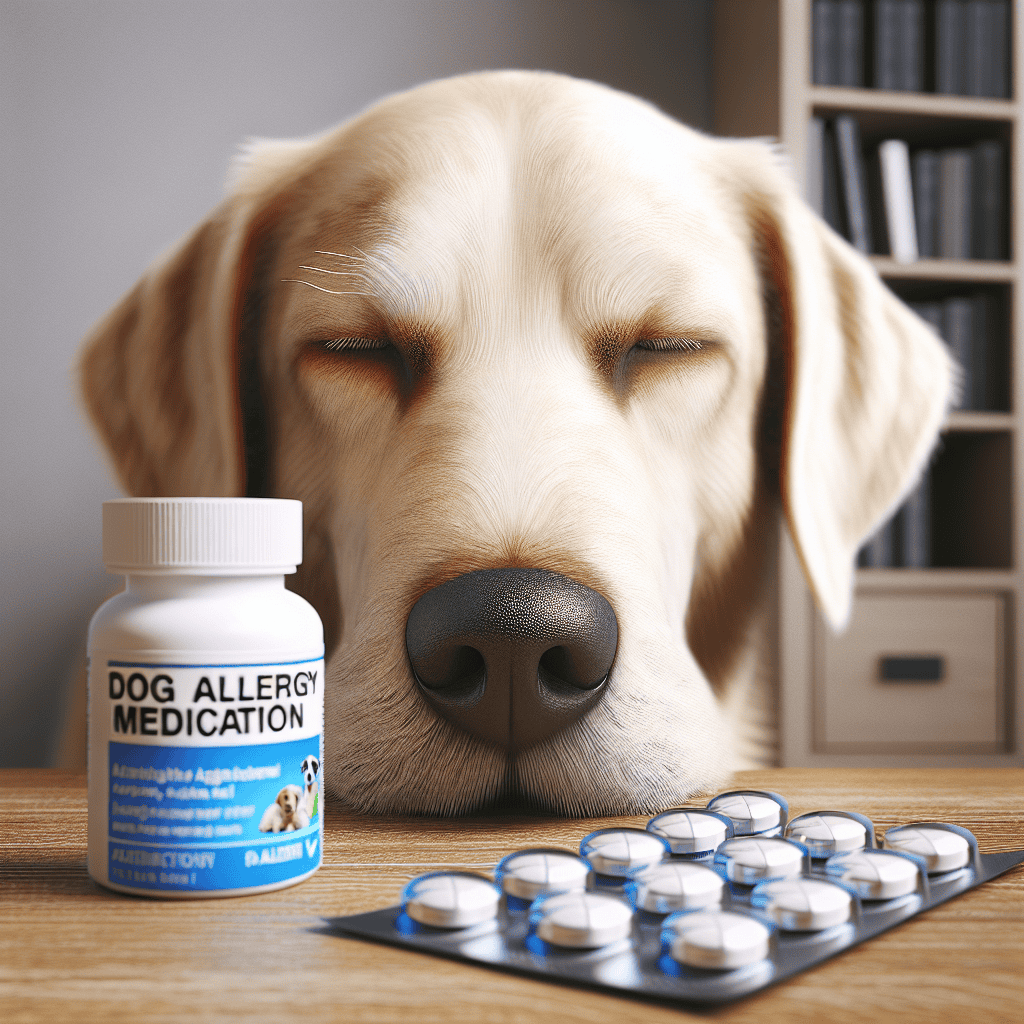
By knowing what types of allergies dogs can have and what triggers them, you can help manage your dog’s symptoms. From hypoallergenic dogs to dog allergy medication, there are many ways to help your dog feel better and live a happier life.
Seasonal allergies in dogs can be a real pain, both for them and for us as pet owners. Knowing what to look for and getting a proper diagnosis is key to helping our furry pals feel better.
Dogs with seasonal allergies show a bunch of symptoms, and they can range from mild to pretty severe. Here’s what to keep an eye out for:
The paws, toes, ears, underarms, groin, and muzzle are usually the most affected areas. Symptoms often start showing up when dogs are between 1 and 3 years old (GoodRx).
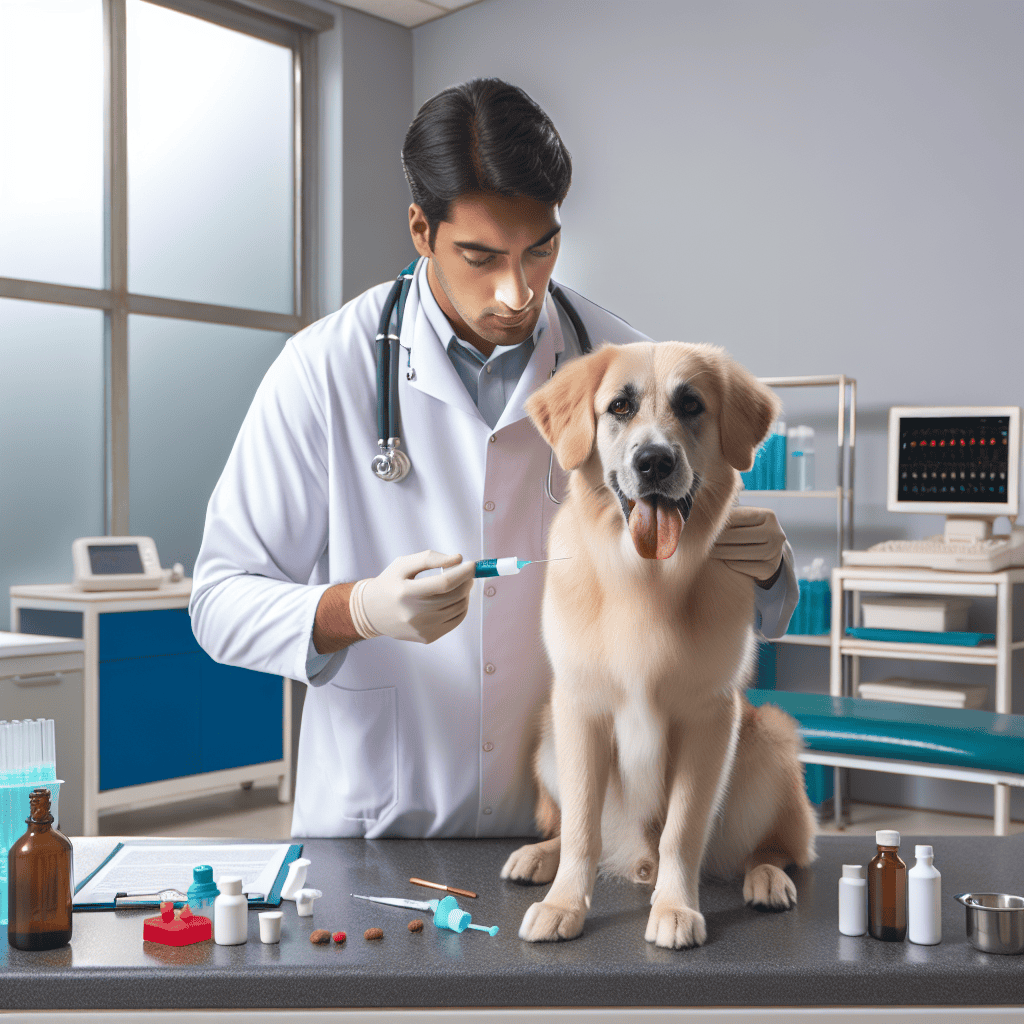
Think your dog might have seasonal allergies? Time to call the vet. Diagnosing these allergies means ruling out other stuff first.
Here’s what the vet might do:
Medical History: The vet will ask about your dog’s symptoms, how long they’ve been happening, and any potential triggers.
Physical Exam: They’ll give your dog a thorough once-over, checking their skin, coat, and overall health to see if there are any secondary infections or other skin issues.
Allergy Testing: To pinpoint the exact allergens, the vet might do blood tests or skin tests. This helps figure out if it’s something in the environment or their food that’s causing the reaction (Vetster).
Once you know what’s causing the allergies, you can start managing them and making your dog more comfortable. For tips on treatment and prevention, check out our article on treatment options.
Got a dog with seasonal allergies? You’re not alone. Let’s break down some ways to help your furry buddy feel better, both at home and with a little help from the vet.
Here are some simple steps you can take at home to ease your dog’s allergy symptoms:
Avoiding Allergens: Try to keep your dog away from things that set off their allergies. This might mean keeping them inside during high pollen times, keeping their environment clean, and steering clear of certain plants or grasses.
Healthy Diet: Feeding your dog a balanced diet can boost their overall health. While it won’t cure allergies, a strong immune system can handle allergic reactions better. Talk to your vet to make sure your dog’s diet is spot-on, especially if they have any food allergies.
Bathing and Grooming: Regular baths and grooming sessions can wash away allergens stuck in your dog’s fur. Use hypoallergenic shampoos made for dogs with allergies to soothe their skin and cut down on itching.
Natural Remedies: Some dog owners swear by natural remedies like oatmeal baths, coconut oil, or herbal supplements. Before trying anything new, check with your vet to make sure it’s safe and suitable for your dog’s needs.
If home remedies aren’t cutting it, or if your dog’s allergies are pretty bad, it’s time to call in the pros. Here are some common vet treatments for dog allergies:
Antihistamine Medications: Antihistamines can help with itching and other allergy symptoms. Always check with your vet before giving your dog any meds to get the right dosage and avoid any bad interactions with other treatments. Sometimes, vets might suggest over-the-counter options like Benadryl.
Anti-Inflammatory Steroids: For more serious cases, vets might prescribe steroids to reduce inflammation and ease symptoms. These need to be used carefully under a vet’s watch because of potential side effects.
Allergy Testing: Your vet might suggest allergy testing to pinpoint what’s causing your dog’s symptoms. This can involve blood tests or skin tests to identify specific allergens.
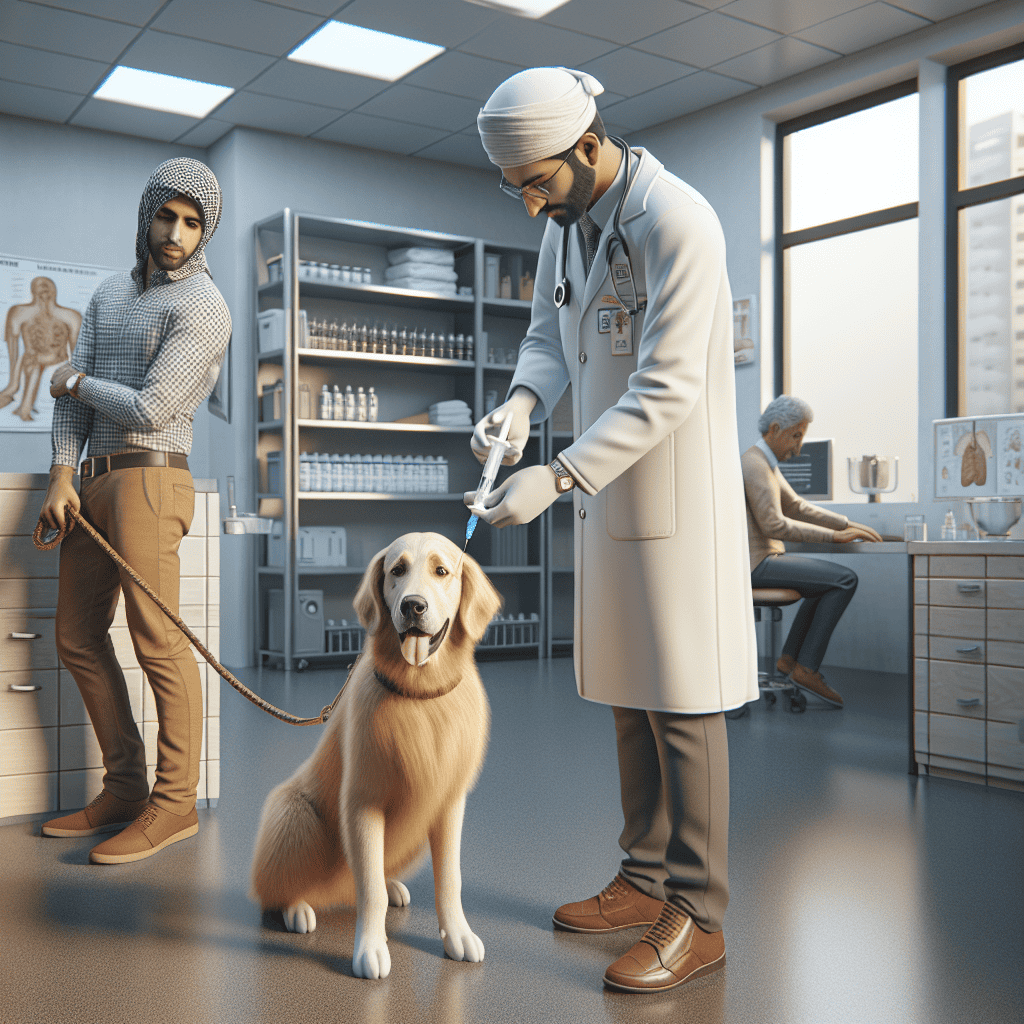
Allergy Shots: Also known as immunotherapy, these shots can help dogs with severe allergies by gradually desensitizing their immune system to the allergens. These are usually given by a vet and can make a big difference over time.
Work closely with your vet to figure out the best treatment plan for your dog’s seasonal allergies. They can offer advice, prescribe meds, and suggest other strategies to manage symptoms. By combining vet treatments with at-home care, you can help your dog feel better and enjoy life more.
Dealing with your dog’s seasonal allergies can be a real headache, but with the right steps, you can make life a lot easier for your furry buddy. Let’s break it down so you can help your dog feel better and stay comfortable.
First things first, you need to figure out what’s causing your dog’s allergies. Dogs can be allergic to all sorts of things like dust, dander, pollen, and even some foods. If your dog has one allergy, they’re more likely to develop others too. Your vet might suggest some allergy tests to pinpoint the exact culprits.
Once you know what’s bugging your dog, here’s what you can do:
Even with the best prevention, you can’t always keep all allergens away. So, managing your dog’s allergies at home is super important. Here’s how:
Sometimes, your vet might suggest allergy shots to help your dog’s immune system get used to specific allergens. Special diets can also help manage skin allergies.
Remember, your vet is your best ally in managing your dog’s allergies. They can give you personalized advice and recommend treatments that are just right for your dog. By working together and following these tips, you can help your dog feel better and enjoy life more.