 11
11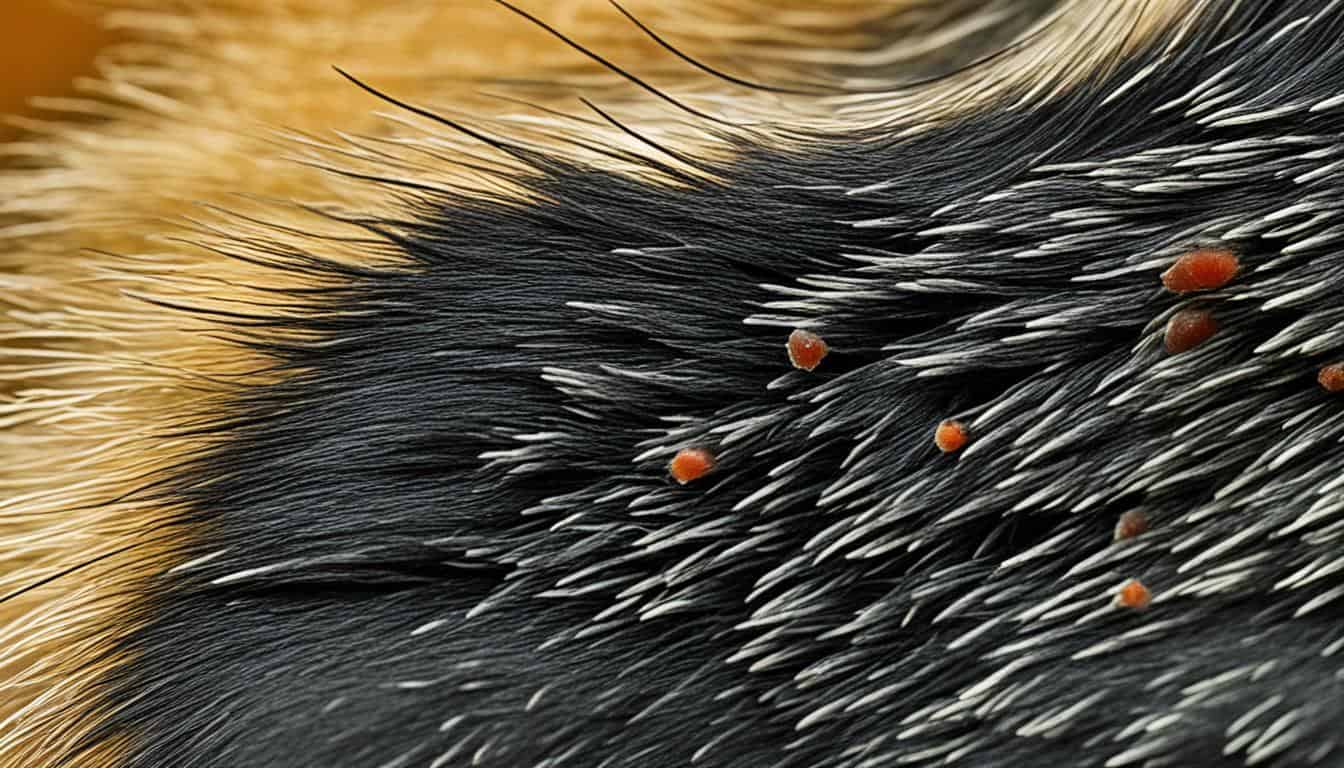

Fleas make dogs itch and feel uncomfortable. It’s key to know where they hide to tackle an infestation. Experts point out that flea eggs, larvae, and pupae prefer moist, shady spots. They often lurk under bushes, trees, and leaves.
Bright, sunny spots like open lawns are usually free of fleas. Fleas also seek warmth and can be found in spots like a dog’s neck, shoulder blades, tail, and back legs. Knowing these hideouts is vital for stopping and treating flea problems.
It’s key to check your dog for fleas to catch them early. This helps keep your pet healthy and happy. You should look for fleas often and know the signs.
Does your dog itch a lot? This could be a flea sign. Look for red spots on their belly, groin, and tail. These signs mean your dog might have fleas.
Dry skin and losing hair can also mean your pet has fleas. These bugs drink blood, causing skin problems. You might see flaky skin and hair loss in places.
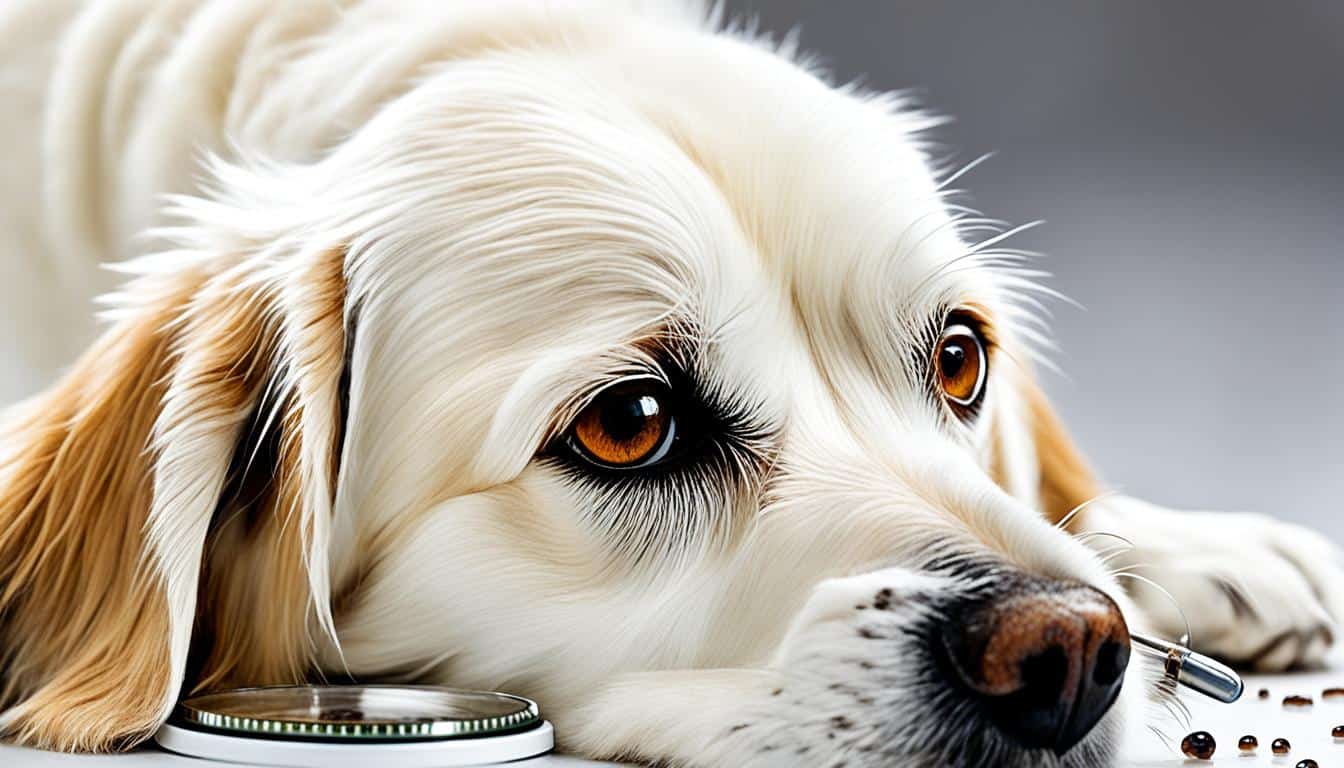
Spotting adult fleas is tough. But, you can look for “flea dirt” as a clue. It’s small, dark bits on your dog’s skin. If it turns reddish-brown in water, that confirms fleas.
“Checking your dog for fleas often is essential. This stops and manages infestations. By being careful and quick, you can save your dog from flea troubles.”
It’s better to prevent fleas than to treat them. Regular checks help catch fleas early. Doing this keeps your dog healthy and joyful.
Flea infestations in dogs are a big deal. It helps to know the common flea types that bother them. There are more than 2,000 flea species worldwide. Yet, the ones usually found on dogs are Ctenocephalides felis (domestic cat flea) and Ctenocephalides canis (common dog flea).
These two flea kinds can infest dogs, cats, and other animals too. Knowing which fleas are common helps treat flea problems on dogs better.
| Flea Species | Commonly Found On |
|---|---|
| Ctenocephalides felis (domestic cat flea) | Both dogs and cats |
| Ctenocephalides canis (common dog flea) | Primarily dogs but can also affect cats and other animals |
The table shows both fleas can infest dogs. But, Ctenocephalides felis (domestic cat flea) is more common in cats. Remember, these fleas can infest more than one type of animal.
Knowing about dog flea species is key to preventing and treating them. By understanding these fleas, pet owners can better protect their dogs from getting infested.
To get rid of fleas on dogs, several effective methods work well. Following the right steps and using the right treatments will keep your dog happy and free from itching.
Regularly bathing your dog with warm water and mild soap helps remove fleas. Warm water drowns the fleas, and the soap eliminates them. Focus on areas like the neck, shoulder blades, and back legs where fleas hide.
A flea comb is useful for trapping and removing fleas from your dog’s fur. Comb gently, especially around the ears, tail, and groin. The comb’s teeth catch the fleas, making it easy to get rid of them. It also removes flea dirt and eggs.
Several topical treatments and chewable medications can kill and repel fleas. They usually have insecticides or regulators that target fleas at all stages. Always consult with your vet to find the best option. Follow your vet’s and the manufacturer’s instructions for use and dosage.
Treating your dog isn’t enough; you must also treat your home. Use flea control products like sprays, powders, and foggers for carpets, furniture, and surfaces. Read the product instructions for effectiveness. Regular vacuuming and washing bedding also help.
“Treaching your dog alone is not enough to eliminate fleas completely. It’s crucial to address the environment as well to prevent reinfestation.” – Dr. Emily Carter, Veterinarian
Prevention works best for keeping fleas at bay. Use flea prevention products like collars or topical treatments regularly. Also, keep your pet’s living area clean by washing their bedding and cleaning your home. This minimizes flea risks.
Using these methods and keeping up with prevention will ensure your pet stays flea-free. A happy dog makes for a happy home.
To keep your furry companion flea-free, prevention is essential. Implement a few simple steps, significantly lowering the flea risk. This ensures your dog stays happy and comfortable.
For flea prevention, talking to your vet is a great start. They can suggest products to keep fleas away all year. Flea collars are a good choice, offering six months of protection. This keeps your dog flea-free without hassle.
It’s critical to wash your dog’s bedding regularly. Fleas and eggs can lurk in the fabric. Hot water washes can kill them. Also, inspect where your dog hangs out for fleas. By vacuuming those spots often, you can get rid of fleas or eggs hiding there.
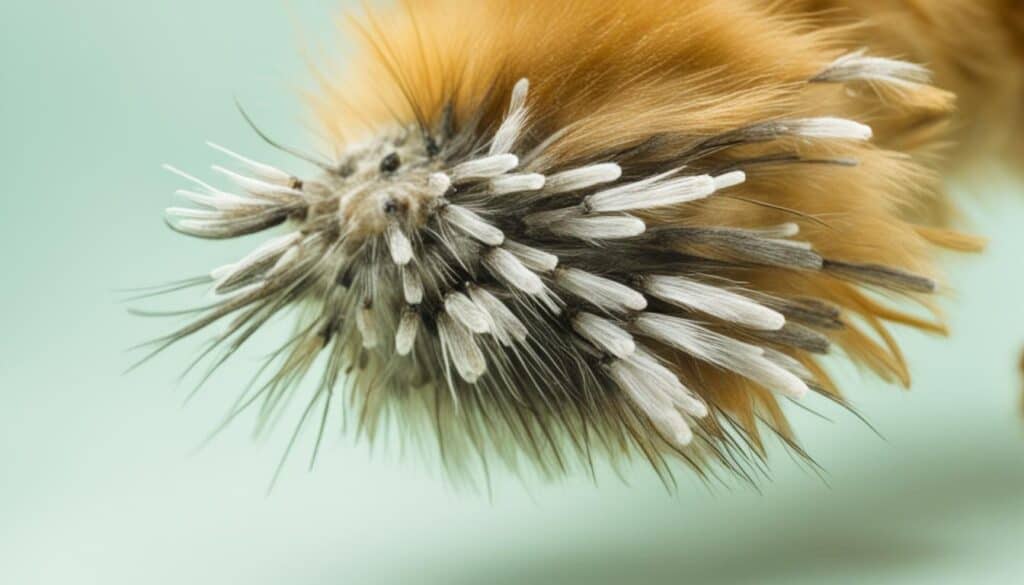
Grooming is key in fighting fleas. Brushing not only makes your dog’s fur look great but helps find fleas or flea dirt. Use flea combs to catch fleas and their eggs. Focus on warm spots where fleas love to hide, like behind ears or the back.
Besides vet advice, flea preventive meds work well. There’s a variety of flea control products like spot-ons or pills. They contain ingredients that kill or keep fleas away, protecting your furry friend. Remember to use these products as your vet instructs.
Following these steps dramatically lowers the chance of fleas on your dog. Keeping up with flea prevention all year helps your pet stay free from itching and discomfort. It’s key for your dog’s good health and happiness.
To fight fleas well, it helps to know how they live and grow. Fleas are tiny blood-sucking bugs that affect dogs often. Despite their short lives, they lay many eggs quickly. This can lead to a fast-growing flea problem if not addressed.
Flea eggs, larvae, and pupae thrive in damp, shady places. These spots offer perfect conditions for fleas to grow, making them tough to get rid of.
Knowing about flea life stages is key to getting rid of them. Fleas go through four parts of life: egg, larva, pupa, and adult. The eggs start on a host, like your dog, but fall into places like beds or carpets. Larvae hatch from these eggs and eat organic stuff and flea droppings. Then, they turn into pupae and wrap themselves in cocoons.
While in cocoons, fleas are hard to find and kill. They can stay in this stage from a few days to months, depending on the weather. When adult fleas come out, they look for a host to feed on and lay eggs, continuing their cycle.
Fleas hide in warm spots on dogs, like the neck and hind legs. They can be elsewhere too. Regular cleaning and checks can reveal these spots for treatment.
Knowing how fleas live and grow is vital for stopping them. By attacking the adult fleas on your dog and their young ones in your home, you can end the cycle and solve the problem.
Now you know more about how fleas affect dogs. It’s time to fight these annoying bugs. A good plan for stopping and treating fleas will keep your pet happy and flea-free.
Keep reading to learn about deep cleaning for flea problems and how to clear your home of fleas.
In severe cases of flea infestations, it’s key to deep clean your home and fabrics. Taking steps to remove fleas from your space helps fight the infestation and stops more in the future.
Start by washing all fabric items in hot water. This includes bedding, blankets, towels, and other fabrics fleas may touch. Using high heat kills fleas and eggs, making your fabrics safe again. Always check the washing instructions for your items.
Vacuuming daily is crucial in battle against fleas. Fleas and their eggs can hide in carpets and furniture. Careful vacuuming, especially where pets hang out, removes these pests. Always throw out the vacuum bag or clean the canister right after.
Cleaning rugs well is also important to get fleas out of your home. Fleas can hide in rug fibers, which makes them tough to find. Steam clean your rugs with hot water and detergent or get professional help for a deep clean.
Disinfectant sprays and flea prevention tools also help in fighting fleas. Market has many sprays for carpets and furniture to kill fleas and stop them from growing. Flea traps can catch adult fleas, lowering their numbers in your home.
Don’t forget to treat your dog for fleas while cleaning. Treating both your pet and home at the same time interrupts the flea cycle. This ensures your efforts give long-term relief.
In summary, deep cleaning your home and fabrics is vital to tackle serious flea problems. Washing fabrics in hot water, daily vacuuming, rug steam cleaning, using flea sprays, and treating your dog work together to eliminate fleas. For more advice, talk to a vet about flea control products and methods.
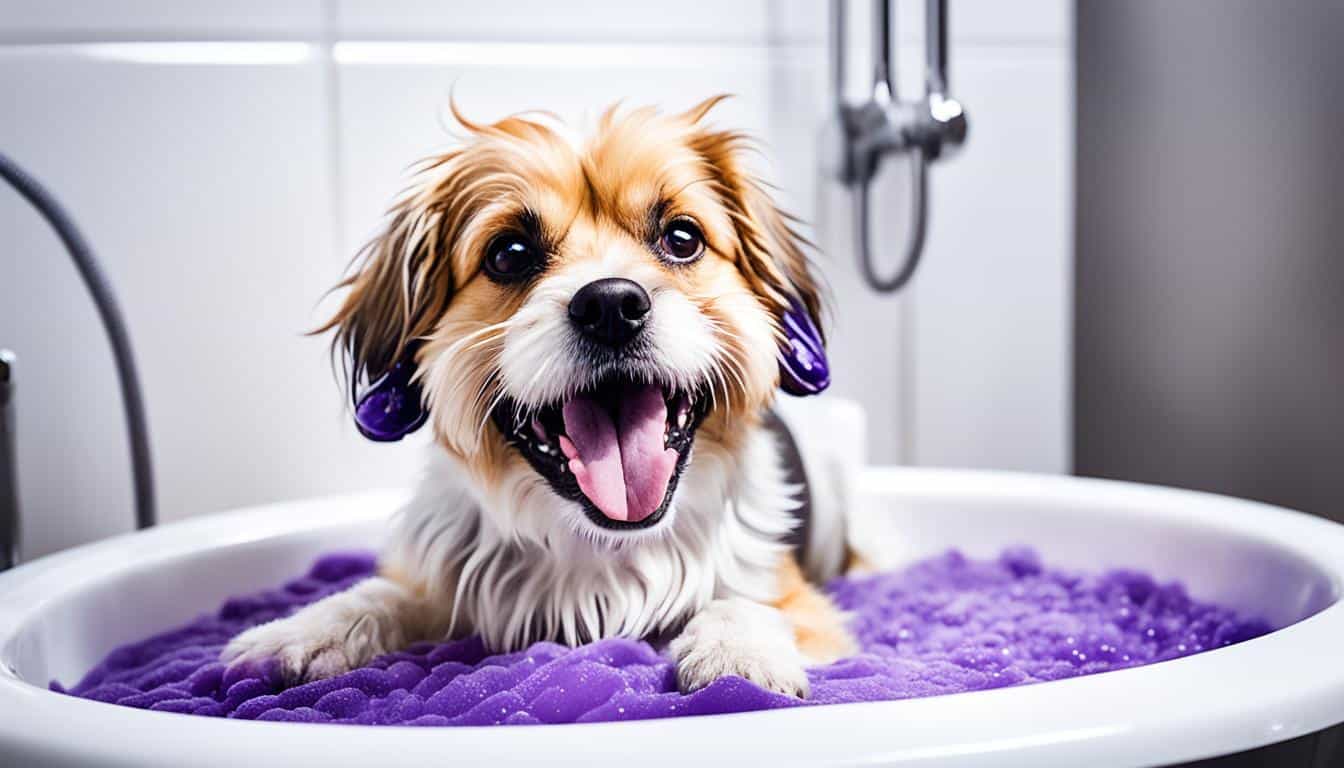
Bathing your dog with flea shampoo is a great way to remove fleas. It provides relief too. Flea shampoos for dogs have special meds that kill fleas when they make contact. Just follow the shampoo’s instructions to get rid of fleas in your dog’s coat.
Bathing your dog with this shampoo once a week is good. It stops the fleas from coming back. Make sure to rub the shampoo well into your dog’s fur. Focus on the neck, back legs, and tail where fleas hide.
For puppies or kittens, you can use Dawn dish soap instead. Dawn is gentle and won’t hurt their skin. But, don’t use it too much as it can dry out their skin. Stick to flea prevention products after handling the infestation.
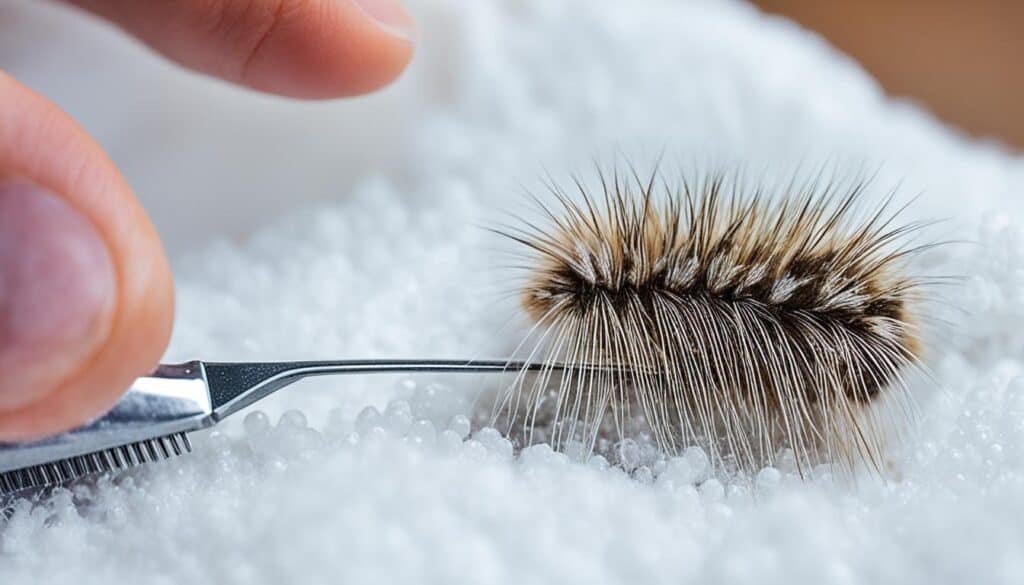
A flea comb helps to get rid of any left-over fleas and their eggs. Its fine teeth catch the fleas. Comb your dog’s fur carefully, especially where fleas gather. After combing, put the comb in soapy water to kill the fleas.
Keep bathing and shampooing your dog regularly to avoid fleas. Adding these steps to your care routine makes a happier pet.
Flea combs are a great way to catch fleas and their eggs on your dog. They let you remove fleas directly from the fur. This stops them from harming your dog further. To do it right, you must be quick and thorough.
Finding fleas on your dog means you can get rid of them by hand. It sounds tough, but it works. Make a mix of warm water and dish soap. The soap makes it hard for fleas to get away. Use your fingers to take the fleas off your pet and put them in the soapy water. It kills the fleas and stops more from coming.
It’s key to be quick when using flea combs and killing fleas by hand. Fleas move fast, so catch them before they spread or lay eggs. Stay alert and keep at it to make sure your dog stays flea-free.
Hand-killing fleas gives your dog quick relief and stops the infestation from growing.
| Flea Combs and Hand Killing | |
|---|---|
| Pros | Cons |
|
|
If you’re dealing with constant flea issues or worried about how to treat your dog, see a veterinarian. They offer expert suggestions and point out the best flea control solutions for your unique case. This professional can also help with any extra questions you have about finding and fighting fleas on dogs.
Fleas are a common problem for dogs. Yet, they can be managed with proper prevention and treatment. Knowing where fleas hide is vital for stopping them early.
Check your dog regularly for signs like itching and red bumps. This can help you act quickly against fleas.
Use the right flea control products and preventive steps to protect your pet. A vet can offer tailored advice and options for your dog’s needs.
Staying diligent in fighting fleas is crucial. Be proactive and look after your dog well. With the right care, a life without fleas for your dog is possible.
Fleas like to stay in moist, shaded spots like under greenery. They’re also found in warm spots on dogs, such as the neck and back legs.
Look for too much scratching, red spots on the belly and near the tail. Also check for dry skin, hair loss, and small dark specks that turn red when wet.
The domestic cat flea and the common dog flea are the most usual ones found on dogs.
Wash your dog with warm, soapy water and use a flea comb. Topical medicines or chewable from a vet work well too.
Get advice from a vet about flea control all year. Wash your dog’s sleeping area often. Look through your furniture for fleas to stop them from spreading.
Fleas feed on blood and lay many eggs. They prefer moist, shaded places and live shortly. Knowing this helps in fighting them off.
Wash all fabric items in hot water and vacuum every day. Clean rugs deeply, use disinfectant sprays, and apply flea control methods to get rid of fleas at home.
Bathe your dog with special shampoo or Dawn soap to remove fleas. Follow the given directions and don’t use Dawn soap too often.
Flea combs get rid of fleas and their eggs. Killing them by hand with a soap solution works too. You need to be quick to stop more fleas.
Yes, talking to a vet for expert tips on flea control and treatment is recommended.
Know where fleas hide, check your dog often, and use the right flea control methods. Prevent them from coming back and talk to a vet if needed.