 11
11

Ever wondered why dog flea bites seem to find you even when others are around? Even though fleas usually go for pets, they might bite humans too. This happens if their preferred host is missing or if there are lots of fleas.
Why some people get bitten more than others is not clear-cut. Different theories try to shed some light on this mystery.
Fleas usually bite pets like dogs and cats more than humans. But sometimes, they also bite people. This happens even though science can’t fully explain why. If many fleas are in one area, they might bite humans more often. There are theories on why some people get bitten more, but no solid proof.
If pets aren’t around, fleas might bite people instead. This could be because the pet is not there or there are lots of fleas. They need to feed on blood, so they turn to humans if pets are not available.
These ideas need more research to understand flea bite preferences fully. Remember, being bitten more doesn’t mean someone is better or worse. It’s just how fleas react.
“Fleas are driven by their need for a blood meal, and if their preferred host is not present, they may seek alternative sources, including humans.”
Why some people get bitten by fleas more is still not completely understood. While studies go on, it’s important to try to avoid bites. This means using flea control, keeping pets safe, and keeping your home clean.
We’ll now look at why fleas might prefer to bite some people and the potential risks of their bites.
Scientists don’t fully know why some people get bitten by fleas more than others. One idea is that our skin’s chemicals, including how we smell and the gases we emit, might attract or repel fleas. Another thought is that fleas might like the scents from our body or from things we put on, like soaps and deodorants. Also, being around fleas more often and how our bodies react to bites might matter too.
The mystery of why fleas bite some people more is being studied. It’s thought that the mix of chemicals in our skin, how we smell, and the gases we release could affect flea choices. Scientists think that there’s more to learn here, especially about how human scents and flea interactions work. This could lead to new discoveries.
There’s also a theory that the smells from our body or things we apply to it play a role. Fleas might be drawn to or pushed away by personal care products like soaps and deodorants. The idea is that the smell choices we make could sway a flea’s decision to bite. More research is needed to pinpoint the exact scents fleas are drawn to or repelled by.
Other factors might influence flea bites too, such as how much we’re around fleas and our body’s response to bites. Being in places with more fleas increases the chance of getting bitten. Some people’s bodies react differently to bites, making them more appealing to fleas. Exploring these individual differences is important for future studies.
Flea bites usually cause itchy and swollen spots on the skin. But, fleas can spread diseases that may lead to serious health problems. They can carry bacteria like Yersinia pestis, which causes the pneumonic plague. They also spread Rickettsia typhi, responsible for typhus fever. Although rare, it’s crucial to treat flea bites seriously and prevent them.
“Flea bites can lead to more than just discomfort — they can also pose a significant health risk,” states Dr. Sarah Johnson, a top veterinarian at PetHealth Clinic. “While most flea bites cause mild symptoms, like itching and redness, we must not forget that fleas can spread diseases with serious outcomes.”
Flea-borne illnesses are especially risky for people with weak immune systems, young children, and older adults. It’s key to know the risks of flea bites. Also, you should act to prevent or treat them. This means controlling fleas on your pets and around your home.
| Disease | Symptoms |
|---|---|
| Bubonic Plague | High fever, swollen lymph nodes, weakness |
| Pneumonic Plague | Chest pain, difficulty breathing, coughing up blood |
| Typhus Fever | Fever, headache, muscle aches, rash |
| Flea Allergy Dermatitis | Intense itching, redness, skin infections |
This table shows some major diseases that fleas spread. Even though these diseases are rare, they can be very serious. If you think you or your pet might have fleas or are showing symptoms, it’s important to get medical or veterinary help right away.
To keep fleas away and avoid their bites, take a few steps. These steps help protect you and your home from these annoying bugs:
Think about planting plants that naturally keep fleas away. Chamomile, citronella, lavender, and lemon are good choices. The scents from these plants make fleas stay away from your yard and garden.
Making simple changes to your hygiene can fend off fleas. Use soaps, shampoos, and lotions that have natural flea-repelling oils. For instance, products with citrus oils are good at keeping fleas away. Regular use may help you get fewer flea bites.
Along with using special hygiene products, you can put natural oils on your skin. Oils like lavender, eucalyptus, and lemongrass are known to keep fleas at bay. Mix these oils with a carrier oil, like coconut or almond oil. Then, apply it on your skin before heading outdoors.
Cleaning your home well helps stop fleas from coming in. Vacuum carpets, rugs, and furniture often, especially where your pet hangs out. Also, wash your pet’s bedding and blankets in hot water to kill fleas or their eggs.
Prevention is key to controlling fleas in your home. Use flea sprays or powders on carpets, furniture, and where your pet sleeps. Treat your pets with flea control products like collars, spot-on treatments, or pills. These products help keep fleas away for a long time.
By doing these things, you can fight off fleas and their bites. This makes your home a better place for you and your pets.
| Benefits of Repelling Fleas and Avoiding Bites |
|---|
| Prevents itchy flea bites on your skin. |
| Reduces the risk of flea-borne diseases. |
| Creates a more comfortable environment for you and your pets. |
| Prevents potential infestations in your home. |
Flea bites can cause a variety of diseases. These pose risks to pets and humans around fleas. It’s important to know the risks of flea bites and how to prevent them.
The most common condition is flea allergy dermatitis. This happens when someone is allergic to flea saliva. It can lead to itching, discomfort, and skin problems.
Another severe disease is Bartonella. It can cause heart issues, fever, and other serious problems.
Fleas can also spread tapeworms. These parasites live in intestines, causing digestive issues and complications.
Fleas may cause anemia by lowering red blood cell count. This can weaken the immune system and cause fatigue and weakness.
While these diseases are rare, they underline the importance of preventing flea problems. Quick and effective treatment is key.
To learn more about these conditions, look at the table below:
| Disease | Symptoms | Treatment |
|---|---|---|
| Flea Allergy Dermatitis | Severe itching, skin irritation, discomfort | Antihistamines, topical corticosteroids, flea control |
| Bartonella | Heart disease, fever, fatigue, joint pain | Antibiotics, flea control |
| Tapeworms | Abdominal pain, digestive issues, weight loss | Anthelmintic medications, flea control |
| Anemia | Fatigue, weakness, pale skin | Supplements, flea control |
Stopping flea bites and managing infestations is key for health. Understanding flea-borne disease risks helps protect pets and humans alike.
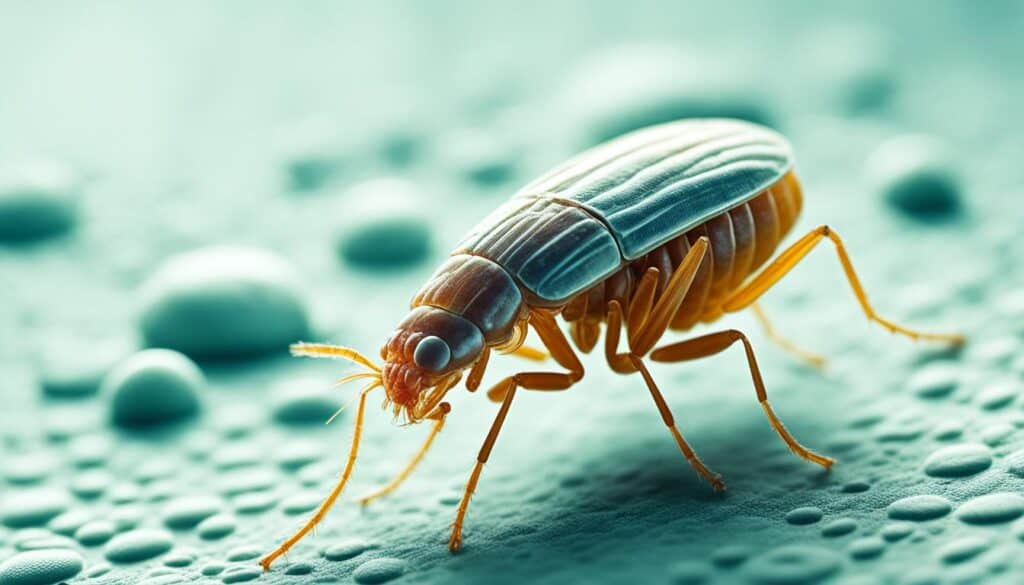
If you get bitten by fleas, you should act fast to ease the bites and feel better. Follow these easy steps to help your skin heal and feel less uncomfortable:
The first thing to do is wash the bite spot with soap and water. Cleaning helps get rid of dirt, germs, or flea spit. This lowers the chance of getting an infection.
Next, use a cream that fights itchiness on the flea bites. These creams calm the itch and swelling, giving you quick comfort. Choose creams from the store that have diphenhydramine or hydrocortisone in them.
Flea bites can make you really want to scratch, but that only makes things worse. Not scratching helps you heal faster and avoids infection. Keep from scratching to help your skin heal better.
Most of the time, you can take care of flea bites at home. But if the itching or swelling is really bad, or if you see pus or red lines, see a doctor. A doctor can offer the right treatment and advice.
By following these tips, you can handle flea bites well and start feeling better soon. Remember to keep the area clean, don’t scratch, and get help if it’s bad. With the right care, you’ll feel better in a few days and can be at ease again.
Keeping your dog free from fleas is key to safeguarding their health. A good flea prevention plan keeps your pet happy and healthy.
To keep fleas at bay, try the following:
Enhance your dog’s protection with these steps:
Each dog is unique and may need different flea prevention care. Always talk to your vet to find what’s best for your dog.
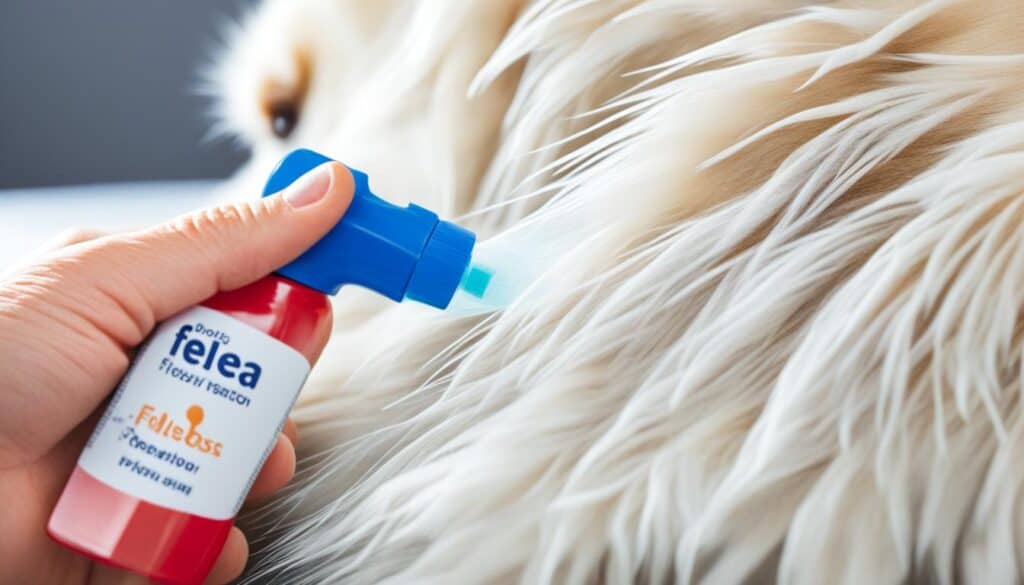
| Flea Prevention Methods | Effectiveness |
|---|---|
| Flea Collars | Highly effective in repelling fleas and preventing infestation |
| Topical Flea Treatments | Kills fleas on contact and provides long-lasting protection |
| Oral Preventive Products | Inhibits flea reproduction and disrupts their life cycle |
Talking to your vet and using different prevention ways will keep your dog safe from fleas. This protects their health and happiness.
Fleas sometimes bite humans, though they prefer pets more. We don’t fully understand why fleas choose certain hosts. However, aspects like body chemistry, scents, and how one reacts might influence their choice.
Flea bites can be annoying and sometimes spread illnesses. To prevent them, we can use flea repellents, treat places where fleas live, and keep our pets and homes flea-free.
Knowing how and why fleas bite helps us avoid them. With the right steps, we can reduce the risk of flea bites and the irritation they cause.
Usually, fleas go after pets like dogs and cats. However, if their go-to host isn’t around or if there are lots of fleas, they might bite humans.
Science doesn’t have a clear answer as to why fleas choose some people over others. However, many ideas try to explain this behavior.
Some think the chemicals on our skin, like our scent, can either draw in or push away fleas. Others believe it’s the smells our bodies or skin products give off that attract them.
Flea bites often cause itchy, swollen spots. In some rare cases, they can spread diseases and serious health problems.
Growing plants like chamomile and lavender can keep fleas at bay. Using different personal care items can help too.
Putting on natural oils and keeping your place clean are good steps. These actions make it easier to dodge flea bites and keep your home clear of fleas.
A big issue is flea allergy dermatitis, an allergic response to flea spit. Other concerns include Bartonella, leading to heart problems, and tapeworms in pets. Fleas can also trigger anemia in pets and people.
Clean the bite with soap and water to start. Putting on anti-itch creams can soothe itching and swelling. Try not to scratch to avoid infection. If things don’t improve, see a doctor.
Flea collars and topical solutions are effective against fleas. Keep your pet away from high-flea spots. Regular baths and grooming with flea shampoo also help.
Fleas usually target pets but may bite humans too. We’re still figuring out why they prefer certain hosts. Their bites can be annoying and sometimes harmful. By taking actions to repel, treat, and prevent, we can reduce the risks of flea bites and related health issues.