 11
11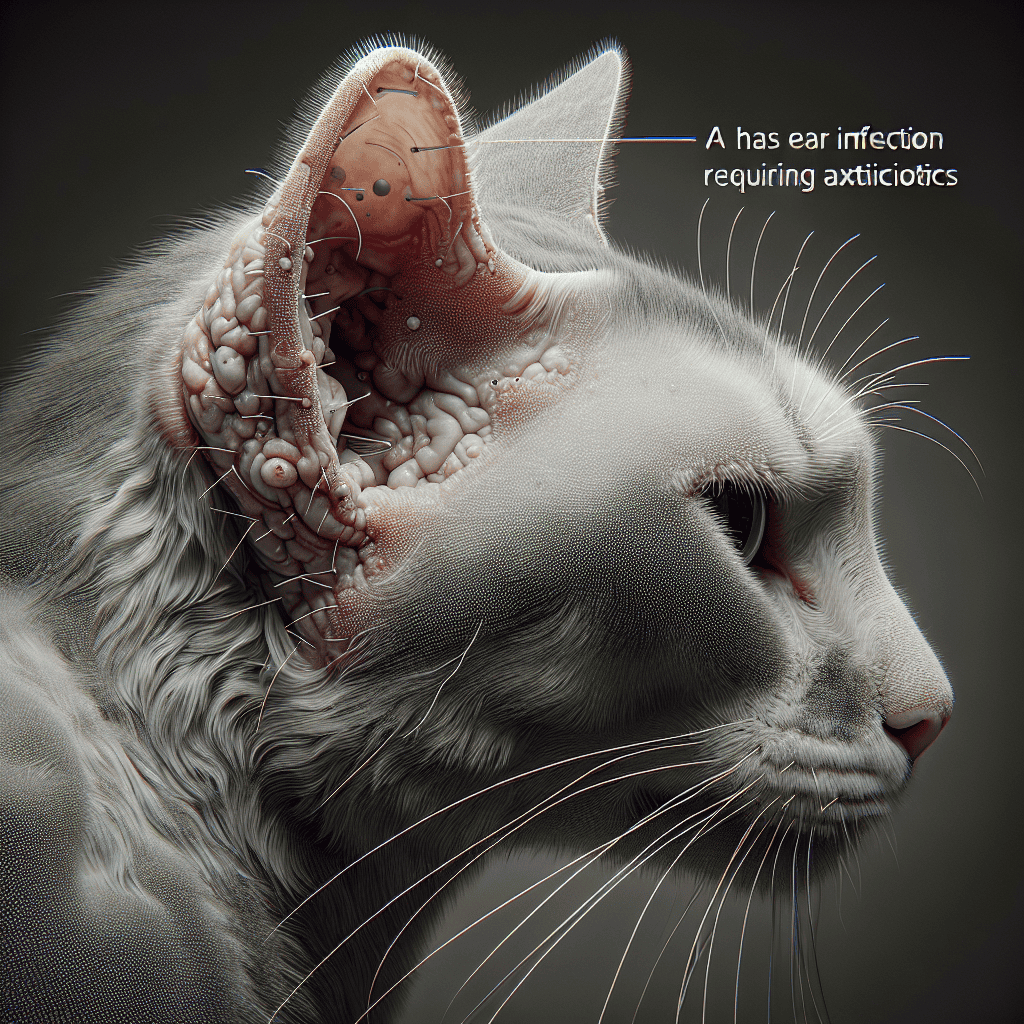

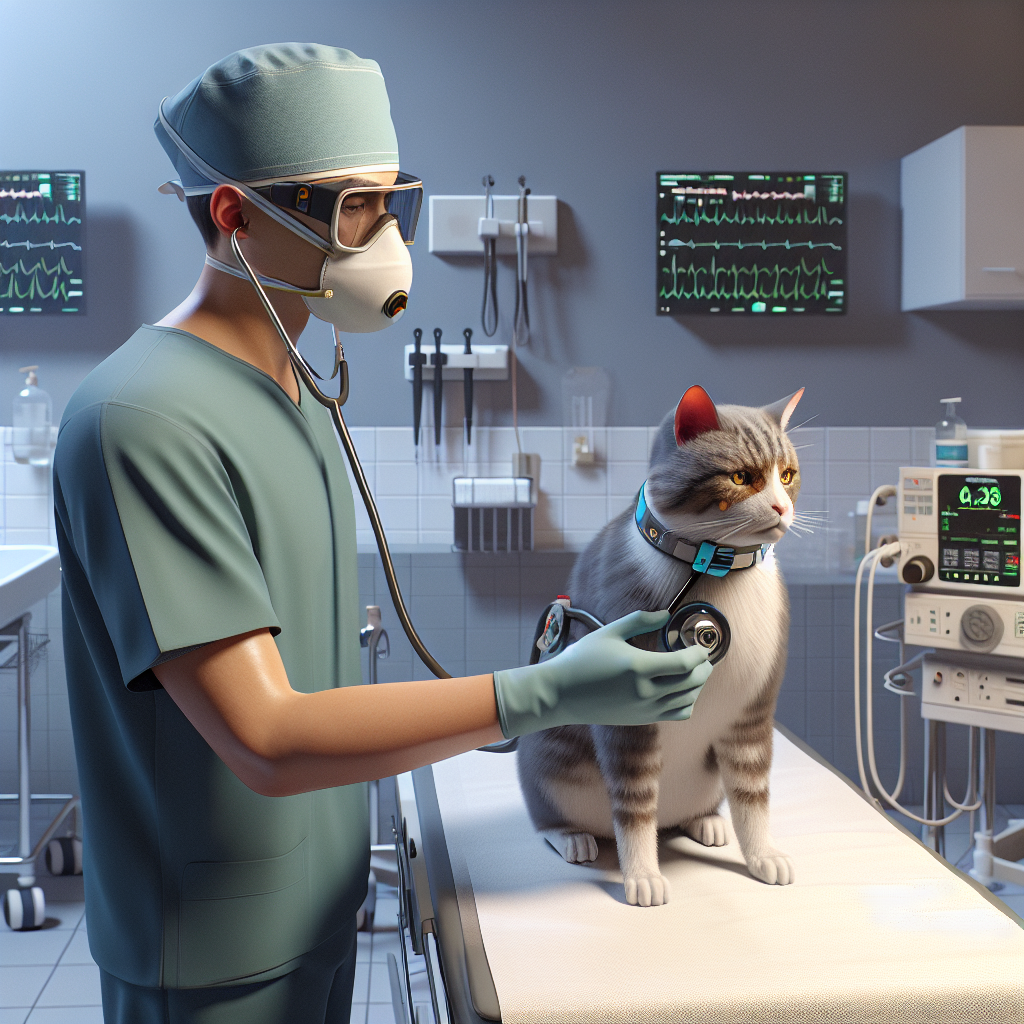
Cat ear infections can be a common and uncomfortable health issue for our feline friends. Understanding the causes and symptoms of these infections is crucial for prompt diagnosis and treatment.
Several factors can contribute to the development of ear infections in cats. Cats with weak immune systems, allergies, or diabetes are more susceptible to ear infections (WebMD). When the skin lining in the ear canal becomes irritated and inflamed, it can result in increased wax production. This excess wax can create an environment for bacteria and yeast to grow out of control, leading to itchiness and discomfort (VSCOT).
Other potential causes of cat ear infections include:
By being aware of these causes, cat owners can take preventative measures to help reduce the risk of ear infections. Regular ear checks and proper cleaning can be essential in maintaining ear health.
Recognizing the symptoms of a cat ear infection is crucial for early detection and treatment. Common signs that your cat may have an ear infection include:
If you notice any of these symptoms in your cat, it’s important to consult a veterinarian for a proper diagnosis and appropriate treatment. Prompt intervention can help prevent the infection from worsening and potentially leading to complications.
In the next section, we will explore the various treatment options available for cat ear infections, including common medications and techniques for administering them. Stay tuned to learn more about how to effectively address these infections and provide relief for your feline companion.
When it comes to treating cat ear infections, there are several options available to effectively combat the infection and provide relief for your feline companion. The treatment approach may vary depending on the underlying cause of the infection. Let’s explore the common medications used and the administration of these medications.
The most common medications used to treat cat ear infections include antibiotics, anti-parasitics, antifungals, and corticosteroids. These medications are typically available in the form of ointments or eardrops. In some cases, oral or injectable antibiotics may be prescribed if the infection has reached the middle ear (WebMD).
| Medication Type | Purpose |
|---|---|
| Antibiotics | Treat bacterial infections |
| Anti-parasitics | Combat ear mites |
| Antifungals | Address fungal infections |
| Corticosteroids | Reduce inflammation and itching |
It’s important to note that the specific medication prescribed will depend on the type of infection identified by your veterinarian. They may recommend a combination of medications if multiple types of infections are present (VCA Hospitals).
Proper administration of medications is crucial for effective treatment. Before administering any medication, it is recommended to clean your cat’s ear thoroughly, unless instructed otherwise by your veterinarian. This helps to remove debris and improve the effectiveness of the medication (PetMD). If your cat is experiencing severe pain, your veterinarian may advise medicating your cat for a few days before initiating regular cleanings to make them more tolerant of the process.
Here are steps to follow for administering ear medications to your cat:
It’s important to complete the full course of treatment as prescribed by your veterinarian, even if the symptoms improve. This helps to ensure that the infection is fully resolved and reduces the risk of recurrence.
Remember, the treatment for cat ear infections may also involve other measures such as clipping the fur around the ear canal and addressing any underlying causes. Regular follow-up appointments with your veterinarian will help monitor your cat’s progress and make any necessary adjustments to the treatment plan. If you have any concerns or questions, don’t hesitate to reach out to your veterinarian for guidance.
When it comes to cat ear infections, prevention and early detection play a crucial role in maintaining your feline companion’s ear health. By being proactive and vigilant, you can minimize the risk of infections and ensure prompt treatment when necessary.
Routine ear checks are essential in preventing ear infections in cats. Cats with weak immune systems, allergies, diabetes, or other health problems are more susceptible to ear infections than cats with robust overall health (Carolina Veterinary Specialists). By regularly examining your cat’s ears, you can identify any early signs of infection and address them promptly.
During a routine ear check, look for the following:
Healthy ears should have minimal or no ear wax, no visible debris, and no noticeable odor (WebMD). If you notice any abnormalities during your cat’s ear check, it’s important to consult with your veterinarian for further evaluation and guidance.
Early detection of potential ear infections in cats can lead to timely treatment and prevention of worsening conditions. Prompt intervention is crucial to prevent chronic infections that could lead to facial paralysis and hearing loss (VSCOT). By addressing ear infections at their early stages, you can alleviate discomfort, prevent complications, and minimize the need for more aggressive treatments.
If you suspect your cat may have an ear infection, it’s important to seek veterinary care. Your veterinarian can accurately diagnose the infection and prescribe appropriate cat ear infection treatment, which may include antibiotics or ear drops. They may also recommend cat ear infection home remedies to complement the treatment plan.
Remember, prevention and early detection are key to maintaining your cat’s ear health. By incorporating routine ear checks into your cat’s grooming routine, you can catch any potential issues early on and provide the necessary care to keep their ears healthy and infection-free.
When left untreated, ear infections in cats can lead to various complications, including chronic infections and potential hearing loss. It is crucial to understand the risks associated with untreated infections to ensure timely and appropriate treatment for your feline companion.
Chronic ear infections can occur when an infection persists or recurs despite previous treatment. Cats with weak immune systems, allergies, or underlying conditions such as diabetes are more susceptible to developing chronic ear infections. These infections can be challenging to completely eliminate and may require prolonged and specialized treatment.
If left untreated, chronic ear infections can cause significant discomfort and pain for your cat. The persistent inflammation and irritation in the ear canal can lead to the development of scar tissue, thickening of the ear canal walls, and damage to the delicate structures within the ear. These complications can result in long-term ear problems and may require more extensive interventions to manage effectively.
One of the most concerning complications of untreated ear infections in cats is the potential for hearing loss. The inflammation and damage caused by persistent infections can affect the sensitive structures responsible for hearing, leading to a gradual or sudden loss of hearing. In severe cases, chronic infections can even result in complete deafness (VSCOT).
It is important to note that while hearing loss is a potential complication, it does not occur in all cases of untreated ear infections. However, the risk of hearing loss emphasizes the importance of seeking prompt treatment for your cat’s ear infections to minimize the chances of long-term damage.
Regular monitoring and early intervention can help prevent complications and ensure the well-being of your cat. If you notice any signs of cat ear infection symptoms, such as head shaking, scratching at the ears, or discharge, it is essential to consult a veterinarian for an accurate diagnosis and appropriate cat ear infection treatment. Remember, almost all ear infections in cats can be cured if diagnosed and treated promptly (VCA Hospitals).
When it comes to treating cat ear infections, there are certain special considerations that pet owners should be aware of. These considerations include various factors that can affect the treatment process, as well as the possibility of surgical interventions in certain cases.
The treatment of cat ear infections can be influenced by several factors. These factors may include the severity of the infection, the underlying cause, and the overall health of the cat. In some cases, the type and sensitivity of the bacteria or fungi causing the infection may also play a role in determining the most effective treatment approach.
It’s important to work closely with your veterinarian to identify these factors and tailor the treatment plan accordingly. They will be able to determine the appropriate course of action, which may involve the use of antibiotics, antifungal medications, or a combination of both. For more information on the treatment options available for cat ear infections, refer to our article on cat ear infection treatment.
In rare cases, surgical intervention may be necessary for the treatment of chronic ear infections in cats. Chronic infections can lead to complications such as facial paralysis and hearing loss (VSCOT). Surgery may be required to remove swollen tissue that has narrowed or closed the ear canal, thus alleviating the blockage and providing relief (WebMD).
The decision to pursue surgical intervention will depend on the specific circumstances and severity of the infection. Your veterinarian will assess the condition of your cat’s ears and determine whether surgery is necessary. They will also discuss the potential risks and benefits associated with the procedure.
It’s important to note that surgical interventions for cat ear infections are relatively rare and are typically considered as a last resort when other treatment options have been exhausted. Regular monitoring and follow-up with your veterinarian are essential to ensure the best possible outcome for your cat’s ear health.
By considering these special factors and being aware of the potential need for surgical interventions, cat owners can take a proactive approach to the treatment of ear infections in their furry companions. Remember, early detection and appropriate treatment are key to preventing complications and promoting your cat’s overall well-being. If you suspect your cat may have an ear infection, consult with your veterinarian for a proper diagnosis and treatment plan.
Once your cat has started treatment for their ear infection, it is important to closely monitor their progress and follow up accordingly. Here are some key aspects to consider during the monitoring and follow-up stage of treating a cat ear infection.
While your cat is recovering from their ear infection, keep an eye out for signs that indicate the treatment is working effectively. These signs include:
Monitoring these signs can help you gauge the progress of the treatment. If you notice these positive changes, it is a good indication that the chosen treatment is having a beneficial effect on your cat’s ear infection.
During the course of treatment, it is important to remain vigilant and be aware of any warning signs that may suggest a need for veterinary intervention. If you observe any of the following signs, discontinue the treatment and contact your vet:
These signs indicate a potential complication or lack of response to the current treatment. Seeking veterinary assistance at this stage will ensure that the ear infection is properly addressed and managed.
Remember, the monitoring and follow-up stage is crucial to ensure that your cat’s ear infection is effectively treated. By observing the signs of treatment response and knowing when to seek veterinary assistance, you can help your feline companion recover and prevent any further complications. For more information on cat ear infections, refer to our article on cat ear infection treatment.