 11
11

Cat ear infections can be a source of discomfort and concern for cat owners. It’s important to understand the causes and recognize the symptoms associated with these infections in order to provide timely care and relief for our feline companions.
Ear infections in cats can be caused by various factors, including allergies, masses, or foreign objects lodged in the ear canal. Several common causes of external (outer) and middle ear infections in cats include:
Recognizing the symptoms of cat ear infections is essential for early detection and prompt treatment. Common signs that your cat may have an ear infection include:
It’s important to note that ear infections in cats can quickly spread to the middle and inner ear if left untreated, potentially leading to hearing loss. If you suspect that your cat has an ear infection, it’s recommended to consult a veterinarian for proper diagnosis and treatment options. For more information on the treatment of cat ear infections, refer to our article on cat ear infection treatment.
When it comes to diagnosing cat ear infections, veterinarians employ a thorough examination process to identify the underlying cause and determine the appropriate treatment. This typically involves two key steps: the examination process and sample analysis.
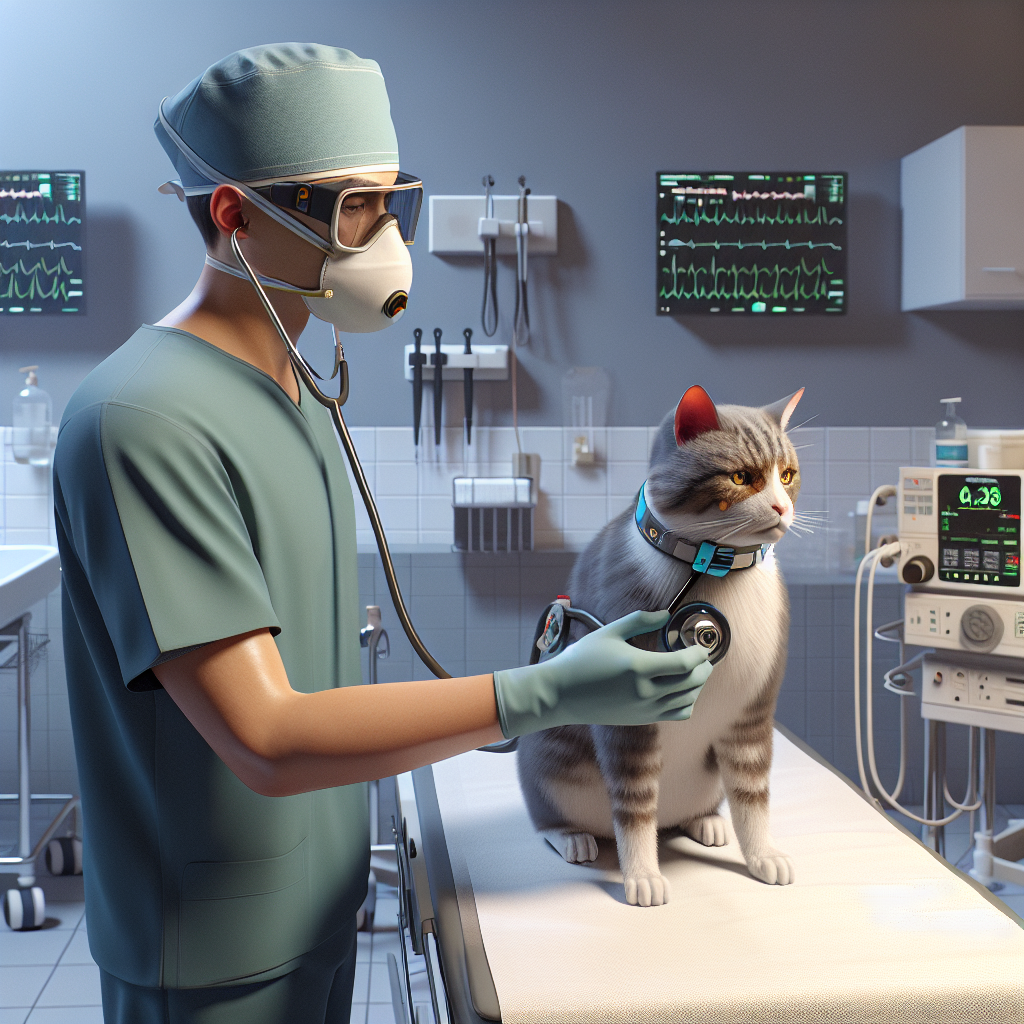
The examination process begins with a visual inspection of the external ear, looking for signs of redness, swelling, discharge, or the presence of foreign objects. To examine the ear canal more closely, veterinarians use an otoscope, which allows them to visualize the ear canal and eardrum. This helps identify any abnormalities, such as masses or inflammation (WebMD).
During the examination, the veterinarian may gently manipulate the ear to check for pain or discomfort. This helps in assessing the severity of the infection and determining the appropriate course of treatment. It’s important to note that cat ear infections can occur in the outer ear or the middle ear, with common causes including ear mite infestation, weak immune system, allergies, or diabetes.
To further diagnose the specific cause of the cat’s ear infection, veterinarians often collect a sample of ear debris. This sample is then examined under a microscope to identify any microorganisms present, such as yeast, bacteria, or ear mites. This analysis helps determine the appropriate treatment approach, whether it involves antibiotics, antifungals, anti-parasitics, or other medications (WebMD).
By analyzing the sample, veterinarians can also assess the severity of the infection and identify any secondary complications that may require additional treatment. Early intervention is crucial to prevent chronic infections that can lead to more serious issues like deafness and facial paralysis.
Regular wellness exams play a vital role in the early detection of ear infections and other health problems in cats. These routine check-ups allow veterinarians to monitor the overall health of the cat and identify any signs of ear infections at an early stage, facilitating prompt and effective treatment.
In the next section, we will explore the various treatment options available for cat ear infections, including medical interventions and home care recommendations.
When it comes to treating cat ear infections, there are both medical interventions and home care recommendations available. These options aim to alleviate the discomfort and address the underlying cause of the infection.
For severe or persistent ear infections, it’s essential to consult a veterinarian for proper diagnosis and treatment. The veterinarian may prescribe medications based on the specific type of infection present. Common medical interventions for cat ear infections include:
It’s important to follow the veterinarian’s instructions regarding dosage and duration of medication. Regular check-ups and monitoring are crucial to ensure the infection is resolving and to adjust the treatment plan if necessary.
In addition to medical interventions, home care plays a vital role in the treatment of cat ear infections. These recommendations can help enhance the effectiveness of medical treatments and promote a faster recovery. Here are some home care recommendations for cat ear infections:
Gently cleaning the ear canal: Use a veterinarian-recommended ear cleaning solution and gently clean the ear canal to remove debris and excess wax. It is important to avoid using cotton swabs or other abrasive materials that can push debris further into the canal and potentially damage the eardrum.
Administering prescribed ear drops: Follow the veterinarian’s instructions and administer the prescribed ear drops as directed. Apply the drops into the ear canal and massage the base of the ear to help the medication disperse throughout the ear.
Remember to wait for approximately 10 to 15 minutes after cleaning the ears before applying the medication (PetMD). This allows the ears to dry slightly, ensuring better absorption of the medication.
Proper home care, combined with medical interventions, can significantly improve the outcome of cat ear infection treatment. Regular monitoring and recheck examinations are crucial to assess the progress of the treatment and make any necessary adjustments. Avoid cleaning or medicating the cat’s ears at least 24 hours before a recheck examination to allow accurate evaluation of the infection.
By following both medical interventions and home care recommendations, you can help your cat recover from an ear infection and ensure their ears remain healthy and comfortable.
Taking preventive measures and detecting cat ear infections early can help alleviate discomfort and minimize the risk of complications. Understanding the risk factors associated with ear infections and implementing preventive measures can play a crucial role in maintaining your cat’s ear health.
Several factors can predispose cats to ear infections. These include:
To help prevent ear infections in cats, it’s important to take the following preventive measures:
By implementing these preventive measures and being vigilant about your cat’s ear health, you can reduce the likelihood of ear infections and ensure the well-being of your feline companion. If your cat does develop an ear infection, consult with your veterinarian for appropriate ear infection treatments and follow their guidance for managing the condition effectively.
When it comes to managing cat ear infections, there are two key aspects to focus on: cleaning procedures and medication application. Proper care and attention in these areas are crucial for the effective treatment and relief of your cat’s ear infection.
Cleaning your cat’s infected ears is an essential part of the home care routine. However, it’s important to approach this process with caution to prevent any further discomfort or injury to your feline friend. Here are the recommended steps for cleaning your cat’s ears:
Restrain your cat: Gently restrain your cat to ensure their safety during the cleaning process. You can use a towel or ask someone for assistance to help keep your cat calm and secure.
Clean the ear lobe: Moisten a cotton ball or gauze with water and gently clean the outer part of the ear lobe. This helps to remove any visible debris or discharge.
Clean the cartilage: Moisten a cotton swab with water and carefully clean the cartilage of the ear. It’s important to avoid inserting the swab into the ear canal to prevent any potential trauma.
Remember, it’s crucial not to use home remedies such as hydrogen peroxide or vinegar solutions, as they can cause further irritation and discomfort to your cat’s ears. Also, be cautious not to use excessive liquid during cleaning, as it can result in incoordination.
Offering a treat to your cat after the cleaning process can help create a positive association and make the next ear cleaning session smoother for both you and your cat.
After cleaning your cat’s ears, it’s time to apply the prescribed medication to treat the ear infection. Here are the steps to follow:
Wait before applying medication: It is recommended to wait for 10 to 15 minutes after cleaning the ears before applying the medication. This allows the ears to dry slightly and ensures better absorption of the medication.
Gently apply the medication: Carefully follow the instructions provided by your veterinarian for the specific ear medication. Often, the medication needs to be gently squeezed down into the ear canal, ensuring a thin layer coats the entire lining of the canal. Avoid using abrasive materials like gauze or cotton swabs, as they can push debris further into the canal, leading to impaction and an increased risk of eardrum rupture.
It’s important to note that recheck examinations are crucial for successful cat ear infection treatment, typically lasting a minimum of two to three weeks. During these examinations, the veterinarian will assess the progress of the infection and determine if additional testing or treatment is necessary, especially if there are underlying factors such as allergies. It is important not to clean or medicate your cat’s ears at least 24 hours prior to the recheck exam.
By following proper cleaning procedures and applying the prescribed medication correctly, you can effectively manage your cat’s ear infection and provide them with the relief they need. However, always consult your veterinarian for guidance and specific instructions tailored to your cat’s condition.
After initiating treatment for a cat ear infection, it is crucial to closely monitor the progress and schedule recheck examinations to ensure the infection is resolving effectively. This section will outline the importance of recheck examinations and provide information on signs that indicate a positive response to treatment.
Recheck examinations play a vital role in the successful treatment of cat ear infections. These examinations typically occur after two to three weeks of treatment and allow the veterinarian to assess the progress and make any necessary adjustments to the treatment plan (PetMD). During the recheck exam, another sample may be taken from the ear canal and examined under a microscope to ensure that the infection has resolved (PetMD). It is important not to clean or medicate a cat’s ears at least 24 hours prior to the recheck exam to ensure accurate test results (PetMD).
The duration of recheck examinations may vary depending on the severity and progression of the infection. In some cases, additional testing and treatment may be required if the infection has not resolved, especially if there are underlying factors such as allergies. Your veterinarian will provide guidance on the frequency and duration of recheck examinations based on your cat’s specific condition.
Monitoring your cat’s response to treatment is essential to ensure that the ear infection is improving. Here are some signs that indicate a positive response to treatment:
It is important to continue the full course of treatment as prescribed by your veterinarian, even if you observe positive signs. Discontinuing treatment prematurely can lead to a recurrence of the infection or incomplete resolution.
However, certain warning signs require immediate attention and discontinuation of treatment. Contact your veterinarian if you notice any of the following:
Promptly reporting any concerning symptoms or changes to your veterinarian is crucial to ensure the best outcome for your cat’s ear infection treatment.
By closely monitoring your cat’s progress and scheduling recheck examinations, you can ensure that the infection is effectively treated and prevent potential complications. Remember to follow your veterinarian’s guidance and report any changes or concerns during the course of treatment.