 11
11
Feline ataxia refers to the loss of coordination and balance in cats, affecting their head, limbs, and/or torso. This condition is caused by decreased sensory function of the nervous system, which can be due to various diseases (PetMD). Understanding the definition and types of ataxia in cats is crucial for recognizing and addressing this health issue.
Ataxia in cats is characterized by the inability to control muscle movements properly, leading to uncoordinated and unsteady movements. Cats with ataxia may exhibit symptoms such as staggering, stumbling, falling, and an overall lack of balance. The severity of these symptoms can vary depending on the underlying cause and the part of the nervous system that is affected.
There are three main types of ataxia in cats: vestibular, sensory (spinal or proprioceptive), and cerebellar. Each type affects different parts of the nervous system and results in distinct symptoms. Understanding these types can help in identifying the specific cause and appropriate treatment options.
Vestibular Ataxia: Cats with vestibular ataxia experience an imbalance in their vestibular system, which is responsible for maintaining balance and orientation. This type of ataxia can be further classified into peripheral vestibular ataxia and central vestibular ataxia. Peripheral vestibular ataxia occurs when the inner ear or the nerves connecting it to the brain are affected. Central vestibular ataxia occurs when the brain stem is involved. Symptoms of vestibular ataxia may include a head tilt, leaning, falling, rolling, and disorientation.
Sensory Ataxia: Sensory ataxia in cats is typically caused by lesions in the spinal cord, especially spinal cord compression. This type of ataxia affects the cat’s ability to perceive the position and movement of their limbs. Cats with sensory ataxia may exhibit symptoms such as knuckling of toes, crossing of legs, and an unsteady gait (PetMD).
Cerebellar Ataxia: Cerebellar ataxia is caused by dysfunction or damage to the cerebellum, which is responsible for coordinating motor movements. Cats with cerebellar ataxia may display a wide-based stance, swaying, tremors, and jerky movements. This type of ataxia often leads to uncoordinated movement of the limbs and head tremors (PetMD).
Understanding the different types of ataxia in cats is essential for identifying the underlying cause and determining the most appropriate diagnostic and treatment approaches. If you suspect that your cat is experiencing ataxia, it is important to consult a veterinarian for a comprehensive evaluation and guidance on managing this condition.
Feline ataxia, characterized by a loss of balance and coordination in cats, can have various underlying causes. Understanding the specific causes of ataxia is crucial for accurate diagnosis and appropriate treatment. Let’s explore the causes of feline ataxia categorized into vestibular ataxia, sensory ataxia, and cerebellar ataxia.
Vestibular ataxia in cats can be caused by a range of factors, including:
For a comprehensive evaluation and diagnosis, consult a veterinarian experienced in diagnosing and treating neurological disorders in cats.
Sensory ataxia in cats is primarily caused by issues related to the spinal cord or peripheral nerves. Common causes include:
Accurate diagnosis and identification of the underlying cause are crucial for effective treatment and management of sensory ataxia in cats.
Cerebellar ataxia in cats occurs due to abnormalities or damage to the cerebellum, the part of the brain responsible for motor coordination. Common causes include:
Consulting a veterinarian is essential to determine the precise cause of cerebellar ataxia and develop an appropriate treatment plan.
Identifying the cause of feline ataxia is crucial for effective treatment and management. If you observe any signs of ataxia in your cat, consult a veterinarian for a thorough evaluation and diagnosis. They will guide you through the diagnostic procedures and recommend the most suitable treatment approaches.
Feline ataxia, or loss of balance in cats, can manifest in various ways depending on the specific type of ataxia. The symptoms observed in cats with ataxia can be categorized into three main types: vestibular ataxia, sensory ataxia, and cerebellar ataxia.
Cats with vestibular ataxia often display symptoms related to their sense of balance and coordination. Some common symptoms include:
Cats with central vestibular ataxia, where the brain stem is affected, often appear extremely drowsy or sedate. If you notice any of these symptoms in your cat, it is crucial to consult a veterinarian to determine the underlying cause and appropriate treatment.
Sensory ataxia in cats is typically caused by lesions in the spinal cord, leading to a disruption in the cat’s ability to perceive the position of their feet in space. Common symptoms of sensory ataxia include:
Sensory ataxia can significantly impact a cat’s mobility and coordination. If you observe any of these symptoms in your cat, it is important to seek veterinary attention for a proper diagnosis and treatment plan (PetMD).
Cats with cerebellar ataxia experience difficulty coordinating movement due to issues with the cerebellum, a part of the brain responsible for motor control. Symptoms commonly associated with cerebellar ataxia include:
Cats with cerebellar ataxia may appear normal at rest, but their abnormal movement becomes more apparent when they start to move (VCA Canada). If you notice any of these symptoms in your cat, it is important to consult a veterinarian for a thorough evaluation and appropriate management.
Understanding the specific symptoms associated with each type of ataxia can help in identifying the underlying cause and guiding the diagnostic process. If you suspect your cat may be experiencing ataxia, it is always best to seek veterinary advice to ensure proper diagnosis and appropriate treatment.
When a cat exhibits symptoms of ataxia, it is essential to undergo thorough diagnostic procedures to determine the underlying cause. Once the cause has been identified, appropriate treatment approaches can be implemented.
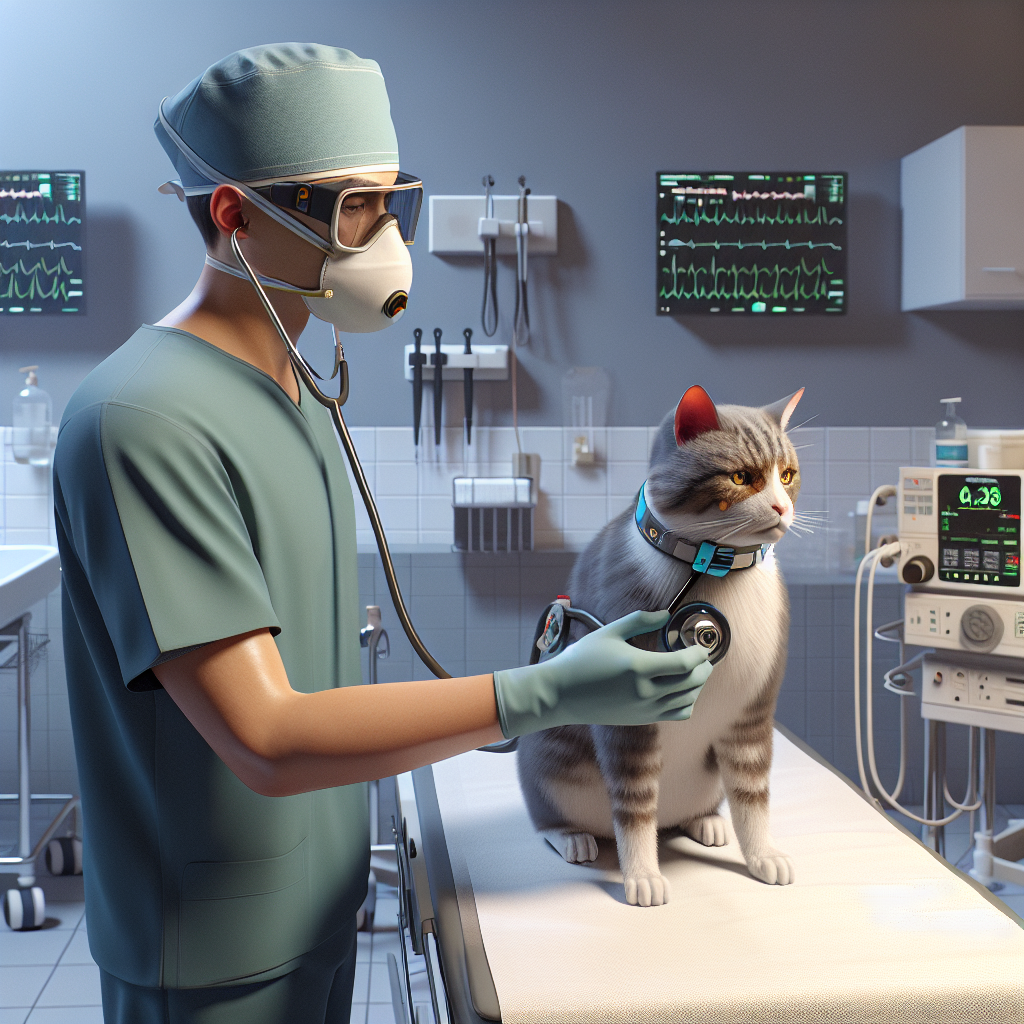
Diagnosing ataxia in cats can be challenging due to the numerous possible causes. Veterinarians may employ a combination of diagnostic procedures to determine the underlying condition. These procedures may include:
By conducting these diagnostic procedures, veterinarians can gain valuable insights into the specific cause of ataxia in cats and determine the most appropriate course of treatment. It is crucial to consult a veterinarian for an accurate diagnosis.
The treatment approach for ataxia in cats depends on the underlying cause. Once the cause has been determined, treatment may include:
It’s important to note that the specific treatment approach will vary depending on the individual cat and the underlying cause of ataxia. Veterinary guidance is crucial in developing an appropriate treatment plan for each case.
By employing comprehensive diagnostic procedures and tailoring treatment approaches to the specific cause of ataxia, veterinarians can effectively address this condition in cats. The earlier the diagnosis and treatment, the better the chances of successful management and improved quality of life for the affected feline.
Prevention and management are key when it comes to feline ataxia. While not all cases can be prevented, there are steps that can be taken to reduce the risk of ataxia in cats. This section will explore two important factors in preventing and managing feline ataxia: genetic health issues in cats and environmental considerations.
Genetics play a significant role in the health of cats, and certain breeds are more prone to genetic health issues than others. It is important for cat owners to be aware of these breed-specific health conditions and work closely with their veterinarian to manage and prevent ataxia and other related issues.
Some cat breeds are more susceptible to genetic health problems, such as polycystic kidney disease (PKD), hip dysplasia, respiratory issues like asthma, and obesity, which can lead to diabetes (Quora). Some examples of breeds prone to genetic health issues include:
By being aware of the potential genetic health issues associated with specific breeds, cat owners can take proactive measures to manage and prevent these conditions. Regular veterinary check-ups and genetic testing can help identify potential health concerns early on, allowing for appropriate interventions and treatments.
In addition to genetic factors, environmental considerations also play a role in preventing and managing feline ataxia. Providing a safe and suitable environment for cats can help reduce the risk of accidents or injuries that may lead to ataxia.
Here are some important environmental considerations for preventing feline ataxia:
Safety indoors: Create a cat-friendly environment indoors by removing any potential hazards that could cause falls or injuries. Secure windows and balconies, eliminate clutter, and provide stable surfaces for climbing and perching.
Supervision during outdoor activities: If allowing your cat outdoors, ensure a safe and supervised environment to prevent falls, trauma, or exposure to toxins.
Regular exercise: Keep your cat physically active to maintain muscle tone and coordination. Engage them in play sessions and provide climbing structures to encourage exercise and mental stimulation.
Proper nutrition: Feed your cat a balanced diet to maintain overall health and prevent obesity, which can contribute to ataxia. Obesity is a risk factor for various health conditions, including diabetes, which can further impact a cat’s well-being.
By addressing these environmental considerations, cat owners can help minimize the risk of ataxia and create a safer living environment for their furry companions.
While prevention is ideal, it’s important to note that not all cases of feline ataxia can be completely avoided. If your cat shows signs of ataxia or experiences balance problems, it is crucial to seek veterinary care promptly. Early diagnosis and appropriate treatment can help manage the condition and improve your cat’s quality of life.
Understanding the role of genetics and environmental factors in feline ataxia is vital for cat owners. By taking preventive measures, staying informed about breed-specific health issues, and providing a safe environment, cat owners can reduce the risk of ataxia and promote the overall well-being of their feline companions.
When it comes to feline ataxia, there are specific cases and considerations that warrant attention. In this section, we will explore ataxia in kittens, breed-related health conditions, and unique feline health disorders.
Ataxia, characterized by an uncoordinated gait, can occur in kittens due to a range of conditions. Some of these conditions may be inherited, developmental, or acquired after birth. It is essential to identify and address the underlying cause to provide appropriate treatment and care for affected kittens (Messybeast).
Causes of ataxia in kittens can include otitis media/interna, inflammatory polyps, idiopathic vestibular syndrome, aminoglycoside antibiotics, congenital spinal anomalies, fibrocartilaginous embolism, spinal trauma, neoplasia, hypervitaminosis A, and thiamine deficiency (Journal of Feline Medicine and Surgery). Prompt veterinary evaluation is crucial to determine the specific cause and develop an appropriate treatment plan.
Certain cat breeds may be predisposed to health conditions that can result in ataxia. For example, hydrocephalus, a condition characterized by the accumulation of fluid in the brain, can cause ataxia in kittens due to a recessive gene. Kittens with hydrocephalus may exhibit a swollen, dome-shaped head, abnormal eye positions, and other cranial defects (Messybeast). It is important for breeders and owners of susceptible breeds to be aware of these potential health issues and work closely with veterinarians to manage and treat them effectively.
Apart from ataxia caused by specific conditions or breed-related factors, there are other unique feline health disorders that can lead to loss of balance and coordination. These disorders may include various neurological conditions, such as feline vestibular disease, which affects the balance and equilibrium of cats. It is crucial for cat owners to be vigilant and seek veterinary guidance if they notice any signs of balance problems or ataxia in their feline companions.
Understanding the specific cases and considerations related to ataxia in kittens, breed-specific health conditions, and unique feline health disorders is essential for early detection, proper management, and effective treatment. If you suspect that your kitten or cat is experiencing ataxia or any related symptoms, promptly consult with a veterinarian for a thorough evaluation and appropriate care.