 11
11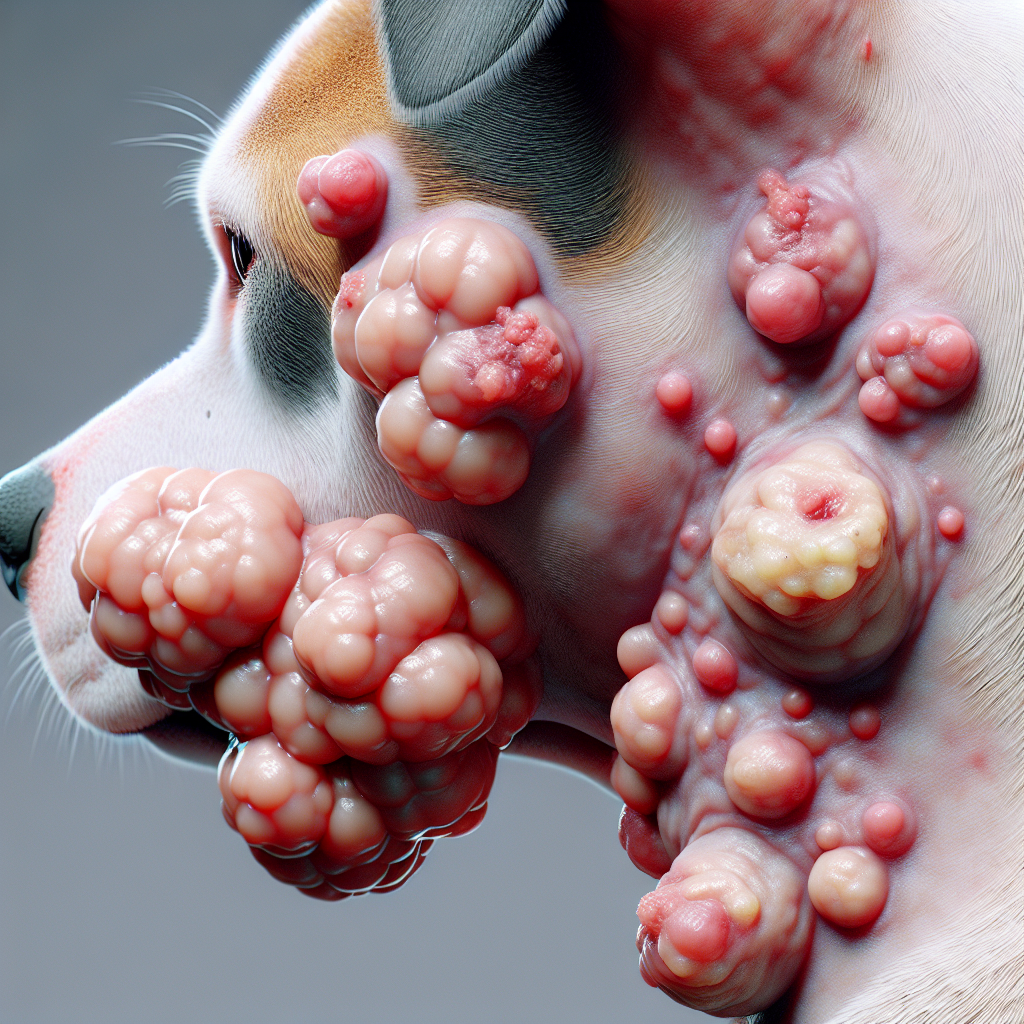

When it comes to skin tumors in dogs, it’s important to understand the difference between benign and malignant tumors. Benign tumors are non-invasive, do not spread to other areas of the body, and are easy to remove surgically. On the other hand, malignant tumors can invade surrounding tissues and spread to distant organs, causing harm to the animal (Merck Veterinary Manual).
There are several common types of benign skin tumors that can affect dogs. These include:
Benign skin tumors in dogs often exhibit certain characteristics that can help differentiate them from malignant tumors. These characteristics include:
While benign skin tumors are generally not a cause for immediate concern, it’s important to monitor them closely for any changes. Regular veterinary check-ups are essential to evaluate the tumors and determine the best course of action if needed.
Understanding the different types and characteristics of benign skin tumors is crucial for dog owners. By recognizing these tumors and seeking veterinary evaluation, appropriate treatment options can be explored to ensure the health and well-being of your furry friend.
Histiocytoma is one of the common types of benign skin tumors in dogs. Let’s explore the definition, overview, occurrence, and resolution of histiocytoma in dogs.
Histiocytomas are round, red masses that result from the overgrowth of a cell in the dog’s immune system. They are typically seen in young adult dogs (MSPCA-Angell). Histiocytomas are often hairless and have a pink-red appearance, and they can sometimes ulcerate. The most common locations for histiocytomas are the head and neck (Huntsville Veterinary Specialists & Emergency).
These tumors are generally benign, meaning they are not cancerous. They tend to grow rapidly over a few weeks and can reach a size of 1-2 centimeters in diameter. However, histiocytomas usually regress on their own without any treatment within a couple of months (NC State Veterinary Hospital).
Histiocytomas primarily affect young adult dogs, typically between one to three years of age. They are more commonly seen in certain breeds, such as Boxers, Bulldogs, and Staffordshire Bull Terriers (Huntsville Veterinary Specialists & Emergency). However, histiocytomas can occur in dogs of any breed or mixed breed.
The good news is that histiocytomas often resolve on their own without any treatment. They tend to regress within a couple of months, and sometimes even within a few weeks. In cases where the tumors do not show signs of regression within four to eight weeks, surgical removal may be necessary (Huntsville Veterinary Specialists & Emergency). It’s important to consult with a veterinarian to determine the best course of action for your dog.
To get a better understanding of histiocytoma in dogs, you can refer to our article on histiocytoma in dogs pictures. Additionally, knowing the potential causes of histiocytoma and the preventive measures you can take may also be helpful. For more information, visit our articles on what causes histiocytoma in dogs and histiocytoma in puppies.
By recognizing and understanding histiocytoma in dogs, you can ensure appropriate care and peace of mind for both you and your furry companion. Remember, timely veterinary evaluation is vital for accurate diagnosis and appropriate treatment options.
When it comes to diagnosing and treating benign skin tumors in dogs, a veterinary evaluation is essential to ensure proper identification and appropriate management. Once the tumor is identified as benign, treatment options can be considered based on the specific characteristics of the tumor and the overall health of the dog.
To diagnose a benign skin tumor in a dog, a veterinarian will conduct a thorough examination of the affected area. They may take a small sample of the tumor for a biopsy to confirm its benign nature. This biopsy helps rule out the possibility of a malignant tumor and provides valuable information for determining the appropriate treatment approach.
During the evaluation, the veterinarian will also consider the dog’s age, medical history, and any accompanying symptoms. They may ask questions about the tumor’s growth rate, changes in appearance, and whether it causes any discomfort or affects the dog’s mobility. Additionally, the veterinarian may perform further diagnostic tests, such as blood work or imaging, to assess the overall health of the dog and ensure there are no underlying conditions.
The treatment options for benign skin tumors in dogs depend on various factors, including the type and location of the tumor, the dog’s overall health, and the potential impact on the dog’s quality of life. In many cases, benign tumors may not require immediate treatment and can be monitored for any changes.
However, certain benign tumors, such as lipomas, sebaceous adenomas, and acrochordons, may be recommended for removal if they cause discomfort, hinder mobility, or if the owner prefers their removal for cosmetic reasons. Surgical removal is typically the preferred method, and it may involve excision of the tumor with a margin of surrounding healthy tissue to ensure complete removal.
For histiocytomas, which are more common in young adult dogs, treatment may not be necessary as they often resolve on their own within a couple of months (MSPCA-Angell). However, if the tumor persists or causes discomfort, surgical removal or other treatment options may be considered.
It’s important to note that each case is unique, and the veterinarian will provide personalized recommendations based on the specific circumstances of the dog and the tumor. Regular follow-up examinations are often recommended to monitor the tumor’s progress and ensure the dog’s overall health.
Understanding the diagnosis and treatment options for benign skin tumors in dogs is crucial for providing appropriate care and peace of mind for dog owners. If you notice any unusual skin growths or changes in your dog’s skin, it’s important to consult with a veterinarian for a proper evaluation and guidance on the best course of action.
Taking preventive measures is essential when it comes to protecting dogs from skin cancer and promoting their overall well-being. By implementing a few simple strategies, dog owners can significantly reduce the risk of skin cancer in their furry companions. Additionally, early detection plays a crucial role in the successful treatment of any potential issues.
Owners of dogs with white or light coats or skin should take extra precautions to protect their pets from direct exposure to sunlight. Ultraviolet (UV) radiation from the sun can increase the risk of skin cancer, especially during the hours when it is strongest (Merck Veterinary Manual).
To minimize the risk, consider the following preventive measures:
By implementing these protective measures, you can safeguard your dog’s skin health and reduce the risk of skin cancer.
Regular, thorough physical examinations by a veterinarian are crucial for the early detection of any potential issues, including skin tumors. Early detection offers the best chance for successful treatment and a return to a normal, healthy life for your dog (Merck Veterinary Manual).
Here are some important points to remember:
By being proactive and vigilant in monitoring your dog’s skin health, you can ensure early detection of any potential issues and increase the chances of successful treatment.
In addition to these preventive measures, it is important to familiarize yourself with the different types of benign skin tumors. Understanding their characteristics, occurrence, and treatment options will enable you to provide the best care for your furry friend.
In addition to histiocytomas, there are several other types of benign skin tumors that can affect dogs. These tumors may vary in appearance, characteristics, and occurrence. Let’s explore three common types: sebaceous adenomas, papillomas, and acrochordons.
Sebaceous adenomas are benign growths that originate from the oil-producing glands in the skin. These tumors typically appear as small, white to pink growths, usually measuring less than 1cm in diameter. In some cases, they may secrete a greasy white material. Sebaceous adenomas are more commonly seen in older dogs and certain breeds, such as the cocker spaniel.
Although sebaceous adenomas are generally harmless, it’s important to monitor them for any changes in size, shape, or appearance. If you notice any concerning changes or if the tumor causes discomfort to your dog, consult with your veterinarian for further evaluation and guidance.
Papillomas, also known as viral warts, are contagious growths caused by specific papilloma viruses. These tumors commonly occur in and around the mouth of young dogs. Papillomas can have a cauliflower-like appearance and may vary in size and color. They are usually benign and tend to resolve on their own within a few months as the dog’s immune system fights off the virus.
It’s important to note that papillomas are contagious between dogs, especially in close contact situations. If you notice papillomas on your dog, it is advisable to keep them away from other dogs to prevent the spread of the virus. If the papillomas persist, become bothersome, or show signs of infection, consult with your veterinarian for appropriate management.
Acrochordons, more commonly known as skin tags, are benign growths that extend from the body on thin stalks. They are often harmless and may appear as small, soft growths attached to the skin. Acrochordons can occur in various locations on the body and are more commonly seen in older dogs or certain breeds, such as the cocker spaniel.
While acrochordons are typically benign and do not require treatment, it’s important to monitor them for any changes in size, color, or appearance. If the skin tags become irritated, cause discomfort, or if you are unsure about a growth, consult with your veterinarian for further evaluation.
Understanding the different types of benign skin tumors in dogs can help you recognize and monitor any growths that may appear on your furry companion. Regular veterinary check-ups are important for the early detection and appropriate management of these skin tumors. Remember, only a veterinarian can provide an accurate diagnosis and recommend the best course of action for your dog’s specific situation.
While there are various types of benign skin tumors in dogs, this section will focus on three specific types: basal cell tumors, cutaneous hemangiomas, and lipomas.
Basal cell tumors are one of the most common types of benign skin tumors in dogs. These tumors typically arise from the hair follicles and can be found on any part of the body. Basal cell tumors are usually slow-growing and often appear as small, raised nodules on the skin.
In most cases, basal cell tumors do not cause any significant health concerns. However, if the tumor grows in size or shows signs of ulceration, bleeding, or infection, it is recommended to consult a veterinarian for evaluation and potential treatment options. Surgical removal is often the preferred method for managing basal cell tumors.
Cutaneous hemangiomas are benign tumors that originate from blood vessels in the skin. These tumors are commonly seen in dogs and can appear as raised, red or purple growths on the skin. They are often well-circumscribed and can range in size from small nodules to larger masses.
In most cases, cutaneous hemangiomas do not require treatment unless they are causing discomfort or affecting the dog’s quality of life. However, if the tumor becomes ulcerated, bleeds excessively, or shows signs of rapid growth, veterinary evaluation is recommended to rule out any potential complications. Treatment options may include surgical removal or other interventions based on the veterinarian’s assessment.
Lipomas are benign tumors composed of fat cells and are commonly found in dogs, particularly in older individuals. These growths are usually soft, well-circumscribed, and located beneath the skin. Lipomas can occur as single or multiple masses and are often found in the sternum, chest, abdomen, and upper limbs.
While lipomas are generally harmless, surgical removal may be recommended in certain cases. This is especially true if the lipoma is hindering mobility or causing discomfort for the dog. However, depending on the size and location of the tumor, observation without therapy may also be a viable option. It is important to consult with a veterinarian to determine the best course of action for managing lipomas in dogs.
It’s worth noting that certain factors, such as breed, age, and hormonal status, may increase the likelihood of developing specific benign tumors in dogs. Regular veterinary check-ups and early detection play a crucial role in the successful management of these tumors. If you notice any unusual growths or changes in your dog’s skin, it is always recommended to seek veterinary evaluation for proper diagnosis and appropriate treatment options.